Disclosure: This post contains affiliate links. If you book through our links, we may earn a small commission at no extra cost to you. Thanks for supporting Faceted Travel!
Table of Contents
- Croatia vs Slovenia: The Quick Answer
- Scenery and Landscapes
- Beaches and Swimming
- Cities and Towns
- Food and Drink
- Costs: Which Is Cheaper?
- Crowds and Seasons
- Getting Around
- Activities and Adventure
- A Taste of Each Trip: Sample Itineraries
- Language, Safety and Practical Comfort
- Our Honest Verdict
- Who Should Choose Which?
- Can You Visit Both?
- Planning Tips for Both Countries
- Where to Book
- Final Thoughts
Two countries, one border, and a question we hear constantly: should we go to Croatia or Slovenia? On paper they look like neighbors with similar charms, but on the ground they feel like two quite different trips. One is a sun-soaked coastline of walled cities and island ferries. The other is a tidy, green, alpine country where you can hike in the morning and be on the Adriatic by lunch.
We have spent real time in both, from Dubrovnik’s city walls and Hvar’s lavender hills to Lake Bled’s island church and Ljubljana’s riverside cafes. Here is our honest comparison of Croatia vs Slovenia: scenery, beaches, cities, food, costs, crowds, getting around and who each country suits best, so you can choose well, or decide to do both.
Croatia vs Slovenia: The Quick Answer
- Choose Croatia if you want a classic Mediterranean holiday with beaches, island hopping, historic walled towns and a lively summer atmosphere.
- Choose Slovenia if you want mountains, lakes, caves, easy driving, fewer crowds and a calm, green, very well organized trip.
- Do both if you have ten days or more. They connect easily by road, and the contrast is part of the fun.
Scenery and Landscapes
Croatia’s signature is its coastline: more than a thousand islands, clear blue water and limestone hills dotted with pine and olive trees. Inland you will find dramatic national parks such as Plitvice, with its terraced lakes and waterfalls. Read our Plitvice Lakes guide if that is on your wish list.
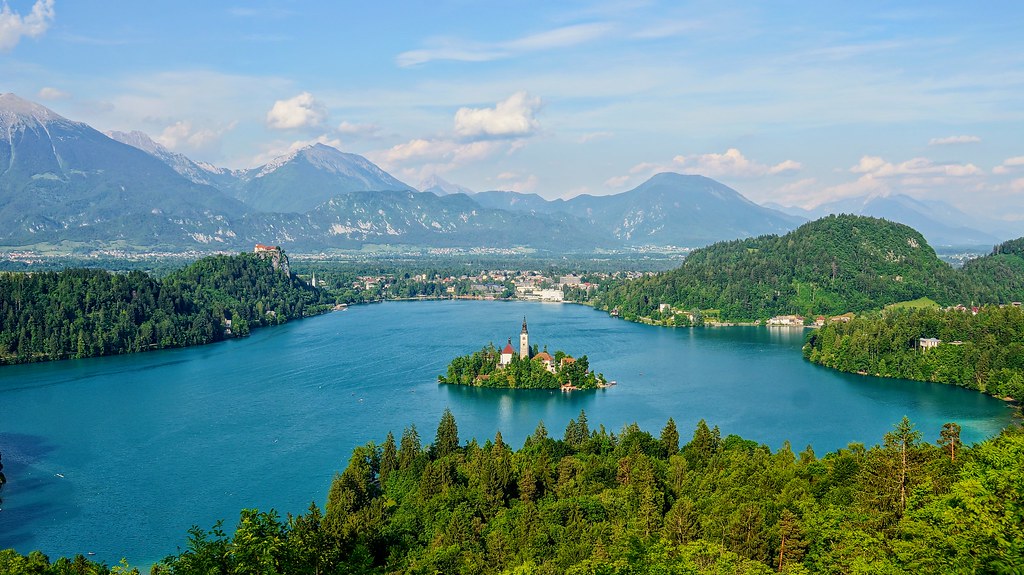
Slovenia is smaller but remarkably varied. The Julian Alps rise above emerald rivers, glacial lakes and green valleys, while the country also has a short Adriatic coastline, wine hills and some of the world’s most impressive caves. Our guides to Lake Bled, Lake Bohinj and the Soca Valley and Triglav National Park show what the interior is like.
Our take: Croatia wins on coastline and islands. Slovenia wins on alpine scenery and variety packed into a small space.
Beaches and Swimming
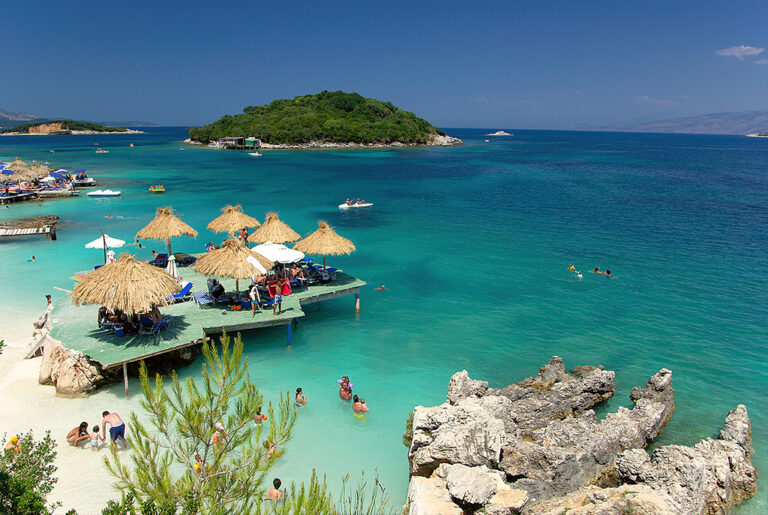
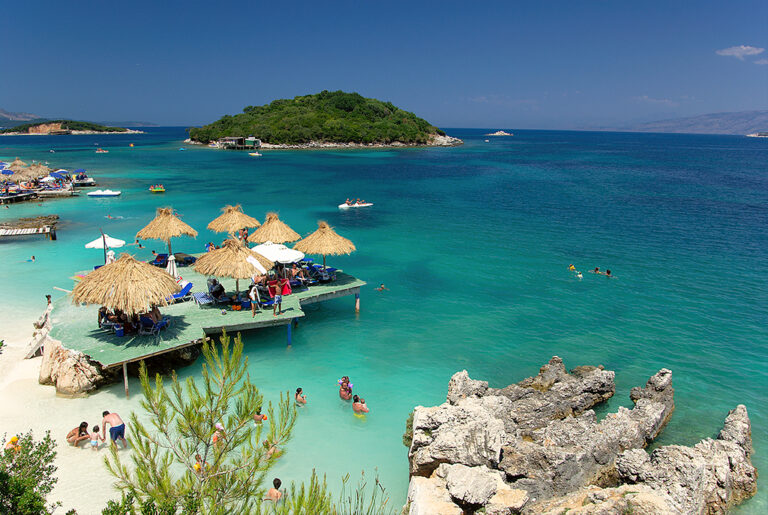
This is where Croatia pulls ahead. Its beaches are mostly pebble or rock rather than sand, but the water is stunning and swimming is a daily pleasure. Islands such as Hvar, Brac and Korcula offer coves, beach clubs and boat trips for every taste.
Slovenia has a coastline of only about 46 kilometers, centered on the charming town of Piran. It is lovely for a day or two, with sunset swims and seafood, but it is not a beach holiday on the scale of Croatia. Slovenia’s real swimming is in its lakes and rivers, and the water in Bled and Bohinj is wonderfully refreshing in summer. See our Piran guide for the coastal side.
Our take: For a beach holiday, Croatia. For a lake swim after a hike, Slovenia.
Cities and Towns
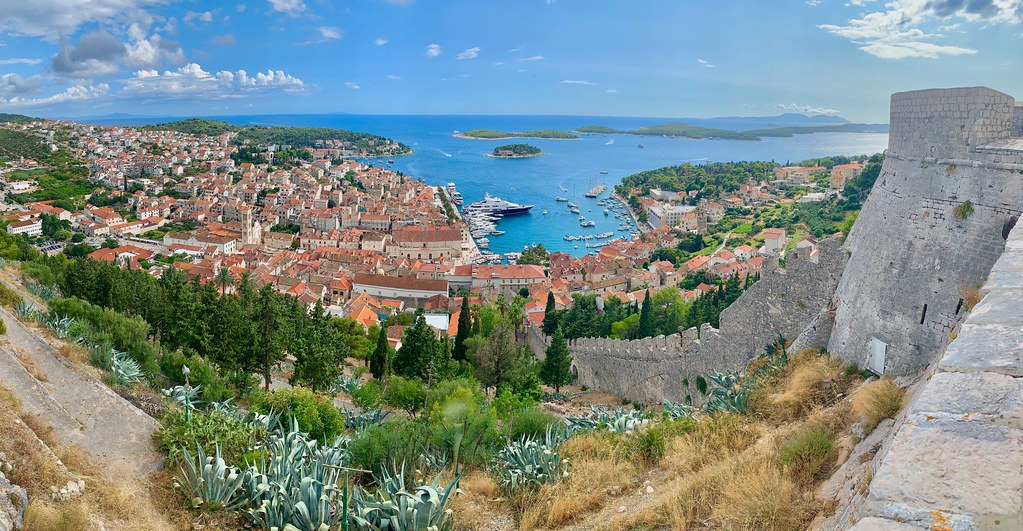
Croatia’s cities are a showcase of history. Dubrovnik has its famous walls, Split is built around a Roman palace and Zagreb has a lively, cafe-lined center. Smaller gems like Trogir, Sibenik and Rovinj add even more charm. They are beautiful but, in peak season, they can feel crowded.
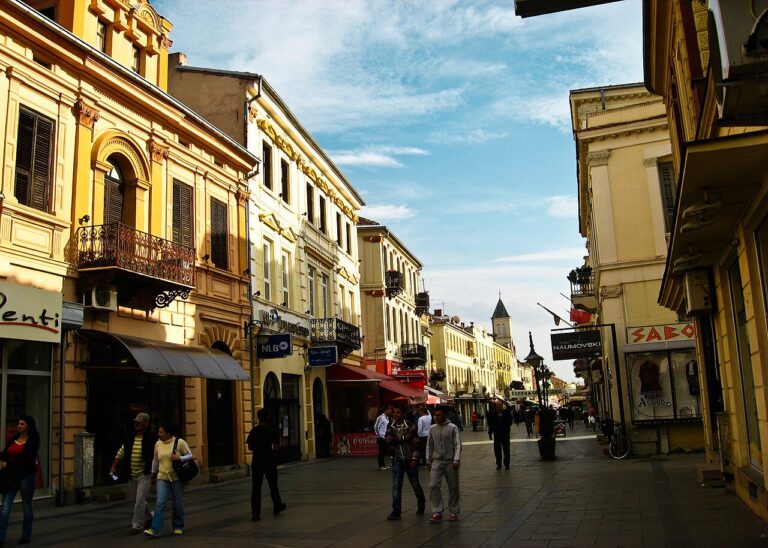
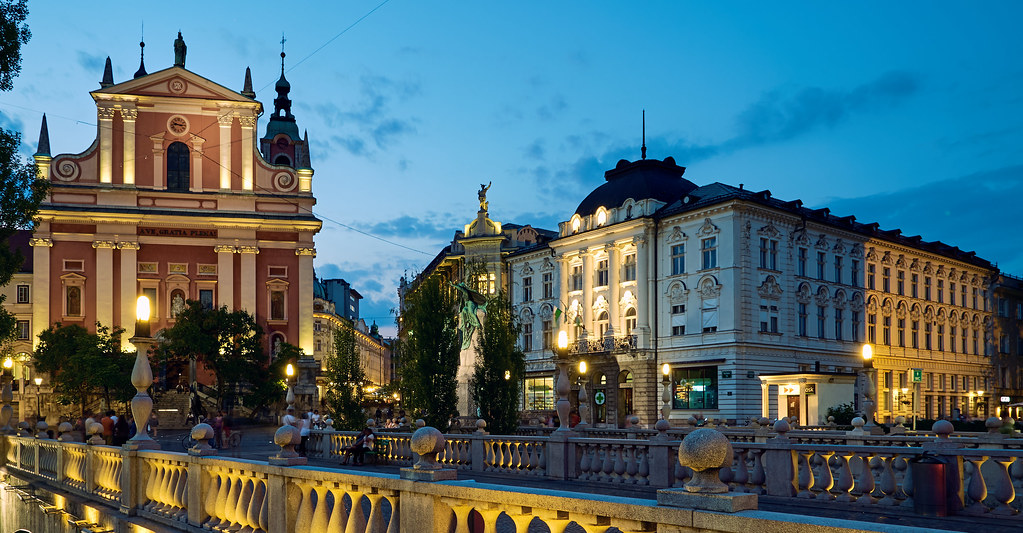
Slovenia’s capital, Ljubljana, is one of the most pleasant small capitals in Europe. It is compact, car-light and full of riverside terraces, bridges and a hilltop castle. Beyond it, the towns are small and quiet, which many travelers find refreshing.
Our take: Croatia has more historic wow. Slovenia has more relaxed, livable charm.
Food and Drink
Both countries eat well, and both are serious about wine. Croatian cuisine leans Mediterranean on the coast, with grilled fish, black risotto, olive oil and fresh seafood, and more Central European inland, with hearty stews and grilled meats. Istria adds truffles and excellent wine, covered in our Istria food and wine guide.
Slovenian food blends Alpine, Italian and Central European influences. Expect homemade pasta-like dishes, rich soups, local cheeses, honey and a fast-growing farm-to-table scene. Wine is a source of national pride, and the country’s small producers are often very good.
Our take: Seafood lovers lean Croatia. Those who want regional variety and a farm-to-table feel lean Slovenia. It is close to a tie.
Costs: Which Is Cheaper?
In our experience, Slovenia tends to be a little easier on the wallet outside peak season, while Croatia’s coast, especially Dubrovnik, Hvar and Split in July and August, can be expensive. That said, both countries use the euro, and both offer a wide range of prices if you choose carefully. Eating where locals eat and traveling in the shoulder season saves a lot in either place.
For detailed numbers, see our guides on how much a trip to Croatia costs and how much a trip to Slovenia costs.
Our take: Slovenia is often slightly cheaper overall, but Croatia has more budget-friendly options inland and outside summer.
Crowds and Seasons
Croatia’s summer crowds are real. Cruise ships, ferries and tour groups concentrate in the most famous places, and July and August can feel hectic. Slovenia has fewer visitors overall, though Lake Bled gets busy on summer days. In both countries, the shoulder seasons of May, June and September are wonderful, with warm weather and smaller crowds.
Our month-by-month posts will help: best time to visit Croatia and best time to visit Slovenia.
Our take: Slovenia is the calmer choice. Croatia is more seasonal and sometimes crowded.
Getting Around
Slovenia is small and easy: you can drive from the Alps to the coast in about two hours, roads are excellent and distances are short. Public transport is decent, though a car gives you the most freedom in the mountains. Croatia is longer and more spread out. The coastal highway is scenic, ferries link the islands and buses are frequent, but travel times add up.
If you want a road trip, our Slovenia road trip itinerary is easy to follow, and our Croatia island hopping itinerary shows how to piece together ferries and stays.
Our take: Slovenia is simpler to navigate. Croatia is worth the extra logistics.
Activities and Adventure
Slovenia is an outdoor playground: hiking, canyoning, rafting, cycling and caving are all easy to book. Visit Postojna Cave and Predjama Castle, hike in Triglav National Park and kayak the Soca River. Our Postojna Cave and Predjama Castle guide is a good place to start.
Croatia offers sea kayaking, sailing, island boat tours, diving, cycling and national park hikes. It also has an excellent summer festival and nightlife scene, especially on the islands.
Our take: Slovenia for mountain adventure, Croatia for water-based fun.
A Taste of Each Trip: Sample Itineraries
If you only have a week, here is how we would split it. For Croatia, fly into Split, spend two nights exploring Diocletian’s Palace, take a ferry to Hvar or Brac for three nights of swimming and slow dinners, then finish with a day trip to Krka National Park. For Slovenia, fly into Ljubljana, spend a night in the capital, then base yourself near Lake Bled or Lake Bohinj for three nights of hiking, rowing and cave visits, and finish with a night in Piran on the coast.
Both weeks are full without being frantic, and neither requires an early alarm every morning. If you have ten days or more, the combined route works beautifully: start in Ljubljana, move through the Alps, cross to Istria and end with a few beach days on the Dalmatian coast.
Language, Safety and Practical Comfort
English is widely spoken in both countries, especially in tourist areas and among younger people, so communicating is rarely a problem. Both are considered very safe for visitors, with low rates of violent crime, though pickpockets exist in crowded places like Dubrovnik’s old town in high season. Slovenia often feels the more orderly of the two, with punctual trains, clean streets and a strong culture of recycling and outdoor care. Croatia feels a little more spontaneous and lively, which is part of its charm.
Both countries use the euro, so you will not need to exchange currency, and both are part of the Schengen Area. Mobile data is easy to arrange with a local SIM or an eSIM, and coverage is good in most places you will want to visit.
Our Honest Verdict
If we could only choose one, it would depend on the month. In July we would pick Slovenia for its cool lakes and mountain air. In September we would pick Croatia for warm seas and golden light on the old stone towns. That is the real answer to this question: both are excellent, and the best choice depends on the season, the kind of rest you need and how much you love a good swim.
Who Should Choose Which?
- Couples and honeymooners: Either works. Croatia for romance by the sea, Slovenia for cozy lakeside stays.
- Families: Both are family-friendly. Croatia has beaches and boat days, Slovenia has caves, castles and easy outdoor activities.
- Hikers and nature lovers: Slovenia.
- Beach lovers and sailors: Croatia.
- First-time Europe visitors: Croatia for the wow factor, Slovenia for an easy introduction.
- Travelers who dislike crowds: Slovenia, or Croatia in the shoulder season.
Can You Visit Both?
Yes, and we recommend it if you have the time. A simple route is to fly into Ljubljana, spend three or four days in the Slovenian lakes and caves, then continue to Istria and the Croatian coast, finishing in Split or Dubrovnik. The drive between Ljubljana and Istria takes roughly two hours, which makes the pairing smooth. With ten to fourteen days, you can enjoy mountains and sea without feeling rushed.
If you are building a bigger Balkan trip, our comparison of Croatia vs Montenegro will help you decide where to go next.
Planning Tips for Both Countries
- Book early for summer. Coastal Croatia and Lake Bled fill up months in advance.
- Rent a car in Slovenia, but consider ferries and buses for Croatian islands.
- Check border and entry rules before you go, as requirements can change.
- Carry some cash, though cards are widely accepted.
- Buy travel insurance, especially if you plan adventure activities. Our best travel insurance for Europe guide explains what to look for.
For step-by-step planning help, read our how to plan a trip to Croatia and how to plan a trip to Slovenia posts.
Where to Book
We use Booking.com for nearly all of our stays in both countries, from island guesthouses in Croatia to lakeside rooms in Slovenia. Search Croatia stays on Booking.com or search Slovenia stays on Booking.com.
For tours and day trips, Viator offers everything from Dubrovnik walking tours and island boat trips to Postojna Cave tickets and Bled day trips from Ljubljana. Browse Croatia tours on Viator or browse Slovenia tours on Viator.
Final Thoughts
Croatia vs Slovenia is really a question of what kind of trip you want. Croatia is the glamorous coastal classic with sun, sea and old stone towns. Slovenia is the quiet overachiever, with mountains, lakes and an easy, welcoming pace. We love them both, and if you can, we think you should see them together.
Still deciding? Read our Croatia vs Montenegro comparison, our Slovenia road trip itinerary or our Dubrovnik travel guide.