Disclosure: This post contains affiliate links. If you book through our links, we may earn a small commission at no extra cost to you. Thanks for supporting Faceted Travel!
Table of Contents
- Why Visit Bitola?
- A Very Short History of Bitola
- The Best Things to Do in Bitola
- Day Trips from Bitola
- Where to Eat and Drink in Bitola
- Where to Stay in Bitola
- How to Get to Bitola
- How Much Time Do You Need in Bitola?
- Best Time to Visit Bitola
- Practical Tips for Visiting Bitola
- Is Bitola Worth Visiting?
- Where to Book
- Final Thoughts
We rolled into Bitola expecting a quick lunch stop between Ohrid and the wine country. Instead we stayed three nights, spent every evening people-watching on the same pedestrian street, and left wishing we had booked a fourth.
Bitola is North Macedonia’s second city, but it feels nothing like the capital. Where Skopje is loud and a little theatrical, Bitola is graceful: pastel 19th-century facades, a lively cafe culture, an Ottoman bazaar that still works like a bazaar, and a 2,400-year-old ancient city on the edge of town. Add a national park with glacial lakes 20 minutes away and you have one of the most underrated stops in the Balkans. Here is everything you need to plan your visit.
Why Visit Bitola?
Most visitors to North Macedonia do Skopje and Ohrid and go home. That is a shame, because Bitola rounds out the picture of the country in a way neither of those places can.
- It is beautiful and walkable. The center is compact, flat and full of restored mansions from the era when Bitola was known as the “city of consuls,” home to a dozen foreign consulates.
- Heraclea Lyncestis. An ancient city founded by Philip II of Macedon, with some of the finest floor mosaics in the Balkans.
- Real everyday life. Bitola is a working city, not a resort. Prices are local, cafes are full of locals, and you will rarely hear another American accent.
- Pelister National Park. The oldest national park in the country sits right above town, with hiking, mountain villages and fresh air.
- It is easy to add. Bitola is only about an hour and fifteen minutes from Ohrid, so it slots neatly into almost any North Macedonia route.
If you are still putting your route together, start with our guide on how to plan a trip to North Macedonia, then come back here for the details.
A Very Short History of Bitola
Bitola has been an important crossroads for more than two thousand years. The ancient Via Egnatia, the Roman road linking the Adriatic to Constantinople, passed nearby, and Heraclea Lyncestis grew up along it. Under the Ottomans the city, then called Manastir, became one of the most important administrative and military centers in the southern Balkans.
By the late 1800s it was cosmopolitan and wealthy. Consulates from across Europe opened here, merchants built grand townhouses, and the city picked up a European polish you can still see on its main street. A young Mustafa Kemal, later Ataturk, studied at the military academy here, and the building now houses a museum with a room dedicated to him. That layered history, Ancient Macedonian, Roman, Byzantine, Ottoman and European, is exactly what makes Bitola so rewarding to wander.
The Best Things to Do in Bitola
Stroll Sirok Sokak
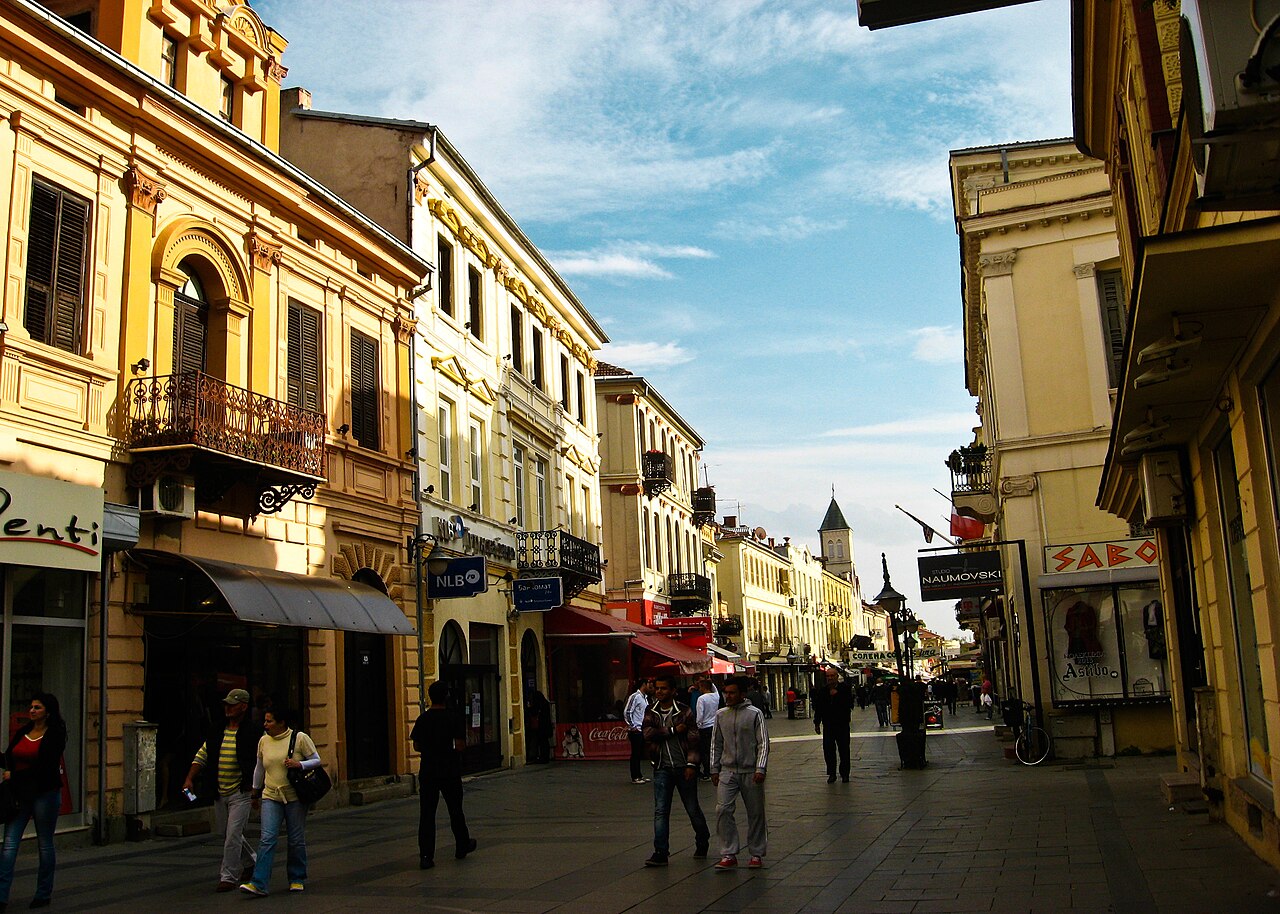
Sirok Sokak, literally “wide street,” is the heart of Bitola and the best free entertainment in the city. This long pedestrian boulevard is lined with pastel neoclassical buildings, many of them former consulates and merchant homes, and nearly every ground floor is a cafe or bar with tables spilling onto the street.
The ritual here is the evening walk. Around sunset it seems like the whole city comes out to stroll, greet friends and settle in for a coffee or a glass of local wine. Grab a table, order a macchiato for well under two dollars, and watch the show. We did this every single night and never got tired of it.
Explore Heraclea Lyncestis
Just a couple of miles south of the center, Heraclea Lyncestis is the main reason many travelers come to Bitola, and it deserves at least two hours. Founded in the 4th century BC by Philip II, father of Alexander the Great, the city flourished under the Romans and later became an early Christian bishopric.
Highlights include:
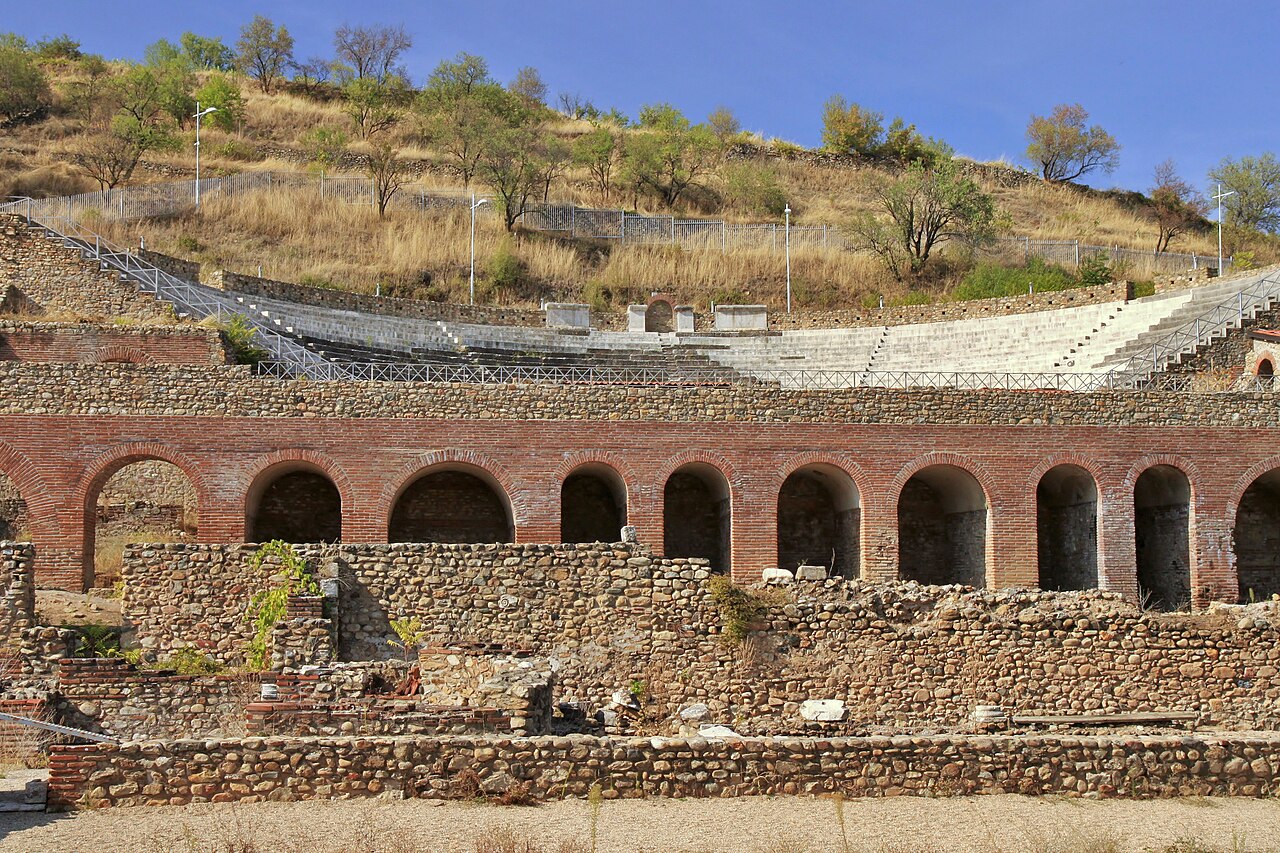
- The mosaics. The floor of the Great Basilica is covered in stunning early Christian mosaics showing trees, birds, deer, lions and other animals, often read as a picture of creation and paradise. The colors are still remarkably vivid. Some sections are protected under covers during the colder months, so summer and early fall give you the best chance to see them fully uncovered.
- The Roman theater. A partly restored theater that is still used for summer concerts and performances.
- The baths, portico and episcopal residence. Enough remains to give you a real sense of the city’s layout.
It is a peaceful, uncrowded site. On our visit we shared it with maybe ten other people. You can walk from the center in about 30 minutes or take a taxi for a few dollars. Bring water and a hat, because shade is limited.
Wander the Old Bazaar
North of the river, Bitola’s Old Bazaar (Stara Carsija) is a maze of lanes lined with small shops selling everything from spices and cheese to shoes and gold jewelry. At its center is the Bezisten, a covered market hall dating back to the Ottoman era.
Unlike some bazaars in the region, this one still mostly serves locals, which is exactly why we loved it. It is a good place to pick up ajvar (the red pepper spread you will see everywhere), local honey or a bag of dried herbs for tea.
See the Mosques and the Clock Tower
The Ottoman legacy is easy to spot. Near the bazaar you will find the Yeni Mosque and the Isak Mosque, two handsome 16th-century mosques, and the elegant Clock Tower rising over a small park at the end of Sirok Sokak. Nearby, the Church of St. Demetrius looks plain from outside but has a richly carved iconostasis and chandeliers inside. It is a lovely example of how closely the city’s communities have always lived together.
Visit the Bitola Museum
Housed in the former military academy, the Institute and Museum of Bitola covers the region from prehistory through the 20th century and includes the memorial room to Ataturk. It is small, inexpensive and a good rainy-day option.
Day Trips from Bitola
Pelister National Park
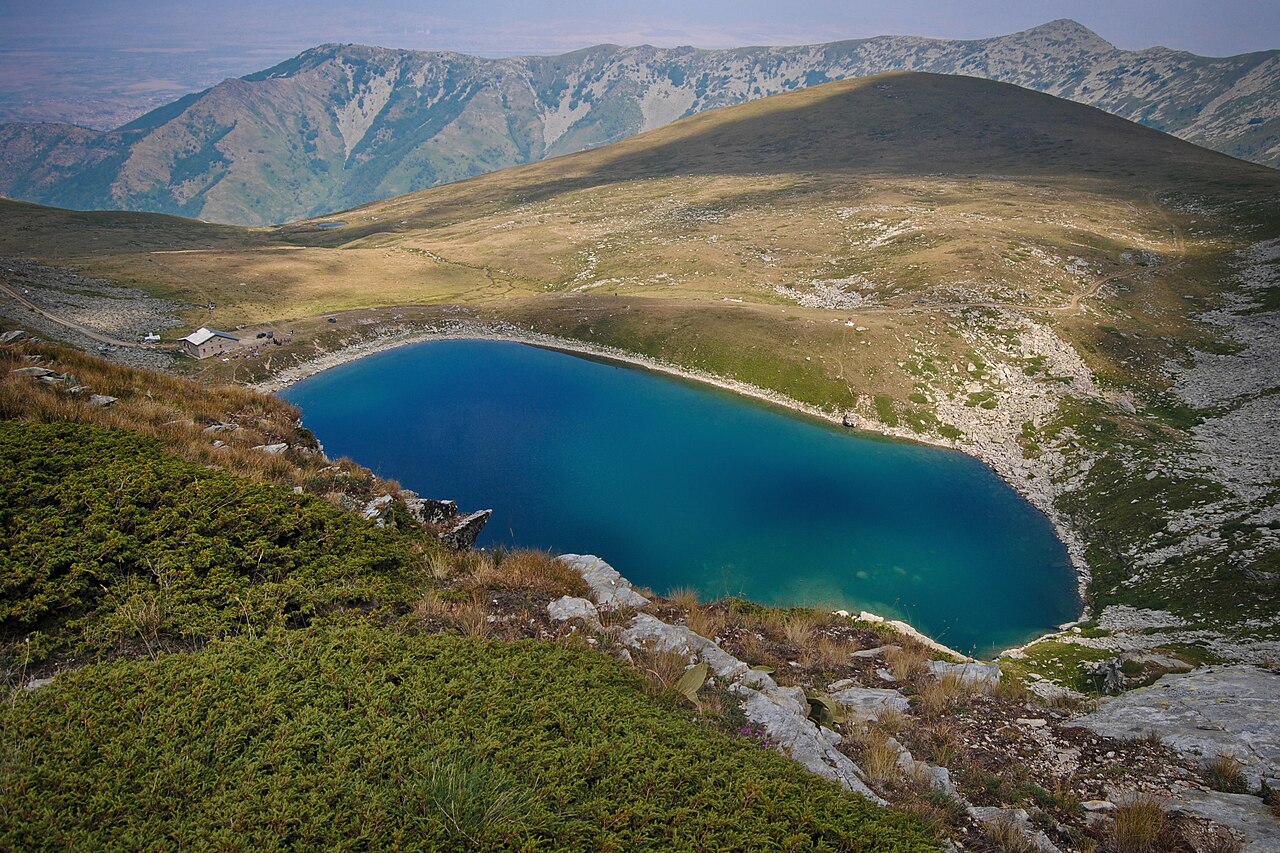
Established in 1948, Pelister is the oldest national park in North Macedonia, and it starts just a few miles from town. The mountain is famous for the rare Molika pine, a five-needle pine found only in a small corner of the Balkans, and for two glacial lakes near the summit known locally as “Pelister’s Eyes.”
You don’t need to be a serious hiker to enjoy it. A short drive takes you up to trailheads, lodges and the charming village of Dihovo, where guesthouses serve home-cooked meals and homemade rakija. Stronger hikers can tackle the full-day route to the lakes and the 8,500-foot summit area. Go between late June and September for the best trail conditions.
Lake Prespa
About 45 minutes west, Lake Prespa is the quieter, wilder sibling of Lake Ohrid. It straddles the borders of North Macedonia, Albania and Greece and is known for birdlife, fishing villages and apple orchards around Resen. It makes a scenic stop if you are driving between Bitola and Ohrid.
Heading On to Ohrid
Bitola and Ohrid pair beautifully. The drive takes around an hour and fifteen minutes over the mountains, and buses run several times a day. Our Ohrid travel guide covers the lake, churches and old town in detail.
Where to Eat and Drink in Bitola
Bitola is a great food city, and prices are among the lowest we have seen in Europe. A generous dinner for two with wine often came to $20 to $30.
- Try tavce gravce. North Macedonia’s national dish of baked beans in a clay pot. Simple and delicious.
- Order a Shopska salad. Tomatoes, cucumbers, onion and grated white cheese. You will eat one with every meal.
- Look for pastrmajlija. A boat-shaped flatbread topped with meat, sometimes called Macedonian pizza. It is a regional specialty.
- Drink local. Bitola is close to several wine regions, so order a glass of Vranec, the country’s signature red grape.
- Stop for burek. Flaky pastry filled with cheese or meat, best eaten warm in the morning with drinkable yogurt.
Our best advice: skip the busiest terraces on Sirok Sokak for dinner, walk a block or two off the main street, and look for small grills and family taverns where locals are eating.
Where to Stay in Bitola
Bitola is small enough that anywhere central works. We recommend staying within a few minutes’ walk of Sirok Sokak so you can enjoy the evening stroll without worrying about getting back.
- Central boutique hotels. Several restored townhouses near Sirok Sokak have been turned into small hotels with plenty of character.
- Apartments. Great value for longer stays or families, often with a kitchen and balcony.
- Guesthouses in Dihovo. If you prefer nature and quiet, stay up the hill near Pelister and drive into town for dinner.
Expect to pay roughly $40 to $90 a night for a comfortable double in the center, even in summer.
How to Get to Bitola
- From Ohrid. About 70 km, or around an hour and fifteen minutes by car. Buses run several times a day.
- From Skopje. Roughly three hours by car or bus. There is also a slow train, but the bus is usually faster and more convenient.
- From Greece. The Medzitlija border crossing is about 15 minutes south of town, and Thessaloniki is a few hours’ drive away, which makes Bitola a handy first or last stop on a combined trip.
- By car. Driving is the easiest way to see Bitola, Pelister and Prespa together. Roads are generally good, and parking near the center is affordable.
How Much Time Do You Need in Bitola?
- One day covers Sirok Sokak, the bazaar and Heraclea.
- Two days lets you add Pelister National Park or Lake Prespa at a relaxed pace.
- Three days is ideal if you like to slow down, and it makes Bitola a comfortable base for the south of the country.
Best Time to Visit Bitola
Late May through June and September through early October are the sweet spots. Days are warm, the cafe terraces are buzzing, and Pelister’s trails are open.
July and August are hot, often reaching the 90s F, but evenings on Sirok Sokak are at their most lively. Bitola also hosts summer festivals, including a well-known international film festival for cinematographers, so check the calendar before you book.
Winter is cold and quiet, but Pelister gets snow and there is a small ski area. Heraclea’s mosaics may be covered for protection, so time your visit for the warmer months if they are a priority.
Practical Tips for Visiting Bitola
- Carry some cash. Cards are accepted in most hotels and restaurants, but small shops, bakeries and taxis often prefer denars.
- Taxis are cheap. Short rides around town cost just a few dollars. Agree on the fare or make sure the meter is running.
- Dress modestly for churches and mosques. Cover shoulders and knees, and remove shoes before entering a mosque.
- Learn a few words. “Zdravo” (hello) and “blagodaram” (thank you) go a long way.
- Get travel insurance. Especially if you plan to hike in Pelister. See our picks for the best travel insurance.
- Pair it with Albania. Bitola works well on a bigger Balkans loop. Our Albania road trip itinerary picks up just across the border from Ohrid.
Is Bitola Worth Visiting?
Yes, without hesitation. Bitola is the place in North Macedonia where we felt most like we were simply living in the country rather than touring it. It does not have one headline sight that stops you in your tracks the way Lake Ohrid does. What it has instead is atmosphere: long evenings on Sirok Sokak, a bazaar full of real shoppers, and an ancient city you can have almost to yourself.
If you have a week in North Macedonia, give Bitola at least two nights. If you only have four or five days, it still makes a rewarding stop on the way between Ohrid and the wine country or Greece.
Where to Book
We use Booking.com for nearly every stay in the Balkans, and Bitola has a good range of boutique hotels, apartments and mountain guesthouses at very fair prices. Search Bitola stays on Booking.com.
If you would rather have a guide bring Heraclea and the region to life, Viator has small-group and private tours covering Bitola, Heraclea, Pelister and day trips from Ohrid, many with free cancellation. Browse Bitola tours on Viator.
Final Thoughts
Bitola surprised us in the best possible way. It is graceful, affordable and deeply lived-in, with a 2,400-year-old city on its doorstep and mountain lakes in its backyard. Give it more time than you think you need. You will spend most of it on Sirok Sokak with a coffee in hand, and that is exactly the point.
Planning more of North Macedonia? Read our Skopje travel guide, spend a morning in Matka Canyon, or relax by the water with our Ohrid travel guide.