Disclosure: This post contains affiliate links. If you book through our links, we may earn a small commission at no extra cost to you. Thanks for supporting Faceted Travel!
Table of Contents
- Why Visit North Macedonia?
- The Best Places to Visit in North Macedonia
- Step 1: Decide When to Go
- Step 2: Decide How Long to Stay
- Step 3: Check Entry Requirements
- Step 4: Figure Out How to Get There
- Step 5: Choose How to Get Around
- Step 6: Pick Your Itinerary
- Step 7: Decide Where to Stay
- Step 8: Set Your Budget
- Step 9: Learn a Few Basics
- Step 10: Stay Safe and Insured
- Our Top Tips for Planning a North Macedonia Trip
- Where to Book
- Final Thoughts
North Macedonia was the country we almost skipped. It ended up being the one we talk about most. In a single week we swam in one of the oldest lakes in Europe, drank excellent red wine for a few dollars a glass, wandered an Ottoman bazaar and stood in Roman ruins with nobody else around.
If you are thinking about a trip, this guide is for you. We cover when to go, how long to stay, how to get there and get around, sample itineraries, what it costs, and the practical details that make everything easier. It is exactly what we wish we had read before our own trip to North Macedonia.
Why Visit North Macedonia?
North Macedonia is small, landlocked and still flying under the radar for most American travelers. That is a big part of the appeal. Here is what makes it worth planning a trip around:
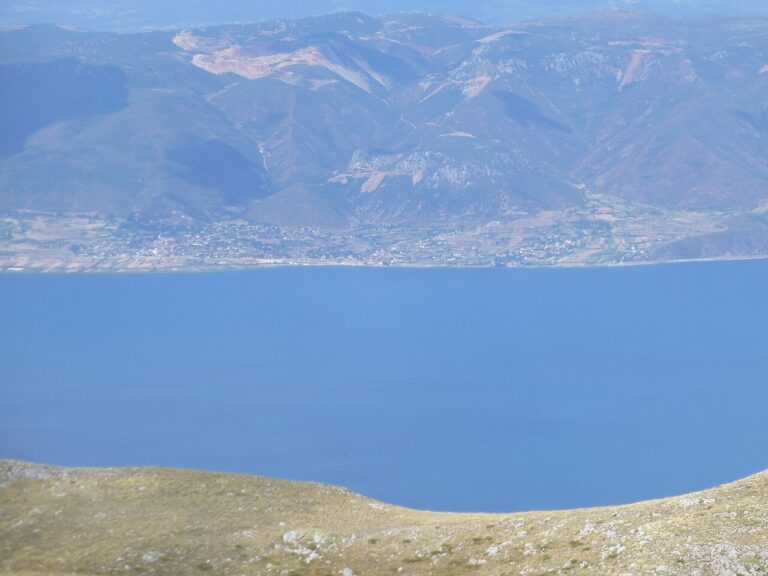
- Lake Ohrid. A UNESCO World Heritage Site with crystal clear water and a lovely old town. Our Ohrid travel guide covers it in detail.
- A quirky capital. Skopje mixes a centuries-old Ottoman bazaar with a center full of giant statues. It is unlike anywhere else.
- Nature close to everything. Canyons, national parks and mountains are rarely more than an hour or two away.
- Wine. The Tikves region produces great wines, especially from the local Vranec grape, at very low prices.
- Value. It is one of the most affordable countries in Europe, even in peak season.
- Easy pairing. It borders Albania, Kosovo, Serbia, Bulgaria and Greece, so it slots neatly into a bigger Balkans trip.
The Best Places to Visit in North Macedonia
Before you pick dates, it helps to know what is on the menu. These are the places we think belong on a first trip:
- Skopje. The capital and main airport, with the Old Bazaar, Kale Fortress, the Stone Bridge and Mount Vodno.
- Matka Canyon. A green, cliff-lined canyon with boat trips, kayaking and medieval monasteries, less than half an hour from Skopje.
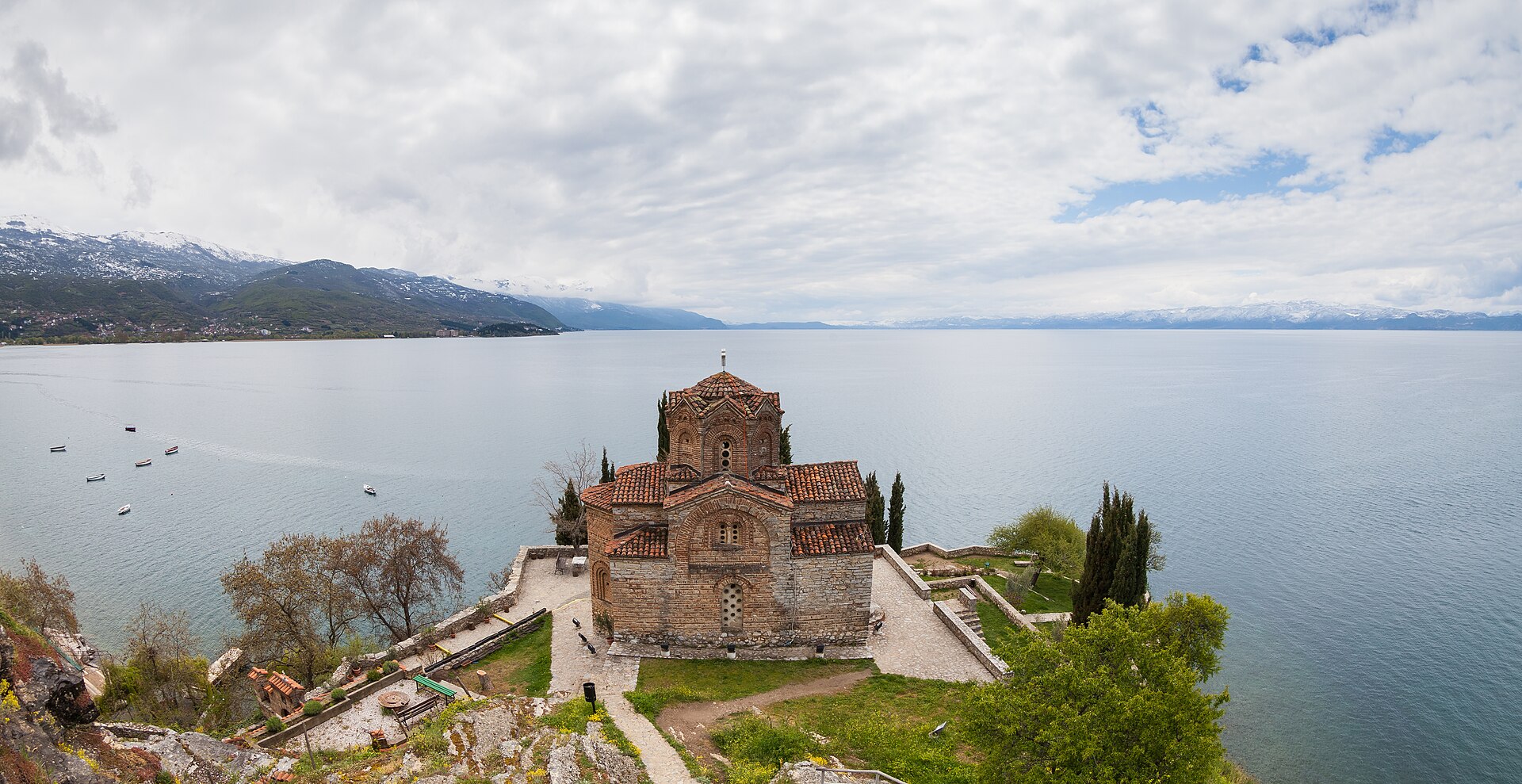
- Ohrid. The star of the country. A lakeside old town full of churches, with swimming, boat trips and sunsets you will remember.
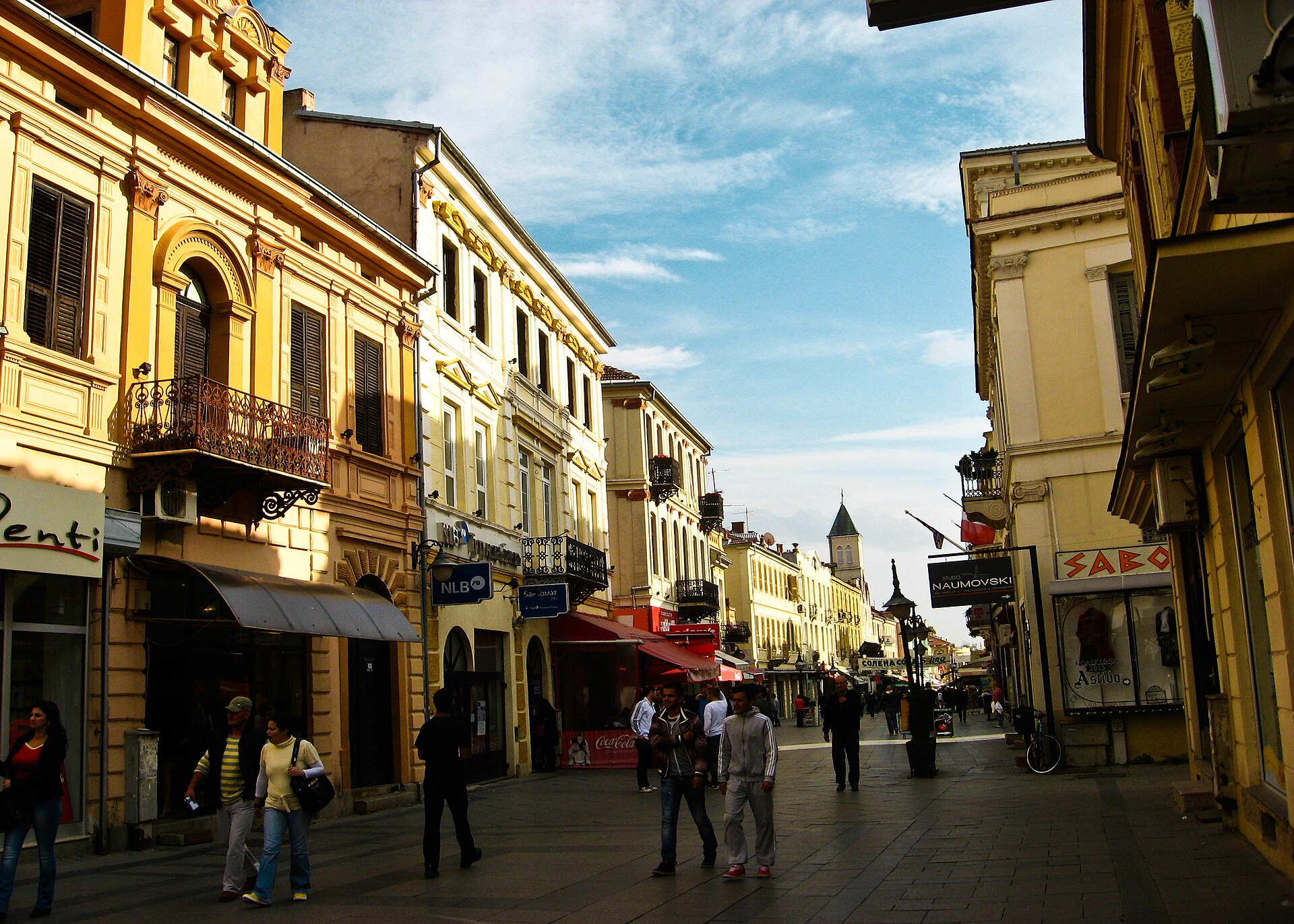
- Bitola. An elegant old city with a lively pedestrian street, Ottoman and 19th-century architecture, and the ruins of Heraclea Lyncestis just outside town.
- Tikves wine region. Rolling vineyards around Kavadarci and Negotino with wineries that welcome visitors for tastings.
- Stobi. A large Roman and early Christian archaeological site right off the main highway, with mosaics and a theater.
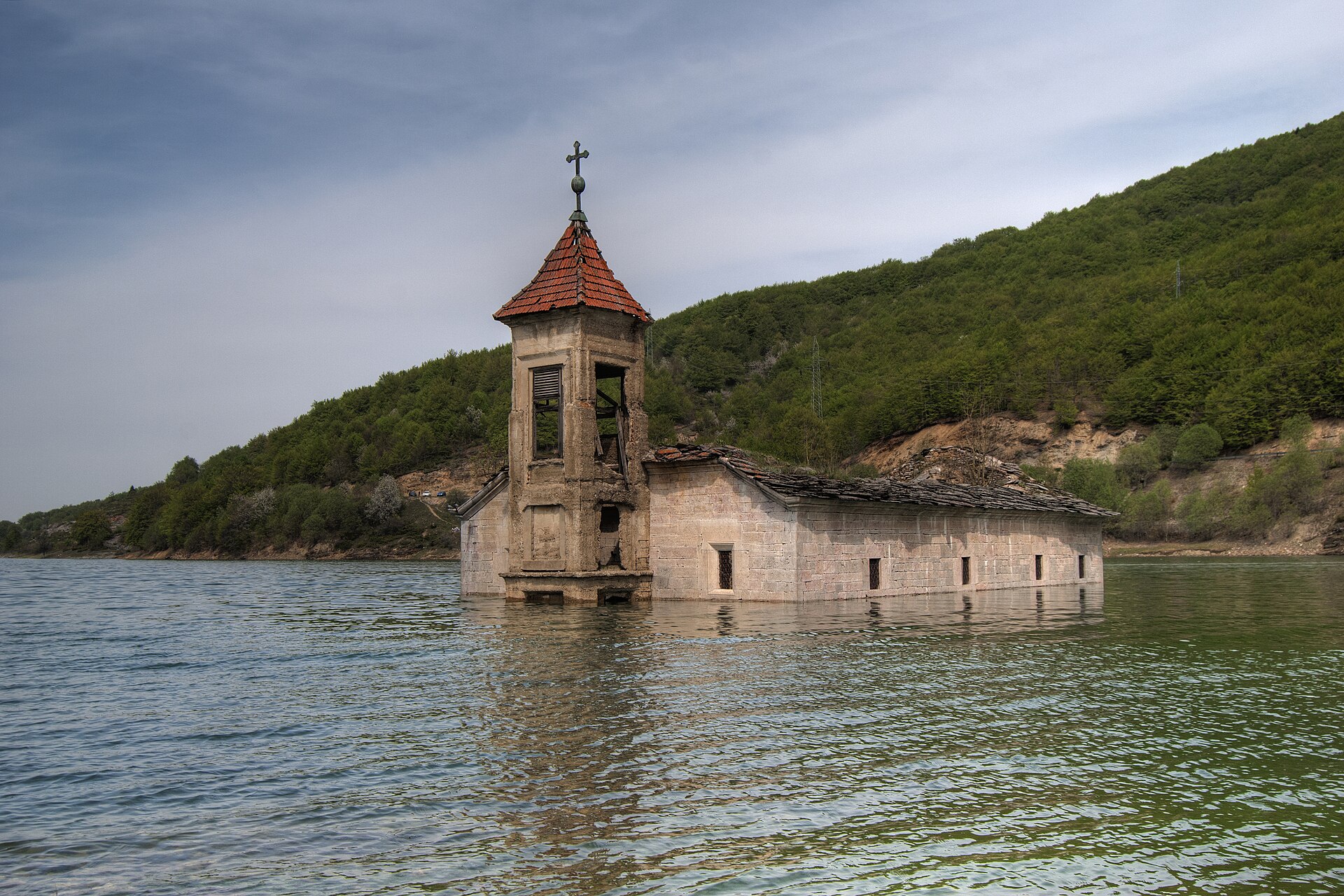
- Mavrovo National Park. Mountains, forests and a lake with a half-submerged church that is one of the most photographed sights in the country.
- Krusevo. One of the highest towns in the Balkans, with old stone houses and big mountain views.
- Kratovo. A tiny town built inside the crater of an extinct volcano, crossed by medieval stone bridges.
You won’t fit all of these into one trip, and that is fine. Pick the few that match your style, then build your route around Skopje and Ohrid.
Step 1: Decide When to Go
Late May to June and September to early October are the sweet spots. Temperatures are warm, Lake Ohrid is swimmable by late June, and the crowds are light.
July and August are peak season around Ohrid, when visitors from across the region flock to the lake. It is lively and fun, but book accommodation early. Inland cities like Skopje can be very hot, often topping 95 F.
Winter is cold, especially in the mountains, but it is a good time for skiing at Mavrovo or Popova Sapka, and prices are at their lowest. Some lakeside businesses in Ohrid close or shorten hours between November and March.
Step 2: Decide How Long to Stay
- 3 to 4 days. Enough for Skopje and Ohrid, with a quick stop at Matka Canyon.
- 7 days. The ideal first trip. Add Bitola, the wine country and a slower pace at the lake.
- 10 days or more. Time for Mavrovo National Park, smaller towns like Krusevo and Kratovo, or a combined trip with Albania.
Step 3: Check Entry Requirements
US citizens can currently visit North Macedonia visa-free for up to 90 days within a 180-day period. Your passport should be valid for the length of your stay, and many travelers aim for at least three months beyond their departure date to be safe. North Macedonia is not part of the Schengen Area, so days spent here don’t count toward your Schengen limit, which makes it a handy stop on a longer Europe trip. Always check the latest official rules before you travel.
Step 4: Figure Out How to Get There
Flying In
There are two international airports:
- Skopje International Airport (SKP). The main gateway, with the most routes. Wizz Air has a base here, so there are many cheap flights from around Europe.
- Ohrid St. Paul the Apostle Airport (OHD). Smaller, with mostly seasonal flights. Very convenient if you can find a route that works.
There are no nonstop flights from the US. Most Americans connect through Istanbul, Vienna, Frankfurt or another European hub. Another popular option is to fly into Tirana or Thessaloniki and cross overland.
Arriving Overland
Buses link Skopje and Ohrid with Tirana, Pristina, Sofia, Belgrade and Thessaloniki. If you are coming from Albania, Ohrid is only about three hours from Tirana, which makes it an easy add-on to our Albania road trip itinerary.
Step 5: Choose How to Get Around
Rental car. This is our top pick. Roads between the main towns are generally good, the highways are uncrowded, and a car lets you reach monasteries, wineries and national parks that are hard to reach otherwise. If you are crossing borders, confirm your rental company allows it and that you have the correct insurance documents.
Buses. Intercity buses are cheap and frequent between Skopje, Ohrid and Bitola. They are slower than driving and less useful for rural sights, but perfectly fine for a city-to-city trip.
Taxis. Inexpensive in every city. Use registered companies or ask your hotel to call one.
Trains. The rail network is limited and slow. We would not plan a trip around it.
Step 6: Pick Your Itinerary
4 Days: Skopje and Ohrid
- Day 1: Arrive in Skopje. Walk Macedonia Square, the Stone Bridge and the Old Bazaar.
- Day 2: Morning at Matka Canyon, afternoon at Kale Fortress or Mount Vodno. Evening dinner in Debar Maalo.
- Day 3: Travel to Ohrid (about three hours). Explore the old town, Samuel’s Fortress and the Church of St. John at Kaneo at sunset.
- Day 4: Boat trip or drive to St. Naum Monastery and the springs of the Black Drim. Swim in the lake.
7 Days: The Classic First Trip
- Days 1 and 2: Skopje and Matka Canyon. See our Skopje travel guide for the full list of things to do.
- Day 3: Drive south with stops at the Roman ruins of Stobi and a winery tasting in the Tikves region. Overnight near Kavadarci or continue on.
- Day 4: Bitola. Walk the Sirok Sokak pedestrian street and visit the ancient city of Heraclea Lyncestis, known for its mosaics.
- Days 5 to 7: Ohrid. Slow down, swim, take a boat to St. Naum, and consider a day trip to Lake Prespa or Galicica National Park, the mountain range between the two lakes.
10 Days: North Macedonia Plus Albania
Follow the 7-day route, then cross the border from Ohrid to Albania. Head to Korca or down to Berat and Gjirokaster before finishing on the coast. If you want to spend longer in Albania, our guide on how to plan a trip to Albania has everything you need.
Step 7: Decide Where to Stay
- Skopje. Stay near Macedonia Square for convenience or in Debar Maalo for restaurants and a local feel.
- Ohrid. The old town is the most atmospheric but hilly. Lakeside hotels a little outside town have easier parking and water access.
- Bitola. Anywhere near Sirok Sokak puts you in the middle of the action.
- Tikves wine region. A few wineries have guesthouses or hotels, which lets you enjoy a proper tasting without driving afterward.
Guesthouses and small family-run hotels are the heart of travel here, and they are often cheaper and warmer than chain hotels.
Step 8: Set Your Budget
North Macedonia uses the Macedonian denar (MKD). Prices are some of the lowest in Europe. Here is a rough daily budget per person for 2026, assuming two people traveling together:
| Travel style | Per person per day | What it gets you |
|---|---|---|
| Budget | $40 to $60 | Guesthouses, buses, casual meals, free sights |
| Mid-range | $80 to $130 | Nice hotels, a rental car split two ways, sit-down dinners with wine, a few tours |
| Comfort | $150 and up | Top hotels and lakefront rooms, private tours, winery stays |
A few sample prices to give you a feel: a traditional dinner with wine often runs $10 to $20 per person, a bus from Skopje to Ohrid is usually under $15, and most churches and museums charge only a few dollars.
Cards work in most hotels and restaurants in the cities, but carry cash for small cafes, markets, boat trips and rural areas. ATMs are easy to find.
Step 9: Learn a Few Basics
- Language. Macedonian is written in Cyrillic. In the west of the country you will also hear Albanian. English is common among younger people and in tourist areas. A simple “blagodaram” (thank you) goes a long way.
- Money. The currency is the denar. Euros are sometimes accepted in tourist areas, but you will get better value paying in denars.
- Food. Try tavce gravce (baked beans), Shopska salad, ajvar, burek, and Ohrid trout (farmed or from other lakes, since the native trout is protected).
- Etiquette. Dress modestly in churches and mosques. Tipping about 10 percent in restaurants is appreciated.
- Power. Outlets are the European two-pin type (Type C and F), 230V.
Step 10: Stay Safe and Insured
North Macedonia is generally a safe and relaxed country to travel in. Petty crime exists, as it does anywhere, so use common sense in busy areas. The bigger risks are practical: winding mountain roads, stray dogs in some rural areas, and summer heat. Drive carefully, carry water, and make sure you have good travel insurance before you go. If you are also visiting Albania, our honest guide to whether Albania is safe covers that side of the border.
Our Top Tips for Planning a North Macedonia Trip
- Don’t treat Skopje as just an airport. Give it at least one full day.
- Book Ohrid early for July and August. Lake-view rooms go fast.
- Rent a car if you can. It unlocks Stobi, the wineries, Mavrovo and small monasteries.
- Carry cash. Especially for boats, markets and small guesthouses.
- Pair it with a neighbor. Albania is the easiest combination, and we compare the region’s other big players in Albania vs Croatia if you are still deciding on a route.
- Slow down. The best moments here are long lunches, lake swims and conversations with guesthouse owners.
Where to Book
For hotels, guesthouses and lakeside rooms across North Macedonia, we use Booking.com. Look for free cancellation and, in Ohrid, a lake view balcony. Search Skopje stays on Booking.com or search Ohrid stays on Booking.com.
For Matka Canyon trips, winery tours, Ohrid boat trips and multi-day tours, Viator has well-reviewed options, many with free cancellation. Browse North Macedonia tours on Viator.
Final Thoughts
North Macedonia rewards travelers who give it a chance. It is small enough to see a lot in a week, affordable enough to travel comfortably, and still quiet enough to feel like a discovery. Start in Skopje, finish at Lake Ohrid, and leave room in between for wine, ruins and long lunches. We think you will love it as much as we did.
Keep planning with our Skopje travel guide, our Matka Canyon guide, and our Ohrid travel guide.