Disclosure: This post contains affiliate links. If you book through our links, we may earn a small commission at no extra cost to you. Thanks for supporting Faceted Travel!
Table of Contents
- Albania vs Croatia at a Glance
- Cost: Albania Wins by a Mile
- Beaches: It Depends What You Love
- Crowds and Tourism
- History and Old Towns
- Nature and Adventure
- Food and Drink
- Ease of Travel
- Entry Requirements
- Best Time to Visit Each
- Which Is Better for Couples, Families and Solo Travelers?
- Who Should Choose Albania?
- Who Should Choose Croatia?
- Can You Do Both?
- Where to Book
- Our Verdict
Croatia is the Adriatic superstar everyone has heard of. Albania is the neighbor down the coast that travelers keep whispering about as “the new Croatia.” We have spent real time in both, and the honest answer to which one is better depends on what kind of trip you want.
In this Albania vs Croatia comparison, we break down costs, beaches, crowds, food, ease of travel and what each country does best, so you can decide which one fits your style and budget (or whether you should do both).
Albania vs Croatia at a Glance
| Albania | Croatia | |
|---|---|---|
| Currency | Albanian lek (euros often accepted) | Euro |
| Overall cost | Low | Medium to high |
| Crowds | Growing, still manageable outside July and August | Heavy in summer on the coast |
| Beaches | Sandy and pebble, turquoise Ionian water | Mostly pebble and rock, crystal clear Adriatic |
| Infrastructure | Improving, some rough roads | Excellent, very polished |
| Islands | A few small ones | Over a thousand, with great ferries |
| Schengen | No | Yes |
| Best for | Adventure, value, feeling off the beaten path | Easy logistics, island hopping, polished old towns |
Cost: Albania Wins by a Mile
This is the biggest difference between the two countries, and for many travelers it settles the debate.
In Albania, we routinely paid 50 to 80 euros a night for a comfortable guesthouse with a sea view in shoulder season, and a big seafood dinner for two with wine often came in under 35 euros. Espresso is usually around a euro. Our detailed breakdown of how much a trip to Albania costs has the real numbers.
Croatia adopted the euro in 2023, and prices on the coast have climbed steadily. In Dubrovnik or Hvar in summer, it is easy to pay 200 euros or more a night for a mid-range room, 20 euros for a cocktail, and 80 to 120 euros for a nice dinner for two. Inland and in shoulder season it gets friendlier, but the coast is not a budget destination anymore. See our guide to how much a trip to Croatia costs for the full picture.
Bottom line: Your money goes roughly twice as far in Albania.
Beaches: It Depends What You Love
Albania’s Beaches
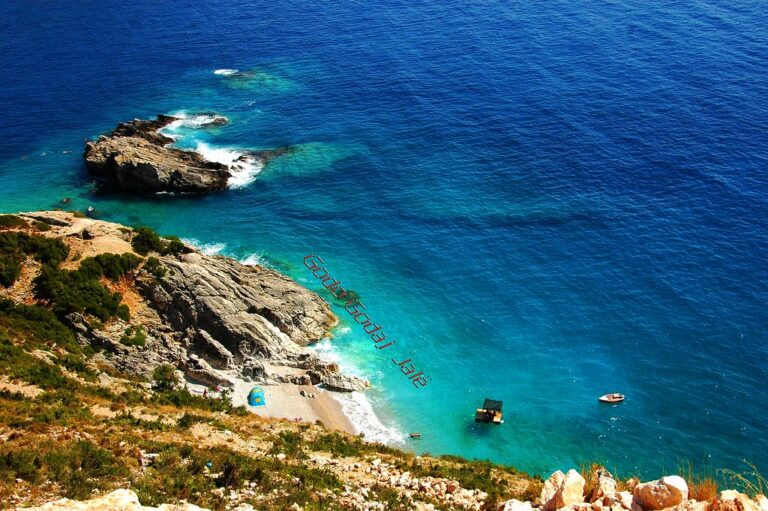
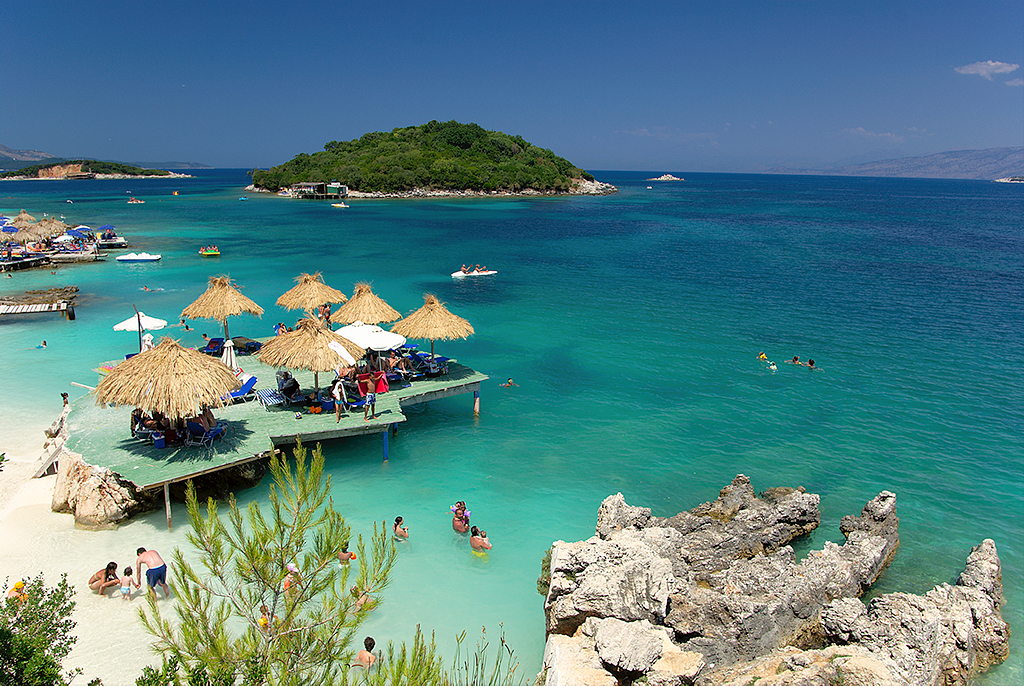
The Albanian Riviera along the Ionian Sea is the real draw. Ksamil has powdery white sand and turquoise water that looks straight out of the Caribbean, and places like Dhermi, Jale, Gjipe and Himara have dramatic cliffs dropping into water so blue it barely looks real. Our Albanian Riviera guide covers every stretch.
The catch: the most popular beaches in Ksamil and Dhermi get crowded in August, and many are lined with rows of paid sunbeds. Head to the quieter coves, or go in June or September, and it is paradise.
Croatia’s Beaches
Croatia’s water is some of the clearest in the Mediterranean, but most beaches are pebbles or smooth rock rather than sand. Bring water shoes. What Croatia does better is variety: hidden coves on Hvar and Vis, the famous Zlatni Rat on Brac, sea caves, and swimming right off the city walls in Dubrovnik. With over a thousand islands, you can always find a new spot.
Bottom line: For sand and value, Albania. For island variety and crystal-clear rocky coves, Croatia.
Crowds and Tourism
Croatia is one of the most visited countries in Europe for its size. In July and August, Dubrovnik’s old town can feel shoulder to shoulder when cruise ships are in port, and ferries to Hvar sell out. Plitvice Lakes has timed entry to manage the crowds.
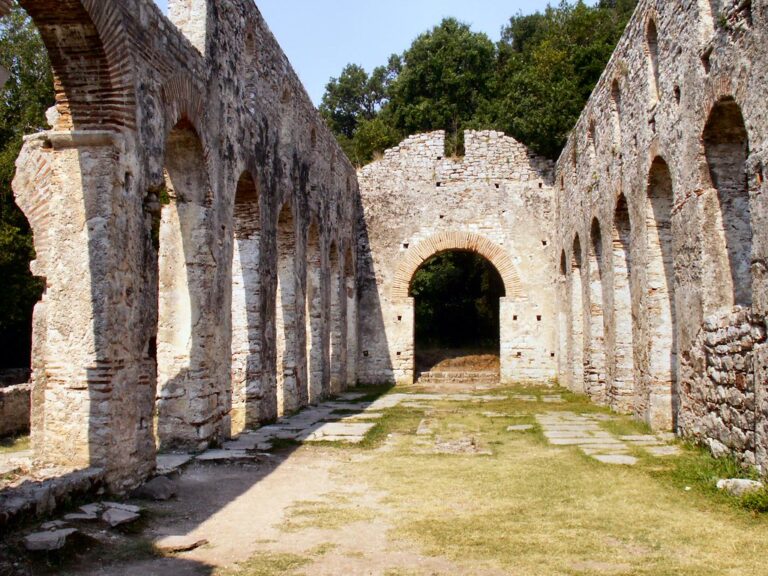
Albania is growing fast, and it is no longer a secret, but it still feels far less packaged. Outside of Ksamil and Saranda in August, we often had viewpoints, castles and ruins nearly to ourselves. Butrint on a September morning was quiet enough to hear the frogs.
Bottom line: If crowds drain you, Albania is the better pick, especially outside peak summer.
History and Old Towns
Both countries are stacked with history, but the flavor is different.
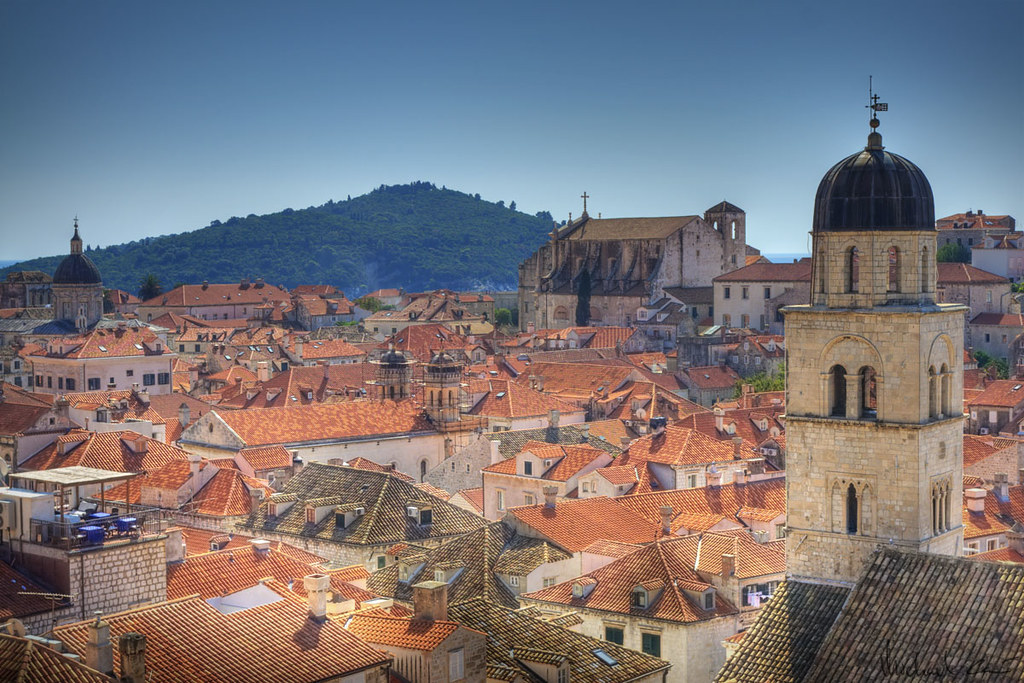
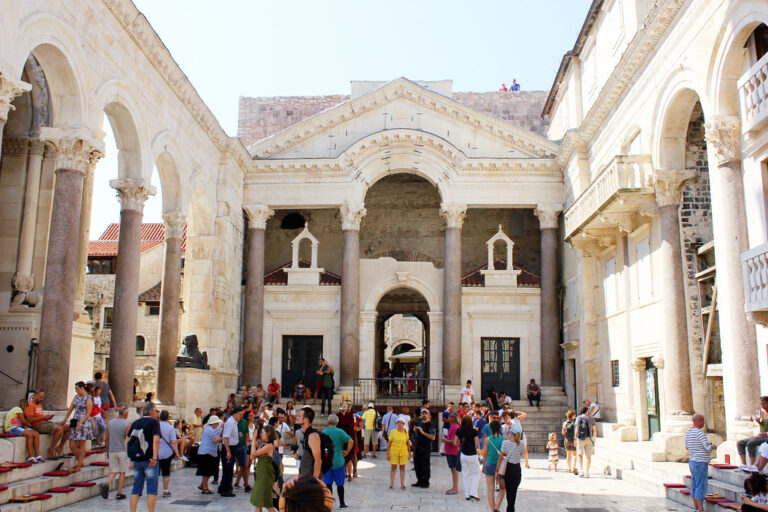
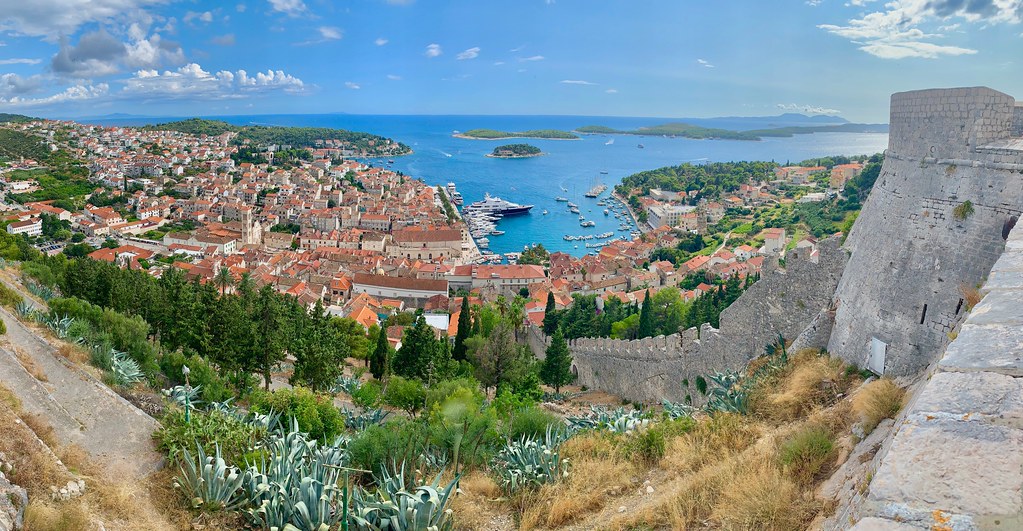
Croatia’s highlights are polished and spectacular: the walled old town of Dubrovnik, Diocletian’s Palace in Split, the Venetian lanes of Rovinj and the medieval core of Trogir. Everything is beautifully restored and easy to explore. Our Dubrovnik guide and Split guide are good places to start.
Albania’s history feels rawer and more layered: the Greek and Roman ruins of Butrint, the Ottoman stone towns of Berat and Gjirokaster (both UNESCO sites), the castles of Rozafa and Kruja, and the strange legacy of communist bunkers scattered across the country. Tirana’s museums tell the story of one of Europe’s most isolated regimes, and it is fascinating. Start with our Berat and Gjirokaster guide.
Bottom line: Croatia for polished postcard towns. Albania for rougher, more surprising history.
Nature and Adventure
Croatia’s big nature headliners are Plitvice Lakes and Krka National Park, both famous for their waterfalls and boardwalks, plus sailing and sea kayaking along the islands.
Albania is wilder. The Albanian Alps around Theth and Valbona offer some of the best hiking in Europe, the Komani Lake ferry is one of the most scenic boat rides we have ever taken, and the Blue Eye spring near Saranda is a genuine wonder. If you love hiking, check out our Theth and Valbona guide.
Bottom line: Croatia for easy, well-managed nature. Albania for rugged adventure.
Food and Drink
We loved eating in both countries, and the cuisines overlap more than you might expect thanks to a shared Mediterranean and Ottoman heritage.
In Croatia, expect grilled fish, black squid ink risotto, truffles and olive oil in Istria, peka (meat and vegetables slow-cooked under an iron bell) and excellent wine from Pelješac and Istria.
In Albania, expect byrek, slow-cooked lamb, tavë kosi (baked lamb with yogurt), fresh seafood on the coast, olive oil from family groves, and raki offered as a welcome almost everywhere. Portions are huge and prices are tiny.
Bottom line: A tie on flavor. Albania wins on value, Croatia on wine and fine dining.
Ease of Travel
This is where Croatia pulls ahead.
Croatia has modern highways, reliable intercity buses, a well-oiled ferry network run by Jadrolinija and others, card payments almost everywhere, and a huge supply of hotels and apartments. As a first trip to the Balkans, it is very easy.
Albania has improved enormously, and the main highways are good, but mountain roads can be narrow and winding, local drivers can be bold, and buses often run on informal schedules. Cash is still king in smaller places. None of this is a dealbreaker, it just takes a little more flexibility. If safety is on your mind, our honest guide to whether Albania is safe covers everything we experienced.
Bottom line: Croatia is easier. Albania is very doable, just a bit more adventurous.
Entry Requirements
Croatia is in both the EU and the Schengen area, so time there counts toward the 90 days in any 180 day period that US travelers get across Schengen countries. The EU’s new electronic entry system is also rolling out at Schengen borders.
Albania is not in the EU or Schengen, and US citizens can currently stay visa-free for an extended period. That makes Albania a handy place to spend time if you are running low on Schengen days during a long Europe trip. Always double-check current requirements before you travel.
Best Time to Visit Each
For both countries, late May to June and September to early October are ideal: warm sea, sunny weather, fewer crowds and lower prices. July and August are hot and busy everywhere on the coast.
Albania’s Alps are best from June to September, when the trails and the Valbona pass are clear. Croatia’s islands start shutting down some ferries and restaurants from mid-October. Our guides to the best time to visit Albania and the best time to visit Croatia go month by month.
Which Is Better for Couples, Families and Solo Travelers?
Couples will find romance in both. Croatia has the sunset dinners on Hvar and the walls of Dubrovnik at golden hour; Albania has quiet coves near Himara, candlelit terraces in Berat and far more privacy. For a special trip on a budget, Albania lets you upgrade to the room with the view without thinking twice.
Families with young kids usually find Croatia easier: shorter drives on good roads, lots of apartments with kitchens and very organized attractions. That said, Albania’s sandy, shallow beaches in Ksamil and near Durres are fantastic for little ones, and Albanians are famously warm with children.
Solo travelers do well in both. Croatia has a well-established hostel and tour scene, while Albania’s hospitality means you rarely feel alone for long, and your budget stretches much further.
Who Should Choose Albania?
Albania is the better fit if you:
- Want the most beach and history for your money
- Love feeling like you discovered somewhere before everyone else
- Enjoy hiking, road trips and a little adventure
- Prefer sandy beaches
- Need to save Schengen days on a longer trip
Who Should Choose Croatia?
Croatia is the better fit if you:
- Want easy logistics, especially on a first trip to Europe
- Dream of island hopping by ferry or sailing
- Love beautifully restored old towns and fine dining
- Are traveling with kids or less adventurous companions
- Have a bigger budget and a shorter amount of time
Can You Do Both?
Yes, and it is a fantastic trip. The two countries do not share a border, but Montenegro sits right between them. A classic route runs from Dubrovnik down the coast to the Bay of Kotor in Montenegro, then on to Shkoder and the rest of Albania. With two weeks you can see the highlights of all three. Our Croatia vs Montenegro and Albania vs Montenegro comparisons help you split your time.
A sample two-week plan:
- Days 1 to 4: Dubrovnik, plus a day trip to Kotor or the Elafiti islands
- Days 5 to 6: The Bay of Kotor and Budva in Montenegro
- Days 7 to 8: Shkoder and Tirana
- Days 9 to 10: Berat or Gjirokaster
- Days 11 to 14: The Albanian Riviera, Butrint and Ksamil
Fly into Dubrovnik and out of Tirana (or the reverse) to avoid backtracking. If you rent a car, confirm your rental company allows cross-border travel and ask about one-way drop fees, which can be steep.
Where to Book
For hotels, guesthouses and apartments in both countries, we use Booking.com. In Albania, look for sea-view guesthouses with parking; in Croatia, book early for summer, especially in Dubrovnik and on Hvar. Search Albania stays on Booking.com or search Croatia stays on Booking.com.
For island boat trips, walking tours of Dubrovnik and Split, Butrint and Blue Eye tours, and day trips across the border, Viator has well-reviewed options with free cancellation on many tours. Browse Albania tours on Viator or browse Croatia tours on Viator.
Our Verdict
If we had to pick one for a first trip to the Balkans with limited time, we would send most people to Croatia for its ease and polish. If you want the most memorable trip for your money, with fewer crowds and more surprises, choose Albania. And if you can find two weeks, do both, with a stop in Montenegro in between. It is one of the best road trips in Europe.
Ready to start planning? Read our guides on how to plan a trip to Albania, how to plan a trip to Croatia, and our Albania road trip itinerary.