Disclosure: This post contains affiliate links. If you book through our links, we may earn a small commission at no extra cost to you. Thanks for supporting Faceted Travel!
Table of Contents
Croatia used to be the answer when someone said they wanted the Mediterranean without Mediterranean prices. That is still mostly true, but it is less true every year, and it is not true at all in Dubrovnik in August. The honest answer is that Croatia can be a 90 euro a day country or a 400 euro a day country, and the difference is almost entirely about when you go and which towns you sleep in.
We have put together the numbers we actually use when we plan, broken down by travel style, with the specific line items that surprise people. Prices are in euros, which Croatia adopted in 2023, so the old kuna conversion headache is gone.
The Short Answer
For a 7 day trip to Croatia, excluding international flights, budget roughly:
| Style | Per person per day | 7 day total per person |
|---|---|---|
| Backpacker | 60 to 85 euros | 420 to 595 euros |
| Budget conscious | 90 to 130 euros | 630 to 910 euros |
| Mid range (most people) | 150 to 220 euros | 1,050 to 1,540 euros |
| Comfortable | 250 to 350 euros | 1,750 to 2,450 euros |
| Luxury | 450 euros and up | 3,150 euros and up |
A typical couple doing a mid range 10 day coastal trip in June, with a rental car, a few national parks, and dinner out most nights, lands somewhere around 3,000 to 4,000 euros total before flights. That is the number we would plan against.
Flights to Croatia
From the US: 550 to 1,100 euros round trip depending on season and how far in advance you book. There are limited direct seasonal routes, so most itineraries connect through Frankfurt, Munich, Vienna, Amsterdam, or Istanbul. Zagreb, Split, and Dubrovnik are the main gateways.
From the UK and Europe: 60 to 250 euros round trip. Ryanair, easyJet, Wizz, and Eurowings fly into Zadar, Split, Dubrovnik, Pula, and Rijeka, and off season fares can be absurdly low. Zadar in particular is a Ryanair base, which is one reason it is a smart entry point.
Timing tip: flights into Croatia spike hard from mid July through late August. Shifting to the first week of June or the third week of September routinely saves 30 to 40 percent on the flight and considerably more on everything else.
Accommodation Costs
This is your biggest lever, and the variation is enormous.
Hostels: 20 to 40 euros per night for a dorm bed, more in Split and Dubrovnik in August.
Private apartments (sobe and apartmani): 55 to 120 euros per night for a good one bedroom in shoulder season. This is how most of Croatia actually accommodates visitors, and it is generally better value than hotels. Family run, often with a terrace, frequently with parking.
3 star hotels: 90 to 160 euros per night in shoulder season, 160 to 280 in peak.
4 star hotels: 150 to 280 euros shoulder, 280 to 500 peak.
5 star and boutique: 350 euros and up, considerably more inside Dubrovnik’s walls.
Where you sleep matters more than the star rating. A rough guide to relative pricing:
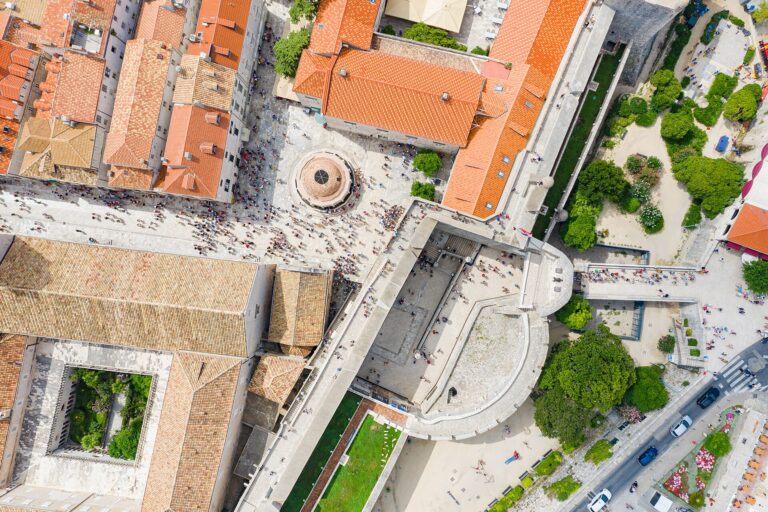
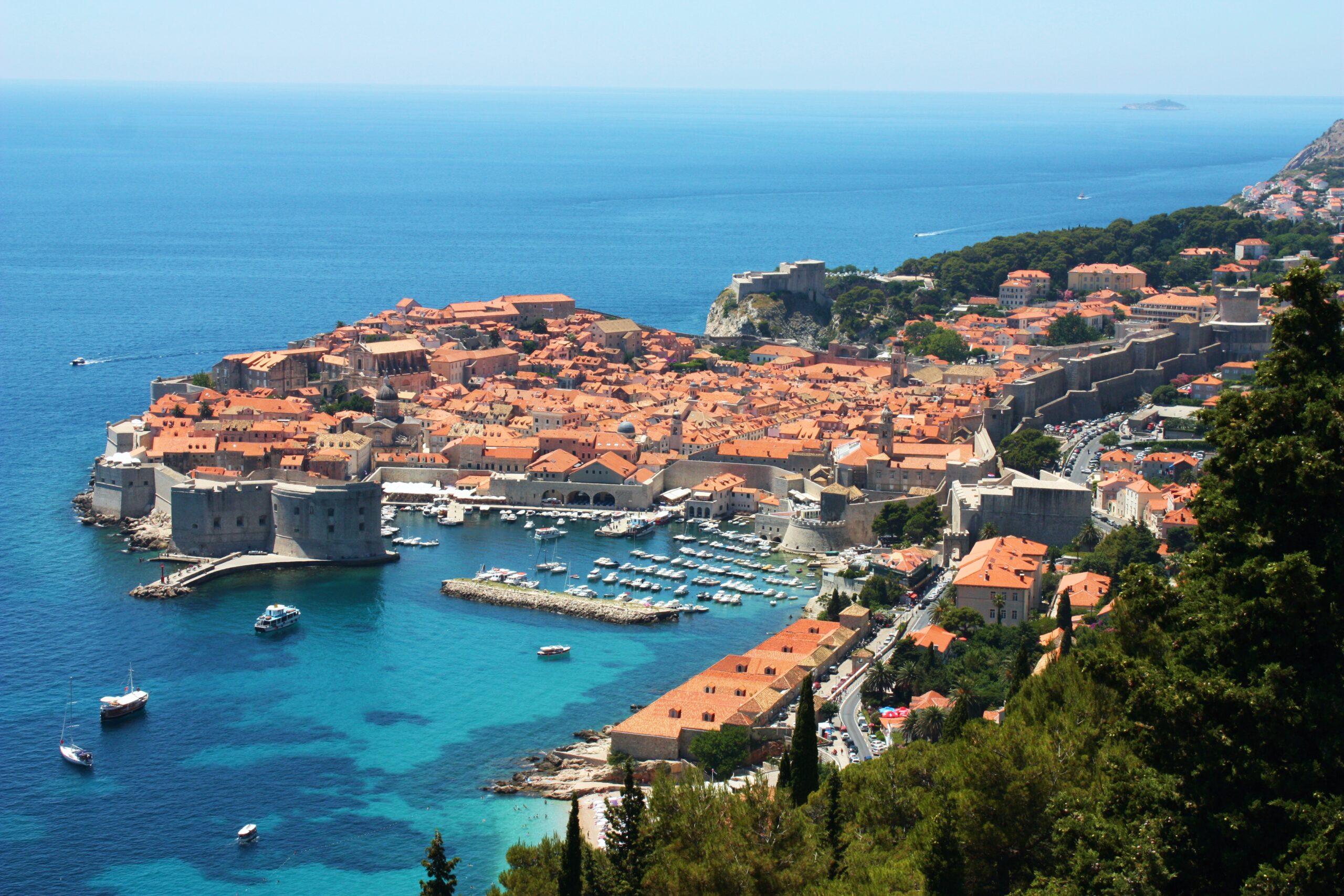
- Dubrovnik: the most expensive place in the country by a wide margin, especially inside the walls
- Hvar town: close behind in July and August
- Split: expensive in the old town, much more reasonable a ten minute walk out
- Zadar, Sibenik, Trogir: noticeably cheaper for similar quality
- Rovinj and Istria: mid to high, but excellent value for the quality of the food
- Zagreb and inland: the cheapest, often 40 percent below the coast
Seasonal multiplier: the same apartment that costs 70 euros in May will cost 150 in August. This is the single biggest cost swing in Croatian travel, larger than any choice about restaurants or tours.
Food and Drink Costs
Croatian food costs are reasonable if you eat like a Croatian and expensive if you eat only at waterfront restaurants with an English menu and a photo board.
Typical prices:
- Coffee: 2 to 3 euros
- Bakery breakfast (burek, pastry): 2 to 4 euros
- Konoba lunch, main course: 12 to 18 euros
- Waterfront dinner, main course: 20 to 35 euros
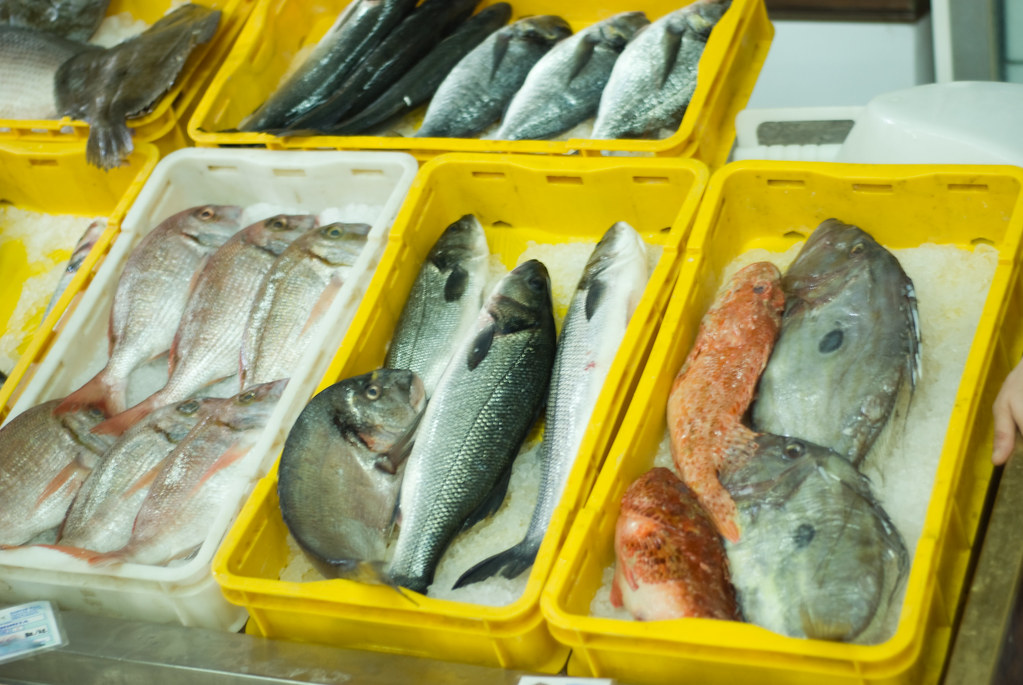
- Fresh fish, sold by weight: 45 to 80 euros per kilogram (this catches people out)
- Pizza: 8 to 14 euros
- Local beer: 3 to 5 euros
- Glass of house wine: 3 to 6 euros
- Bottle of decent Croatian wine in a shop: 8 to 15 euros
- Grocery shop for two, a few days: 40 to 60 euros
Daily food budgets:
- Self catering with one meal out: 25 to 35 euros per person
- Casual, two meals out: 45 to 65 euros per person
- Nice dinners most nights: 80 to 120 euros per person
The fish by weight thing deserves a warning. Menus often list fresh fish at a price per kilogram. A whole sea bass can easily come to 50 euros. Ask what the fish weighs before you say yes. This is not a scam, it is standard practice, but it produces a lot of surprised faces at bill time.
Ways to eat well for less: eat your main meal at lunch, look for the marenda or gablec set lunch, walk two streets back from the water, and buy your wine and produce at the market. Croatian markets are excellent and cheap.
Transportation Costs
Buses are the backbone and they are good. Split to Dubrovnik is around 25 to 35 euros, Zagreb to Split around 25 to 30 euros, Zadar to Split around 12 to 18 euros. Comfortable, air conditioned, frequent in summer.
Rental car: 35 to 75 euros per day in shoulder season, 60 to 120 in August, plus fuel at roughly 1.50 euros per liter and motorway tolls (Zagreb to Split is about 25 euros in tolls). Parking in coastal old towns runs 2 to 5 euros per hour and is the main annoyance. A car is worth it for the national parks and Istria, and often not worth it if you are island hopping.
Ferries: Jadrolinija passenger ferries between the mainland and the major islands cost 6 to 15 euros per person. Catamarans are faster and cost 10 to 30 euros. Taking a car across adds 25 to 60 euros depending on route, and in summer you queue.
Trains exist but are slow and do not serve most of the coast. Skip them.
Taxis and rideshare: Uber and Bolt operate in Zagreb, Split, Dubrovnik, and Zadar and are cheaper than metered taxis. A short city ride is 5 to 10 euros.
Attractions and Activities
- National park entry: Plitvice 25 to 40 euros in peak, Krka 20 to 40 euros, both much cheaper in winter
- Dubrovnik city walls: around 35 euros, and unavoidable if you are there
- Dubrovnik cable car: around 27 euros round trip
- Diocletian’s Palace cellars, Split: around 8 euros
- Blue Cave day trip from Split or Hvar: 90 to 140 euros
- Kornati islands boat day: 60 to 100 euros
- Sea kayaking, half day: 40 to 60 euros
- Wine tasting in Istria or Peljesac: 25 to 60 euros
- Guided walking tour: 20 to 35 euros
- Sunbed and umbrella rental: 15 to 30 euros per day at organized beaches
Budget 25 to 50 euros per person per day for activities on a normal trip, more if boat tours are the point.
Sample Budgets for a 10 Day Trip
Backpacker, September, two people, no car Hostels and one cheap apartment: 450. Food, mostly self catered: 500. Buses and ferries: 180. Two national parks and a couple of paid sights: 220. Drinks and extras: 200. Total: about 1,550 euros for two, or 775 each.
Mid range couple, June, rental car Apartments and 3 star hotels: 1,100. Food, two meals out most days: 1,000. Car, fuel, tolls, parking: 650. Ferries: 120. Parks, tours, and sights: 500. Extras: 250. Total: about 3,620 euros for two, or 1,810 each.
Comfortable couple, late August, Dubrovnik and Hvar 4 star hotels: 3,000. Food and wine: 1,700. Transfers, catamarans, a private boat day: 900. Sights and tours: 600. Extras: 400. Total: about 6,600 euros for two, or 3,300 each.
Where Croatia Costs More Than People Expect
- Dubrovnik in high season. Hotels, restaurants, the walls, the cable car, parking. Budget as if it were Venice, because it is priced like Venice.
- Fresh fish by weight. See above.
- National park entry in peak season. Two parks for a family of four can easily be 200 euros.
- Parking in old towns. Small per hour, painful over a week.
- Car ferries in August. Both the fare and the hours spent in the queue.
- Tourist tax. Roughly 1 to 2.70 euros per person per night, often collected separately at check in and not shown in your booking total.
- Boat day trips. The Blue Cave and Kornati trips are the biggest single line items on a lot of itineraries.
How to Cut Your Croatia Costs Without Cutting the Trip
- Travel in June or September instead of July or August. This alone can cut the trip 30 to 40 percent, and the weather is better for walking.
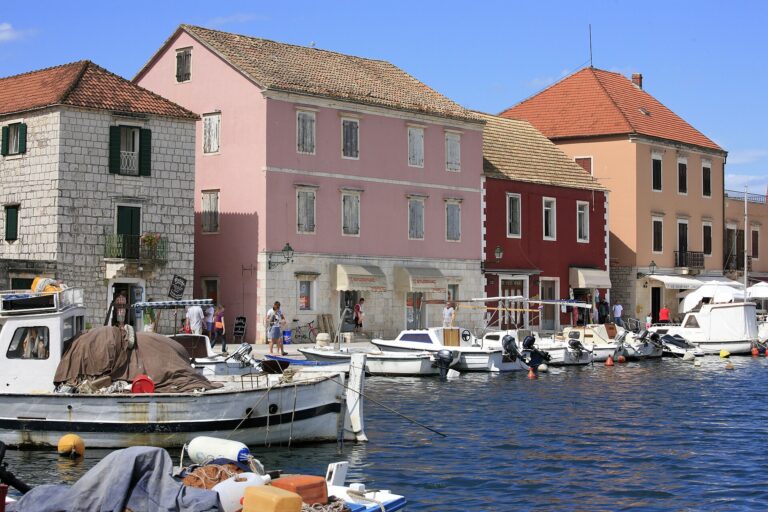
- Sleep in the cheaper town and day trip to the expensive one. Stay in Cavtat instead of Dubrovnik, in Kastela instead of Split, in Stari Grad instead of Hvar town.
- Book apartments, not hotels. Better value, kitchens, and usually parking.
- Eat your big meal at lunch.
- Use the bus network instead of a rental car if you are sticking to the coastal cities.
- Buy national park tickets online in advance for the timed slots, and go at opening.
- Skip the sunbeds. Bring a mat and use the free pebble stretches.
- Fly into Zadar or Pula rather than Dubrovnik and work the coast from a cheaper end. See our guide to planning a trip to Croatia for routes that do this well.
Is Croatia Still Good Value?
Yes, with an asterisk. Inland Croatia, the northern Adriatic, and the less famous Dalmatian cities remain very good value compared with Italy, France, or Spain. Dubrovnik and Hvar in peak summer are not cheap and have not been for a decade.
The version of Croatia that is still a bargain is entirely available to you. It is a September apartment in Zadar or Sibenik, a rental car, konoba lunches, two national parks, and ferry rides to islands most people have not heard of. That trip is roughly half the price of the August Dubrovnik version and, in our experience, a considerably better time.
Where to Book
- Accommodation: Booking.com is the dominant platform in Croatia and has the widest selection of the family run apartments that make up most of the country’s lodging. Filter for free cancellation, because coastal plans shift.
- Tours, day trips, and park transfers: Viator covers the Blue Cave, Krka and Plitvice day trips, Kornati boat days, wine tastings, and city walking tours. Book the national park transfers early in summer.
- Ferries: book Jadrolinija and Krilo directly online in advance for summer catamarans, which sell out.
- Rental cars: compare across aggregators, pick up at airports rather than city offices, and confirm cross border permission if Bosnia or Montenegro is on your route.
Build the budget around the season first, the towns second, and everything else third. Get those two right and Croatia is still one of the best value coastlines in Europe.
Plan the rest of your trip: Start with How to Plan a Trip to Croatia, then read our Zadar, Croatia Travel Guide and Hvar, Croatia Travel Guide to decide where to sleep and where to day trip.