Disclosure: This post contains affiliate links. If you book through our links, we may earn a small commission at no extra cost to you. Thanks for supporting Faceted Travel!
Table of Contents
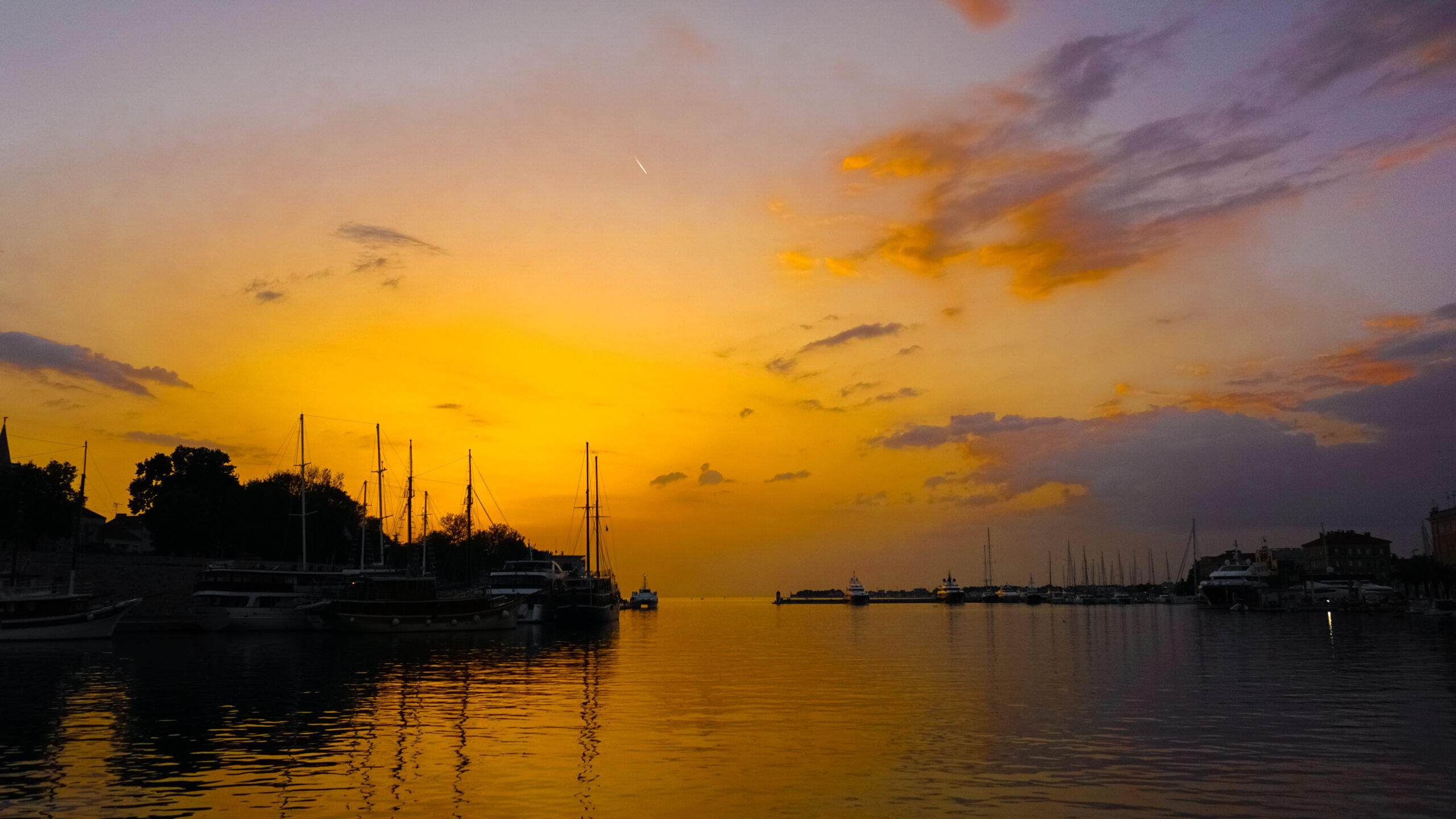
The first time we walked out onto the Zadar waterfront at sunset, we heard the city before we understood it: a low, breathing chord coming up out of the stone under our feet. That is the Sea Organ, and it is the moment Zadar stops being the place you passed through on the way to Split and becomes the place you wish you had given three more days.
Zadar gets skipped a lot. It sits on the Dalmatian coast between the big names, so most itineraries treat it as a ferry connection or a lunch stop. That is a mistake, and it is also an opportunity. Zadar has a Roman forum in the middle of town, a walled old city on a peninsula, some of the best sunsets in Europe (Alfred Hitchcock said so, and the tourist board has never let anyone forget it), and prices that are noticeably softer than Dubrovnik or Hvar. Here is everything we would tell a friend before they went.
Why Zadar Deserves More Than a Ferry Stop
Zadar is a working Croatian city of about 70,000 people that happens to have a 3,000 year old core. That combination is the whole appeal. You get the historic center without the sense that the historic center exists only for you.
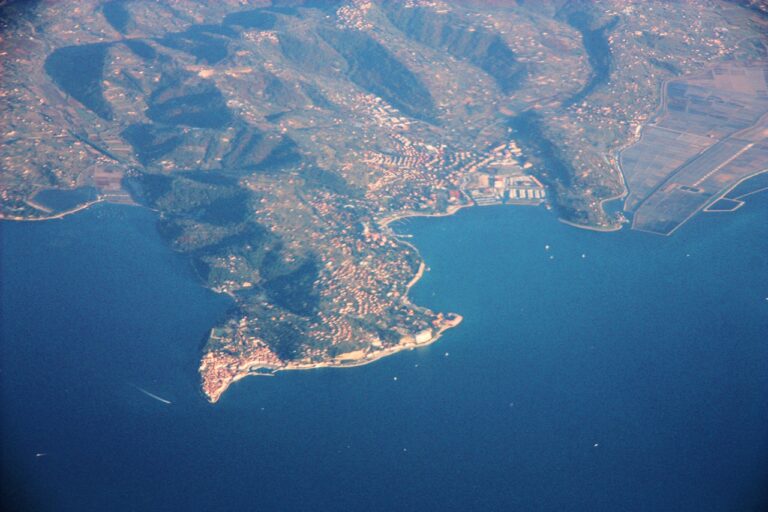
The old town occupies a narrow peninsula, which means you can walk from one end to the other in about fifteen minutes and you are never more than a few blocks from water. Roman columns lie in the grass where they fell. A ninth century church shaped like a drum sits on top of the old forum pavement. Then you turn a corner and there is a bakery full of locals buying burek at 7am, and a basketball court, and someone’s laundry.
Compared with Dubrovnik, Zadar is cheaper, less crowded, and easier to reach by car. Compared with Split, it is smaller and calmer, with a better beach scene right in town. It also makes an outstanding base, because two of Croatia’s best national parks are within easy reach.
How to Get to Zadar
By air. Zadar Airport (ZAD) is about 8km from the center and is a Ryanair hub, which is why flights from the UK, Germany, and much of Europe can be startlingly cheap in summer. A shuttle bus meets most arrivals and runs into town for around 5 euros. A taxi is roughly 20 to 25 euros.
By bus. Croatia’s intercity bus network is excellent and Zadar is a major node. Split is about 2.5 hours, Dubrovnik about 7 to 8 hours, Zagreb about 3.5 hours on the motorway. Buses are comfortable, air conditioned, and cheap, and you can usually book a day or two ahead in high season.
By car. The A1 motorway makes driving easy, and a car is genuinely useful here because of the national parks. Note that the old town peninsula is largely pedestrianized, so plan on parking outside the walls. There are paid lots near the bridge and along the eastern harbor.
By ferry. Jadrolinija runs services to the nearby islands (Ugljan, Dugi Otok, Silba, Olib) and there are seasonal catamarans down the coast. Zadar is not the ferry hub Split is, so if island hopping is the point of your trip, read our guide to planning a trip to Croatia before you lock in the route.
Best Time to Visit Zadar
June and September are the sweet spot. The sea is warm enough to swim, the terraces are open, and you are not fighting July and August crowds or prices. September in particular is our favorite: the water holds its summer heat well into the month and the light gets golden earlier, which matters in a town this obsessed with sunset.
July and August are hot (highs around 30C/86F), busy, and expensive. Everything is open and the energy is fun, but accommodation prices roughly double and the national parks get genuinely crowded.
May and October are lovely for walking and sightseeing, with fewer people and mild days, though sea swimming is a commitment in May and hit or miss in late October.
November through April is quiet. Some restaurants and most island ferries scale back, and the bura wind can be fierce. Zadar stays open as a real city, though, so it never feels shuttered the way smaller Dalmatian towns do.
Top Things to Do in Zadar
Listen to the Sea Organ
Set into the marble steps at the western tip of the peninsula, the Sea Organ is a set of polyethylene tubes cut into the stone that turn wave motion into sound. There is no schedule and no performance. The Adriatic plays it, so the piece is different every hour and depends entirely on the swell. Sit on the steps, let your feet hang toward the water, and stay longer than you planned.
Watch the Greeting to the Sun
Twenty meters away, a 22 meter circle of solar glass panels sits flush in the pavement. It charges all day and then, after dark, plays a slow light sequence powered by what it collected. Children run across it. Everyone films it. It is delightfully unsubtle and it works.
Walk the Roman Forum and St. Donatus
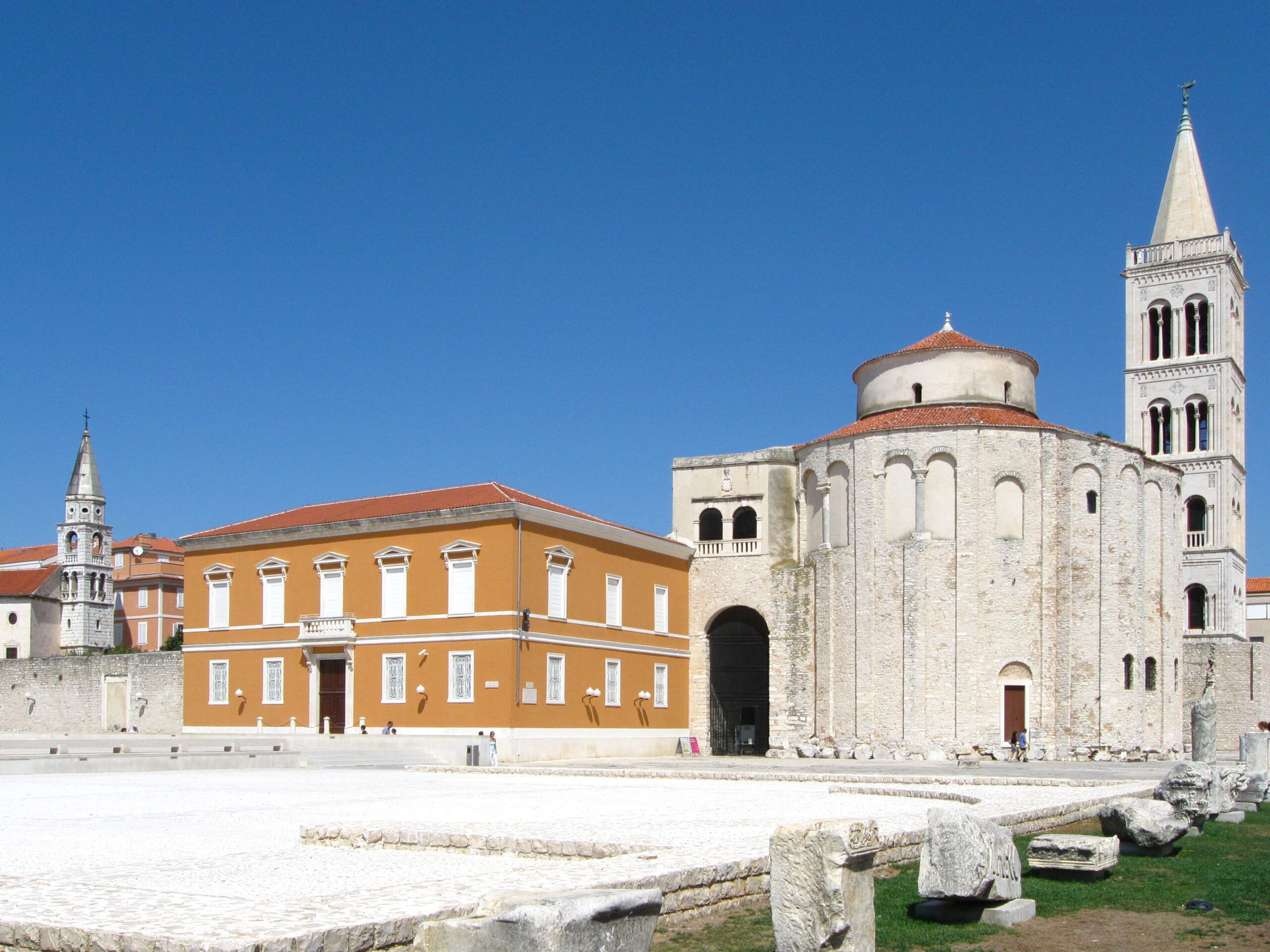
Zadar’s forum was laid out in the first century BC and is the largest on the eastern Adriatic. What survives is a wide open field of pavement, column bases, and one standing pillar that was used as a pillar of shame in the medieval period. Sitting right on top of it is the Church of St. Donatus, a round ninth century structure built partly out of recycled Roman stone. You can see the old carvings upside down in the walls. Step inside if there is a concert on: the acoustics are extraordinary.
Climb the Cathedral Bell Tower
The bell tower of St. Anastasia Cathedral gives you the classic view: the red roofs of the peninsula, the harbor on one side, the channel and islands on the other. It is a straightforward climb and costs a few euros. Go late in the day.
Wander Kalelarga and the Old Town
Kalelarga is the main street, polished smooth by centuries of feet, and it is where Zadar does its evening passeggiata. Around it are the Land Gate (a beautiful Venetian arch with the lion of St. Mark), the Five Wells Square, and the city walls, which are UNESCO listed as part of the Venetian defensive works.
Swim at Kolovare
Right in town, a short walk from the old city, Kolovare is a mix of pebble and concrete platform with clear water and a couple of beach bars. It is not a postcard beach, but it is a real one, and being able to swim ten minutes after breakfast is one of the underrated pleasures of staying here.
Day Trips from Zadar
This is where Zadar earns its keep as a base.
Krka National Park is about an hour south and is the waterfall park where you can actually get close to the water. We wrote a full Krka National Park visitor guide covering entrances, boats, and how to avoid the worst of the crowds.
Plitvice Lakes is about 90 minutes inland and is the bigger, more famous one: sixteen terraced lakes connected by waterfalls, with boardwalks running right across the water. See our Plitvice Lakes guide for entrance strategy, because timing matters enormously there.
Paklenica National Park is 45 minutes north, in the Velebit mountains, and is where Croatian hikers and climbers go. Two dramatic canyons, well marked trails, and almost no cruise traffic.
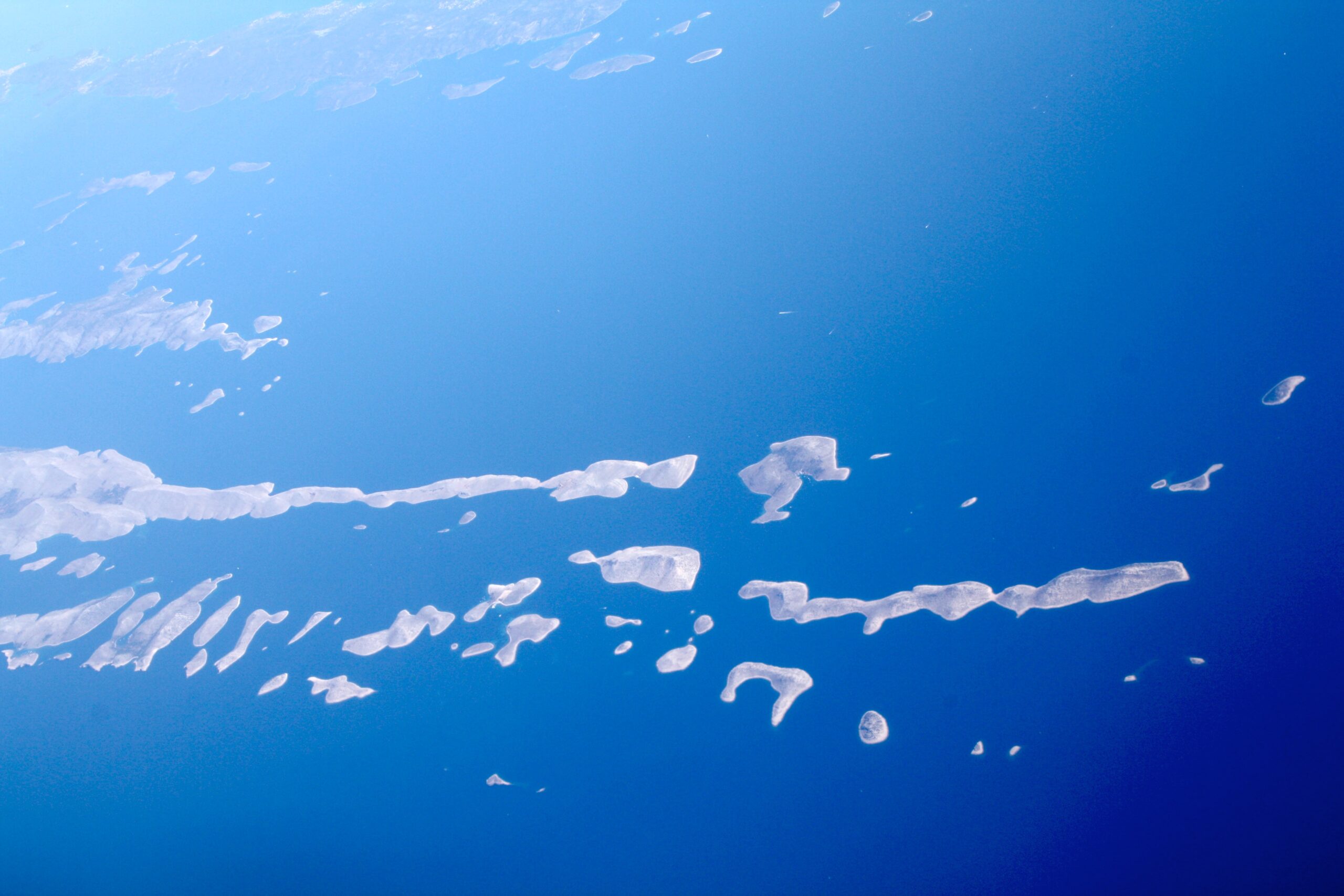
Kornati National Park is an archipelago of 89 stark, almost lunar islands reachable by day boat from Zadar or Murter. Bring sunscreen, there is no shade out there.
Nin is fifteen minutes away and has a tiny 9th century church often described as the smallest cathedral in the world, plus shallow sandy lagoons that are rare on this coast and lovely with kids.
Where to Eat and Drink in Zadar
Dalmatian food is simple and ingredient led: grilled fish, olive oil, seasonal vegetables, lamb from the Velebit slopes. Look for peka, meat or octopus slow cooked under an iron bell covered in embers. It usually needs ordering a few hours ahead, and it is worth the planning.
Other things to seek out: crni rizot (black risotto made with cuttlefish ink), pasticada (beef slow braised in prosek wine and prunes, served with gnocchi), fresh oysters from the nearby Novigrad Sea, and Maraschino, the cherry liqueur that has been made in Zadar since the 1820s. A small bottle makes a good souvenir.
For coffee, do what locals do and take an hour over it on a terrace mid morning. Nobody is rushing you.
Where to Stay in Zadar
Inside the old town puts you in the middle of the atmosphere and within earshot of the Sea Organ. Buildings are historic, which means stairs and occasional street noise, but the location is unbeatable for a short stay.
Just east of the bridge (Voštarnica) is a five minute walk to the old town, quieter, and better value. This is where we would look for an apartment on a longer stay.
Borik, about 3km north, is the resort strip: bigger hotels, pools, beaches, and easy parking. Good with a car or with kids, less good if you want to stumble home from dinner.
Diklo and Petrčane are further out along the coast and are where you go for a quiet villa or apartment with a sea view.
What a Trip to Zadar Costs
Zadar sits comfortably in the middle of Croatian pricing, cheaper than Dubrovnik or Hvar, roughly in line with Split, more expensive than inland Croatia.
- Budget: 70 to 95 euros per person per day (hostel or simple apartment, bakery breakfast, one restaurant meal, buses)
- Mid range: 130 to 190 euros per person per day (3 star hotel or good apartment, two meals out, a national park entry, some drinks)
- Comfortable: 250 euros and up per person per day (4 star hotel, boat trips, dinner with wine, a rental car)
A sit down main course runs 12 to 22 euros. A coffee is 2 to 3 euros. Croatia uses the euro now, which removed a lot of the old currency friction. For a full country breakdown, see our Croatia trip cost guide.
How Many Days in Zadar
Two days covers the old town properly: the forum, the bell tower, both waterfront installations, a long dinner, a swim.
Four days lets you add Krka or Plitvice plus a boat trip or a beach day, which is what we would aim for.
A week makes Zadar a genuine base. You could do both national parks, the Kornati islands, Nin, Paklenica, and still have days to do nothing but eat and swim.
Practical Tips for Visiting Zadar
- Sunset is the appointment. Be at the Sea Organ 30 minutes before. It fills up, but the steps are long and there is always room.
- Book the national parks online in advance in July and August. Both Krka and Plitvice use timed entry, and walk up tickets can sell out.
- The bura wind can cancel ferries and catamarans with little notice, especially outside summer. Build a buffer day if you have a flight to catch.
- Bring water shoes. Dalmatian beaches are pebble or rock, and your feet will thank you.
- Tap water is safe and tastes fine, so bring a refillable bottle.
- Many restaurants close between lunch and dinner. If you eat at 4pm, plan ahead or accept pizza.
Where to Book
- Hotels and apartments: We book Croatian coastal stays through Booking.com, which has by far the deepest inventory of family run apartments here. Filter for free cancellation and book early for June through September.
- Tours and day trips: Viator is where we book Krka and Plitvice day trips, Kornati boat tours, and sunset cruises. Booking ahead matters most for the national park transfers, which sell out in peak season.
- Rental cars: Worth it if you want the parks and the coast on your own schedule. Pick up at the airport rather than in town and confirm whether cross border travel (to Bosnia or Montenegro) is allowed if that is in your plan.
Zadar rewards the traveler who slows down. It is not trying to be the prettiest town in Croatia and it does not need to be. It has the Roman stones, the wind off the channel, the sound coming up through the steps, and enough ordinary daily life around all of it that you feel like a guest in a place rather than a customer at an attraction. Give it more than a ferry stop.
Keep planning your Croatia trip: Start with How to Plan a Trip to Croatia for routes and logistics, then read our Split, Croatia Travel Guide for the coast’s biggest hub and our Rovinj and Istria Travel Guide if you want to see the quieter, more Italian north.