Disclosure: This post contains affiliate links. If you book through our links, we may earn a small commission at no extra cost to you. Thanks for supporting Faceted Travel!
Table of Contents
Ask us the best time to visit Europe and our honest answer is a little annoying: it depends on what you want. There is no single perfect week that gives you empty piazzas, warm swimming weather, cheap flights, and a table at the restaurant everyone raves about, all at once. Those things pull against each other, and the right time comes down to which matters most.
After a couple of dozen trips across the continent, in nearly every month of the year, we have come to think of it less as “when is Europe best” and more as “what am I willing to trade.” Want long, hot beach days and buzzing energy? You will pay for it in crowds and price. Want a city more or less to yourself with a light jacket on? You can have that too, if you accept a shorter day. This guide walks through those trade-offs by season, region, and month, so you can match the calendar to your priorities.
The Short Answer: When Is the Best Time to Visit Europe?
If you just want our quick recommendation, here it is: for most travelers, most of the time, the shoulder seasons are the sweet spot. That means roughly late April through mid-June in spring, and September through October in fall. In those windows you get pleasant weather, noticeably thinner crowds, and prices that sit below the summer ceiling.
Summer (June to August) is the right call if your trip is built around beaches, the longest daylight, alpine hiking, or a specific festival, and you have made peace with heat, lines, and higher costs. Winter (November to March) is the move if you are after Christmas markets, skiing, or the lowest prices, and you do not mind short days and some closures. For the full picture, we lay it out in our guide on how to plan a trip to Europe.
Europe by Season
Europe is a big place, so treat these as general patterns rather than guarantees. A “spring” day in Seville feels nothing like a spring day in Stockholm, but the seasonal rhythm is still the best starting point for planning.
Spring (April to June)
Spring is our favorite time to be in Europe, and it is not close. As the calendar moves from April into May and early June, the continent wakes up: gardens bloom, terraces reopen, and cities shake off the winter quiet. Weather is variable early on and more settled toward June. Crowds build gradually but stay manageable until the last couple of weeks of June, and prices follow the same curve, lower in April and climbing as summer nears. Spring is best for city sightseeing, gardens, and anyone who wants good weather with breathing room, though you should pack layers and a compact umbrella.
Summer (June to August)
Summer is Europe at full volume. The days are gloriously long, especially in the north where the light can stretch past ten at night, and the sea is warm enough for real swimming. You do pay for it, though: crowds are at their heaviest, so the famous sights mean lines and timed tickets, and flights and hotels hit their annual peak. The heat can be intense, particularly in southern Europe, where July and August heat waves now regularly push temperatures uncomfortably high in Rome, Athens, and Seville. Summer is best for beach holidays, the far north, alpine hiking, and festival-goers. If you go, book the big-ticket experiences well ahead.
Fall (September to October)
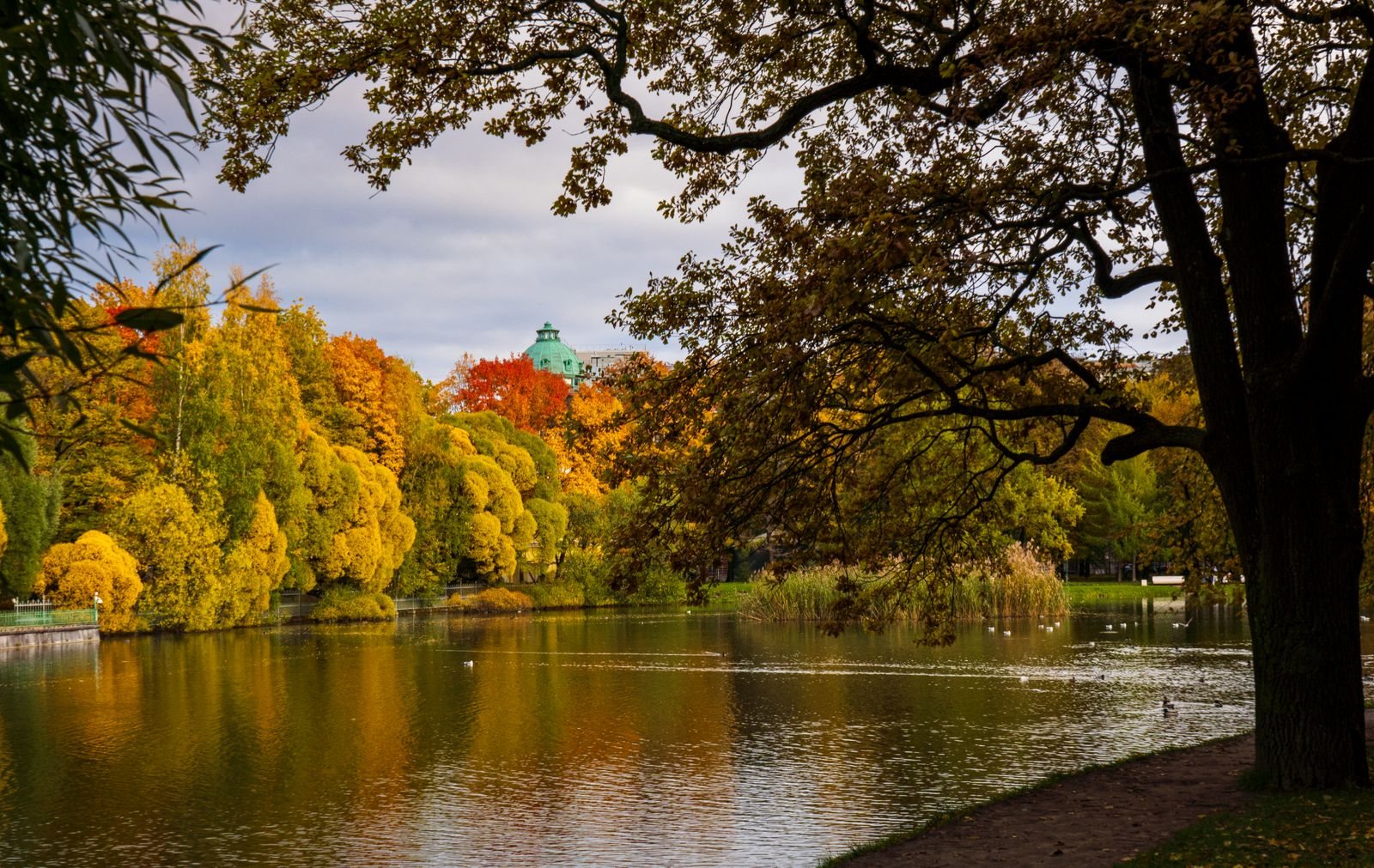
Fall is the mirror image of spring, and nearly as good in our book. September is a gem: the summer heat eases, the sea often stays warm enough to swim around the Mediterranean, and the peak crowds thin as families head home. October brings crisp air, autumn color, and harvest season in wine country. Crowds and prices step down noticeably from their summer highs past mid-September, though the later you go, the shorter the days and the higher the chance of rain. Fall is best for shoulder-season value, wine and food travel, and warmth in the south without summer-level chaos.
Winter (November to March)
Winter is the season most people overlook, and honestly that is part of its charm. Cities that overflow in July feel calm and local in January, and this is when Europe is at its cheapest for flights and hotels (Christmas and New Year excepted). The trade-offs are real: days are short, the weather is cold and often gray, and some seasonal sights, coastal resorts, and smaller attractions close for the winter. But winter has its own magic: the Christmas markets that fill Central Europe from late November through December are worth a trip on their own, and the Alps deliver world-class skiing. Winter is best for budget city breaks, Christmas market crawls, and ski trips.
The Case for Shoulder Season
If you take one thing from this whole post, let it be this: shoulder season is where the magic happens. When people ask us for one recommendation with no other details, we say late April through mid-June or September through October.
Here is why. The weather is usually good, warm enough to enjoy long days outside but rarely oppressive. The crowds are a fraction of what you fight in July, which changes the whole feel of a trip: shorter lines, easier reservations, more room to breathe. Prices sit comfortably below the summer peak, and you get to see places behaving more like themselves. It is not perfect, since shoulder season carries a bit more weather risk and shorter days at the edges, but the value is unmatched. We have walked into Rome in early May and Prague in late September and timed it just right.

Best Time to Visit by Region
Europe does not have one climate, it has several, so the “best” time shifts depending on where you are headed.
Southern Europe and the Mediterranean (Italy, Spain, Greece, Portugal)
This is where shoulder season truly shines. Spring (April to June) and fall (September to October) give you warm, sunny days without the brutal midsummer heat, and in September the sea is still warm enough to swim. Summer here is hot, crowded, and expensive, with deep-south heat waves in July and August. One important quirk: in August, much of Italy, France, and Spain goes on vacation, with locals heading to the coast and some family-run restaurants shuttered for weeks. Winter in the far south is mild and quiet, though some coastal resort towns close until spring. If you are dreaming of the Amalfi Coast or Barcelona, late spring and early fall are the golden windows.
Northern Europe and Scandinavia
The far north is the one region where we actively recommend summer. From June to August, the weather is at its mildest and the daylight is astonishing, with the sun barely setting in the highest latitudes around midsummer. That long light makes the fjords and coastal cities feel otherworldly, and it is short-lived, so summer is when to catch it. Spring and fall are cooler, wetter, and gentler on prices. Winter is cold, dark, and expensive to reach, but it is prime territory for the northern lights, though short days limit sightseeing.
Central Europe and the Alps
Central Europe (think Prague, Vienna, Budapest, and Munich) is a wonderful year-round destination, and the shoulder seasons are again the sweet spot for its grand cities and old towns, while summer is warm and busy with the beer gardens in full swing. The Alps run on two seasons. Winter (roughly December to March) is ski season, when the slopes are the whole point, and summer (June to September) is hiking season, when the trails clear of snow and the meadows turn green. The months in between are quiet, when some lifts and huts close.
The British Isles
Britain and Ireland march to their own weather drum, which is to say it can rain in any season, so we would not let the forecast alone decide your timing. Late spring through early fall (May to September) gives you the best odds of mild, pleasant days and the longest daylight, and it is when the countryside is at its greenest. Summer is the busiest and priciest stretch, while spring and fall are quieter and often just as rewarding. Winter is cold, gray, and short on daylight, but the cities stay lively and off-season prices can be a bargain.
Europe Month by Month
Here is our quick, honest run through the calendar. Treat it as a cheat sheet.
January: The quietest and cheapest month, cold across the continent, great for low-crowd city breaks and prime ski season in the Alps.
February: Similar to January, still cold and quiet, with ski conditions at their best and a good window for a bargain city break.
March: The first hints of spring appear, especially in the south, though the weather is unpredictable and the north stays cold.
April: Spring arrives in earnest, gardens bloom, and crowds are still light, though you should expect some rain and Easter can spike.
May: One of our favorite months, warm and green across much of Europe, with good weather and crowds that have not yet peaked.
June: Early June is glorious shoulder-season weather; by late June it tips into peak summer, and lavender starts to bloom in Provence.
July: High summer, hot in the south, long days everywhere, and the busiest, priciest stretch of the year, with lavender peaking in Provence.
August: The other peak month, very hot and crowded, and the time when much of Italy, France, and Spain empties out for holiday, closing some businesses. Best up north.
September: Our top pick alongside May, the heat eases, the southern sea stays warm, and crowds thin. Oktoberfest kicks off in Munich in mid-September.
October: Beautiful fall shoulder season, with autumn color and wine harvest, fewer crowds and gentler prices, though days grow shorter. Oktoberfest wraps up early.
November: The quiet, cheaper off-season sets in and the weather turns cold and gray, but the Christmas markets begin opening across Central Europe late in the month.
December: Christmas market season is in full swing and utterly magical, though the holidays bring a brief price and crowd spike, and days are shortest.
When to Visit for Lower Prices
If your main goal is to keep costs down, timing is your biggest lever. The single most effective move is simply avoiding peak summer. Travel in the shoulder seasons or the off-season and you will generally find flights and hotels noticeably cheaper than the July and August ceiling, with the deepest savings in the dead of winter (setting aside the Christmas and New Year bump).
A few more habits help. Flying midweek rather than on a Friday or Sunday often trims the airfare, and staying flexible with your dates by a day or two can make a real difference. We start watching flight prices a few months out and book when we see a fair fare, and in peak season, booking early protects both price and availability. If you want to see how it all adds up, we break down the real numbers in our guide to how much a trip to Europe costs.
Where to Book
- Hotels: We use Booking.com to compare rates across Europe and lock in free-cancellation stays while we watch prices.
- Tours and experiences: Viator is our go-to for skip-the-line tickets and day tours, which sell out fastest in peak summer.
Our Honest Take: When We Go
When the choice is entirely ours, we go in the shoulder seasons almost every time. May and September are the two months we protect on the calendar, because they consistently deliver that mix we care about most: good weather, room to move, and prices that do not make us wince. A slow week in Italy in late May is about as close to a perfect trip as it gets.
That said, we break our own rule when the destination demands it. For Scandinavia and the far north, we go in summer, full stop, because the weather and the endless daylight are the whole reason to be there. For the Christmas markets, we happily brave the cold of December, and when we are chasing a festival, we let that set the dates and accept the crowds. The lesson we keep relearning is that the “best” time is the one that matches what you came for. Before you book, we would gently nudge you to read up on the best travel insurance for Europe, because plans change.
Is There a Bad Time to Visit Europe?
Not really, and that is the good news. There is no month where Europe simply is not worth visiting, only months that suit some trips better than others. The closest thing to a “bad” time is a mismatch: going to a Greek island in January expecting beach weather and open tavernas, or planning a packed sightseeing marathon in the far north in December when the sun sets in early afternoon. Those disappointments come from expectations, not the calendar.
A few watch-outs are worth naming. Deep summer heat waves in the south can make sightseeing miserable. The August shutdowns in Italy, France, and Spain can catch you off guard. And the short days of midwinter really do limit how much you can see up north. None of these ruin a trip; they just reward a bit of planning. Match the season to your priorities and there truly is no bad time to be in Europe.
Ready to start planning? Read our step-by-step guide on how to plan a trip to Europe, see how much a trip to Europe costs, and do not travel without reading up on the best travel insurance for Europe.