Disclosure: This post contains affiliate links. If you book through our links, we may earn a small commission at no extra cost to you. Thanks for supporting Faceted Travel!
Table of Contents
- When to Visit San Antonio
- The Alamo and San Antonio’s History
- Doing the River Walk Right
- Where to Eat in San Antonio
- Beyond Downtown
- Day Trips into the Texas Hill Country
- Where to Book Your San Antonio Trip
- Where to Stay in San Antonio
- A Perfect 3-Day San Antonio Itinerary
- Practical Tips We Learned the Hard Way
- How Many Days Do You Need in San Antonio?
We came to San Antonio expecting a quick stop at the Alamo and a stroll along the River Walk, and we left three days later already planning our return. This is a city that wears its history on its sleeve, mixes Spanish, Mexican, and Texan culture into something all its own, and feeds you some of the best Tex-Mex and barbecue you will ever eat. San Antonio is warm, walkable, surprisingly affordable, and one of the most underrated city breaks in the country.
This San Antonio travel guide covers the must-see sights, the River Walk done right, where to find the best food, when to visit, where to stay, and the local tips we picked up so you can skip the tourist traps and enjoy the real city.
When to Visit San Antonio
South Texas gets hot, so timing matters more than you might think.
Spring (March to May) is the sweet spot. Wildflowers bloom across the Hill Country, temperatures sit comfortably in the 70s and 80s, and the River Walk is at its prettiest. Fiesta San Antonio, the city’s huge 11-day celebration, takes over in late April with parades, music, and food everywhere.
Fall (October to November) is our other favorite window, with the summer heat finally breaking, pleasant days, and smaller crowds. Día de los Muertos celebrations in late October and early November are vibrant and moving.
Winter (December to February) is mild, quiet, and affordable. The River Walk lights up with hundreds of thousands of holiday lights from late November through the New Year, which is genuinely magical.
Summer (June to September) is hot, regularly pushing past 95 degrees with high humidity. If you visit then, plan indoor activities midday and save walking for early morning and evening. The upside is lower hotel rates and lively water-centric fun.
The Alamo and San Antonio’s History
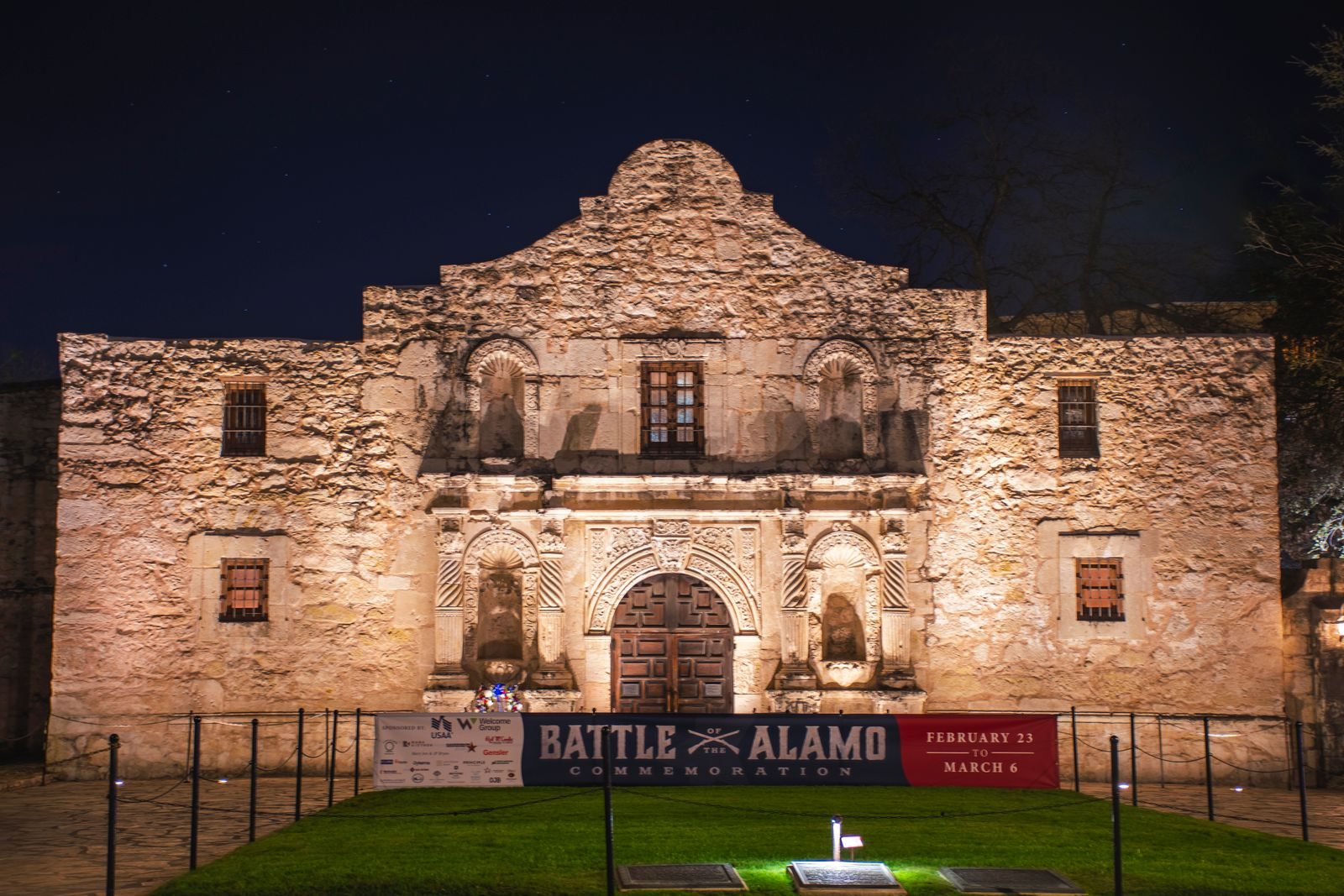
You cannot visit San Antonio without seeing the Alamo, the former Spanish mission where a small band of defenders made their famous last stand in 1836. It sits right in the heart of downtown, smaller than most people expect, and free to enter. Go early to beat the crowds and the heat, take the guided tour or audio guide to understand what you are looking at, and give yourself time in the peaceful gardens and the newer exhibits that tell the fuller story.
What surprised us most is that the Alamo is only one of five Spanish colonial missions in the city, and the other four are arguably more beautiful and far less crowded.
The San Antonio Missions
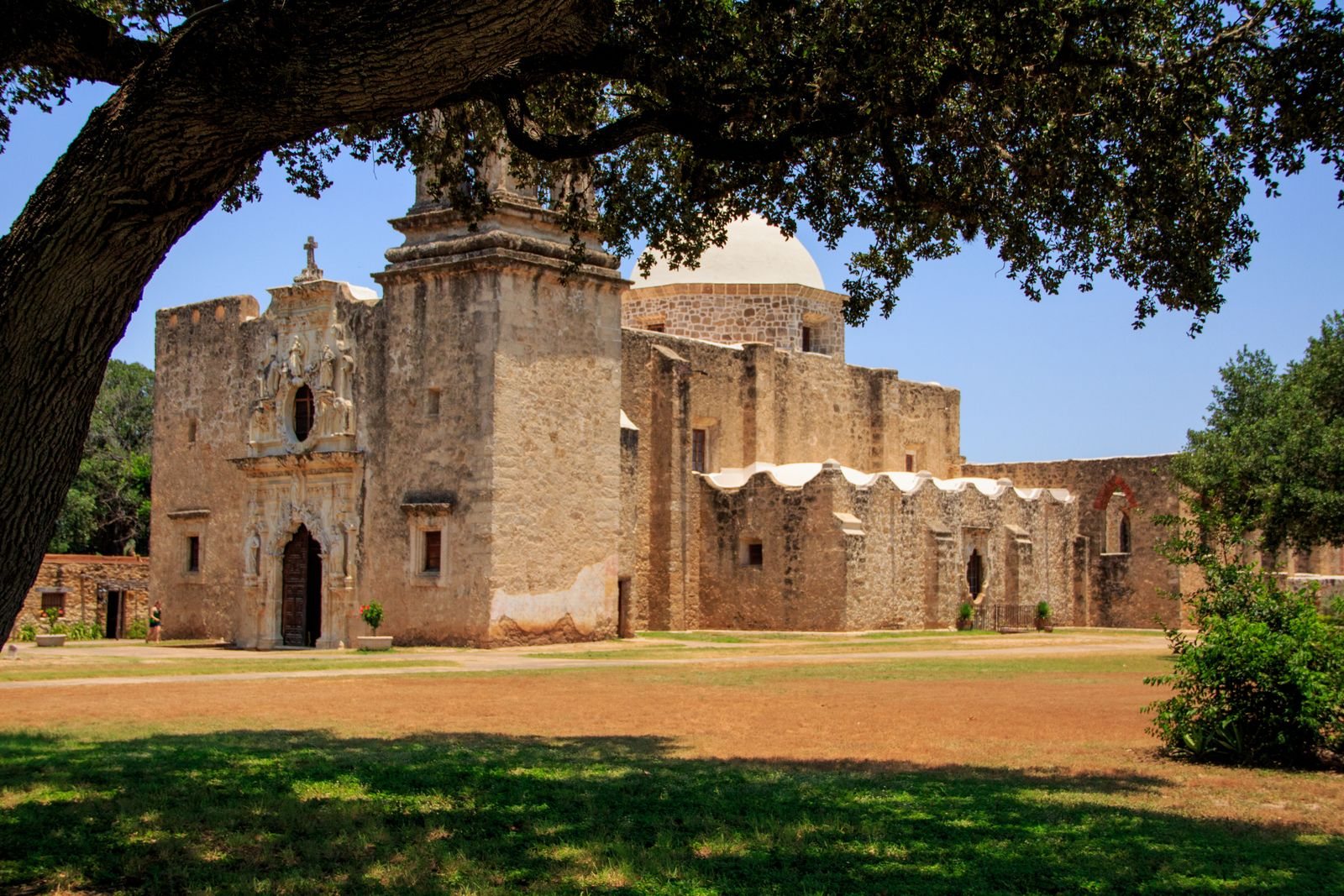
The four southern missions, Concepción, San José, San Juan, and Espada, form a UNESCO World Heritage Site and are connected by a paved hike-and-bike trail along the river. Mission San José, the “Queen of the Missions,” is the showstopper, with its grand church, restored grounds, and famous Rose Window. Entry is free, and you can drive or bike between them. We rented bikes and spent a half day on the Mission Reach trail, and it was the highlight of our trip. Most visitors never make it past the Alamo, so you will often have these gorgeous, centuries-old churches nearly to yourself.
Doing the River Walk Right
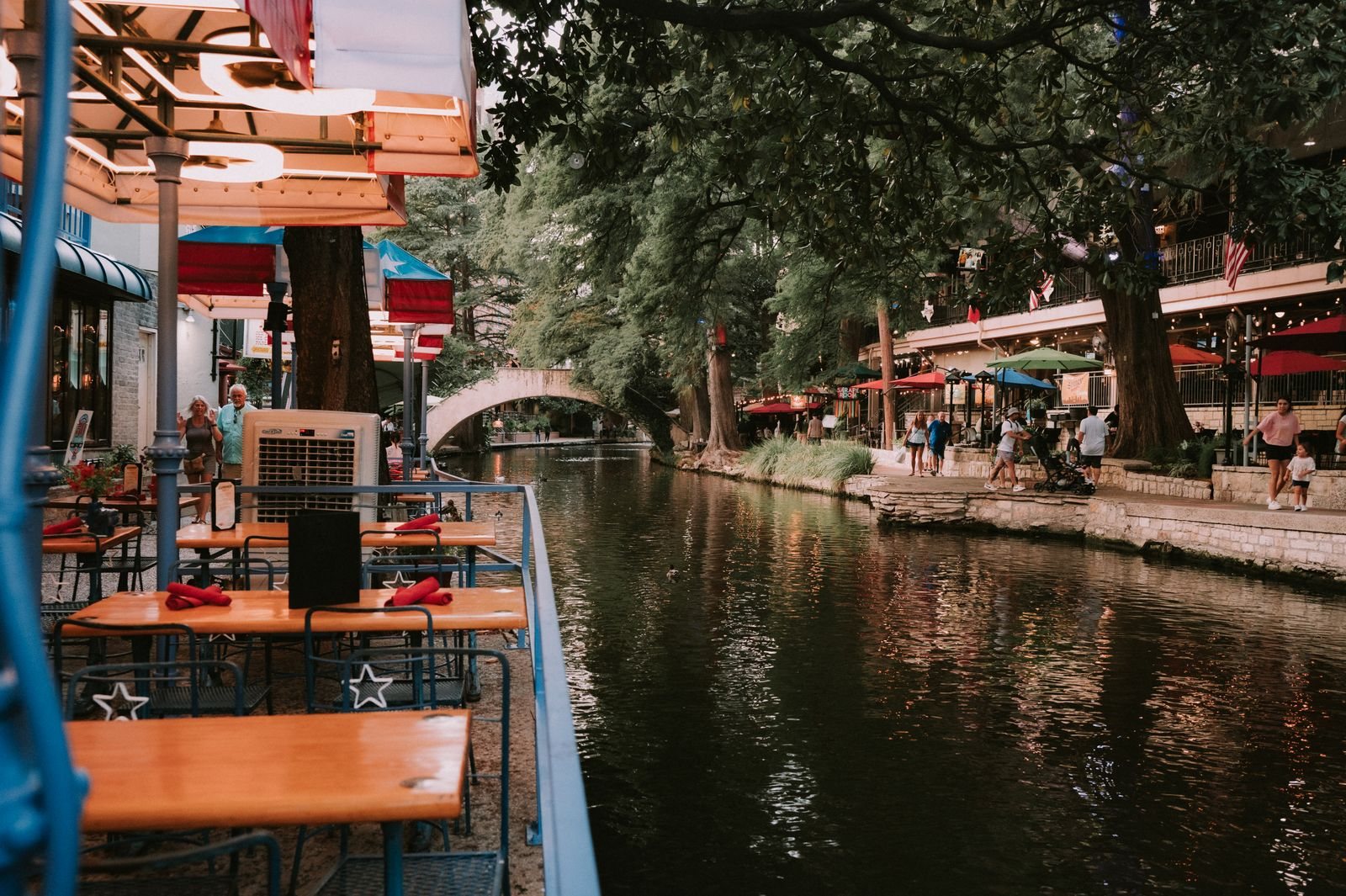
The River Walk, or Paseo del Río, is San Antonio’s crown jewel: a network of stone walkways winding along the San Antonio River one level below the downtown streets, lined with cypress trees, restaurants, bars, and hotels. It is beautiful, but the central stretch is also the most touristy part of the city, with overpriced, mediocre restaurants competing for your attention.
Here is how we recommend doing it. Stroll the main downtown loop for the atmosphere, especially in the evening when the lights reflect on the water, but do not feel obligated to eat at the first patio that waves you in. Take one of the GO RIO river barge cruises for a fun, narrated overview of the history. Then head north to the quieter, leafier stretch toward the Pearl District, which is where the magic really happens.
The Pearl District
A former brewery transformed into the city’s best food, drink, and shopping destination, the Pearl is where locals actually hang out. The Saturday and Sunday farmers market is excellent, the restaurants are top-tier, and the whole area has a relaxed, modern energy that balances out the historic downtown. It gave us the same creative, food-obsessed buzz we loved in nearby Austin, just over an hour up the highway.
Where to Eat in San Antonio
The food alone is worth the trip. San Antonio is a Tex-Mex and barbecue paradise, with deep Mexican roots that show up on every menu.
Puffy tacos are a San Antonio specialty you will not find done this well anywhere else, with the tortilla fried until it puffs up light and crispy. Ray’s Drive Inn and Henry’s Puffy Tacos are the classic spots.
Breakfast tacos are a way of life here. Grab a few from a no-frills local spot, wrapped in foil, filled with bean and cheese, barbacoa, or potato and egg. They are cheap, enormous, and unforgettable.
Barbecue runs deep in Texas, and while the legendary Hill Country joints are a drive away, the city has excellent options. Smoked brisket, ribs, and sausage with all the sides is a must.
Mexican food at spots like Mi Tierra, a colorful, festive institution in Market Square that has been open around the clock for decades, is a San Antonio rite of passage. Order the enchiladas, let the strolling mariachis serenade your table, and save room for a slice of tres leches from the bakery counter on your way out.
Beyond the classics, San Antonio’s food scene has quietly grown into something special. The Pearl District alone could fill a weekend of eating, from wood-fired everything to one of the best brunches in the city. Southtown has a creative, chef-driven energy, and the city’s Mexican-American culinary heritage even earned it a UNESCO Creative City of Gastronomy designation, one of only a couple in the entire country. Come hungry and pace yourself, because you will want to eat your way across town.
For more Southern food-city inspiration, our New Orleans travel guide and Nashville travel guide cover two more cities where the food alone justifies the flight.
Beyond Downtown
San Antonio has plenty to fill extra days beyond the historic core.
Market Square (El Mercado)
The largest Mexican market in the United States, packed with stalls selling crafts, pottery, and souvenirs, plus festive restaurants and frequent live music. Touristy but genuinely fun, especially on a weekend.
The Witte Museum and Brackenridge Park
A wonderful natural history and Texas heritage museum sits beside Brackenridge Park, a sprawling green space with the San Antonio Zoo, a Japanese tea garden, and shady spots for a picnic.
Natural Bridge Caverns
About 30 minutes north of the city, these are the largest commercial caverns in Texas, with stunning underground formations and guided tours. A great half-day trip, especially to escape summer heat.
San Antonio Botanical Garden
A peaceful 38-acre garden with a beautiful conservatory, native Texas landscapes, and a children’s area. A lovely, low-key morning.
Day Trips into the Texas Hill Country
One of the best reasons to give San Antonio an extra day is its position right at the edge of the Texas Hill Country, a region of rolling hills, wineries, peach orchards, and charming small towns.
Fredericksburg, about 70 minutes northwest, is the heart of Texas wine country, a German-settled town with a walkable Main Street full of tasting rooms, biergartens, and boutiques. The surrounding wineries rival far more famous regions, and nearby Enchanted Rock is a giant pink granite dome you can hike for sweeping views.
New Braunfels and Gruene, about 35 minutes northeast, are tubing and historic-charm country. Float the Comal or Guadalupe River on a hot day, then two-step at Gruene Hall, the oldest dance hall in Texas, where the live music is the real deal.
Bandera, the self-proclaimed “Cowboy Capital of the World,” offers dude ranches and an authentic taste of Texas ranch culture less than an hour west.
If you have a car and a free day, the Hill Country shows you a completely different, slower side of Texas, and it pairs beautifully with the city.
Where to Book Your San Antonio Trip
Hotels: Search San Antonio hotels on Booking.com. Staying on or near the River Walk puts you within walking distance of the Alamo and downtown dining, while the Pearl and Southtown areas offer more local character.
Tours and Activities: Browse San Antonio tours on Viator, including River Walk cruises, Alamo and missions history tours, food tours, hop-on-hop-off trolleys, and day trips to the Hill Country.
Getting There: San Antonio International Airport (SAT) sits just 20 minutes from downtown. Our guide to finding cheap flights covers the fare-tracking strategies we use to keep airfare down.
Where to Stay in San Antonio
On the River Walk is the most convenient choice for first-timers, putting you steps from the Alamo, downtown restaurants, and the river barges. Historic hotels like the Menger (right next to the Alamo) and grand options like the Mokara add real character.
The Pearl District is where we would stay to feel like a local, with Hotel Emma, a stunning boutique hotel inside the old brewery, as the standout splurge.
Southtown and King William is the historic, artsy neighborhood just south of downtown, full of beautiful old homes, galleries, and cafés, with charming bed-and-breakfast options.
Near the airport or the Medical Center offers the most affordable chain hotels if you have a car and do not mind a short drive into the action.
A Perfect 3-Day San Antonio Itinerary
Day 1: Start early at the Alamo before the crowds, then explore downtown and the central River Walk. Take a river barge cruise, browse Market Square, and have dinner at Mi Tierra.
Day 2: Spend the morning at the UNESCO missions, biking or driving the Mission Trail with Mission San José as the centerpiece. In the afternoon, head to the Pearl District for the market, shopping, and a great dinner along the quieter northern River Walk.
Day 3: Take a half-day trip to Natural Bridge Caverns or relax at the Botanical Garden and Brackenridge Park. Finish with one last round of puffy tacos and a stroll along the river at golden hour.
Practical Tips We Learned the Hard Way
- See the Alamo early. It opens to crowds and heat fast. First thing in the morning is calm and comfortable.
- Do not eat on the busiest stretch of the River Walk. Walk a few minutes to the Pearl or Southtown for far better food at fairer prices.
- Bring comfortable shoes and sun protection. This is a walking city, and the Texas sun is no joke from late spring through early fall.
- Use the river for the missions. The Mission Reach hike-and-bike trail is a beautiful, free way to connect the southern missions.
- Budget more time than you think. Most people give San Antonio a day and regret it. Two to three days lets the city breathe.
- Visit in spring or during the holiday lights for the best weather and atmosphere, and book ahead if your trip overlaps with Fiesta.
How Many Days Do You Need in San Antonio?
A full day covers the Alamo and the central River Walk, but that is the tourist-brochure version of the city. Two days lets you add the missions and the Pearl, which is where San Antonio truly shines. Three days gives you room for a day trip, a slower pace, and time to eat your way through the Tex-Mex scene without rushing. If you are road-tripping Texas, San Antonio pairs perfectly with Austin just over an hour north for a fantastic long weekend.
San Antonio surprised us in the best way. It is historic without feeling stuffy, affordable without feeling cheap, and so warm and welcoming that it felt like the kind of place you tell your friends about the second you get home. Consider this your nudge to go.
For more Southern and Texas travel inspiration, pair this guide with our Austin, Texas travel guide, New Orleans travel guide, and Nashville travel guide for a full Southern road trip.