Disclosure: This post contains affiliate links. If you book through our links, we may earn a small commission at no extra cost to you. Thanks for supporting Faceted Travel!
Table of Contents
- When to Visit Austin
- Getting to Austin and Getting Around
- The Barbecue (Plan Your Trip Around It)
- Live Music: The Real Austin
- Outdoor Austin: Springs, Trails & Bats
- South Congress and Beyond
- Where to Book Your Austin Trip
- Where to Stay in Austin
- A Perfect 3-Day Austin Itinerary
- Day Trips and the Texas Hill Country
- Austin on a Budget
- Practical Tips We Learned the Hard Way
- How Many Days Do You Need in Austin?
We waited two hours in line for brisket and would do it again tomorrow. That sentence pretty much sums up Austin. This is a city that takes its barbecue, its live music, and its swimming holes seriously, and somehow stays laid-back about all of it. Between the smoke, the songs, and a spring-fed pool right in the middle of town, Austin gave us one of the most fun long weekends we have had in the States.
This Austin travel guide covers when to visit, where the best barbecue actually is, how to navigate the live music scene, the outdoor spots that locals love, where to stay, and the practical things we wish someone had told us before we went.
When to Visit Austin
Austin’s weather and its festival calendar both matter when you plan.
Spring (March to May) is the best time to visit, and everyone knows it. Wildflowers (the bluebonnets are a Texas event), warm but not brutal temperatures, and a packed calendar headlined by SXSW in March. If you are not coming for the festival, note that SXSW sends hotel prices through the roof, so book very early or sidestep those dates.
Fall (September to November) is the other sweet spot: the summer heat finally breaks, the patios reopen, and Austin City Limits festival takes over Zilker Park across two October weekends.
Summer (June to August) is hot, regularly over 100 degrees. The upside is that this is exactly what the swimming holes are for, and hotel rates dip. Plan outdoor time for early morning and evening, and lean into Barton Springs midday.
Winter (December to February) is mild, quiet, and affordable. Days in the 60s are common, and you can still enjoy patios and the occasional warm afternoon. The lowest crowds of the year.
Getting to Austin and Getting Around
Austin-Bergstrom International Airport (AUS) is about 15 minutes from downtown and easy to reach by rideshare. If you are comparing fares, our guide to finding cheap flights covers our go-to tools.
Austin is more spread out than walkable, so you will rely on rideshare, a rental car, or both. Downtown, South Congress, and East Austin are walkable within themselves, but getting between districts usually means a short drive. We used rideshare for nights out (parking downtown is a hassle and the music districts are tight) and a rental car for the day we explored the Hill Country. If you are planning multiple day trips, a rental car makes sense for the whole stay.
The Barbecue (Plan Your Trip Around It)
Let us be honest about why a lot of people come to Austin. Texas barbecue is a religion here, and the brisket is the holy grail.
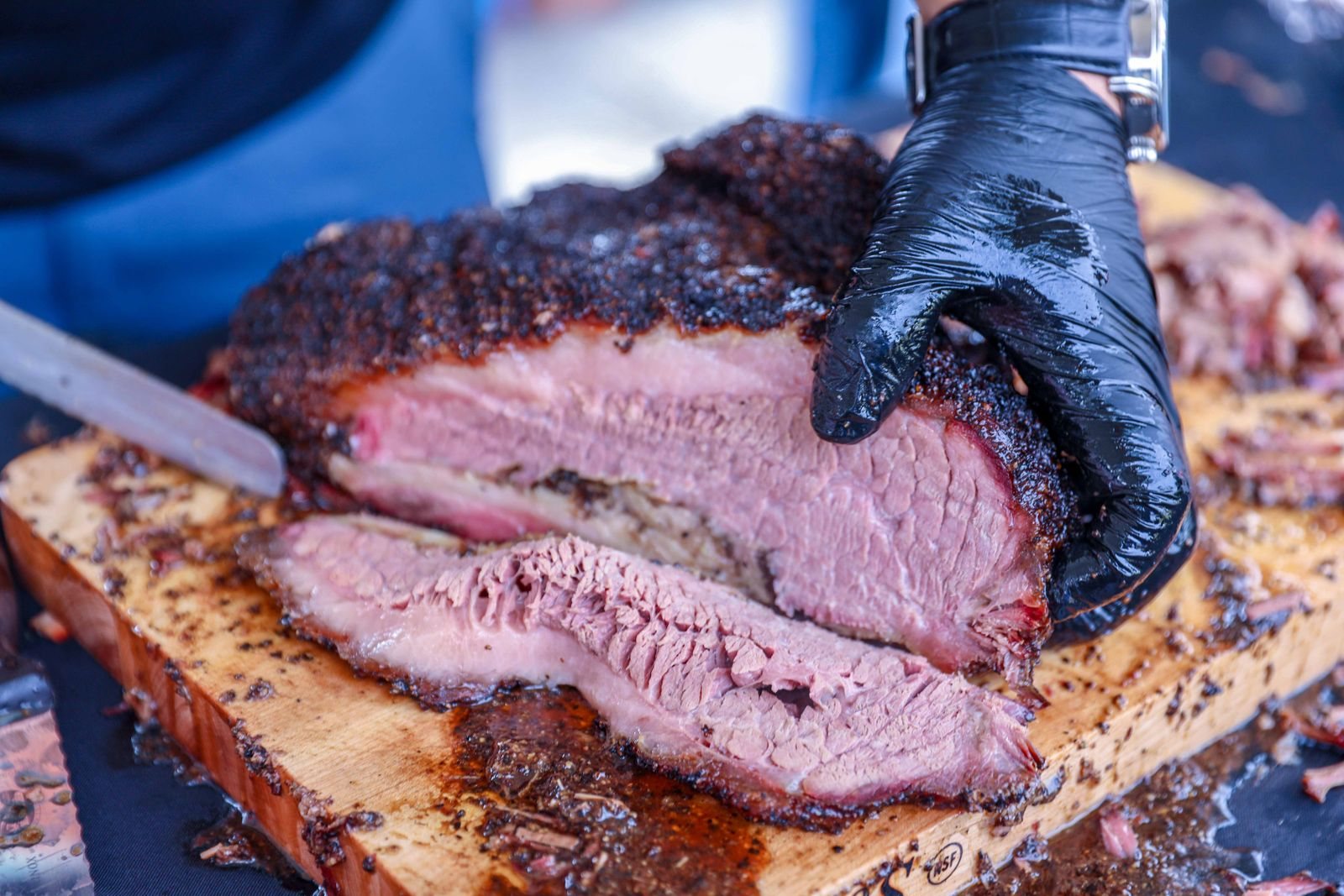
Franklin Barbecue is the legend, and the line forms before it opens. Yes, the wait can run a couple of hours. Yes, it sells out. We went, we waited, and the brisket genuinely lived up to it. If you go, arrive early with a folding chair and a good attitude.
If you would rather not stand in line, Austin is loaded with world-class alternatives. la Barbecue, Terry Black’s, and Stiles Switch all serve outstanding brisket with shorter waits. And some of the best barbecue in central Texas is actually a short drive away: the small town of Lockhart, about 40 minutes south, is the official Barbecue Capital of Texas, with several legendary smokehouses in one tiny town.
Order tip from a couple of out-of-towners who learned fast: get the brisket (ask for moist, also called fatty), pork ribs, and a sausage link, plus whatever sides look good. It is sold by weight. Do not overorder on your first round; you can always go back.
Live Music: The Real Austin
Austin calls itself the Live Music Capital of the World, and after a few nights out, we are not going to argue.
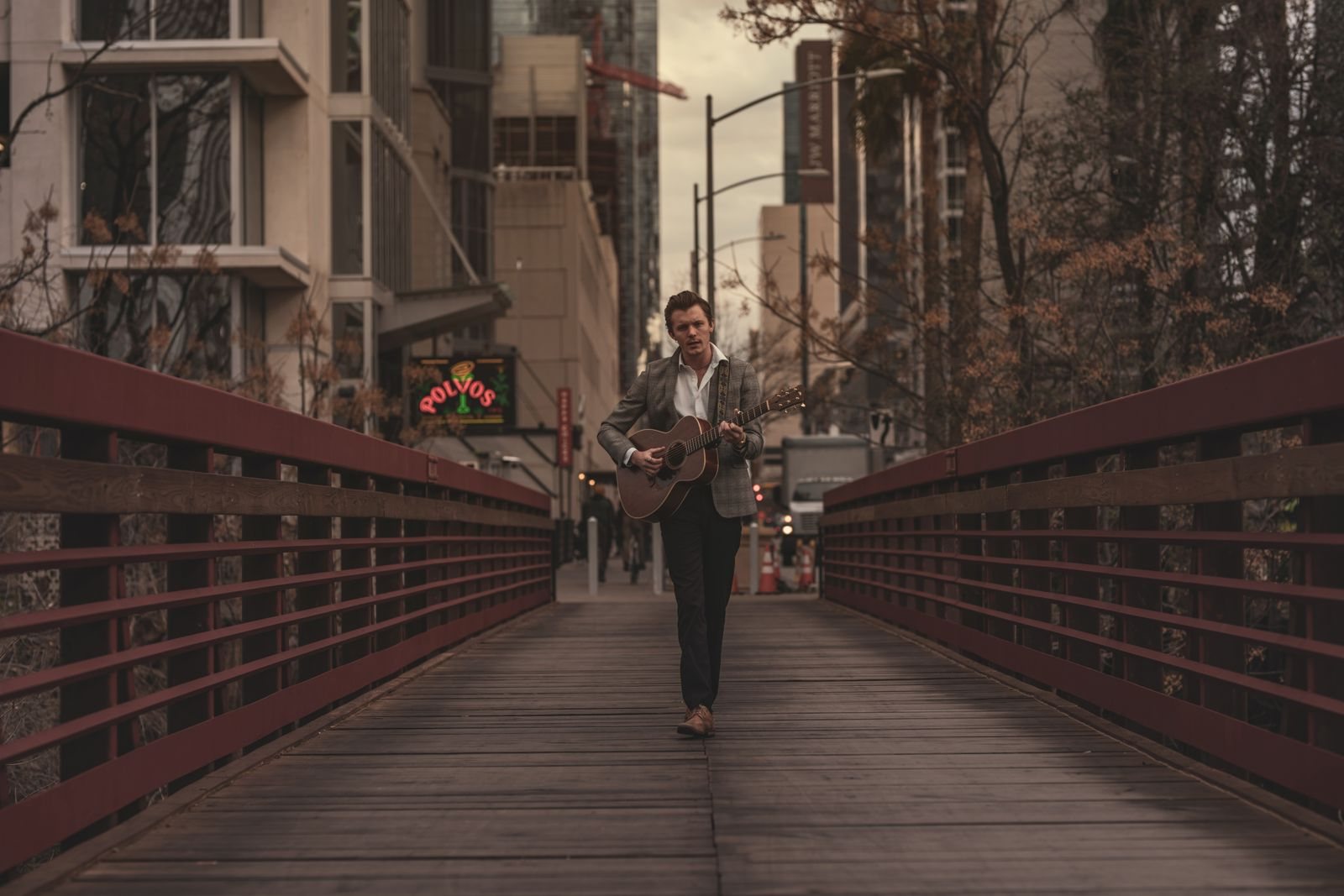
Sixth Street is the famous (and rowdy) downtown strip of bars and music, fun for a younger crowd and a wild night. Rainey Street is mellower, a row of converted bungalows turned into bars with patios and food trucks. The Red River Cultural District is where the serious live-music venues cluster, including the legendary Mohawk and Stubb’s.
For something quintessentially Austin, catch a taping or a show in the spirit of Austin City Limits, the long-running TV program the city is named after in part. And do not overlook the dance halls: a night of two-stepping at the Broken Spoke, a true Texas honky-tonk, was one of our favorite memories of the whole trip.
The best part is how much live music is free or cheap. You can wander into a bar on any given night and catch genuinely great players. Tip the band and buy a drink.
Outdoor Austin: Springs, Trails & Bats
Austin surprised us with how outdoorsy it is.
Barton Springs Pool is the city’s crown jewel: a three-acre, spring-fed swimming pool inside Zilker Park that stays a refreshing 68 to 70 degrees year-round. On a hot day there is nowhere better. Go early to beat the crowds.
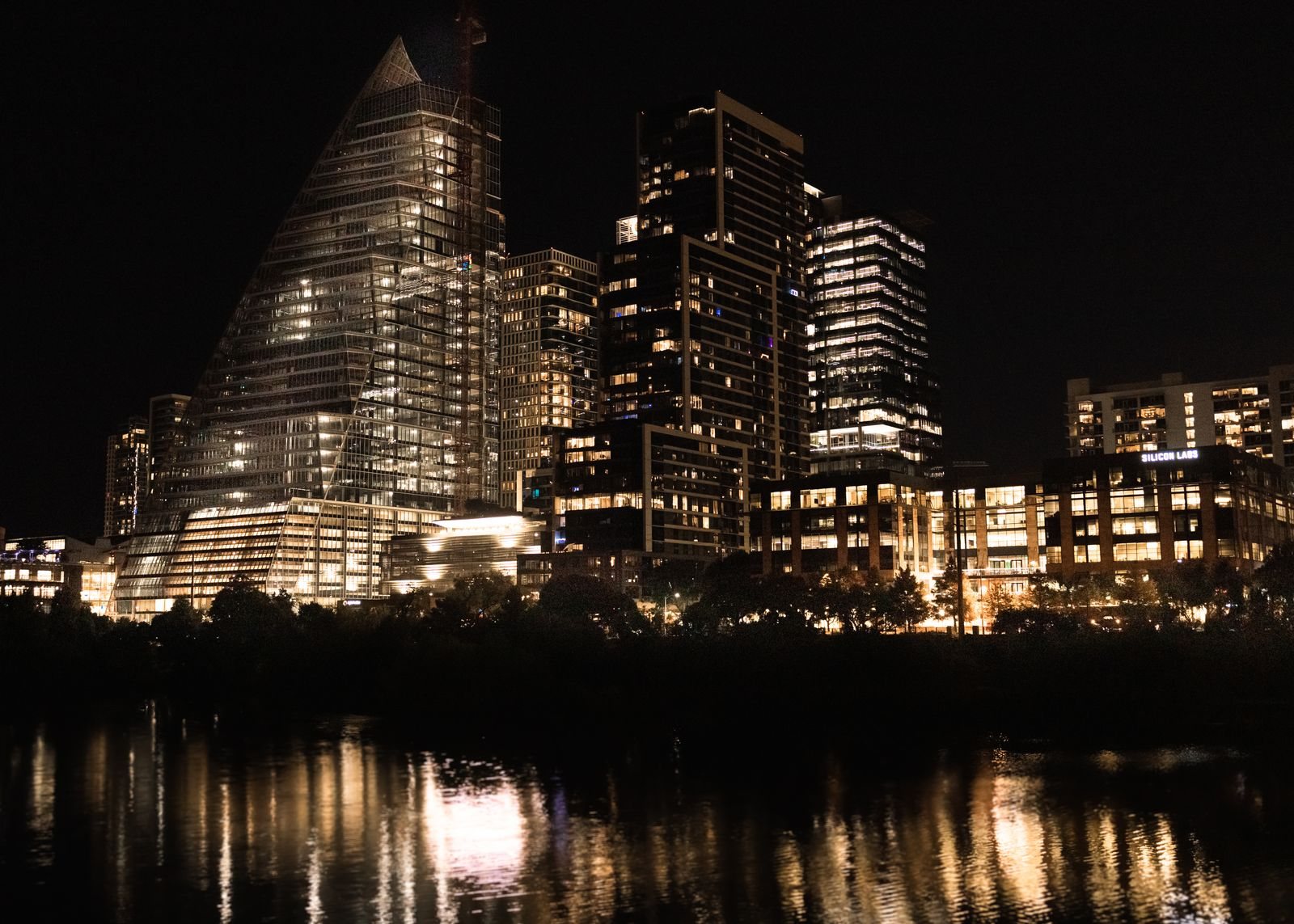
Lady Bird Lake (the river through downtown) has a 10-mile hike-and-bike trail loop that locals run, walk, and paddle. Rent a kayak or stand-up paddleboard and you get the skyline from the water.
The Congress Avenue Bridge bats. From roughly March through October, around 1.5 million Mexican free-tailed bats stream out from under the bridge at dusk. It is the largest urban bat colony in North America, and watching the cloud pour into the sunset sky is genuinely surreal. Free, and one of the most uniquely Austin things you can do.
Mount Bonnell gives you the best easy view in the city, a short climb to a overlook above the Colorado River. Sunset is the move.
South Congress and Beyond
South Congress (SoCo) is the most photogenic stretch in Austin: vintage shops, boutiques, food trailers, the famous “i love you so much” mural, and the “Greetings from Austin” postcard mural. It is touristy and worth it.
East Austin is where the food and bar scene has exploded, full of taquerias, cocktail bars, breweries, and street art. Some of our best meals and drinks were over here.
And the tacos. Breakfast tacos are an Austin institution and a budget traveler’s best friend. A couple of bucks gets you a filling, delicious breakfast. We tried to eat one every morning and mostly succeeded.
Where to Book Your Austin Trip
Hotels: Search Austin hotels on Booking.com. Downtown puts you within walking distance of the music districts; South Congress is trendier and more relaxed.
Tours & Activities: Browse Austin tours on Viator including barbecue and food tours, Hill Country wine and distillery trips, kayak tours on Lady Bird Lake, and bat-watching cruises.
Getting Here Cheaply: AUS is a major hub with lots of competition. See our guide to finding cheap flights.
Saving on the Trip: Austin can add up fast during festivals. Our best travel credit cards guide helps stretch the budget on flights and hotels.
Where to Stay in Austin
Downtown is the most convenient base, walkable to Sixth Street, Rainey Street, and Lady Bird Lake, and best if nightlife and music are your priority. Highest rates.
South Congress (SoCo) offers a hip, walkable, slightly more relaxed home base near boutiques and food trailers, with the skyline a short ride away.
East Austin is great for food lovers who want a local, creative neighborhood feel at better value.
Budget tip: rates swing wildly with the festival calendar. The same hotel can triple during SXSW or ACL. If you are flexible, avoid those dates and visit in late spring or early winter instead.
A Perfect 3-Day Austin Itinerary
Day 1: Breakfast tacos, explore South Congress, swim at Barton Springs in the afternoon, then dinner and live music on Rainey Street, ending with the bats at the Congress Avenue Bridge at dusk.
Day 2: Get in the barbecue line early (Franklin or an alternative), spend the afternoon paddling Lady Bird Lake or walking the hike-and-bike trail, then explore East Austin’s food and bars.
Day 3: Day trip to the Hill Country (wineries, the town of Fredericksburg, or the swimming hole at Hamilton Pool, which requires a reservation), or detour to Lockhart for legendary barbecue. End with two-stepping at the Broken Spoke.
Day Trips and the Texas Hill Country
If you have a day to spare, the Texas Hill Country west of Austin is a beautiful, easygoing detour. Fredericksburg, about 90 minutes out, is a German-heritage town with a walkable main street, wineries, peach stands in summer, and Enchanted Rock State Natural Area nearby for an easy granite-dome hike with big views. The drive itself, through rolling hills dotted with wildflowers in spring, is half the pleasure.
Closer in, Hamilton Pool Preserve is a stunning collapsed-grotto swimming hole about 45 minutes from downtown (reservations required, and worth it). Jacob’s Well near Wimberley is another iconic Hill Country swimming spot. And Lockhart, 40 minutes south, is the barbecue pilgrimage we mentioned earlier, an entire small town built around legendary smokehouses.
Wine has quietly become a big deal out here, too. The stretch of US-290 between Austin and Fredericksburg is lined with tasting rooms, and a designated-driver day or a guided wine tour makes for a relaxed afternoon away from the city.
Austin on a Budget
Austin can get expensive during festival season, but outside those weeks it is friendlier to a budget than its reputation suggests. The breakfast tacos are the secret weapon: a couple of dollars buys a filling, delicious start to the day, every day. Food trailers and taquerias across the city keep lunch and dinner cheap and excellent.
So much of what makes Austin special is free. Barton Springs is a few dollars to enter (and free in the early morning before the booth opens). The Congress Avenue Bridge bats, the hike-and-bike trail around Lady Bird Lake, the murals of South Congress, and the climb up Mount Bonnell all cost nothing. Live music spills out of bars all over town with no cover charge most nights, so you can have an unforgettable evening for the price of a couple of drinks and a generous tip to the band. To keep flights and hotels affordable, our best travel credit cards guide is a good place to start.
Practical Tips We Learned the Hard Way
- Book hotels early around festivals. SXSW (March) and ACL (October) spike prices dramatically. Check the calendar before you book.
- Franklin Barbecue sells out. Arrive well before opening with a chair, or pick an equally great alternative with a shorter line.
- Hydrate in summer. Texas heat is no joke. Carry water, and save midday for Barton Springs.
- Hamilton Pool requires a reservation. Do not just show up; book your slot ahead.
- Rideshare downtown at night. Parking near the music districts is tight and expensive.
- Bats are seasonal. They are gone in deep winter, so check the season before you plan your evening around them.
How Many Days Do You Need in Austin?
Two days covers the essentials: barbecue, South Congress, Barton Springs, the bats, and a night of live music. Three days is our sweet spot, adding a Hill Country day trip and time to dig into East Austin’s food scene. Four or more lets you slow down, branch out to Lockhart and Fredericksburg, and catch more music without trying to cram it in.
Austin rewards a relaxed pace. Eat well, listen to a lot of music, jump in the springs, and let the city’s easygoing rhythm set yours.
If you are touring the South and Southwest, pair Austin with our guides to Nashville, New Orleans, and Scottsdale, Arizona for a music-and-food road trip you will be talking about for years.