


Disclosure: This post contains affiliate links. We may earn a commission if you apply for a card through our links, at no extra cost to you. We only recommend cards we believe in. Thanks for supporting Faceted Travel!
We didn’t start collecting travel points until embarrassingly late. For years we paid full price for flights while friends told us they were flying to Europe in business class for free. We thought it was complicated, exclusive, or required some kind of financial wizardry.
It’s not. Getting your first travel credit card is genuinely one of the highest-ROI decisions a traveler can make — and you don’t have to be a points nerd to benefit. This guide is for people who want to start earning free flights and hotel nights without spending their weekends in spreadsheets.
Why Travel Credit Cards Are Worth It
The math is simple. Most travel credit cards offer a sign-up bonus worth $500–$1,000+ in travel value if you meet a minimum spend threshold in the first few months. That alone can pay for a round-trip flight to Europe or a week of hotel nights in Hawaii.
On top of the sign-up bonus, you earn points on every purchase — typically 1–3x on everyday spending, and 3–5x on travel and dining. If you pay your balance in full each month (which you absolutely should), the annual fee is usually more than offset by the perks you use.
We’ve funded trips to Kauai, Maui, and international destinations significantly through points and miles. It genuinely works — you just have to start.
What to Look for in a Travel Credit Card
Before picking a card, think about how you’ll actually use it. A few things to consider:
Sign-up bonus: The biggest bang for your buck. Look for a bonus worth at least $400–500 in travel value, with a minimum spend requirement you can realistically hit in 3 months.
Earning rate: How many points per dollar do you earn on everyday purchases? Cards that bonus dining and travel are more useful for most people.
Annual fee: Many great cards charge $95–$550/year. Don’t let this scare you — if you use the perks (lounge access, travel credits, hotel status), the math almost always works in your favor.
Travel protections: Trip cancellation insurance, baggage delay coverage, and primary rental car insurance can save you hundreds. These are worth more than people realize.
Foreign transaction fees: Any card you use internationally should have no foreign transaction fees. Full stop.
Best Travel Credit Cards for Beginners
Chase Sapphire Preferred — Best Overall for Beginners
This is the card we recommend to almost everyone starting out. The Chase Sapphire Preferred has an $95 annual fee that pays for itself quickly, and it earns Chase Ultimate Rewards points — one of the most flexible and valuable point currencies out there.
Why we love it: Chase Ultimate Rewards points transfer to over a dozen airline and hotel partners including United, Southwest, Hyatt, and British Airways. You can also book travel directly through Chase at 1.25 cents per point. The sign-up bonus is routinely worth $750+ in travel.
Best for: First travel card, couples who want one card, people who want flexibility without obsessing over one airline or hotel chain.
Earning rate: 3x on dining, 2x on travel, 1x on everything else. Also earns 5x on travel booked through Chase.
Key perks: Trip cancellation/interruption insurance, baggage delay insurance, primary rental car insurance, no foreign transaction fees.
Chase Sapphire Reserve — Best for Frequent Travelers
The Reserve is the premium version of the Preferred — higher annual fee ($550) but significantly more perks. If you travel more than 4–5 times per year, the math often favors the Reserve.
Why we love it: A $300 annual travel credit effectively reduces the real annual fee to $250. Then add Priority Pass lounge access (free airport lounges worldwide), a 50% points bonus when redeeming through Chase, and excellent travel protections. It stacks up.
Best for: Frequent travelers who fly through major airports, people who value lounge access, cardholders who will use the travel credit every year.
Earning rate: 3x on dining and travel (after the $300 credit), 1x elsewhere. 10x on Chase travel portal bookings.
Capital One Venture Rewards — Best Simple Card for Travelers
The Capital One Venture is the simplest travel card on this list. Earn 2x miles on every purchase, no categories to track, and redeem against any travel purchase at 1 cent per mile. The sign-up bonus is consistently generous and the $95 annual fee is easy to justify.
Why we love it: No category complexity. Just swipe, earn 2x on everything, and wipe out travel charges from your statement. Capital One miles also transfer to over 15 airline partners including Air Canada, Turkish Airlines, and Avianca — useful for savvy award bookings.
Best for: People who want a simple earning structure, travelers who don’t want to track bonus categories, anyone who finds the Chase ecosystem overwhelming.
Capital One Venture X — Best Premium Card for Under $400
The Venture X is Capital One’s answer to the Chase Sapphire Reserve — a premium card with a $395 annual fee that’s largely offset by a $300 annual travel credit (for bookings through Capital One Travel) and 10,000 anniversary bonus miles.
Why we love it: Lounge access via Priority Pass plus Capital One’s own growing network of branded lounges. Excellent earning rates (10x on hotels and car rentals through Capital One, 5x on flights, 2x on everything else). Real net cost for most users is well under $100/year.
Best for: Travelers who want premium perks without the $550 price tag, frequent flyers who want lounge access, people who book travel through Capital One’s portal.
Chase Freedom Unlimited — Best No-Annual-Fee Option
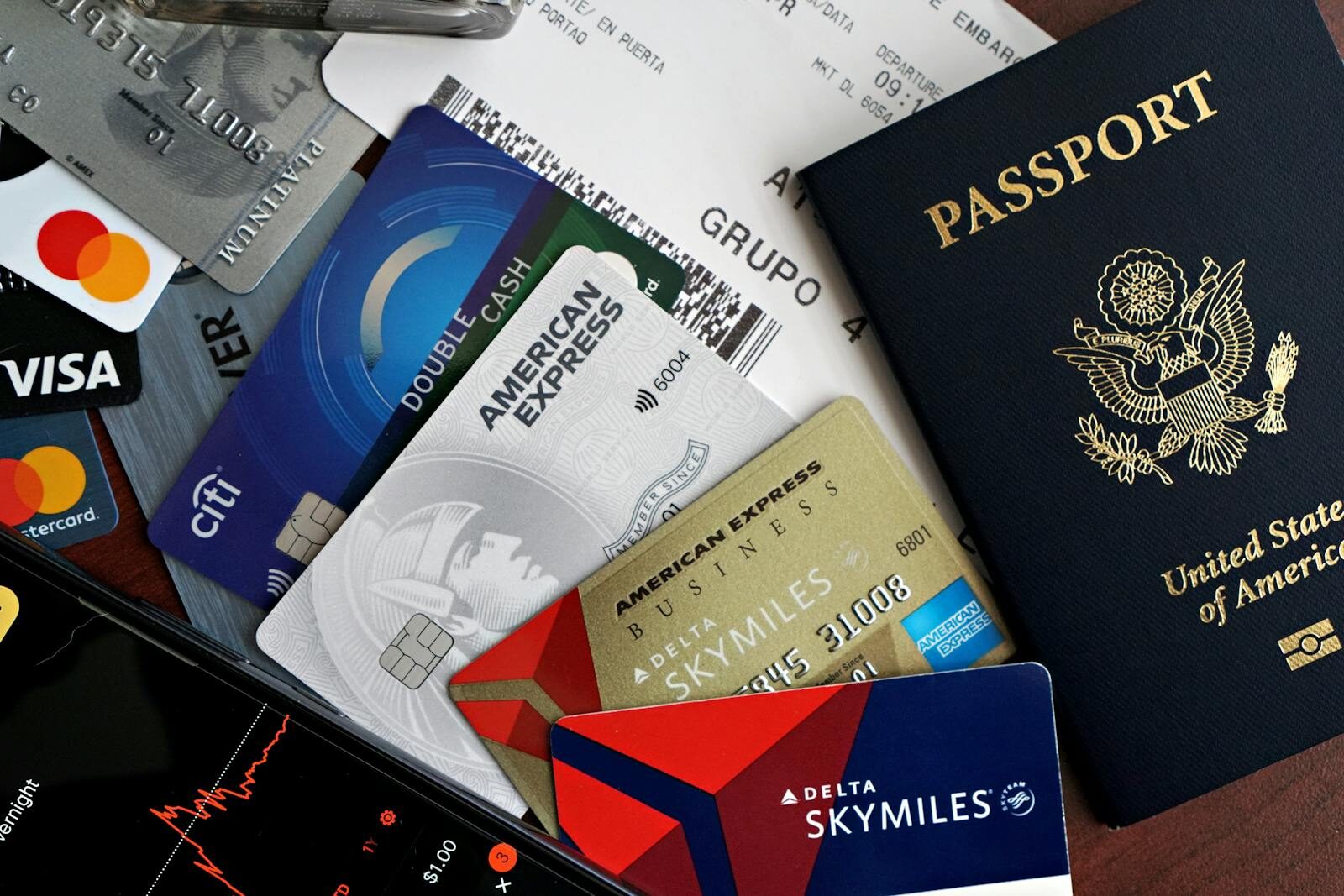
If you’re not ready to pay an annual fee, the Chase Freedom Unlimited earns 1.5x Chase Ultimate Rewards points on every purchase with no annual fee. On its own it’s solid — but it’s even more powerful if you pair it with a Sapphire card, since you can combine points and redeem them at higher rates.
Best for: Beginners who aren’t ready for an annual fee, existing Chase Sapphire cardholders who want a no-fee companion card, people building a Chase ecosystem.
Should You Get More Than One Card?
Eventually, yes — but not immediately. Start with one card, use it for 6–12 months, and get comfortable earning and redeeming points before adding another. The classic “two-card combo” most points enthusiasts recommend is a Chase Sapphire (for travel and dining) paired with a Chase Freedom card (for everything else).
Also important: applying for multiple cards in a short period affects your credit score. Space applications at least 6 months apart, and never apply for a new card if you have a major loan (mortgage, car) coming up in the next year.
How to Maximize Your Sign-Up Bonus
The sign-up bonus requires hitting a minimum spend threshold — typically $3,000–$4,000 in the first 3 months. A few strategies to hit this without manufacturing spend:
Apply right before a large planned purchase. Pay your estimated quarterly taxes on the card (IRS accepts credit cards with a small processing fee that’s worth it for the bonus). Book travel, insurance, or annual subscriptions on the card. Pay recurring bills — phone, streaming, utilities if your provider accepts credit cards.
Whatever you do, pay your statement balance in full every month. The interest from carrying a balance will erase any points value almost instantly.
Travel Cards We’ve Used Personally
We’ve held the Chase Sapphire Preferred, Chase Sapphire Reserve, and Capital One Venture X at various points. Our current everyday setup is the Sapphire Reserve for travel and dining and a Freedom card for everything else — all points pool in Chase Ultimate Rewards and we transfer to Hyatt and United for the highest redemption values.
For trips like our Hawaii visits, we’ve used points for flights that would have cost $800–$1,200 per person. The annual fees pay for themselves in a single good redemption.
How to Apply
All the cards listed here can be found via Commission Junction or directly through the card issuers. Always check for current sign-up bonus offers before applying, as bonuses fluctuate throughout the year. Applications are quick — most decisions are instant.
Final Thoughts
If you travel even twice a year and don’t have a travel credit card, you’re leaving real money on the table. Start with one card that fits your spending habits, hit the sign-up bonus, and get a feel for how points work. A year from now you’ll wonder why you waited.
For more ways to make your travel budget go further, check out our guides on budget travel from Denver and Iceland on a budget.
One Reply to “Best Travel Credit Cards for Beginners: Our Top Picks”
Comments are closed.