Disclosure: This post contains affiliate links. If you book through our links, we may earn a small commission at no extra cost to you. Thanks for supporting Faceted Travel!
Table of Contents
- When to Visit Portland
- Getting to Portland and Getting Around
- The Food (Yes, It Deserves Its Own Section)
- Best Neighborhoods to Explore
- A Forest Inside the City: Outdoor Portland
- Day Trips from Portland
- Where to Book Your Portland Trip
- Where to Stay in Portland
- Practical Tips We Learned the Hard Way
- Portland on a Budget
- Portland with Kids
- How Many Days Do You Need in Portland?
We came to Portland expecting quirk and left talking about the food. Yes, the city earns its weird reputation (there is a whole shop devoted to vacuum cleaners and a parade of unicyclists in costume), but what stuck with us was a maple-bacon doughnut at 8am, a bowl of ramen in a food cart pod, and an entire forest inside the city limits. Portland is a city you eat and walk your way through, and it rewards travelers who slow down.
This Portland travel guide covers when to go, how to get around without a car, the food scene that deserves its hype, the best neighborhoods, day trips to the Columbia River Gorge and the coast, and the mistakes we made so your trip goes smoother than ours did.
When to Visit Portland
Portland has a reputation for rain, and the reputation is fair. The trick is knowing which months reward you.
Summer (June to September) is glorious and the worst-kept secret in the Pacific Northwest. Dry, sunny days in the 70s and low 80s, long evenings, rooftop patios, and farmers markets overflowing. This is peak season, so hotels cost more and the popular spots have waits, but the weather is the payoff.
Fall (October to November) brings golden foliage, smaller crowds, and crisp hiking weather before the rains settle in. We love early October here.
Winter (December to February) is gray, drizzly, and cozy. Prices drop, the coffee shops fill, and you trade outdoor time for bookstores, breweries, and museums. If you do not mind the damp, it is a calm and affordable time to visit.
Spring (March to May) is unpredictable: cherry blossoms and tulip fields one day, steady rain the next. Pack layers and a real rain jacket (locals do not use umbrellas, and you will spot tourists instantly).
Getting to Portland and Getting Around
Portland International Airport (PDX) is consistently ranked one of the best airports in the country, and it is an easy 20-minute MAX light rail ride from downtown for a few dollars. If you are weighing flight options, our guide to finding cheap flights covers the tools we lean on.
Here is the good news: Portland is one of the easiest American cities to enjoy without a car. The MAX light rail, streetcar, and bus network (all run by TriMet) cover the city well, and the central neighborhoods are flat and extremely walkable. Portland is also genuinely one of the most bike-friendly cities in the country, with protected lanes and rental bikes everywhere.
You will only want a car for day trips to the Columbia River Gorge, the coast, or Mount Hood. We rented one for two days in the middle of our trip and returned it, which kept parking costs down while still getting us out of town.
The Food (Yes, It Deserves Its Own Section)
Portland punches absurdly above its weight on food, and a lot of it is affordable. This is the part of the trip we still talk about.
Food Carts
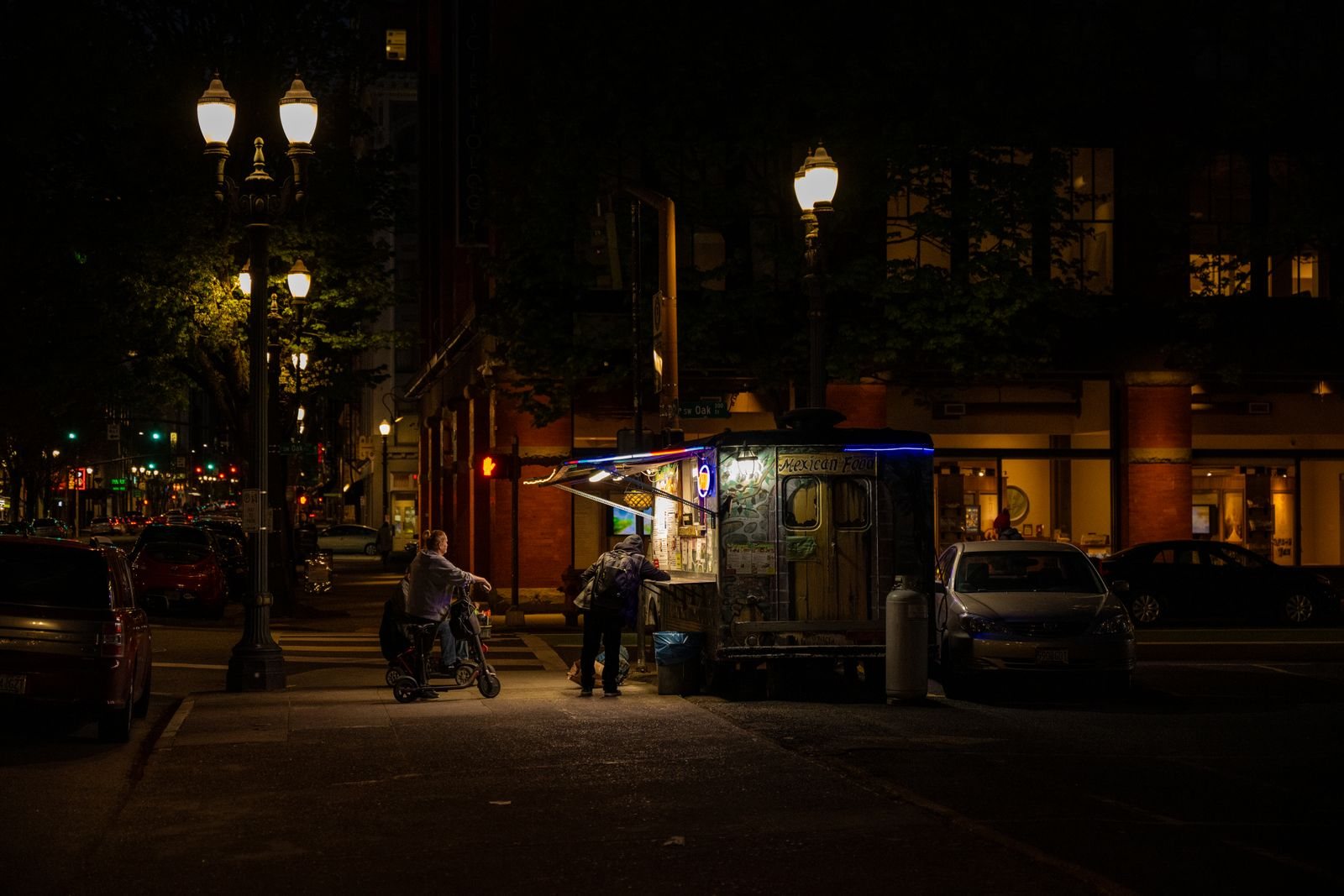
Portland’s food carts are not an afterthought; they are a destination. The carts cluster in “pods,” and each pod is its own little international food court. Our favorites were the pods around the central east side, where one lap might offer Thai, Georgian dumplings, Detroit pizza, and Egyptian street food. Most plates run well under what a sit-down meal would cost, which makes the food carts a budget traveler’s dream.
Doughnuts and Coffee
You will hear about Voodoo Doughnut, and the pink boxes are iconic, but locals tend to point you toward Blue Star Donuts for the grown-up flavors. Either way, do it once. For coffee, Portland is serious: Stumptown started here, and Coava, Heart, and Good Coffee all roast beautifully. We are not big coffee snobs and even we noticed the difference.
Sit-Down Meals
For a proper dinner, Portland’s chefs work with some of the best produce, seafood, and mushrooms in the country. Reserve ahead for the buzzy spots. We had a memorable Pacific Northwest tasting meal and an unforgettable bowl of pho, and the bill at both was gentler than the equivalent would have been in Seattle or San Francisco. Speaking of which, if you are touring the West Coast, our Seattle travel guide and San Francisco travel guide round out the trip nicely.
Best Neighborhoods to Explore
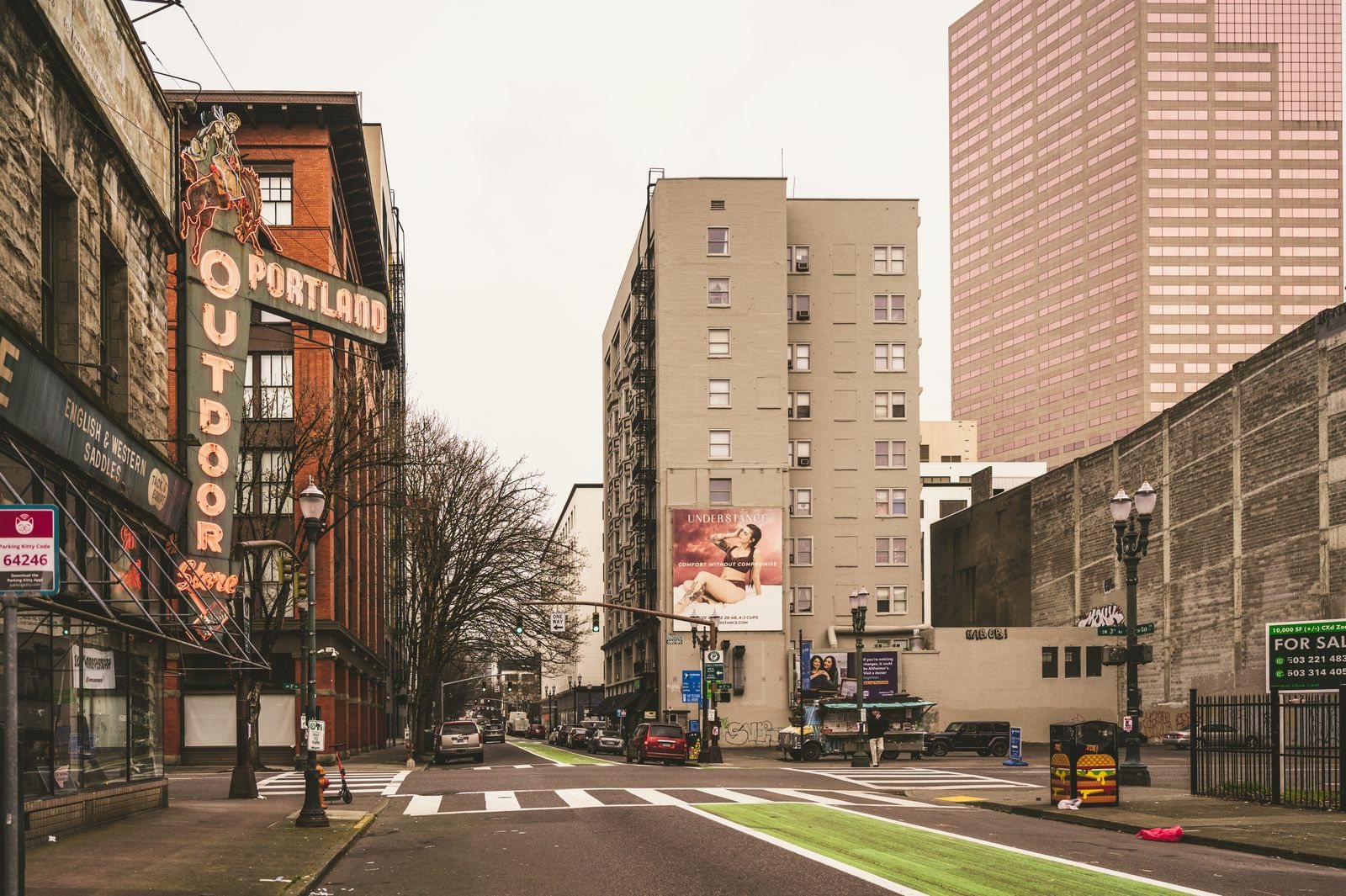
Downtown and the Pearl District. The walkable core, home to Powell’s City of Books (an entire city block of books, and yes, you will lose an hour), galleries, the Saturday Market, and the streetcar. The Pearl is the polished former-warehouse district with boutiques and restaurants.
Alberta Arts District. Murals, indie shops, and a great strip of restaurants in the northeast. Time your visit for the Last Thursday art walk if you can.
Hawthorne and Division (Southeast). This is the Portland of the postcards: vintage shops, bookstores, breweries, and some of the best food carts and restaurants in the city, all very walkable.
Mississippi and Williams (North). A revitalized stretch of patios, music venues, and food, lively on a summer evening.
A Forest Inside the City: Outdoor Portland
The thing that surprised us most about Portland is how much nature sits inside the city. Forest Park is one of the largest urban forests in the country, with more than 80 miles of trails. We hiked the Wildwood Trail to Pittock Mansion and got a sweeping view of the city with Mount Hood floating behind it on a clear day. It felt impossible that we were 15 minutes from downtown.
Washington Park packs in the International Rose Test Garden (Portland is the City of Roses, and the garden is free), the Japanese Garden (worth the admission, one of the most authentic outside Japan), the Hoyt Arboretum, and the Oregon Zoo. You can easily spend half a day here.
The Tom McCall Waterfront Park along the Willamette River is the spot for a riverside walk or a bike ride, especially in spring when the cherry trees bloom along the Japanese American Historical Plaza.
Day Trips from Portland
This is where having a car for a day or two pays off.
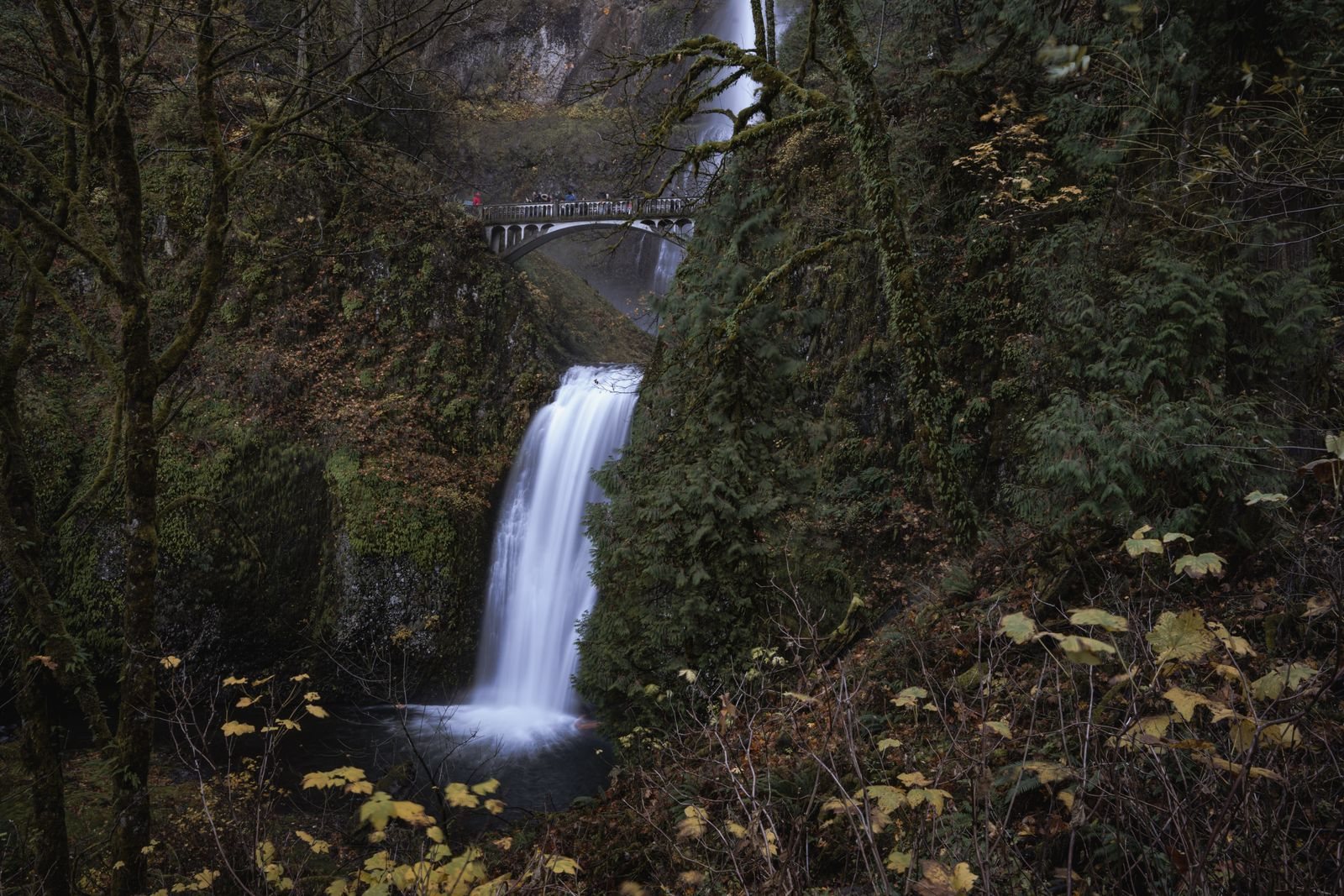
Columbia River Gorge. Just 30 minutes east, the Gorge is a parade of waterfalls. Multnomah Falls is the famous 620-foot showstopper (reserve a timed-entry permit in summer), but the Historic Columbia River Highway strings together a dozen more. Add the Vista House at Crown Point for a jaw-dropping overlook.
Mount Hood. Oregon’s tallest peak, about 90 minutes away, with historic Timberline Lodge (the exterior from The Shining) and year-round views. In summer you hike wildflower meadows; in winter you ski.
The Oregon Coast. Cannon Beach with its iconic Haystack Rock is about 90 minutes west, and the drive through the Coast Range is pretty in its own right. The coast is moody, dramatic, and cooler than the city, so pack a jacket even in July.
Willamette Valley Wine Country. Forty-five minutes south, this is Pinot Noir country, with rolling vineyards and tasting rooms. An easy, scenic afternoon.
Where to Book Your Portland Trip
Hotels: Search Portland hotels on Booking.com. Downtown and the Pearl District put you closest to the walkable core and the MAX line.
Tours & Activities: Browse Portland tours on Viator including food cart tours, Columbia River Gorge waterfall day trips, brewery crawls, and Mount Hood excursions.
Getting Here Cheaply: PDX is well served from most US hubs. Our guide to finding cheap flights walks through the strategies we actually use.
Packing: Portland weather rewards layers and a real rain shell. Our packing list for Europe translates surprisingly well to a Pacific Northwest trip.
Where to Stay in Portland
Downtown and the Pearl District are the easiest home base for first-timers: walkable, on the MAX line, and close to Powell’s and the waterfront. Expect the highest rates here.
Southeast (Hawthorne or Division) puts you in the heart of the food and bar scene with a more local, residential feel and slightly better value.
Northeast (Alberta or Mississippi) is great for a hip, low-key stay near excellent restaurants.
Budget tip: Portland has no sales tax, which quietly saves you money on everything from meals to shopping. For cheaper rooms, look just outside the central neighborhoods and use the MAX to get in.
Practical Tips We Learned the Hard Way
- Skip the umbrella, bring a rain jacket. The rain is usually a fine mist, not a downpour, and a hood handles it. Waterproof shoes are worth it from October through May.
- Reserve Multnomah Falls and the Japanese Garden ahead in summer. Both use timed entry, and slots go fast.
- No sales tax means the price on the tag is the price you pay. Budget accordingly (in a good way).
- Powell’s is overwhelming in the best way. Grab a store map at the entrance or you will wander happily for hours.
- Carry a card for the food carts, but many also take cash, and some of the smallest take cash only. Keep a few bills.
- Tipping is expected at carts and counters here, same as full restaurants.
Portland on a Budget
Portland is one of the better-value cities on the West Coast, and a little planning stretches your dollars a long way. The biggest quiet win is that Oregon has no sales tax, so the price you see is the price you pay on meals, coffee, and shopping. That adds up fast over a few days.
The food carts are the single best budget move in the city. A genuinely excellent lunch from a cart often costs a fraction of a sit-down meal, and the variety means you never get bored. Pair a cart lunch with a splurge dinner and you eat well all day without blowing the budget.
Many of Portland’s best experiences are free or close to it. Forest Park, the International Rose Test Garden, the waterfront, Powell’s, the Saturday Market, and people-watching across the neighborhoods all cost nothing. Skip the rental car and rely on the MAX light rail and your own two feet, which saves on both the rental and downtown parking. If you do want a few paid experiences, our best travel credit cards guide can help you offset flights and hotels with points.
Portland with Kids
We have found Portland to be a surprisingly easy city with kids. The Oregon Zoo and the Portland Children’s Museum sit right in Washington Park, an easy MAX ride from downtown. The Oregon Museum of Science and Industry (OMSI) on the east bank of the river is a rainy-day lifesaver, with hands-on exhibits and a planetarium. Powell’s has a huge, welcoming kids’ section (the Rose Room), and the food carts let everyone in the family pick exactly what they want, which heads off a lot of mealtime negotiation.
For outdoor time, the easy lower trails in Forest Park, the splash-friendly fountains downtown in summer, and the gentle paths around the waterfront all work well for little legs. Cannon Beach on the coast is a classic family day trip, with tide pools around Haystack Rock to explore at low tide.
How Many Days Do You Need in Portland?
Two days lets you cover the food carts, Powell’s, a couple of neighborhoods, and one green space like Washington Park or Forest Park. Three days is our sweet spot: it adds a full day trip to the Columbia River Gorge plus time to explore the southeast at a relaxed pace. Four or five days lets you fold in Mount Hood, the Oregon Coast, and wine country without rushing.
Portland is best enjoyed slowly. It is not a checklist city of must-see monuments; it is a city of neighborhoods, meals, and small discoveries. Give it room to surprise you.
If the Pacific Northwest and the great outdoors are calling, pair Portland with our guides to Seattle, Lake Tahoe, and San Francisco to build the ultimate West Coast road trip.