Disclosure: This post contains affiliate links. If you book through our links, we may earn a small commission at no extra cost to you. Thanks for supporting Faceted Travel!
Table of Contents
We will let you in on a secret the locals already know: the rain reputation is the best thing that ever happened to Seattle. It keeps the crowds manageable while the city quietly delivers world-class food, stunning waterfront views, and a mountain on the horizon that stops you mid-sentence the first time the clouds part and Rainier appears. Our first trip to Seattle was supposed to be a quick stopover. We stayed five days and started planning the return flight home.
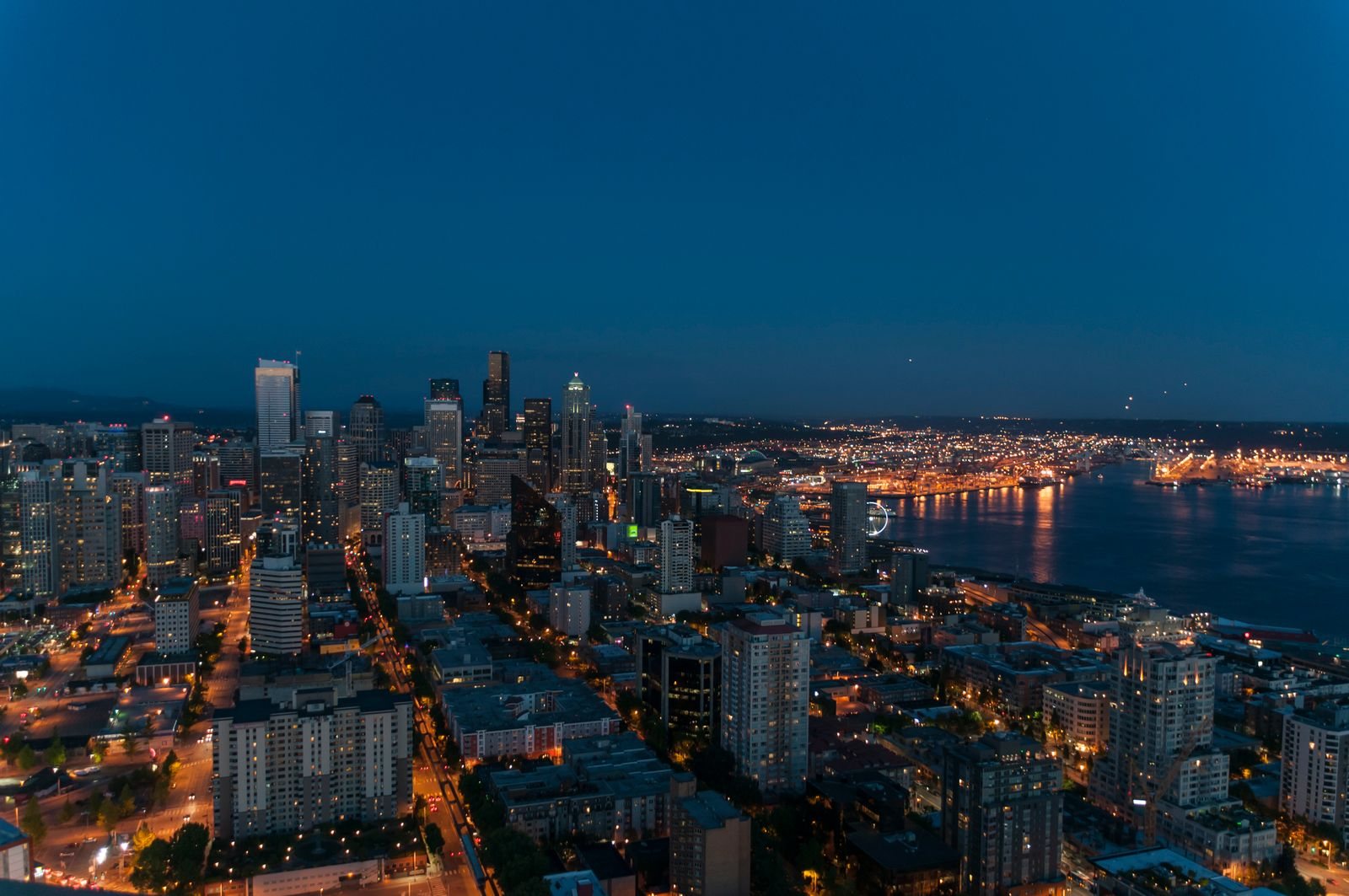
This Seattle travel guide pulls together everything from our visits: what to do, where to eat (this city punches far above its weight), which neighborhoods to explore, and the day trips that showcase why the Pacific Northwest has some of the best scenery in America.
When to Visit Seattle
July through September is prime time. Summers in Seattle are a beautifully kept secret: dry, sunny, and rarely above 80 degrees. The catch is that hotel prices peak and cruise season packs the waterfront.
Our favorite window is mid-September through mid-October. The weather usually holds, the summer crowds thin out, and fall color creeps into the parks.
Yes, it rains from November through March, but Seattle rain is mostly a persistent drizzle rather than a downpour. Locals do not carry umbrellas; they wear rain shells and carry on. Winter visits mean cozy coffee shops, museum days, and hotel rates that drop by a third or more.
One more tip: “Rainier days” are unpredictable. The mountain hides behind clouds more often than not, so when it is out, drop your plans and find a viewpoint.
Getting Around
Seattle’s transit is better than most American cities. The Link light rail runs from Sea-Tac Airport to downtown in about 40 minutes for a few dollars, which beats sitting in I-5 traffic in a $60 rideshare.
Downtown, Pike Place Market, the waterfront, and Pioneer Square are all walkable, though Seattle’s hills rival San Francisco’s. The monorail connects downtown to Seattle Center and the Space Needle in two minutes.
Rent a car only for day trips. Like most West Coast cities, downtown parking is pricey and break-ins happen. We base ourselves downtown without a car, then rent one for a day or two of mountain adventures.
The Essential Seattle Experiences
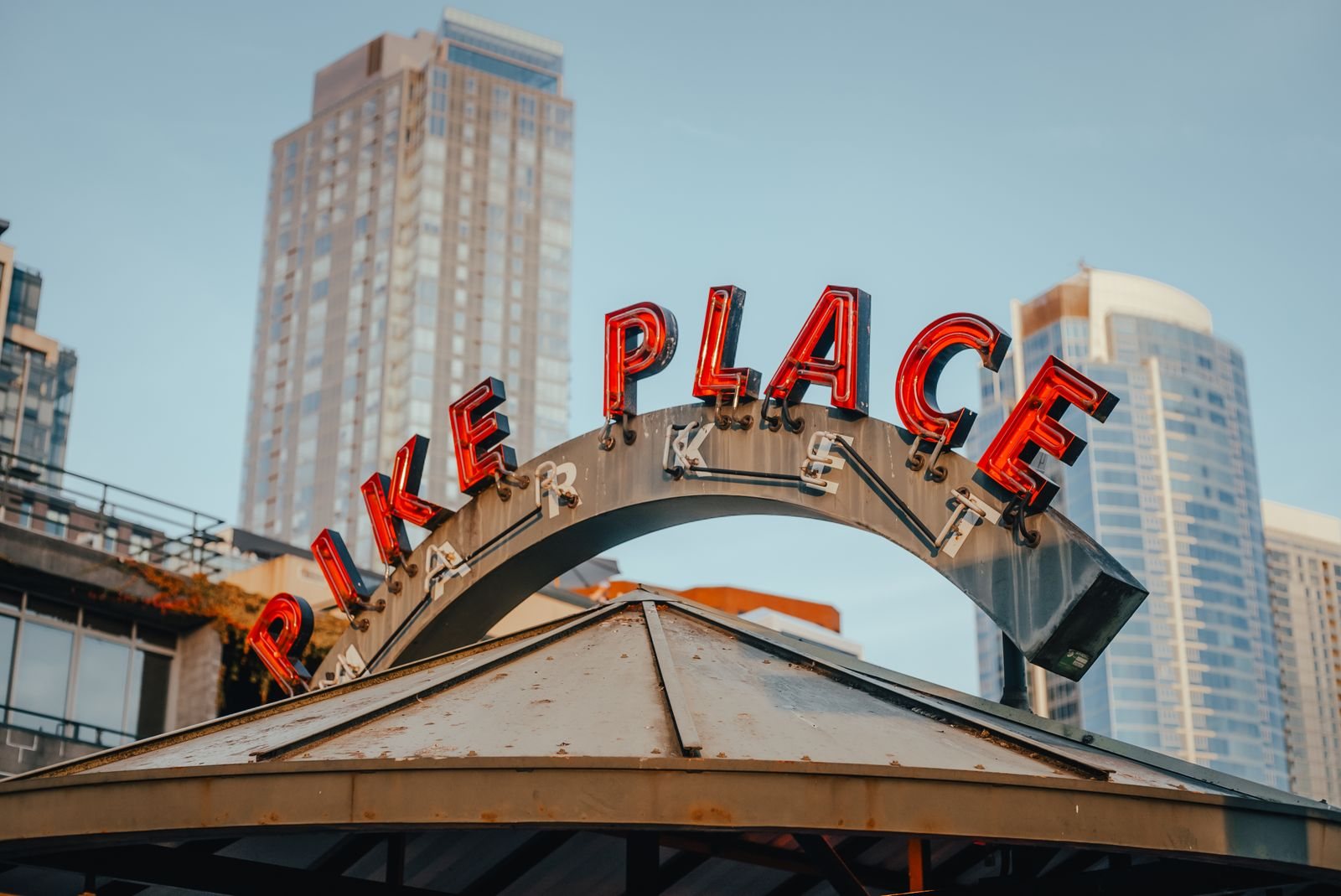
Pike Place Market
Skip nothing here. Pike Place is one of the oldest continuously operating farmers markets in the country, and it is genuinely worth the hype. Watch the fishmongers throw salmon, browse the flower stalls (the $15 bouquets are one of America’s great bargains), and explore the lower levels where most tourists never go.
Go early. The market opens at 9am and the magic hours are before 10:30, when the cruise crowds arrive. Grab a coffee at the original Starbucks if the line is short, but honestly, the better move is a cappuccino at Storyville Coffee overlooking the market floor.
Do not miss Rachel the bronze pig, the gum wall in Post Alley (gross and iconic), and a salmon sandwich from Market Grill.
The Space Needle and Seattle Center
The Space Needle earns its spot on your itinerary, especially since the renovation added a rotating glass floor. Sunset tickets sell out, so book ahead. On a clear day you get Rainier, the Olympics, the Cascades, and the city skyline all at once.
While you are at Seattle Center, the Chihuly Garden and Glass museum next door surprised us more than any attraction in the city. Even if glass art sounds niche, the garden room where sculptures tangle with real plants is unforgettable. The combo ticket with the Space Needle saves money.
The Museum of Pop Culture (MoPOP), housed in a swooping Frank Gehry building, covers everything from Nirvana and Jimi Hendrix to sci-fi and horror. Music fans should budget two hours minimum.
The Waterfront and Ferry Rides
Seattle’s rebuilt waterfront is made for wandering: piers, parks, the Seattle Aquarium, and the Great Wheel. But the best waterfront activity costs less than $10: ride a Washington State Ferry. The Bainbridge Island ferry gives you 35 minutes of skyline and Puget Sound views each way, and Bainbridge’s walkable main street makes a great lunch stop.
We rank this among the best cheap travel experiences in the country, right up there with the tips in our money-saving travel hacks post.
Pioneer Square and the Underground
Seattle’s oldest neighborhood hides a weird secret: after the Great Fire of 1889, the city rebuilt one story higher, leaving a buried network of storefronts and sidewalks underneath. Bill Speidel’s Underground Tour is corny in the best way and genuinely fascinating local history.
Neighborhoods Worth Your Time
Capitol Hill
Seattle’s liveliest neighborhood is dense with record shops, bars, and some of the city’s best restaurants. Come for dinner and stay for the evening. Volunteer Park at the north end has a conservatory and a water tower you can climb for free views.
Fremont
Self-declared “Center of the Universe,” Fremont is quirky Seattle distilled: a giant troll sculpture lurking under a bridge, a Sunday flea market, and craft breweries everywhere. Pair it with the adjacent Ballard neighborhood and the Hiram M. Chittenden Locks, where you can watch boats pass between Puget Sound and Lake Union while salmon climb the fish ladder in late summer.
Ballard
Once a Scandinavian fishing village, now Seattle’s best eating and drinking neighborhood outside Capitol Hill. The National Nordic Museum is excellent, the Sunday farmers market is the city’s best, and the brewery density is dangerous in the most pleasant way.
What to Eat in Seattle
Seattle’s food scene revolves around what the Pacific Northwest does best: seafood, produce, coffee, and Asian cuisine.
- Oysters. The Walrus and the Carpenter in Ballard is the famous one, and it deserves the praise. Happy hour oysters are a Seattle institution.
- Salmon. Wild-caught, everywhere, and better than whatever you get at home. Try a cedar plank preparation.
- Pho and teriyaki. Seattle’s Vietnamese food rivals any city outside Vietnam, and teriyaki shops are the city’s signature cheap lunch.
- Coffee. Beyond Starbucks: Victrola, Espresso Vivace, and Elm are our picks. Order a cortado and nobody will mistake you for a tourist.
- Dim sum in the Chinatown-International District. Jade Garden delivers carts of shrimp dumplings that justify the wait.
Day Trips from Seattle
Mount Rainier National Park
Two hours south, Rainier is the day trip to prioritize. The Paradise area lives up to its name in late July and August when the wildflower meadows peak. The Skyline Trail loop gives you glacier views, marmots, and that gigantic mountain filling the sky. Go on a weekday if you can; weekend parking fills by 9am.
If you love national parks, this one belongs on the same shelf as the big names. We would put a clear day at Paradise up against almost anything in our Yellowstone National Park travel guide.
Snoqualmie Falls
Forty minutes east, this 268-foot waterfall (taller than Niagara) made famous by Twin Peaks needs only an hour or two, making it the perfect half-day escape. Pair it with lunch in the town of Snoqualmie.
Olympic National Park
Doable as a very long day trip, but better as an overnight. Hurricane Ridge, the Hoh Rain Forest, and wild Pacific beaches pack three ecosystems into one park.
Bainbridge Island and Poulsbo
The easy one. Ferry across, rent a bike or walk to wineries and the excellent Bloedel Reserve gardens, and tack on the Norwegian-themed town of Poulsbo if you have a car.
Leavenworth and the Cascades
If you have an extra day, the Bavarian-themed mountain town of Leavenworth sits two hours east through some of the best scenery in the Cascades. It sounds like a gimmick, and it is, but it is a gimmick executed with total commitment: alpine architecture, bratwurst, beer gardens, and a backdrop of real mountains that would not look out of place in Austria. December turns the whole town into a Christmas card with half a million lights.
Whale Watching in the San Juan Islands
From May through September, orcas patrol the waters north of Seattle. Full-day trips run from the city, or you can drive to Anacortes and ferry into the islands for a slower, cheaper version of the same wildlife. Seeing a resident pod surface alongside the boat was one of those travel moments we still talk about years later. Book a tour with a naturalist on board; the context makes the sightings far richer.
The Best Views in Seattle
Seattle is a city built on hills between two mountain ranges, so the viewpoints are spectacular and most of them are free.
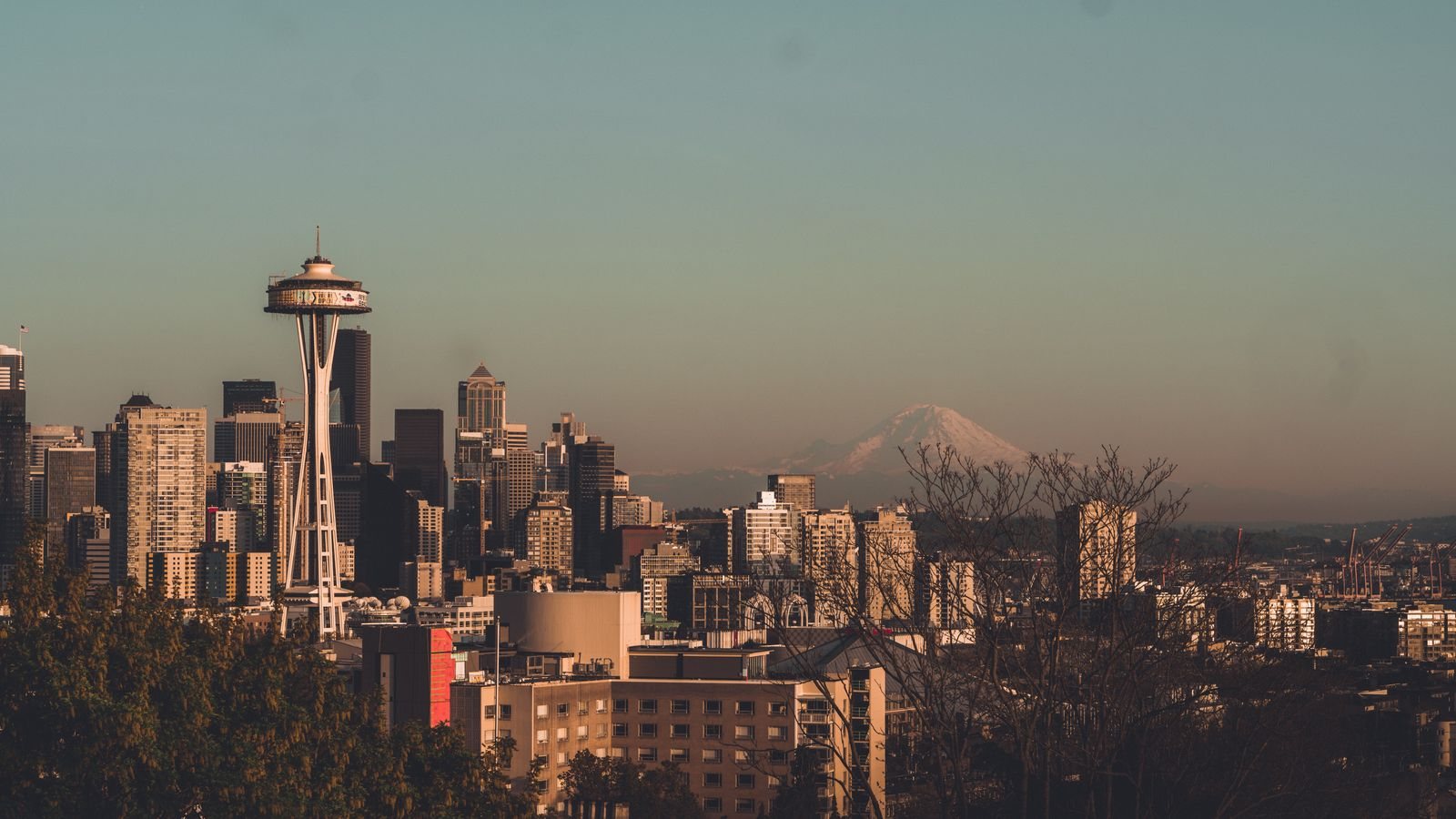
Kerry Park on Queen Anne Hill is the postcard shot: the Space Needle front and center, downtown behind it, and Mount Rainier looming in the background on clear days. Sunset draws a friendly crowd of photographers every evening.
Gas Works Park offers a completely different angle, looking south across Lake Union toward downtown, with the rusting remains of an old gasification plant in the foreground. Seaplanes land in front of you all afternoon. Bring a kite; everyone else does.
The Smith Tower observatory is our pick over the pricier alternatives. The 1914 building was once the tallest west of the Mississippi, the open-air deck has character the newer towers lack, and there is a speakeasy-style bar at the top.
Alki Beach in West Seattle gives you the skyline across Elliott Bay with a long sandy beach in front of it. Rent a kayak or just walk the strand. The water taxi from downtown makes getting there half the fun.
Seattle on a Budget
Seattle is not a cheap city, but it rewards budget travelers better than most. The ferry rides, parks, viewpoints, Ballard Locks, Pike Place people-watching, and Fremont’s public art cost little or nothing. First Thursdays bring free admission at many museums. Teriyaki shops, pho counters, and the Chinatown-International District keep meals under $15. And the light rail means you never need a rental car or airport transfer.
Where to Stay in Seattle
- First-timers: Downtown near Pike Place. You can walk everywhere and the market is your breakfast hall. The Inn at the Market is the splurge with the view; the Palihotel is the stylish mid-range pick.
- Couples: Capitol Hill or the waterfront. The Edgewater is built over the water and Beatles history.
- Families: Near Seattle Center. You are steps from the Space Needle, MoPOP, and the monorail.
- Budget travelers: Look at University District hotels near the light rail line, which gets you downtown in 15 minutes for a fraction of downtown rates.
Where to Book
These are the platforms we use to book our own Pacific Northwest trips:
- Hotels: Booking.com consistently has the best Seattle selection, and free cancellation matters when you are chasing a clear-weather window for Rainier.
- Tours and experiences: Viator handles our Mount Rainier day tours, Boeing factory tours, food tours of Pike Place, and whale watching trips to the San Juans.
Our Suggested 4-Day Itinerary
Day 1: Pike Place Market early, waterfront stroll, Bainbridge ferry round trip, dinner in Belltown.
Day 2: Space Needle and Chihuly in the morning, MoPOP after lunch, Capitol Hill for dinner and drinks.
Day 3: Mount Rainier day trip. Skyline Trail at Paradise, picnic with a view, early dinner back in the city.
Day 4: Fremont troll and Sunday market, Ballard Locks, oysters at the Walrus and the Carpenter, sunset from Kerry Park (the classic skyline photo spot).
Final Thoughts
Seattle is what happens when a major city grows up surrounded by water and mountains and decides to take full advantage of both. It is outdoorsy without being rugged, polished without being pretentious, and caffeinated beyond all reason. Give it four days, pray for a Rainier day, and pack a rain shell just in case.
Continuing your travels? Read our San Francisco travel guide for the West Coast’s other great city, our Banff National Park travel guide for more jaw-dropping mountain scenery, and our Denver travel guide for our home turf in the Rockies.