
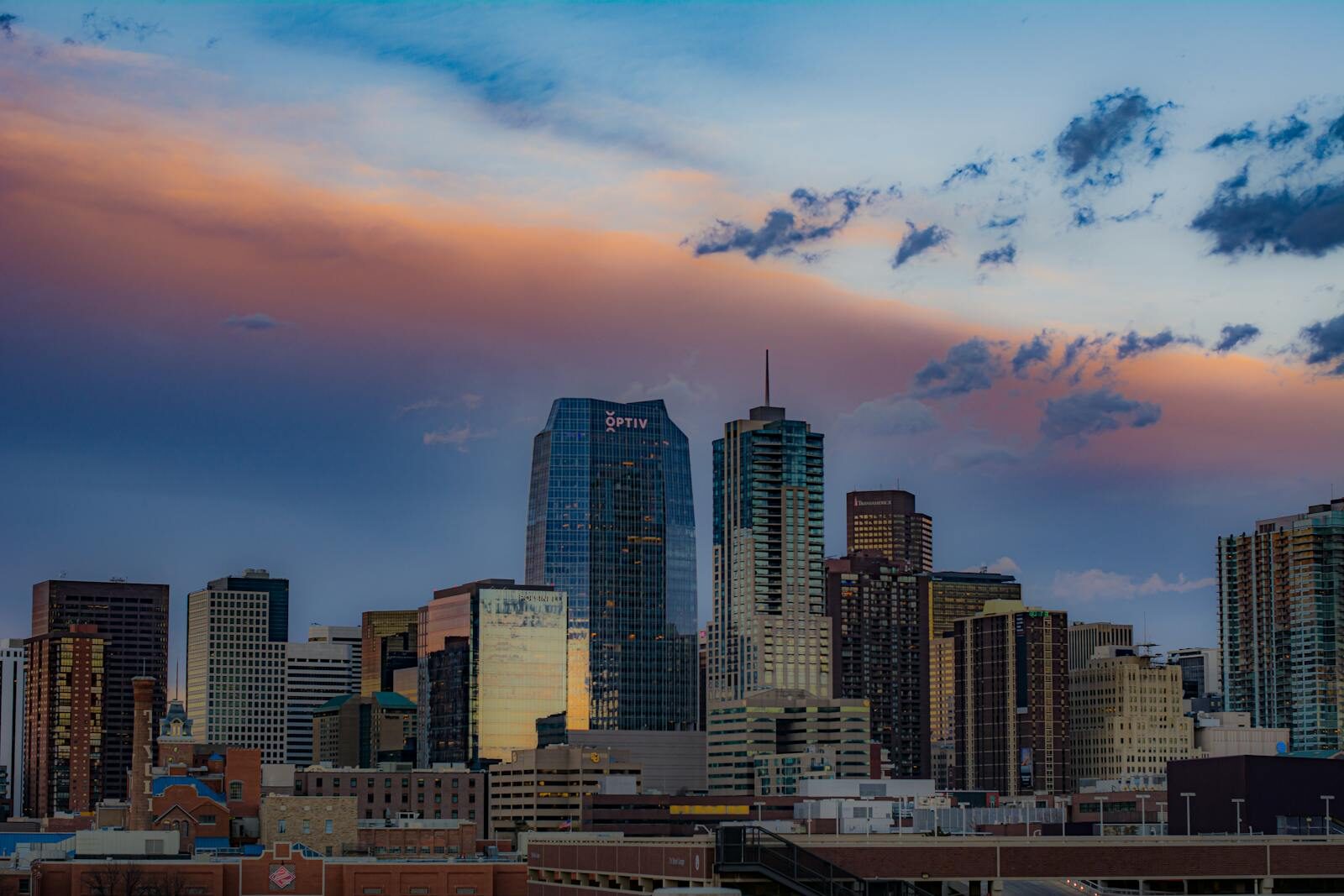
Denver colorado travel guide — we’ve been researching and testing travel strategies for years, and this guide covers everything you need to know. This post contains affiliate links. If you book through our links, we earn a small commission at no extra cost to you. We live in Denver — this is the guide we wish existed when we first moved here.
Table of Contents
Table of Contents
We moved to Denver years ago and never left — which tells you something. The city sits at the foot of the Rocky Mountains with 300 days of sunshine a year, one of the best restaurant scenes in the American West, and access to some of the most stunning outdoor landscapes on the continent. When visitors ask us what to do, eat, and see in Denver, we have opinions. A lot of them.
This Denver travel guide covers everything you need to know as a visitor: the best neighborhoods, the top things to do, where to eat, and the practical details that actually matter. We update it regularly because we live here and the city keeps getting better.
Why Denver Deserves More Than a Layover
Denver gets treated as a gateway city — a place people fly through on the way to ski resorts or Rocky Mountain National Park. That’s a mistake. Denver itself is a destination worth 3–5 days of focused exploration. It has world-class museums, a craft beer scene that legitimately rivals any city in the country, an outdoor culture that makes locals more active and happier than the national average, and a food scene that punches well above its size.
The altitude is real — at exactly 5,280 feet (the Mile High City), you’ll feel slightly out of breath and potentially headachy on day one. Drink extra water, lay off alcohol on the first night, and take it easy on initial exertion. By day two, you’ll barely notice.
Denver’s Best Neighborhoods to Explore
RiNo (River North Arts District)
RiNo is Denver’s most energetic neighborhood — a former industrial district turned arts and food hub where every surface seems to be a mural. The best breweries in the city are here (Ratio Beerworks, RINO Beer Garden), alongside acclaimed restaurants, coffee shops, boutiques, and the iconic Denver Central Market food hall. Start here.
LoDo (Lower Downtown)
LoDo is the historic heart of Denver, anchored by Union Station — a beautifully restored 1914 train terminal that’s now a hotel, restaurant complex, and community gathering spot. Coors Field (home of the Colorado Rockies) sits at one end; the 16th Street Mall runs through it. Great for walking, eating, and evening bar-hopping.
Capitol Hill & Cheesman Park
One of Denver’s oldest and most architecturally interesting neighborhoods. Victorian-era mansions mix with hipster coffee shops and eclectic restaurants. The Colorado State Capitol building gleams here with its 24-karat gold dome. Walk the neighborhood on a sunny afternoon and you’ll understand why people move here.
Cherry Creek
Denver’s upscale shopping and dining district, centered around Cherry Creek North — an outdoor shopping area with high-end boutiques, excellent restaurants, and a farmers’ market on Saturdays (May–October). The Cherry Creek Trail connects this neighborhood to downtown via a beautiful paved path through the city.
Washington Park (WashPark)
A beautiful residential park with a large lake, jogging paths, and one of the best people-watching scenes in the city on a warm Saturday morning. The surrounding neighborhood is quintessential Denver — craftsman bungalows, coffee shops, and restaurants that locals actually go to. Not a tourist trap. Worth every step.
Best Things to Do in Denver
Denver Art Museum
One of the finest art museums in the American West, with a world-class collection of American Indian art and rotating exhibitions that genuinely surprise. The building itself — designed by Gio Ponti and later expanded by Daniel Libeskind — is an architectural experience. Free on the first Saturday of each month for Colorado residents; always worth the admission for visitors.
Red Rocks Amphitheatre
Red Rocks is not just a concert venue — it’s a geological wonder. Two 300-foot red sandstone monoliths frame a natural outdoor amphitheater 15 miles southwest of the city. Even when there’s no show, you can hike the trails around the rocks and walk the empty stage for one of the most dramatic views in Colorado. When there is a show, get tickets immediately — there’s no bad seat and no better live music experience in the country.
Denver Botanic Gardens
Surprisingly excellent, especially in summer when the outdoor gardens are in full bloom. 24 acres in the middle of the city with themed gardens from all over the world. The York Street location also hosts outstanding outdoor concerts throughout the summer. Combo tickets for the art museum and botanic gardens are available.
Colorado State Capitol
Free to tour, beautiful to look at, and an interesting piece of American political history. Stand on the 13th step — precisely one mile above sea level — and look west toward the Rocky Mountain skyline. On a clear day, you can see over 200 miles of Front Range mountains. It’s a genuinely spectacular urban vista.
The Denver Museum of Nature & Science
Excellent for families and anyone curious about the geology of the American West, dinosaur paleontology (Colorado has incredible dinosaur history), and space science. The IMAX theater here is one of the best in the state.
Hiking at Chautauqua Park (Boulder — 45 min away)
Technically in Boulder rather than Denver, but no trip to the area is complete without it. Chautauqua Park sits at the base of the Flatirons — Boulder’s iconic tilted rock formations — with dozens of trails from easy meadow walks to challenging scrambles. It’s a 45-minute drive from Denver and one of the most visually dramatic places in the region.
Where to Eat in Denver
Denver’s restaurant scene has exploded in the past decade. Here are the places we actually eat and recommend to visitors.
Breakfast and Brunch
Snooze, an A.M. Eatery — Denver’s most popular brunch spot, born here before it went national. The pineapple upside-down pancakes are legitimately life-changing. Expect a wait on weekends — it’s worth it.
Root Down (LoHi neighborhood) — Farm-to-table breakfast in a former gas station. Eclectic, delicious, and very Denver.
Lunch and Casual
Tacos Tequila Whiskey — Exactly what it sounds like. Outstanding Colorado green chile, creative tacos, and a patio that fills up on warm days.
Denver Central Market (RiNo) — The best food hall in the city. Pick up a breakfast burrito, a pastry, or a full meal from vendors representing the best of Denver’s food scene.
Dinner
Mercantile Dining & Provision (Union Station) — Alex Seidel’s celebrated farm-to-table restaurant inside Union Station. One of Denver’s best tasting menus, with ingredients sourced from Seidel’s own farm. Reserve ahead.
Rioja (LoDo) — Mediterranean-influenced small plates from James Beard Award nominee Jennifer Jasinski. Consistently one of Denver’s best restaurants for over a decade.
Work & Class (RiNo) — Soul food meets Latin influence in this no-reservation spot that’s always worth the wait. Fried chicken, pork ribs, and sides that make you reconsider everything.
Craft Beer
Denver has more craft breweries per capita than almost any city in America. A few can’t-miss stops: Great Divide Brewing (their Yeti Imperial Stout is famous), Ratio Beerworks (beautiful taproom in RiNo), and Denver Beer Co. (multiple locations, great patio). The Denver craft brewery tours on Viator are an excellent way to hit multiple spots without worrying about transportation.
Where to Stay in Denver
Denver has excellent accommodation across all budgets. A few standouts:
The Oxford Hotel (LoDo) — Denver’s most historic hotel, built in 1891, with beautifully restored rooms and a location right next to Union Station. The Oxford is genuinely special.
The Maven Hotel (Dairy Block, LoDo) — Boutique hotel in the heart of the Dairy Block micro-neighborhood, with excellent dining and nightlife right on-site. Young, lively, and well-priced for the location.
Four Seasons Denver — For a luxury stay, the Four Seasons has the best pool in the city (heated, with mountain views) and a location that puts everything within walking distance.
Search all Denver hotels and compare rates on Booking.com — filter by neighborhood to find the right location for your trip.
Practical Tips for Visiting Denver
Altitude matters. 5,280 feet is genuinely higher than most visitors are used to. Drink a lot of water, avoid heavy drinking on your first night, and don’t start your trip with an aggressive hike. Your body adapts quickly — give it 24–48 hours.
Weather changes fast. Denver has 300 days of sunshine a year, but afternoon thunderstorms in summer are common and can be severe. Always carry a light rain layer when hiking. And yes, it can snow in May and October — the mountains especially.
The mountains are right there. It’s easy to underestimate how accessible the Rockies are from Denver. Rocky Mountain National Park is 1.5 hours away. Breckenridge ski resort is 1.5 hours. Red Rocks is 30 minutes. Build at least one mountain day into any Denver trip.
Cannabis is legal. Colorado has had legal recreational cannabis since 2012. Dispensaries are everywhere and regulated. If this is relevant to your trip, the legal landscape is well-established — just follow the rules about public consumption.
Where to Book Your Denver Trip
- Hotels: Browse Denver hotels on Booking.com
- Tours & activities: Denver tours, brewery crawls, and day trips on Viator
- Day trips from Denver: See our guide to the best day trips from Denver — we live here and these are the ones we actually take.
Denver is one of those cities that sneaks up on you. People come expecting a cowboy town and leave craving the mountains, the food, the sunshine, and the pace. See you on the 16th Street Mall.


One Comment
Comments are closed.