Disclosure: This post contains affiliate links. If you book through our links, we may earn a small commission at no extra cost to you. Thanks for supporting Faceted Travel!
Table of Contents
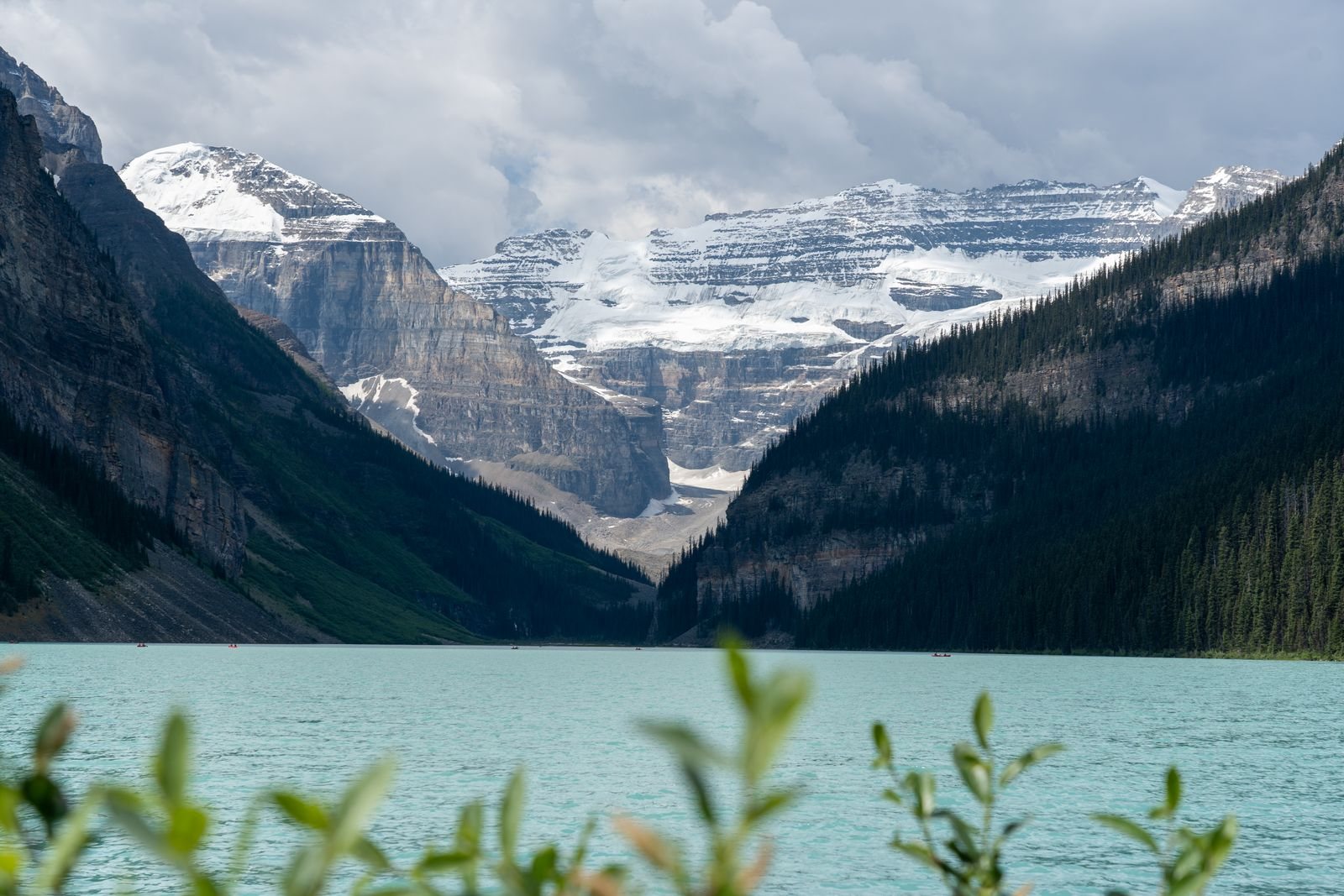
The first time we rounded the bend at Lake Louise and saw that impossible turquoise water backed by Victoria Glacier, we both just stopped talking. Photos do not exaggerate Banff. If anything, they undersell it.
Banff National Park is Canada’s first national park and, in our opinion, the most spectacular road-trip destination in North America. We’ve chased mountain scenery from Iceland to Switzerland to Queenstown, and the Canadian Rockies hold their own against all of them. Here’s everything you need to plan your trip.
Why Visit Banff?
Banff packs an absurd amount of scenery into one park: glacier-fed lakes in shades of blue that look photoshopped, jagged peaks rising straight from the valley floor, wildlife from elk to grizzlies, and a charming alpine town with real restaurants and hot springs. The park sits about 90 minutes west of Calgary, Alberta, which makes it one of the easiest world-class mountain destinations to reach from the US.
It’s also a four-season destination. Summer brings hiking and canoeing; fall brings golden larches; winter turns the park into a ski destination (three resorts inside the park boundaries); and spring offers thin crowds and waking wildlife.
When to Go to Banff
Best time for lakes and hiking: Mid-June through mid-September. Moraine Lake and Lake Louise are fully thawed and at their most turquoise from late June. July and August have the warmest weather (highs around 70 to 75 F) and the biggest crowds.
Larch season: Mid-to-late September. The alpine larch trees turn gold for about two weeks and trails like Larch Valley become pilgrimage sites. Book early.
Winter (December through March): Skiing at Sunshine Village, Lake Louise, and Mt. Norquay, plus ice skating on frozen lakes and the magic of the Fairmont chateaus in the snow. Cold, but unforgettable.
Shoulder seasons: May and October are quiet and cheap, but many high-elevation trails and Moraine Lake Road are closed.
Heads up: The lakes are glacier-fed, so they only show that famous turquoise after the rock flour starts flowing in early summer. If you visit in May expecting the postcard, you may find ice.
Getting to Banff
Fly into Calgary International Airport (YYC), which has nonstops from most major US hubs. From there it’s a beautiful 90-minute drive west on the Trans-Canada Highway to the town of Banff, and another 40 minutes to Lake Louise.
Renting a car is the most flexible option, and the drive is easy. If you’d rather not drive, the Banff Airporter and Brewster Express run shuttles from YYC, and Roam Transit covers the town and major sights once you’re there.
Important: Private vehicles are no longer allowed at Moraine Lake. You’ll need the Parks Canada shuttle (reserve ahead), a Roam transit ticket, or a guided tour to see it. Book shuttle reservations as soon as they open in spring.
You’ll also need a Parks Canada pass (about $11 CAD per adult per day, or the Discovery Pass for longer trips), purchased at the gate or online.
Where to Stay in Banff
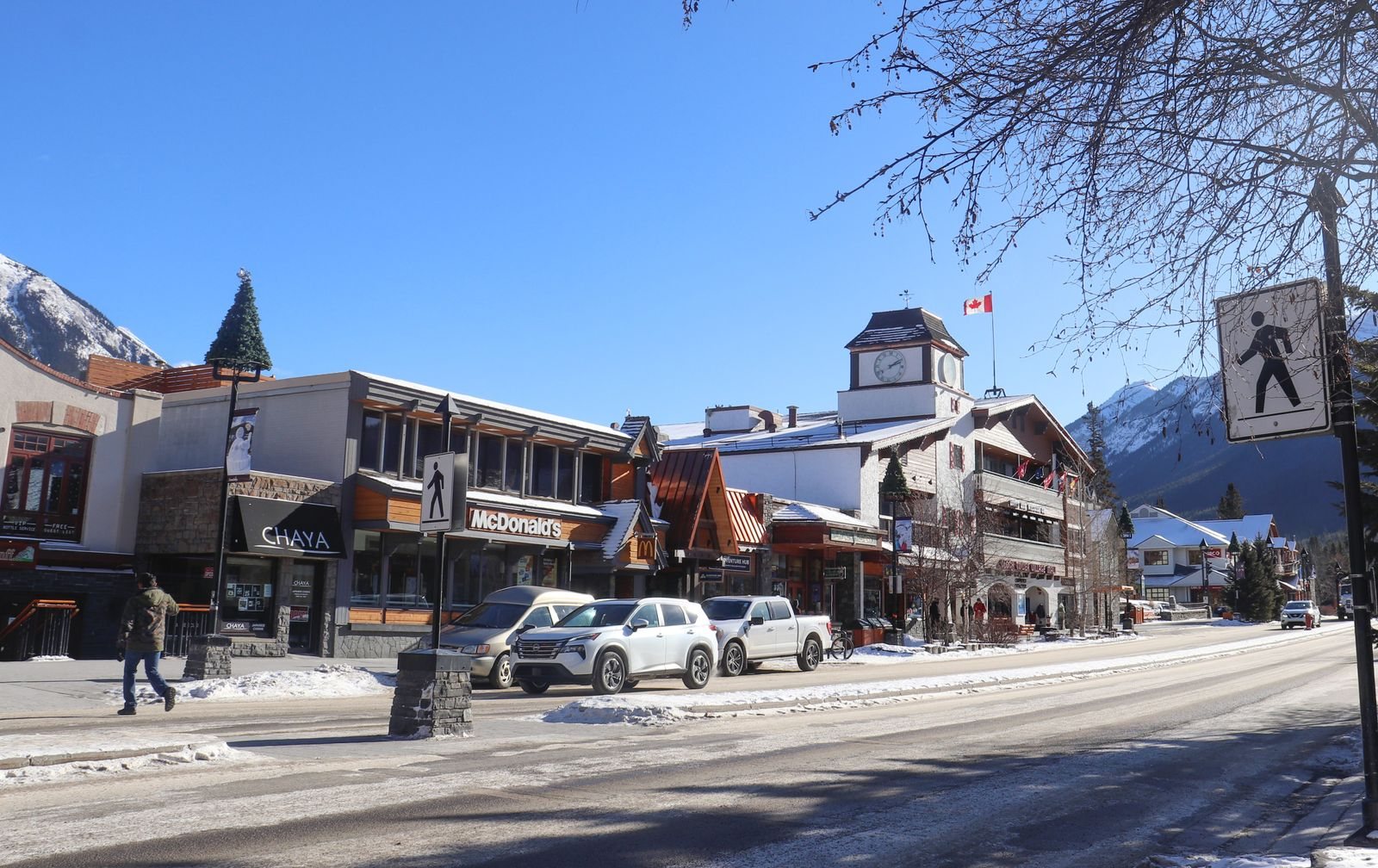
Town of Banff: The main base, with the best selection of hotels, restaurants, and nightlife. Everything is walkable and Roam buses reach the gondola, hot springs, and beyond. Expect resort-town prices.
Lake Louise: Quieter and closer to the most famous lakes. The Fairmont Chateau Lake Louise is the splurge of a lifetime; the HI Lake Louise hostel and Lake Louise Inn are budget-friendlier.
Canmore: Just outside the park gates, 20 minutes from Banff town. Noticeably cheaper, with a great food scene and the same mountain views. This is our pick for budget travelers.
What to budget: Summer hotel rates in Banff town run $300 to $500 CAD per night for midrange properties; Canmore can be $150 to $250. Winter (outside holidays) drops significantly. Book summer stays 4 to 6 months out.
👉 Search Banff hotels on Booking.com
Top Things to Do in Banff
Lake Louise
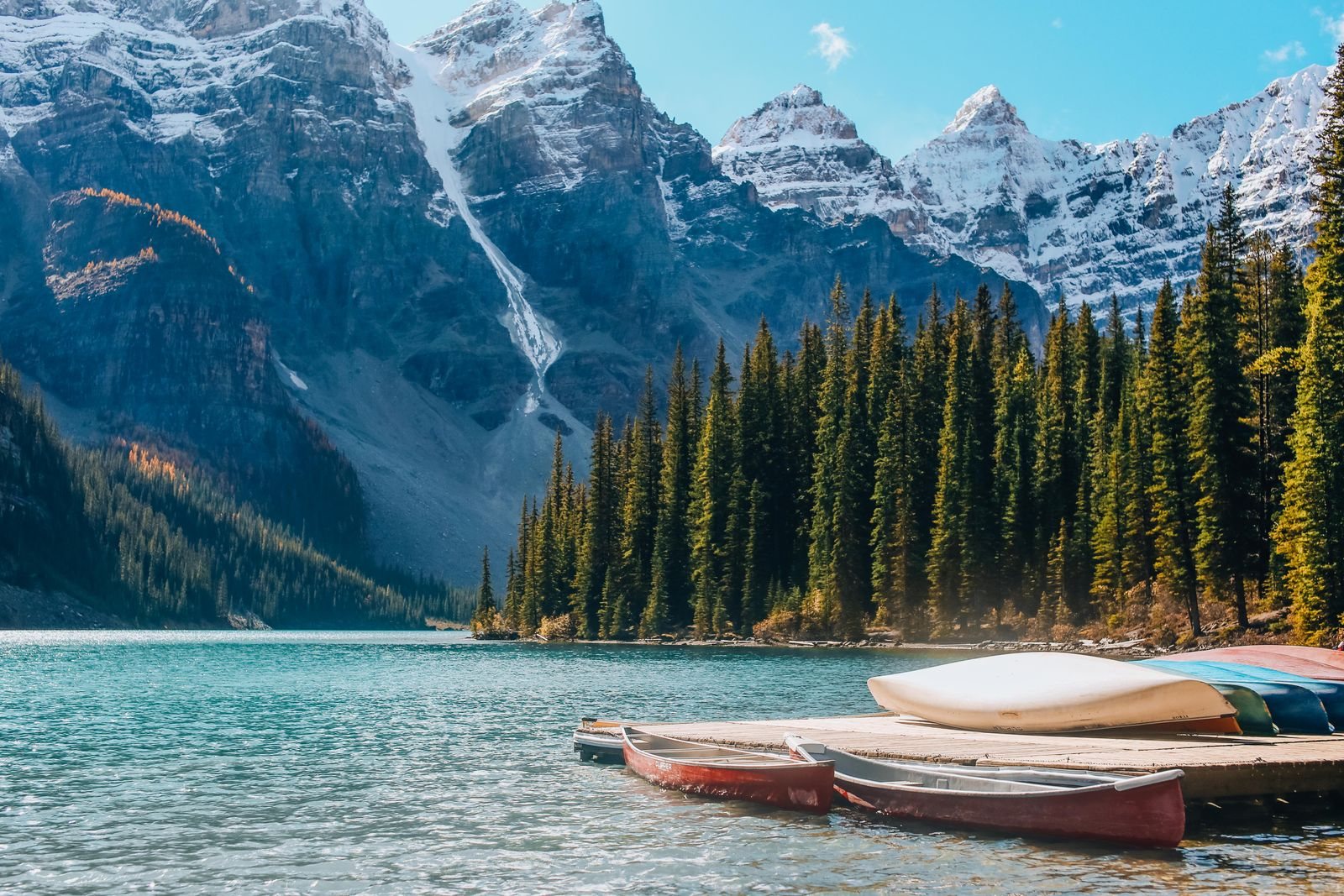
The icon. Walk the lakeshore path early (before 8am beats the crowds), rent a canoe from the boathouse, or hike up to the Lake Agnes Tea House, a real backcountry tea house serving scones at 7,000 feet. The Plain of Six Glaciers trail continues deeper for the best views of Victoria Glacier.
Moraine Lake
Possibly the most photographed lake in Canada, ringed by the Ten Peaks. Catch the sunrise shuttle if you can: the Rockpile viewpoint at golden hour is a bucket-list moment. Remember, access is shuttle or tour only now.
The Banff Gondola and Sulphur Mountain
Ride the gondola up Sulphur Mountain for a 360-degree panorama of the Bow Valley, then walk the ridgetop boardwalk to the old weather station. Go late afternoon and stay for sunset; the interpretive center at the top has a good (if pricey) restaurant.
Soak in the Banff Upper Hot Springs
A historic outdoor hot pool at 5,200 feet, steaming against the peaks. It’s especially magical in winter when your hair freezes while your body cooks. Towel and suit rentals available.
Drive the Icefields Parkway
The 144-mile highway between Lake Louise and Jasper is regularly called the most scenic drive on Earth, and we won’t argue. Even a half-day taste delivers Bow Lake, Peyto Lake’s wolf-head overlook, and the Columbia Icefield, where you can walk (or ride a giant Ice Explorer) onto the Athabasca Glacier.
Johnston Canyon
An easy catwalk trail clinging to the canyon walls leads to two sets of waterfalls. It’s deservedly popular: go before 9am or in the evening. In winter the frozen falls draw ice climbers and the trail becomes a magical icewalk with cleats.
Canoe the Bow River or Vermilion Lakes
Rent a canoe at the Banff Canoe Club in town and paddle the calm Bow River or out to the Vermilion Lakes, where Mount Rundle reflects perfectly on still mornings. It’s the cheapest iconic experience in the park.
Wildlife Watching
Elk wander the Banff townsite, bighorn sheep pose along Lake Minnewanka Scenic Drive, and grizzlies are spotted along the Bow Valley Parkway in spring and early summer. Keep your distance (Parks Canada rules are strict), carry bear spray on trails, and drive the Bow Valley Parkway at dawn for your best chances.
A Perfect Three-Day Banff Itinerary
Day 1, Lakes: Sunrise shuttle to Moraine Lake, then Lake Louise and the Lake Agnes Tea House hike. Afternoon canoe or lakeshore stroll. Dinner in Lake Louise or back in Banff town.
Day 2, Town and Peaks: Morning at Johnston Canyon, afternoon Banff Gondola and the Upper Hot Springs, evening wandering Banff Avenue with dinner and a local beer.
Day 3, Icefields Parkway: Drive north with stops at Bow Lake, Peyto Lake, and the Columbia Icefield. Turn around at the icefield (or continue to Jasper if you have extra days). Sunset at Vermilion Lakes back in Banff.
Where to Eat in Banff
The Bison: Rocky Mountain cuisine (yes, bison) with a rooftop patio. Our favorite nicer dinner in town.
Park Distillery: Campfire-inspired cooking and spirits distilled in-house with glacier water. Great rotisserie chicken.
Eddie Burger Bar: The town’s beloved burger joint; try the elk burger.
Tooloulou’s: Cajun-meets-Canadian breakfasts with massive portions. The line is worth it.
Lake Agnes Tea House: Scones and tea you earn with a 4.5-mile round-trip hike. Cash only.
What to budget: Casual meals run $20 to $30 CAD; nicer dinners $50 to $90 per person. Grocery stores in Banff and Canmore make picnic lunches easy, and trailhead picnics beat any restaurant view.
Where to Book Your Banff Trip
Hotels: Search Banff and Lake Louise hotels on Booking.com
Tours & Activities: Browse Banff tours on Viator including Moraine Lake sunrise tours, Icefields Parkway day trips, wildlife safaris, and the Columbia Icefield Ice Explorer
Getting Here Cheaply: Calgary fares from US hubs are very competitive. Our guide to finding cheap flights covers the tools we use.
Travel Insurance: Crossing a border and heading into the mountains is exactly when coverage matters. See our travel insurance guide.
Banff Travel Tips
Book the big three early. Summer hotels, Moraine Lake shuttles, and the Columbia Icefield tour all sell out months ahead.
Start your days at sunrise. Parking lots at Lake Louise and Johnston Canyon fill by 8am in summer, and the light is better anyway.
Carry bear spray and know how to use it. Sold and rented all over town; required common sense on quieter trails.
Layer up, even in August. Mountain weather swings 30 degrees in a day, and afternoon thunderstorms roll in fast.
Don’t skip Canmore. Cheaper meals, great breweries, and the same scenery 20 minutes from the park gate.
Money note: Prices in the park are in Canadian dollars, which usually works in Americans’ favor. Cards are accepted everywhere; no need to carry much cash.
Banff FAQ
Do I need a car in Banff? It helps, but it’s not essential. Roam Transit covers the town, gondola, hot springs, Johnston Canyon, and Lake Louise in summer, and shuttles handle Moraine Lake. A car shines for the Icefields Parkway and flexible timing.
How many days do I need? Three full days covers the icons. Five lets you add the full Parkway, more hikes, and a slower pace. Add two more to continue to Jasper.
Is Banff expensive? Summer lodging is the big cost. Food, park passes, and activities are reasonable, and the exchange rate helps US visitors. Stay in Canmore and picnic for lunches to cut costs meaningfully.
When can I see the lakes turquoise? Late June through September. Earlier in spring they may still be frozen or gray.
Is Banff good for families? Wonderful. The gondola, easy lakeshore walks, canoe rentals, and hot springs are all kid-friendly, and elk sightings in town feel like a safari.
Banff or Jasper? Banff has the icons and the infrastructure; Jasper is wilder and quieter. Ideally drive the Parkway and do both.
How Many Days in Banff?
Three days hits Lake Louise, Moraine Lake, the gondola, and Johnston Canyon. Five days adds the Icefields Parkway properly and a quieter hike or two. However long you stay, book the shuttles early, start at dawn, and keep your camera within reach at all times.
If big mountain scenery is your thing, pair Banff with our guides to Iceland on a budget, Switzerland on a budget, and Queenstown, New Zealand for your next adventure shortlist.