Disclosure: This post contains affiliate links. If you book through our links, we may earn a small commission at no extra cost to you. Thanks for supporting Faceted Travel!
Table of Contents
London is the city we keep coming back to — and somehow it’s never the same trip twice. One visit is all royal pageantry and museum marathons; the next is street food markets, canal walks, and West End shows. After multiple trips across every season, we’ve learned what’s worth your time, what’s worth your money, and what to happily skip.
If you’re building a bigger European itinerary, London pairs beautifully with Paris (2 hours 16 minutes by Eurostar) and Amsterdam (about 4 hours by train). Here’s our complete London guide.
Why Visit London?
London is arguably the world’s greatest city break: 2,000 years of history layered on top of itself, the best free museums on Earth, theater that rivals Broadway at lower prices, food from every cuisine humans have invented, and royal parks that turn the megacity green. English being the local language makes it the easiest big international trip for first-time travelers from the US.
It’s also more manageable than its size suggests. The Tube puts everything within reach, the major sights cluster along the Thames, and the neighborhoods — each basically its own village — reward aimless wandering as much as any itinerary.
When to Go to London
Best time: May, June, and September. Long daylight hours (sunset after 9pm in June), parks in full bloom, and the best odds of pleasant weather — though “best odds” in London still means packing a rain layer.
Summer (July–August): Peak crowds and peak prices, with temperatures usually 65–80°F. The city is at its liveliest — outdoor cinemas, pub gardens overflowing — but book everything early.
Winter (November–February): Short days and damp chill, but real rewards: Christmas lights and markets from mid-November, cozy pubs with fires, theater season in full swing, and the year’s lowest hotel prices in January–February.
Shoulder gem: Late September through October — autumn color in the parks, manageable crowds, and decent weather.
Getting to London
London has six airports. Heathrow (LHR) is the main international hub, connected to the center by the Elizabeth Line (about 35 minutes, ~£12) or the pricier Heathrow Express to Paddington. Gatwick (LGW) is well-served by the Gatwick Express to Victoria. Budget carriers use Stansted and Luton — factor in the longer transfer before celebrating a cheap fare.
Getting around London: Skip paper tickets entirely — just tap a contactless credit card or your phone on the yellow readers for the Tube, buses, and trains. Fares cap daily (around £8.90 for central zones), so you’ll never overpay. The Tube is fast and frequent; the buses are slower but scenic (ride the upper deck of a route through the center at least once). Black cabs are an experience; Uber works fine.
Walk when you can. Central London is far more walkable than the Tube map suggests — Covent Garden to Leicester Square is 4 minutes on foot and absurd by train.
Where to Stay in London
South Bank / Southwark: Our favorite first-timer base. Walk along the Thames to Borough Market, the Tate Modern, and across the bridges to St. Paul’s and the Tower. Great mid-range hotel stock.
Covent Garden / Soho: Maximum centrality — theaters, restaurants, and shopping outside your door. Lively (read: not quiet), and priced for the location.
Kensington / South Kensington: Elegant, calm, and next to the big free museums and Hyde Park. Good for families; excellent Tube connections.
Shoreditch / East London: Street art, markets, and the best nightlife and brunch scene. Cooler and often cheaper, 15–20 minutes from the center.
King’s Cross / Bloomsbury: Brilliantly connected (Eurostar, six Tube lines), newly regenerated, and walkable to the British Museum.
What to budget: London hotels sting. Budget chains (Premier Inn, hub) run £90–140/night; midrange boutiques £180–280; the famous grand dames £400+. Book 2–3 months out for summer.
👉 Search London hotels on Booking.com
Top Things to Do in London
The Tower of London
Nine hundred years of history in one fortress — Crown Jewels, ravens, Beefeaters, and the spots where queens lost their heads. Take the free Yeoman Warder tour (they’re genuinely funny) and go straight to the Jewels at opening before lines build. Book timed tickets online.
The British Museum, National Gallery & Free Museums
London’s flagship museums are free, which still feels unbelievable. The British Museum (Rosetta Stone, Parthenon sculptures), the National Gallery (Van Gogh, Turner), the Natural History Museum, and the V&A would each cost $30 anywhere else. Pick two, go early, and don’t try to see everything.
Westminster: Big Ben, the Abbey & Buckingham Palace
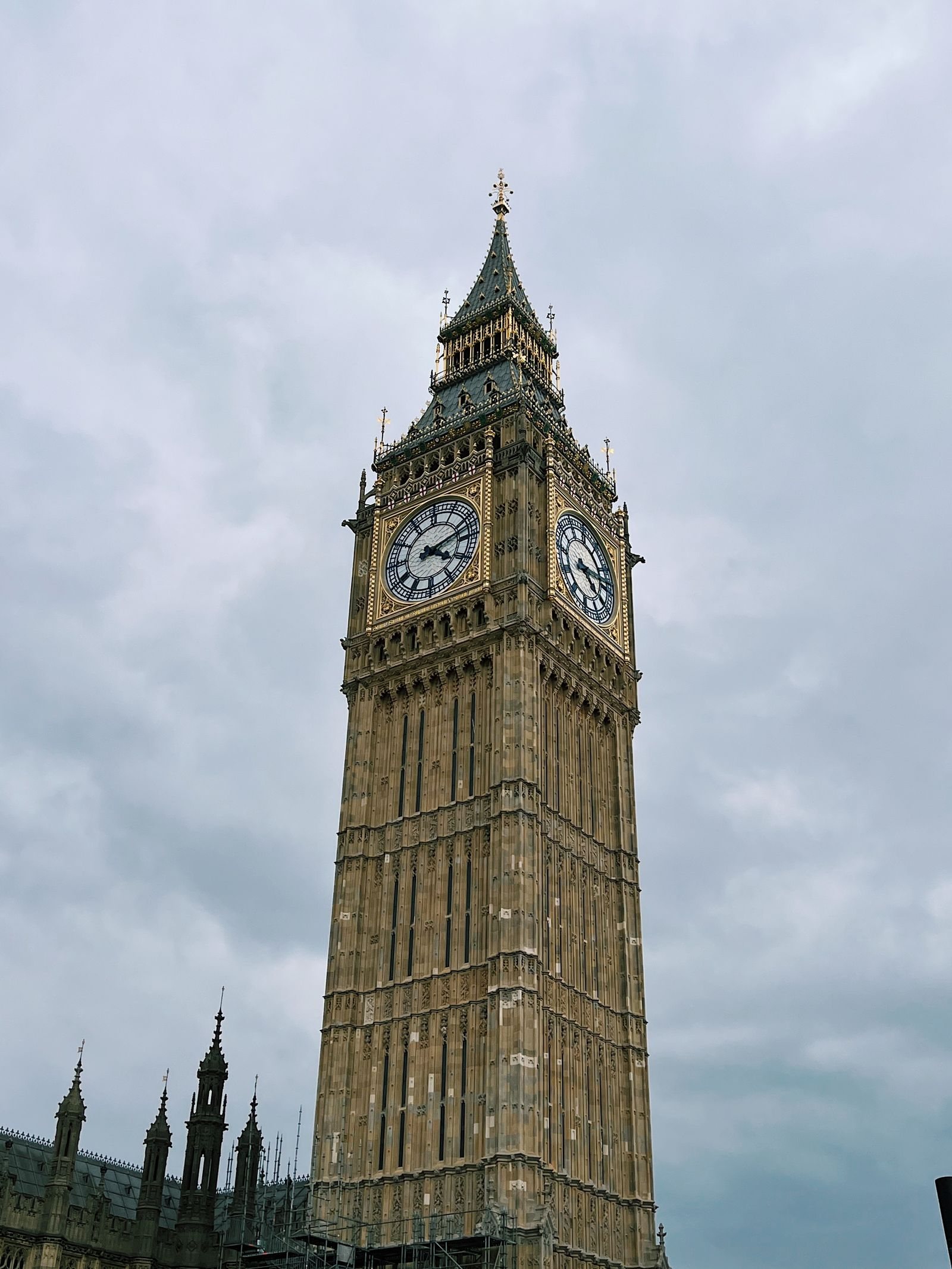
The postcard core. Westminster Abbey — coronation church of English monarchs for nearly a millennium — is worth the entry fee and a couple of hours. Walk Westminster Bridge for the Big Ben view, then through St. James’s Park (pelicans!) to Buckingham Palace. Changing of the Guard happens most days in summer; check the schedule and arrive 45 minutes early, or honestly, skip it for more museum time.
Borough Market & the South Bank Walk
Our favorite London half-day: start at Borough Market (the 1,000-year-old food market — get a chorizo roll at Brindisa and a doughnut from Bread Ahead), then walk the Thames path west past the Golden Hinde, Shakespeare’s Globe, and the Tate Modern, crossing the Millennium Bridge to St. Paul’s Cathedral. Every great London view in one stroll.
A West End Show
London theater is world-class and cheaper than Broadway. Book big shows ahead, or try the TKTS booth in Leicester Square for same-day discounts. The National Theatre and the Globe (groundling tickets from £5–10) offer brilliant alternatives to the musicals.
Ride the London Eye — or Climb Something Instead
The Eye delivers the famous panorama (book online to save). For our money, the views from the Sky Garden (free, book ahead) or St. Paul’s dome climb are better value. Greenwich — reached by boat down the Thames — combines the Royal Observatory’s hilltop view with maritime history and a great market.
Day Trips: Windsor, Stonehenge, Bath & Harry Potter
Windsor Castle is an easy hour away; Stonehenge and Bath combine into a classic full-day coach tour; and the Warner Bros. Studio Tour is non-negotiable for Potter fans (book weeks ahead — it sells out).
👉 Browse London tours and day trips on Viator
Neighborhood Wandering: Notting Hill, Greenwich & Hampstead
Once you’ve covered the icons, London’s neighborhoods are the trip. Notting Hill on a Saturday means Portobello Road Market, pastel mews houses, and the bookshop from the movie. Greenwich — best reached by Thames Clipper boat from Westminster or London Bridge — combines the Royal Observatory (stand on the Prime Meridian), the Cutty Sark, and a covered market full of street food. Hampstead, in the north, feels like a village that the city grew around: wander the lanes, then walk Hampstead Heath to Parliament Hill for the skyline view Londoners actually use.
A Perfect Four-Day London Itinerary
Day 1 — Westminster Core: Westminster Abbey at opening, Big Ben and Westminster Bridge photos, St. James’s Park to Buckingham Palace, afternoon in the National Gallery, evening show in the West End.
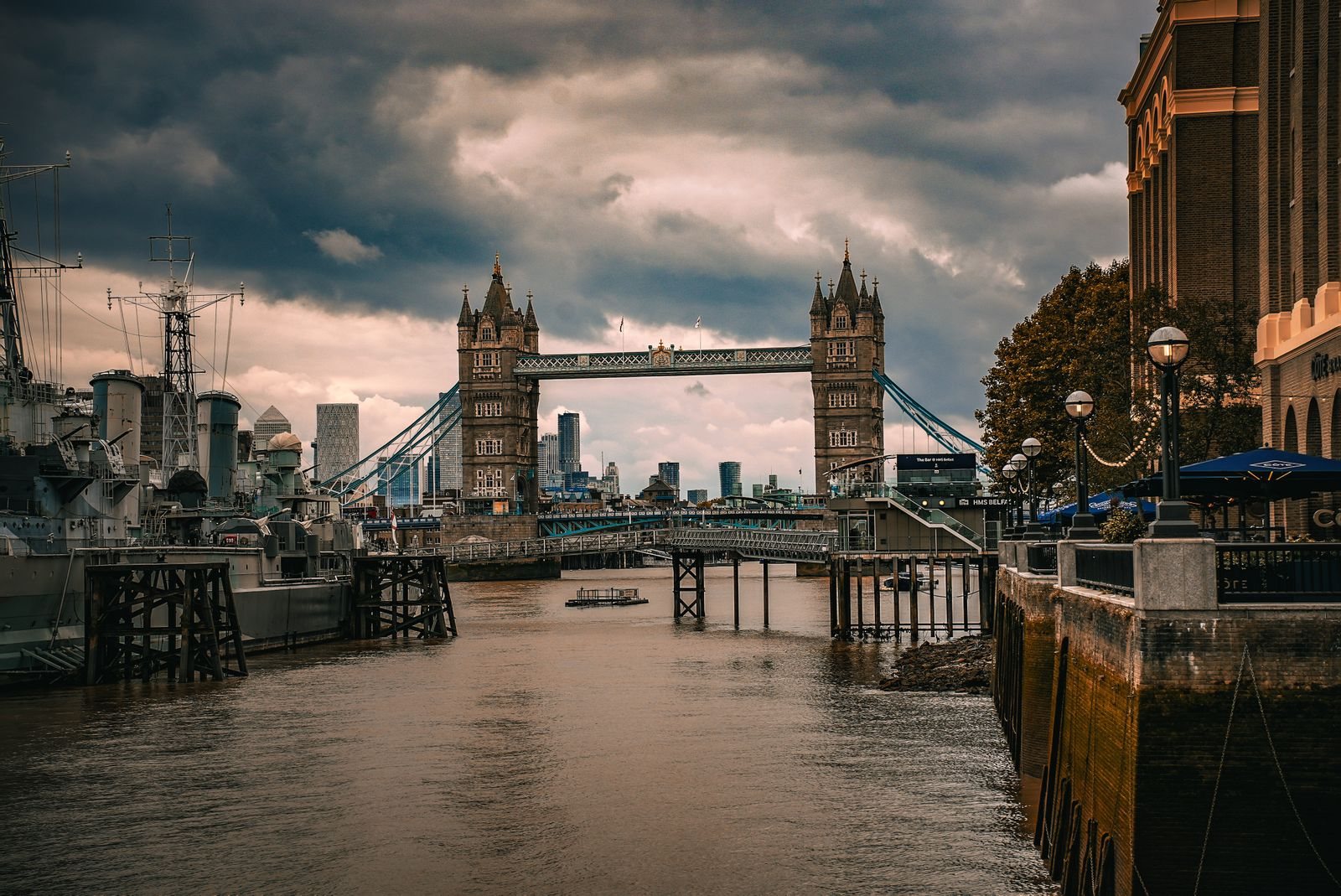
Day 2 — The Tower & South Bank: Tower of London first thing (Crown Jewels before 10am), Tower Bridge, then walk west along the South Bank — Borough Market lunch, the Globe, Tate Modern, Millennium Bridge to St. Paul’s.
Day 3 — Museums & Neighborhoods: British Museum morning, Covent Garden and Soho wandering, afternoon tea splurge or Dishoom dinner, Sky Garden sunset (booked free ahead).
Day 4 — Day Trip or Deep Dive: Windsor, Stonehenge-and-Bath coach tour, or the Harry Potter Studio Tour — or stay in town for Greenwich by boat and Notting Hill by Tube.
Where to Eat in London
London’s food scene has been world-class for two decades now — the old jokes are badly out of date.
Markets: Borough Market for the classics, Maltby Street for fewer crowds, Seven Dials Market in Covent Garden for variety under one roof.
Indian food: London does it better than anywhere outside India. Dishoom (Bombay café style — go for the bacon naan at breakfast) is deservedly famous; book ahead or queue.
Sunday roast: A proper pub roast is mandatory. The Camberwell Arms or any well-reviewed gastropub — book Sundays in advance.
Afternoon tea: Splurge once. Fortnum & Mason and Claridge’s are the classics (£70–90/person); Sketch is the Instagram favorite.
Fish and chips: Poppies (Spitalfields) or The Golden Hind (Marylebone).
What to budget: Meal deals and market lunches £5–12; casual dinner £25–40 per person; nicer restaurants £60–100 with drinks. A pint runs £6–7.50 in the center.
Where to Book Your London Trip
Hotels: Search London hotels on Booking.com
Tours & Activities: Browse London tours on Viator — Tower tickets, Westminster walking tours, Stonehenge and Bath day trips, Harry Potter studio packages, and Thames cruises
Getting Here Cheaply: London is one of the most competitive long-haul routes from the US. Our guide to finding cheap flights covers how we’ve flown to LHR for under $500 round trip.
Travel Insurance: For any international trip, we don’t leave home without coverage — here’s our guide to the best travel insurance.
What to Pack: Layers, always. Our Europe packing list covers the essentials, starting with a rain shell you’ll actually wear.
London Travel Tips
Tap, don’t ticket. A contactless card or phone is your transit pass everywhere. Daily fare caps mean you never need to do math.
Book the big stuff ahead. Tower of London, Westminster Abbey, the Eye, popular shows, Dishoom dinner, the Potter studio — all benefit from (or require) advance booking.
Museums are free; use them liberally. Pop into the National Gallery for 45 minutes between other plans. No ticket pressure means no completionism.
Stand on the right. Escalator etiquette on the Tube is sacred. Walkers pass on the left.
Carry a rain layer, skip the umbrella wars. London rain is usually drizzle; a packable shell beats fighting a £5 umbrella in the wind.
Sunday is roast day, Monday many things close. Plan museum-heavy Mondays and pub-lunch Sundays.
London FAQ
Do I need cash in London? Almost never. London is functionally cashless — contactless cards work everywhere from the Tube to market stalls. Notify your bank you’re traveling and check your card has no foreign transaction fees.
Is the London Pass worth it? Only if you’ll genuinely visit 2–3 paid attractions per day, which is a sprint. Most first-timers do better paying à la carte, since the biggest museums are already free.
How much should I budget per day? With a midrange hotel, market lunches, one nice dinner, transit, and an attraction or show, plan on £180–280 per person per day. Budget travelers can do it for £100–130 with chain hotels and meal deals; the ceiling, of course, is limitless.
Is London safe? It’s a very safe big city by global standards. Use normal urban awareness — watch for phone snatching near road edges and keep an eye on bags in crowded markets and on the Tube.
When can I see the Changing of the Guard? Usually Monday, Wednesday, Friday, and Sunday at 11am, daily in summer — but always check the official schedule, as it cancels in bad weather. Arrive by 10:15 for a decent view, or watch the horse guards on Whitehall instead for a fraction of the crowd.
Should I tip in London? Restaurants often add a 12.5% service charge — check the bill before adding more. No tipping needed in pubs, and taxis just get rounded up.
How Many Days in London?
Four to five days is the sweet spot for a first visit: the Westminster core, the Tower and South Bank, two museums, a show, a market crawl, and one day trip. A week lets you add neighborhoods — Greenwich, Notting Hill, Hampstead — and slow to London’s actual rhythm of pubs and parks.
London also makes the perfect gateway to Europe: take the Eurostar to Paris or Amsterdam and you’ve got a two-city trip with zero airports in the middle. Pack your Europe essentials, book the shows early, and prepare to start planning your second London trip before the first one ends.