Disclosure: This post contains affiliate links. If you book through our links, we may earn a small commission at no extra cost to you. Thanks for supporting Faceted Travel!
Table of Contents
Charleston ruined other food cities for us. We came for the antebellum architecture and the harbor views — and left planning a return trip around restaurant reservations. This city of church steeples, pastel row houses, and palmetto-lined streets is consistently voted one of the best cities in America, and after several visits we can tell you the hype is earned.
We usually pair Charleston with Savannah, two hours south, for the perfect Lowcountry double feature. Here’s our complete guide.
Why Visit Charleston?
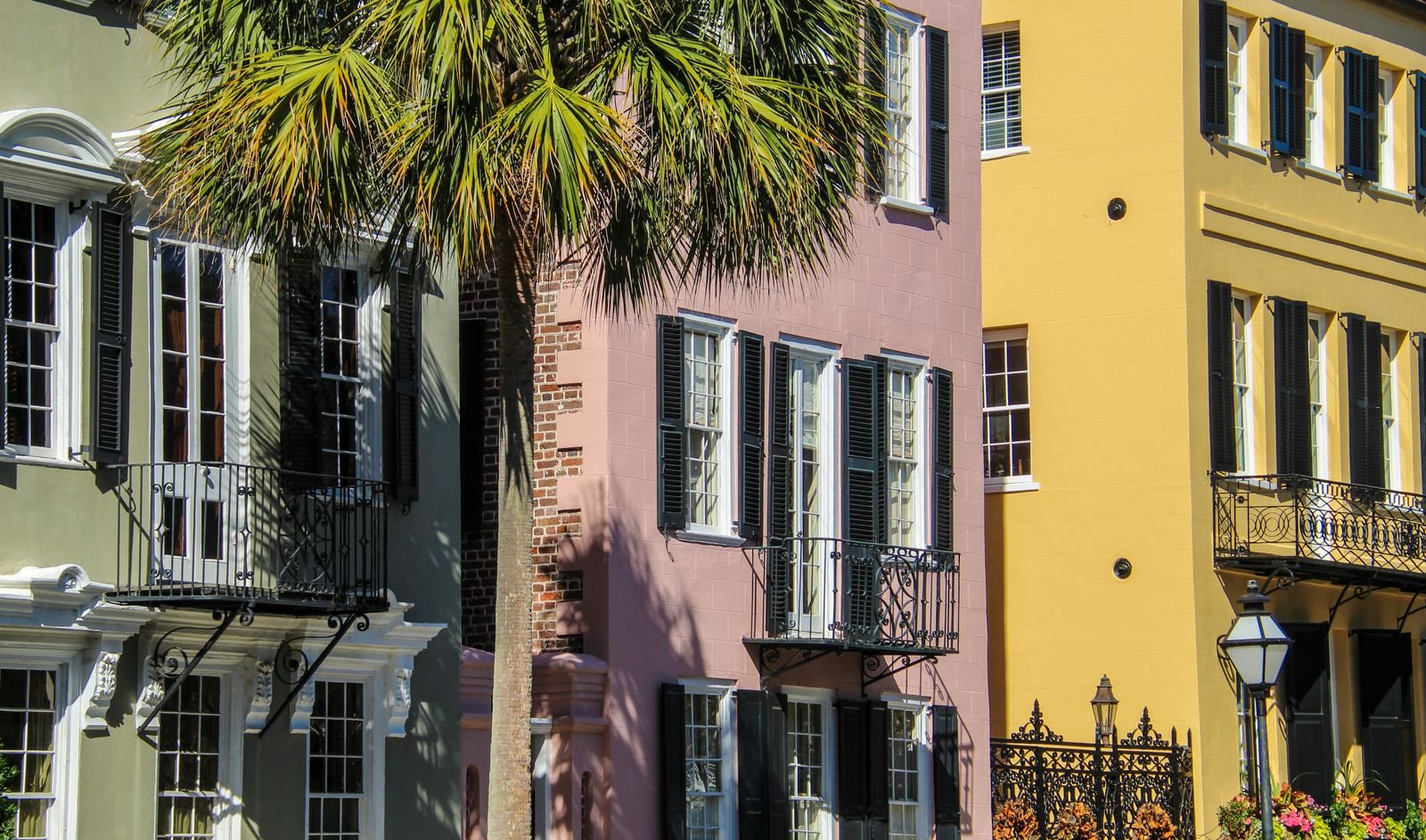
Founded in 1670, Charleston is one of the oldest and best-preserved cities in the United States. The peninsula south of Broad Street looks much as it did two centuries ago — rainbow-colored Georgian row houses, hidden gardens behind wrought-iron gates, cobblestone alleys, and the harbor where the Civil War began at Fort Sumter.
What makes Charleston exceptional, though, is that the beauty comes with substance: a food scene that rivals cities five times its size, world-class museums that engage seriously with the city’s role in slavery, beaches 20 minutes from downtown, and Southern hospitality that doesn’t feel like a performance.
When to Go to Charleston
Best time: March through May and September through November. Spring brings blooming azaleas and wisteria with highs in the 70s°F; fall is warm, golden, and slightly less crowded.
Summer (June–August): Hot, humid, and prone to dramatic afternoon thunderstorms — highs regularly hit the mid-90s°F. Beach days are great; walking tours at 2pm are not. Hotel rates dip in July and August.
Winter (December–February): Mild (highs in the 50s–60s°F) and quiet. Holiday decorations on the historic homes are gorgeous, and this is the cheapest time to visit.
Hurricane season runs June through November, peaking August–October. It rarely disrupts trips, but travel insurance is smart if you’re booking far ahead for early fall.
Getting to Charleston
Charleston International Airport (CHS) is 20–25 minutes from downtown with nonstops from most major US hubs. A rideshare downtown runs $25–35.
By car, Charleston is 2 hours from Savannah, 3.5 from Charlotte, and 4.5 from Atlanta — an easy anchor for a Southern road trip.
Getting around: Downtown Charleston is wonderfully walkable, and the free DASH shuttle covers the main corridors. You’ll only want a car for the plantations, beaches, or day trips — and parking downtown is scarce, so consider renting just for those days.
Where to Stay in Charleston
South of Broad / French Quarter: The postcard Charleston — historic inns among the row houses, steps from the Battery and Rainbow Row. Quiet at night, gorgeous at all hours, and priced accordingly.
King Street corridor: The center of the action. Upper King is the restaurant-and-bar district; Lower King is shopping and grand hotels. Stay here for walkable nightlife and food.
Harborside / Ansonborough: Near the market and waterfront park. Convenient, slightly calmer, often better value than King Street.
Mount Pleasant / Isle of Palms: Across the Ravenel Bridge. Mount Pleasant is suburban-comfortable with great seafood; Isle of Palms and Sullivan’s Island offer beachfront stays 20–30 minutes from downtown.
What to budget: Charleston hotels are expensive — midrange downtown runs $250–350/night, and the famous historic hotels (Hotel Bennett, The Dewberry, Zero George) push $450+. Winter and late summer offer the best deals. Book spring weekends months ahead.
👉 Search Charleston hotels on Booking.com
Top Things to Do in Charleston
Walk South of Broad and the Battery
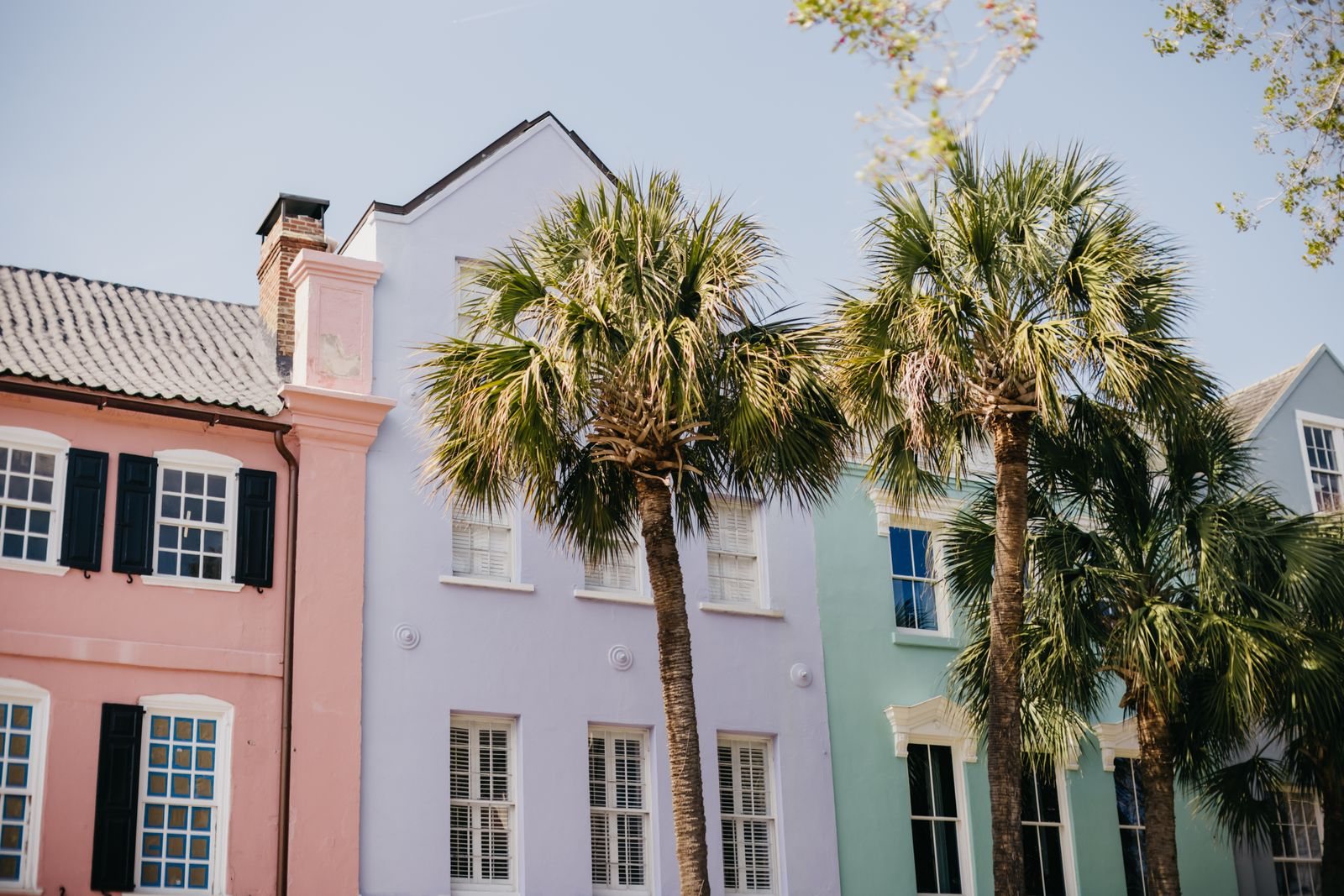
Start at White Point Garden, where cannons face the harbor under the oaks, then wander north past the mansions of East Bay Street to Rainbow Row — the famous stretch of 13 pastel Georgian houses. Detour into the alleys: Stoll’s Alley and Philadelphia Alley are tiny, ancient, and usually empty. This is the best free morning in Charleston.
Take a Walking or Carriage Tour
Charleston’s stories — pirates, patriots, earthquakes, hurricanes, and the enormous wealth built on enslaved labor — need a good storyteller. The historic district walking tours are excellent, and the carriage tours are a relaxed way to cover more ground.
👉 Browse Charleston tours on Viator
Fort Sumter
The Civil War began here on April 12, 1861, and the boat ride out is half the experience — 30 minutes across the harbor with the skyline receding behind you. National Park Service rangers give excellent talks at the fort. Book the ferry in advance in high season; the whole trip takes about 2.5 hours.
The International African American Museum
Opened in 2023 on the site of Gadsden’s Wharf — where tens of thousands of enslaved Africans first set foot in North America — this museum is powerful, beautifully designed, and essential to understanding Charleston. Pair it with the Old Slave Mart Museum on Chalmers Street for the full picture.
Visit a Plantation — Thoughtfully
Several historic plantations ring the city. McLeod Plantation is the standout for honest interpretation — the tour centers the lives of the enslaved people and Gullah Geechee descendants rather than the big house. Middleton Place offers America’s oldest landscaped gardens, and Magnolia Plantation’s azalea blooms in March–April are spectacular.
Charleston City Market and King Street
The four-block City Market is touristy but worth a pass for the sweetgrass basket weavers — a Gullah art form passed down for generations (the baskets are heirloom pieces, priced like it). Then shop your way down King Street, one of the South’s great retail streets.
Beach Day: Sullivan’s Island or Folly Beach
Sullivan’s Island is the genteel choice — wide quiet sand, no high-rises, and Poe’s Tavern for lunch. Folly Beach is the scruffy fun one, with surf rentals and a classic pier. Both are about 20–25 minutes from downtown.
Walk (or Bike) the Ravenel Bridge
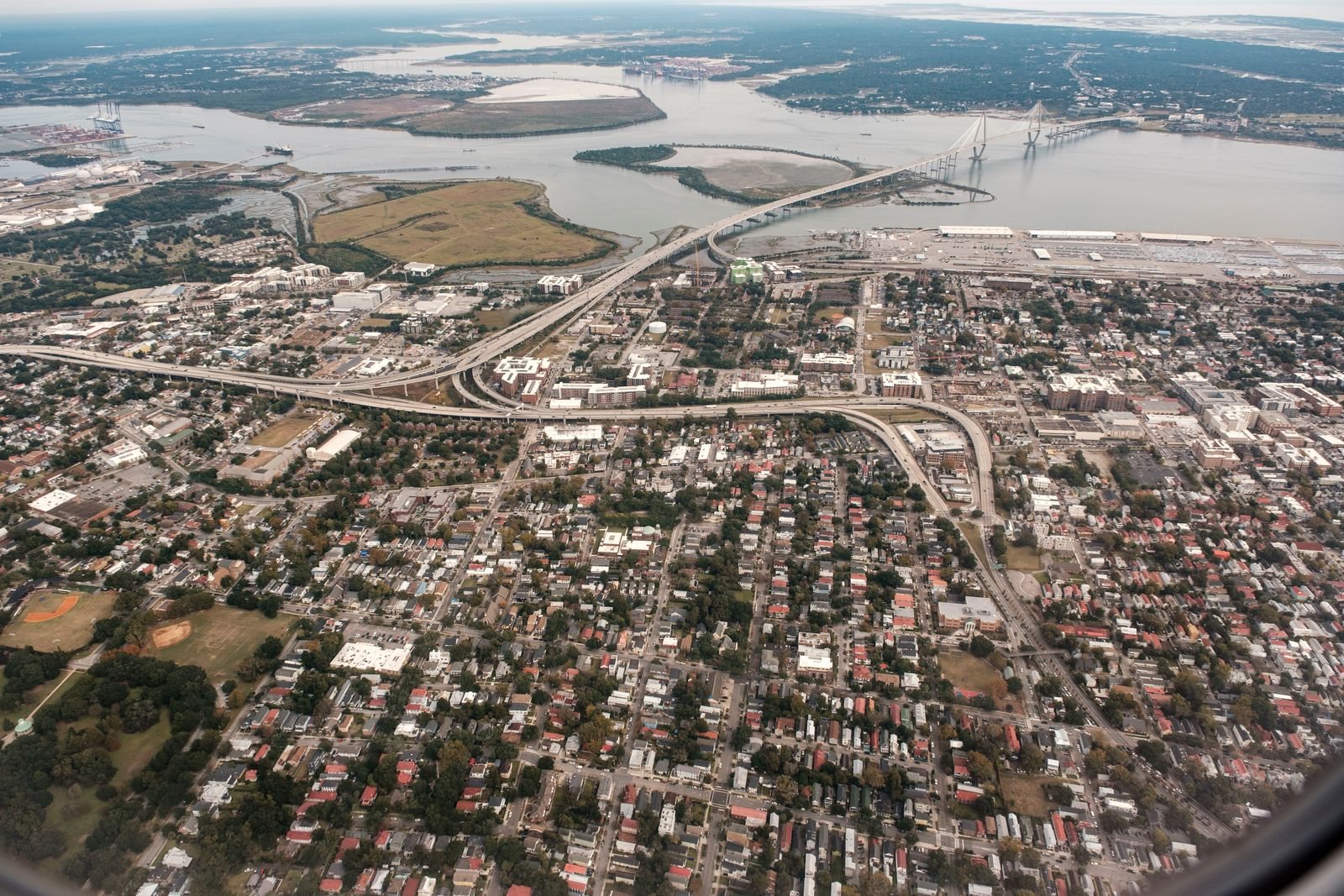
The Arthur Ravenel Jr. Bridge spans the Cooper River with a dedicated pedestrian and bike lane and the best free panorama in the Lowcountry — harbor, steeples, and container ships gliding beneath you. It’s about 2.5 miles each way from downtown to Mount Pleasant; rent bikes and reward yourself with shrimp at Shem Creek’s dockside restaurants on the far side, where dolphins regularly cruise past the patios.
Angel Oak
Twenty-five minutes from downtown on Johns Island stands a Southern live oak estimated at 400–500 years old, its limbs sprawling over 17,000 square feet of shade. Photos don’t convey the scale. It’s free, takes 30 minutes, and pairs perfectly with a plantation visit or a Folly Beach afternoon since you’re already heading that direction.
A Perfect Three-Day Charleston Itinerary
Day 1 — The Peninsula: Morning walking tour through the French Quarter and South of Broad, Rainbow Row and the Battery, lunch at 167 Raw (early, to beat the line). Afternoon on King Street, oyster happy hour, dinner at FIG or Husk (booked weeks ago, right?).
Day 2 — History on the Harbor: Fort Sumter ferry first thing, then the International African American Museum. Late lunch at Rodney Scott’s BBQ. Sunset harbor cruise or a Ravenel Bridge walk, dinner on Upper King.
Day 3 — Lowcountry: Morning at McLeod Plantation or Magnolia’s gardens, Angel Oak on the way to Folly Beach or Sullivan’s Island for the afternoon. Fried seafood dinner at Bowens Island Restaurant, watching the sun drop over the marsh.
Where to Eat in Charleston
This is the reason many people come. Book the big names 2–4 weeks ahead — seriously.
FIG: The standard-bearer of Charleston fine dining for two decades. Seasonal, Lowcountry-rooted, and still one of the toughest tables in town.
Husk: Sean Brock’s temple of Southern ingredients in a Queen Street mansion. The cornbread alone justifies the reservation.
Rodney Scott’s BBQ: James Beard Award-winning whole-hog barbecue on upper King. No reservation needed — get the pork plate with cracklin’ cornbread.
Leon’s Fine Poultry & Oysters: Fried chicken and char-grilled oysters in a converted body shop. Casual, loud, perfect.
167 Raw: The lobster roll and tuna burger draw permanent lines. Go at off-hours.
Shrimp and grits note: Everyone has a version; we think Slightly North of Broad (S.N.O.B.) and Hominy Grill alumni spots do it best.
What to budget: Casual lunch $15–25; oyster happy hours are a steal at $1.50–2/oyster; dinner at the marquee restaurants runs $70–120 per person with drinks.
Where to Book Your Charleston Trip
Hotels: Search Charleston hotels on Booking.com
Tours & Activities: Browse Charleston tours on Viator — walking tours, Fort Sumter add-ons, harbor sunset cruises, plantation visits, and food tours
Getting Here Cheaply: CHS has grown its nonstop map dramatically. Our guide to finding cheap flights covers timing and tools.
Travel Insurance: Booking a fall trip during hurricane season? Read our travel insurance guide first.
Charleston Travel Tips
Make dinner reservations before you book anything else. The top restaurants fill up 2–4 weeks out, especially Thursday–Saturday. Build the itinerary around the tables you land.
Walk early or late in summer. Tour the historic district before 11am, then save afternoons for museums, long lunches, or the beach.
Don’t skip the honest history. The International African American Museum and McLeod Plantation are as essential as Rainbow Row. Charleston makes much more sense — and means much more — when you understand all of it.
Watch the cobblestones and crooked sidewalks. Charleston’s brick walks have been heaved by oak roots and earthquakes; flat shoes win.
A long weekend works. Charleston is compact. Two or three well-planned days deliver an enormous amount.
Charleston FAQ
Is Charleston walkable? The downtown peninsula, yes — delightfully so. The historic core south of Calhoun Street is flat and compact, and walking is genuinely the best way to experience it. You’ll only want wheels for plantations, beaches, and Angel Oak.
How far in advance should I book restaurants? For FIG, Husk, and the other marquee names: 2–4 weeks, the moment your dates firm up. Reservations typically open 28 days out on Resy. Casual spots like Rodney Scott’s and Leon’s don’t take reservations — go early or late.
Which plantation should I visit? McLeod for the most honest, powerful interpretation of slavery and Gullah Geechee history; Magnolia for the famous romantic gardens (peak bloom March–April); Middleton Place for landscaped grandeur. If you only have time for one, we’d send first-timers to McLeod.
Is Charleston expensive? Hotels, yes — among the priciest in the South. Food can flex from $12 barbecue plates to $120 tasting menus. Visit in winter or late summer for meaningfully lower room rates.
What about hurricanes? June through November is hurricane season, with the highest risk August–October. Trips are rarely affected, but book refundable rates in early fall and consider trip insurance.
Charleston or Savannah? Both, ideally — they’re a two-hour drive apart. Charleston brings the food scene, harbor history, and beaches; Savannah brings the squares, the quirk, and gentler prices. Together they’re the perfect Lowcountry week.
How Many Days in Charleston?
Three days is the sweet spot: one for the historic peninsula, one for Fort Sumter and the museums, one for a plantation morning and a beach afternoon. Add a fourth to slow down — Charleston rewards lingering over long lunches and harbor sunsets.
For a bigger Southern itinerary, pair Charleston with Savannah two hours south, add Nashville for music, or finish in New Orleans for the grand tour of the South. Just don’t blame us when Charleston’s shrimp and grits spoil you for everyone else’s.