Disclosure: This post contains affiliate links. If you book through our links, we may earn a small commission at no extra cost to you. Thanks for supporting Faceted Travel!
Table of Contents
- The Short Answer: What a Trip to Italy Costs
- Flights to Italy
- Accommodation Costs in Italy
- Food and Drink Costs in Italy
- Getting Around Italy
- Attractions, Tours, and Activities
- Three Sample Italy Trip Budgets
- How to Save Money on a Trip to Italy
- Where to Book
- Hidden Costs to Budget For
- Is a Trip to Italy Worth the Cost?
“So what does a trip to Italy actually cost?” It is the question friends ask us most often, usually right after they have seen our photos and started dreaming, and the honest answer is that it depends enormously on how you travel. We have done Italy on a shoestring with train passes and simple guesthouses, and we have splurged on a clifftop hotel on the Amalfi Coast, and the price gap between those two trips was thousands of dollars.
That said, “it depends” is a frustrating answer when you are trying to plan a budget. So in this guide we are going to give you real numbers: what we actually spend on flights, hotels, food, transport, and activities in Italy, plus three sample trip budgets (budget, mid-range, and luxury) so you can plan with confidence. These figures are based on our own trips and are meant as a practical planning starting point, in US dollars for a couple traveling together.
The Short Answer: What a Trip to Italy Costs
For a one-week trip to Italy, here is roughly what we see two people spending, not including international flights:
- Budget travel: about $700 to $1,200 per person per week
- Mid-range travel: about $1,500 to $2,500 per person per week
- Luxury travel: $3,500 per person per week and up
Add round-trip flights from the US (commonly $600 to $1,100 per person depending on season and city), and a typical comfortable mid-range week in Italy for two lands somewhere around $4,000 to $6,000 all in. Now let us break down where that money actually goes, because knowing the pieces is how you control the total.
Flights to Italy
Flights are usually the single biggest line item, and also the one with the most room to save. Round-trip economy fares from the US to Rome, Milan, or Venice typically run from about $600 to $1,100 per person, though we have caught deals under $500 in the shoulder season and seen summer fares climb well past $1,200.
The two biggest levers are timing and flexibility. Flying in the shoulder months (spring and fall) rather than peak summer can save hundreds of dollars per ticket, and being flexible on which Italian airport you fly into helps too. Milan and Rome are the major hubs and often the cheapest gateways. For our full approach to finding fares, see our guide on how to find cheap flights, and time your search using our post on the best time to visit Italy.
Accommodation Costs in Italy
Where you sleep is the next big variable, and Italy offers something at every price point. Here is what we typically see per night for two people:
- Budget: $60 to $110 a night for hostels, guesthouses, B&Bs, and simple family-run hotels
- Mid-range: $130 to $250 a night for comfortable 3 and 4-star hotels and nicer apartments
- Luxury: $350 a night and well up for high-end hotels, boutique properties, and famous-view rooms
Location drives price as much as quality. A room in central Rome, Venice, or on the Amalfi Coast costs far more than the equivalent in a smaller town or the countryside. One of our favorite money-saving tricks in expensive regions is to base ourselves slightly outside the headline spot: staying in Sorrento instead of Positano, for example, gets you the same coastline for noticeably less.
Food and Drink Costs in Italy
Here is the good news that makes Italy such a joy: eating well does not have to be expensive. Italian food culture rewards the simple and the local, and some of our best meals have been the cheapest.
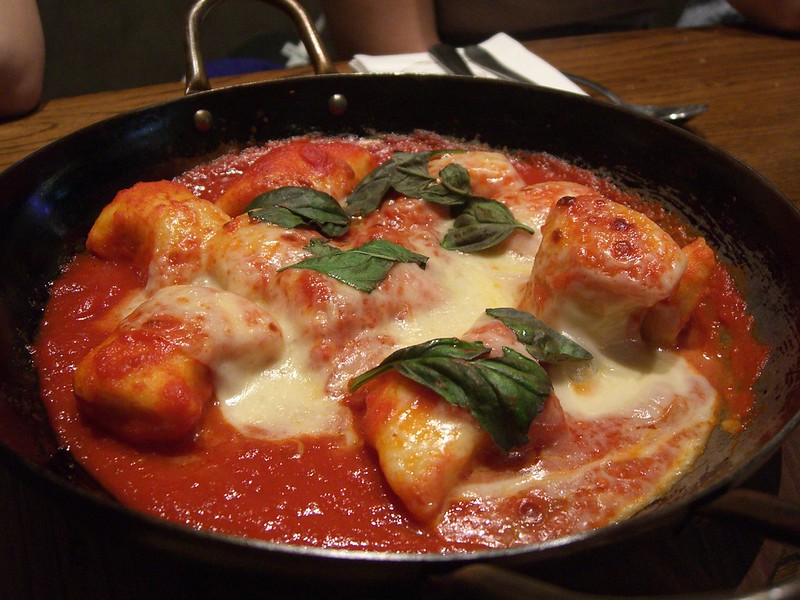
A cappuccino and cornetto (croissant) breakfast standing at a bar runs just a few euros. A casual lunch of pizza or pasta might be 10 to 15 euros a person, and a relaxed dinner at a neighborhood trattoria with a couple of courses and house wine often lands around 25 to 40 euros a person. Gelato, our daily ritual, is usually 3 to 5 euros.
For budgeting, we estimate roughly:
- Budget: $30 to $45 per person per day (markets, pizza al taglio, casual trattorias, picnics)
- Mid-range: $55 to $85 per person per day (sit-down lunches and dinners, the occasional nicer meal)
- Luxury: $120 or more per person per day (fine dining, tasting menus, top wine)
A few money-saving habits go a long way: eat where the locals eat and away from the main tourist squares, drink the excellent house wine, and take your coffee standing at the bar rather than at a table, where prices jump.
Getting Around Italy
Italy’s transport is one of the best values in the trip, especially the trains. The high-speed rail network connecting Rome, Florence, Venice, Milan, and Naples is fast, comfortable, and often cheap if you book ahead. Advance high-speed tickets between major cities can be as low as 20 to 50 euros, while last-minute fares cost more.
Regional trains, city metros, buses, and ferries are all reasonably priced too. A single city transit ticket is usually around 1.50 to 2 euros, and coastal ferries along the Amalfi run in the low tens of euros. We rarely rent a car in Italy unless we are exploring the countryside like Tuscany, because parking and city driving are stressful and the trains are so good. When we do rent, we budget roughly $40 to $70 a day plus fuel and tolls. To understand how these costs compare across the continent, our companion guide on how much a trip to Europe costs is a helpful reference.
Attractions, Tours, and Activities
Sightseeing costs add up faster than people expect, so it pays to budget for them. Major attractions like the Colosseum, the Vatican Museums, or the Uffizi in Florence run roughly 18 to 30 euros each, and guided skip-the-line tours cost more but save serious time in peak season.
We budget about $30 to $60 per person per day for activities on a sightseeing-heavy trip, less on slower beach or countryside days. Boat trips, cooking classes, and wine tastings are wonderful splurges that can run 60 to 150 euros a person. Many of the best experiences, though, are free: wandering the historic centers, people-watching in the piazzas, hiking a coastal trail, or simply enjoying the views. For planning tours, we use Viator to compare options and read reviews before booking.
Three Sample Italy Trip Budgets
To pull it all together, here is what a one-week trip to Italy for two people (excluding international flights) looks like at each level, based on our own spending.
Budget: about $1,600 to $2,400 for two, per week
You are staying in hostels, guesthouses, and simple B&Bs, eating at markets and casual spots, traveling by advance-booked train and public transit, and mixing free sights with a few paid ones. This is a completely doable way to see Italy well, and honestly some of our fondest memories come from these leaner trips.
Mid-range: about $3,000 to $5,000 for two, per week
This is how most travelers experience Italy and where we land most often. You have comfortable 3 and 4-star hotels, a mix of casual and nicer meals, high-speed trains between cities, and a healthy budget for attractions, tours, and the odd special experience. It is a relaxed, rewarding trip without watching every euro.
Luxury: $7,000 and up for two, per week
Here you are in top hotels and famous-view rooms, dining at standout restaurants, taking private tours and boat charters, and perhaps hiring drivers. Italy has no ceiling on luxury, and a week of it, especially on the Amalfi Coast or in Venice, can climb well past this figure.
How to Save Money on a Trip to Italy
Over many trips, these are the strategies that have saved us the most:
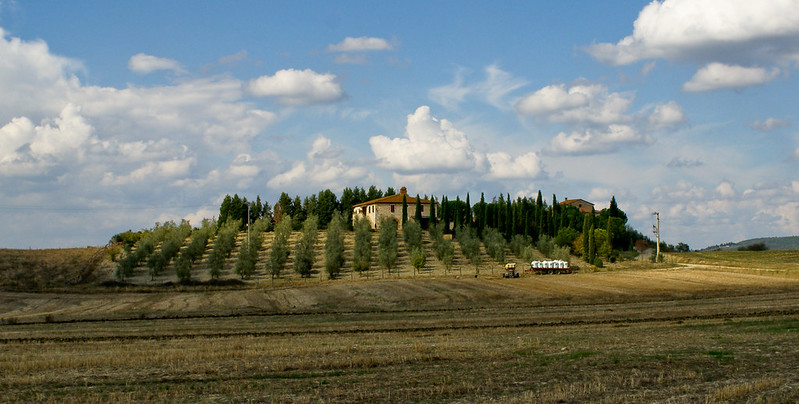
Travel in shoulder season. Visiting in spring or fall instead of peak summer cuts flight and hotel costs and thins the crowds. It is the single biggest lever you have.
Base yourself smartly. Stay just outside the priciest hotspots and day-trip in. It works beautifully on the Amalfi Coast, near Cinque Terre, and around the lakes.
Book high-speed trains early. Advance fares are a fraction of walk-up prices, so lock in intercity trains as soon as your dates are set.
Eat like a local. Step a few streets back from the main monuments, order the house wine, and take coffee at the bar. The food is better and cheaper.
Use a travel credit card. A good card with no foreign transaction fees and solid travel rewards saves money and can fund part of the trip. See our picks in best travel credit cards.
Where to Book
- Hotels: We use Booking.com to compare accommodation across Italy at every budget, with free cancellation on most stays so you can lock in prices early and adjust later.
- Tours and experiences: Viator has skip-the-line tickets, guided tours, cooking classes, and day trips throughout the country.
Hidden Costs to Budget For
A few expenses catch first-timers off guard, so pad your budget for them. Many Italian cities charge a small nightly tourist tax (tassa di soggiorno) of a few euros per person, usually paid in cash at your hotel. Sit-down restaurants often add a coperto (cover charge) of 2 to 4 euros per person. Tipping is modest in Italy and not obligatory, but rounding up is appreciated.
Also budget for travel insurance, which we never skip on an international trip, plus data (an eSIM or roaming plan), and a cash cushion for small shops, taxis, and towns where cards are less welcome. For our approach to coverage, see our guide to the best travel insurance.
Is a Trip to Italy Worth the Cost?
Every single time. Yes, Italy can be expensive, especially in summer and in the marquee destinations, but it also flexes to almost any budget, and the value for the experience is extraordinary. Where else can you eat a five-euro slice of the best pizza of your life, ride a high-speed train through vineyards, and stand in front of two-thousand-year-old ruins all in one day?
Our best advice is to decide what matters most to you, spend there, and save everywhere else. Splurge on the Amalfi Coast view if that is your dream, then balance it with simple trattoria dinners and advance train tickets. Plan with real numbers like the ones above, build in a cushion for the surprises, and you will not just afford Italy, you will savor it. Set your dates with our guide to the best time to visit Italy, and start dreaming.
Ready to plan your Italian adventure? Pair this with our guides to gorgeous Sorrento, the Amalfi Coast, and eternal Rome, and see the bigger picture with our post on how much a trip to Europe costs.