Disclosure: This post contains affiliate links. If you book through our links, we may earn a small commission at no extra cost to you. Thanks for supporting Faceted Travel!
Table of Contents
We almost skipped Sorrento on our first trip south, treating it as a place to sleep between bigger stops, and it turned out to be one of our favorite towns in all of Italy. By the second evening, sipping limoncello on a terrace above the Bay of Naples with Vesuvius glowing pink across the water, we understood why generations of travelers have used this cliff-top town as their home away from home.
Sorrento sits on a tufa cliff overlooking the Bay of Naples, perfectly positioned as a launch pad for the Amalfi Coast, Capri, Pompeii, and Naples itself. It is graceful, walkable, and a little more relaxed (and affordable) than its glamorous neighbors down the coast. This guide covers when to go, how to get here, the best things to do, where to stay, what to eat, and how we would spend a few sun-soaked days in the town that lemons built.
Why Visit Sorrento?
Sorrento is the great connector of southern Italy. From here, ferries fan out to Capri and the Amalfi Coast, trains rattle up to Pompeii and Naples, and buses wind along the famous coastal road toward Positano. If you want to see this whole corner of the country without repacking your bag every night, there is no better base.
But Sorrento is far more than a transit hub, and that is the happy surprise. The town has a genuinely lovely historic center of narrow lanes and shaded piazzas, dramatic clifftop gardens, and a long tradition of lemon groves and limoncello. Evenings here have a gentle, old-fashioned charm: families out for a stroll, the smell of citrus and grilled seafood, live music drifting from a trattoria. It feels like Italy at an easy, generous pace.
For a sense of how Sorrento fits into the wider region, pair this guide with our full Amalfi Coast travel guide, which maps out every village along the coast.
When to Visit Sorrento
The best times to visit Sorrento are the shoulder seasons: April through early June, and September into October. During these months the weather is warm, the sea is pleasant, the lemon groves are fragrant, and the crowds are thinner than in the deep summer crush. We have visited in both May and late September and would happily return in either.
July and August are hot and busy. Sorrento handles the crowds better than tiny Positano, because it is a real town with room to breathe, but hotels fill and prices climb, so book early if summer is your window. Spring brings blossoms and mild days ideal for walking, while fall keeps the sea warm enough to swim and adds a softer, golden light.
Winter is quiet and mild by European standards. Some seasonal restaurants and beach clubs close, and ferry schedules thin out, but the town stays lived-in and the prices drop. If you want Sorrento without the throngs and do not mind a cooler swim-free trip, it can be a peaceful time to visit. For a month-by-month breakdown across the country, our guide to the best time to visit Italy lays it all out.
Getting to Sorrento
Getting to Sorrento is refreshingly straightforward compared to the rest of the Amalfi Coast, which is a big part of its appeal. Most travelers arrive through Naples, whether by plane, train, or cruise ship.
From Naples, the classic budget route is the Circumvesuviana train, which runs from Naples Centrale directly to Sorrento in about an hour and stops at Pompeii along the way. It is cheap and scenic but can be crowded and basic, so keep an eye on your belongings. A more comfortable option is the Campania Express, a faster tourist train on the same line with reserved seats. In the warmer months, you can also arrive by ferry from Naples, gliding across the bay with Vesuvius over your shoulder.
If you are flying into the region and want to explore the gateway city first, our Naples travel guide covers the underrated home of pizza before you continue south.
A word on cars: we would not rent one just for Sorrento. The town center is walkable, parking is limited and expensive, and the coastal roads are notoriously tight and stressful to drive. Ferries, trains, and the SITA buses will get you everywhere you want to go. If you are stitching Sorrento into a larger journey, our post on how to plan a trip to Europe helps with the bigger logistics.
The Best Things to Do in Sorrento
Sorrento rewards both busy sightseers and slow wanderers. Here are the experiences we would not miss.
Wander the historic center
The heart of Sorrento is its centro storico, a warren of narrow lanes lined with lemon-print ceramics, inlaid woodwork shops, gelaterias, and cafes. Piazza Tasso is the buzzing central square where everyone eventually passes through. Give yourself an afternoon to get pleasantly lost, poking into churches and courtyards and sampling whatever smells good.
Watch the sunset from Villa Comunale
The Villa Comunale is a small public garden perched right at the cliff edge, and it offers the best free view in town. Come at golden hour to watch the sun drop behind the Bay of Naples with Vesuvius as a backdrop. It is the kind of view that makes you go quiet, and it costs nothing.
Taste limoncello and everything lemon
Sorrento is lemon country, famous for its enormous, fragrant sfusato lemons and the bright limoncello made from their peels. Visit a family lemon grove for a tour and tasting, buy a bottle of limoncello to bring home, and try a slice of delizia al limone, the local lemon cream cake. It is sweet, sunny, and completely Sorrento.
Descend to Marina Grande
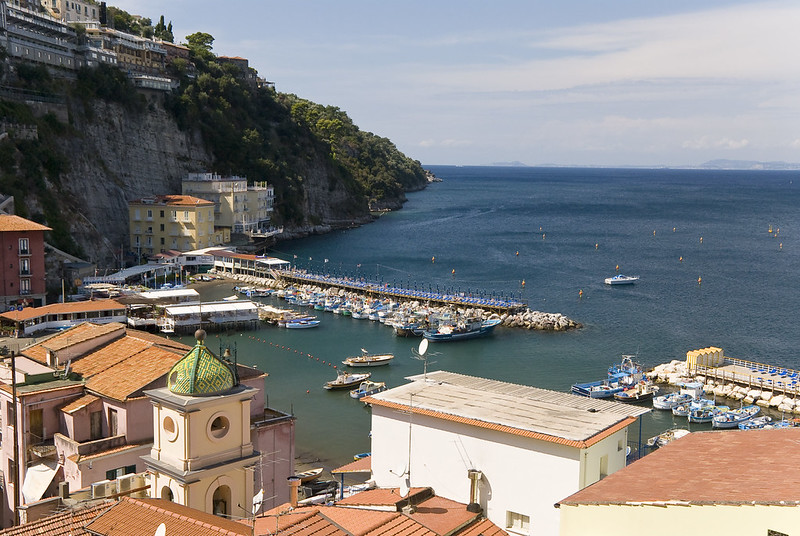
Below the cliffs, the old fishing village of Marina Grande is a colorful cluster of boats, seafood restaurants, and a small pebble beach. It is a lovely spot for a long lunch of the day’s catch with your feet nearly in the water. The walk down through the old town is part of the pleasure, though be ready for the climb back up.
Take a boat trip or swim
Sorrento is not famous for wide sandy beaches, but the swimming platforms and beach clubs built onto the rocks are a classic Italian way to spend a hot afternoon. Better still, book a boat trip: the coastline here is stunning from the water, and Sorrento is a natural launch point for cruising toward Capri or the Amalfi Coast. Viator lists group and private boat excursions from the marina.
Use Sorrento as a day-trip hub
This is where Sorrento truly shines. From here you can reach an astonishing range of bucket-list places on easy day trips: the ruins of Pompeii and Herculaneum, the island of Capri, and the villages of the Amalfi Coast, including nearby Positano. You could easily spend a week here and never run out of unforgettable day trips.
Where to Stay in Sorrento
Sorrento offers a wider range of accommodation, and often better value, than the pricier villages down the Amalfi Coast, which is another reason we love it as a base.
In or near the historic center
Staying in or just around the centro storico puts you steps from restaurants, shops, the train station, and Piazza Tasso. This is the most convenient choice for first-timers and those without a car, with easy access to ferries and buses. It can be a touch noisier in peak season, but the walkable energy is worth it.
Clifftop hotels with bay views
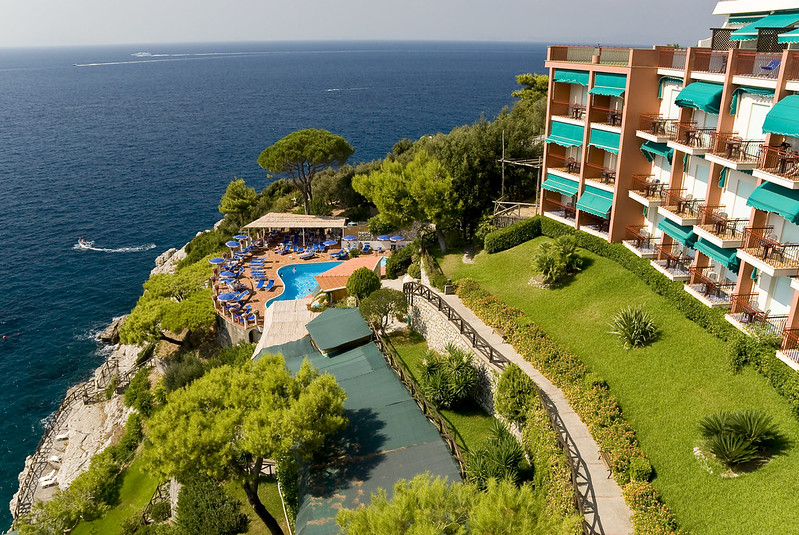
Sorrento is famous for its grand clifftop hotels, many with elevators or private lifts down to swimming platforms and jaw-dropping terraces over the Bay of Naples. If you want to splurge on a view and a sunset aperitivo from your own balcony, this is the zone. Prices climb with the panorama, but a Sorrento sunset from a cliff terrace is a memory that lingers.
Quieter outskirts and Sant’Agnello
For more space and value, look just outside the center in areas like Sant’Agnello, a short walk or train stop away. You will trade a little convenience for calmer streets and often larger rooms. Because southern Italy is not the cheapest corner of Europe, our guide to how much a trip to Europe costs can help you set a realistic budget.
Where to Book
- Hotels: We use Booking.com to compare everything from clifftop view hotels to family-run guesthouses in Sorrento, most with free cancellation.
- Tours and experiences: Viator has boat trips to Capri, guided Pompeii excursions, Amalfi Coast day tours, and limoncello and cooking classes.
Sample 3-Day Sorrento Itinerary
Three days lets you enjoy Sorrento itself and use it as a launch pad for one or two big day trips. Here is how we would do it.
Day 1: Settle into Sorrento. Arrive, drop your bags, and spend the day getting to know the town. Wander the historic center, browse the ceramic and woodwork shops, and visit a lemon grove for a limoncello tasting. As evening falls, claim a spot in the Villa Comunale gardens for sunset over the bay, then find a trattoria for fresh seafood and live music.

Day 2: Day trip to the Amalfi Coast. Take the SITA bus or a ferry down the coast to Positano and Amalfi. Wander the pastel lanes of Positano, admire the cathedral in Amalfi, and stop for a long lunch with a view. Return to Sorrento in the evening for a relaxed dinner without the coastal crowds.
Day 3: Pompeii or Capri. Choose your adventure. Hop the train to the haunting ruins of Pompeii for a morning among the frozen streets of the ancient city, or catch a ferry to the glamorous island of Capri for a boat ride and a stroll through its famous piazzetta. Come back for one last Sorrento sunset and a farewell limoncello.
What to Eat in Sorrento
Sorrento eats very, very well. Beyond limoncello, keep an eye out for gnocchi alla sorrentina, baked with tomato, basil, and molten mozzarella, and for the region’s famous mozzarella di bufala. Seafood is excellent, especially down at Marina Grande, where the catch could not be fresher.
Save room for sweets. The delizia al limone (a dome of sponge and lemon cream) is the local signature, and the region’s pastries and gelato are worth every calorie. Do as the locals do and end your meal with a chilled shot of limoncello, ideally with a view.
Practical Tips for Visiting Sorrento
Book day trips and ferries ahead in high season. From June through September, popular ferries and tours to Capri and the Amalfi Coast fill up. Reserve ahead so you are not left scrambling at the ticket window.
Watch the Circumvesuviana. The budget train to Naples and Pompeii is handy but can be crowded and is a known spot for pickpockets. Keep your bag zipped and in front of you, and consider the more comfortable Campania Express when it runs.
Wear real shoes. Like much of this coast, Sorrento involves cobblestones, stairs down to the marina, and uneven lanes. Comfortable walking shoes beat cute sandals here.
Carry some cash. Many smaller shops, beach clubs, and cafes prefer cash, and it is handy for buses and the marina.
Slow down in the evenings. Sorrento is at its best after the day-trippers leave. Linger over dinner, take a passeggiata (evening stroll) with a gelato, and enjoy the town at its gentle nighttime pace.
Is Sorrento Worth Visiting?
Absolutely, and we would argue it is one of the smartest places to base yourself in southern Italy. Sorrento gives you an appealing, walkable town with real character, plus unbeatable access to Capri, Pompeii, Naples, and the entire Amalfi Coast, often at better value than staying in the coastal villages themselves.
Come in the shoulder season, stay at least three nights, and balance your ambitious day trips with slow Sorrento evenings of limoncello and sunset views. This is a town that treats you like a welcome guest rather than a passing tourist, and it makes an unforgettable home for exploring one of the most beautiful stretches of coast on earth. We came for the location and left with a genuine soft spot for the place, and we think you will too.
Planning more of southern Italy? Pair Sorrento with our guides to gorgeous Positano and the wider Amalfi Coast, and time your trip perfectly with our post on the best time to visit Italy.