Disclosure: This post contains affiliate links. If you book through our links, we may earn a small commission at no extra cost to you. Thanks for supporting Faceted Travel!
Table of Contents
The moment we stepped out of the Salzburg train station and caught our first glimpse of the fortress floating above the baroque skyline, ringed by green Alps, Kimberly turned to Todd and said, “Okay, this might be the prettiest city we have ever walked into.” Two days later, spinning around the Mirabell gardens humming Sound of Music songs like a couple of tourists with zero shame, we had completely fallen for the place.
Salzburg is Austria’s storybook city, the birthplace of Mozart, the setting for a beloved movie musical, and a compact baroque masterpiece framed by mountains and threaded by a river. It is walkable, wonderfully atmospheric, and close to some of the most beautiful lake-and-Alpine scenery in Europe. This guide covers when to go, how to get there, the best things to do, where to stay, what to eat, and how we would spend a few magical days in Mozart’s hometown.
Why Visit Salzburg?
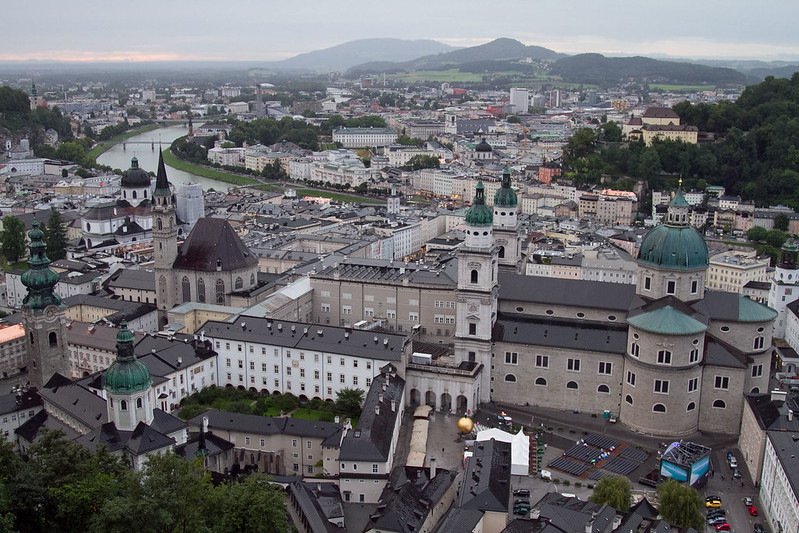
Salzburg packs an astonishing amount of beauty and culture into a small, strollable footprint. The UNESCO-listed Old Town is one of the best-preserved baroque city centers north of the Alps, a tight cluster of domed churches, marble squares, and narrow shopping lanes, all watched over by a massive hilltop fortress. You can see the highlights on foot in a day, yet the atmosphere invites you to linger far longer.
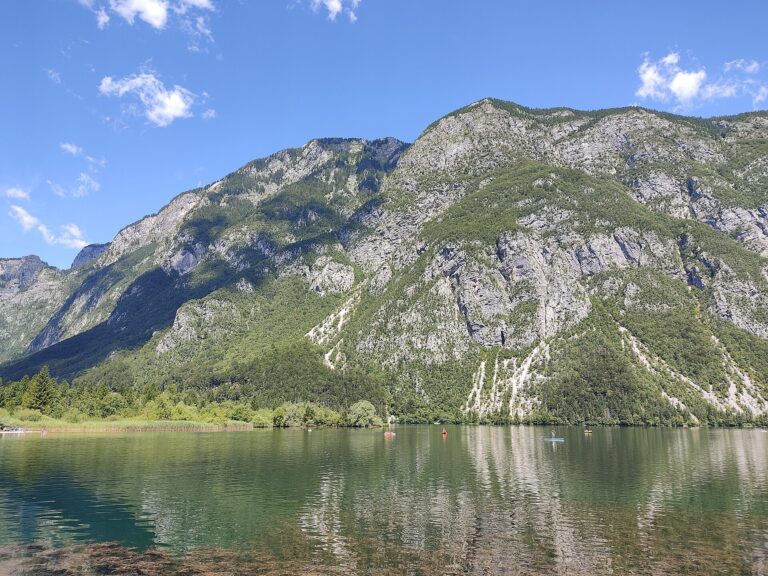
Then there is the setting. Few cities are this dramatically framed by nature. The Alps rise right at the edge of town, the Salzach River cuts through the middle, and green hills crown the skyline. Add a deep musical heritage (this is Mozart’s city, and classical music is everywhere) plus easy access to fairytale lakes and mountains, and you have one of Europe’s most rewarding short breaks.
If Austria is part of a bigger Alpine loop, pair this guide with our Vienna travel guide for the grand capital and our nearby Munich travel guide just across the German border.
When to Visit Salzburg
Salzburg is a year-round destination, and the best time depends on what you are after. For pleasant weather and greenery, aim for late spring through early fall (May, June, and September). Summer is peak season, with warm days, long light, and the world-famous Salzburg Festival in late July and August, though it also brings the biggest crowds and highest prices.
Spring and early fall are our favorites for balance: gardens in bloom or golden hillsides, comfortable walking weather, and thinner crowds than midsummer. The shoulder months make the Old Town feel less packed and the day trips more peaceful.
Winter is genuinely special in Salzburg. The city hosts some of Europe’s most enchanting Christmas markets, and the baroque squares dusted with snow look straight out of a fairy tale. It is cold and days are short, but the festive atmosphere, mulled wine, and nearby ski slopes make December a wonderful time to visit. For help matching the seasons to your plans across the continent, our guide to the best time to visit Europe breaks it down.
Getting to Salzburg
Salzburg is easy to reach, which makes it a natural stop on a central European itinerary. It has its own small airport with connections to several European cities, but many travelers arrive by train, and for good reason.
Salzburg sits on major rail lines, and the train is our favorite way in. From Munich it is a scenic ride of about 1.5 hours, from Vienna around 2.5 hours, and connections from Innsbruck and beyond are frequent and comfortable. The station is a short walk or quick bus ride from the Old Town. If you are coming from Germany, our Munich travel guide makes it easy to pair the two cities.
You do not need a car to enjoy Salzburg itself, since the center is compact and pedestrian-friendly. A car only becomes useful if you plan to explore the surrounding lakes and mountains independently, though even then, tours and regional buses cover the highlights. For the bigger picture of stitching a trip together, see our post on how to plan a trip to Europe.
The Best Things to Do in Salzburg
For a small city, Salzburg offers a rich mix of history, music, and scenery. Here is what we would prioritize.
Wander the Altstadt (Old Town)
Salzburg’s baroque Old Town is the main event, and it is a joy to explore on foot. Stroll Getreidegasse, the famous shopping street with its wrought-iron guild signs, admire the grand Salzburg Cathedral, and pause in the marble squares. The whole quarter is compact, walkable, and impossibly photogenic at every turn.
Climb to Hohensalzburg Fortress
The mighty fortress crowning the hill above town is one of the largest and best-preserved medieval castles in Europe. Ride the funicular up (or hike if you are feeling energetic) for fascinating interiors, historic rooms, and the finest panoramic views over the city, river, and surrounding Alps. It is the single best viewpoint in Salzburg.
Visit Mirabell Palace and Gardens
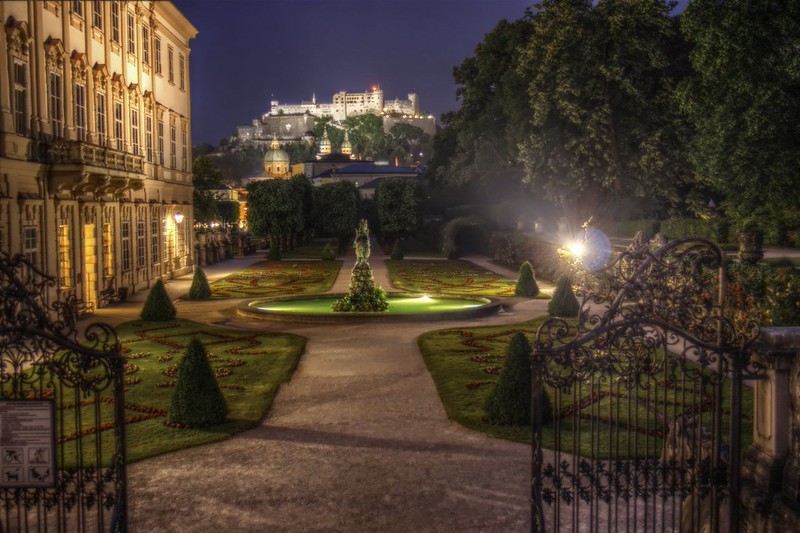
The manicured Mirabell Gardens are free to enter and instantly recognizable to Sound of Music fans, since the “Do-Re-Mi” scene was filmed here. Beyond the movie connection, the flower beds, fountains, and hedge-framed views toward the fortress are simply beautiful. It is a lovely, no-cost way to spend an hour.
Follow the Sound of Music
Salzburg leans happily into its most famous film, and if you love the musical, a Sound of Music tour is pure fun. These outings visit key filming locations around the city and the gorgeous Salzkammergut lake district beyond, mixing scenery with movie trivia. Even non-superfans usually end up charmed. Viator lists several Sound of Music and Old Town tours.
Honor Mozart
Salzburg is inseparable from Wolfgang Amadeus Mozart, who was born here in 1756. You can visit his birthplace on Getreidegasse and his later family residence, both turned into museums. Better yet, catch a classical concert in an intimate baroque hall or church. Hearing Mozart performed in the city that shaped him is a genuine goosebumps moment.
Take a lake and mountain day trip
Some of the best of Salzburg lies just outside it. The Salzkammergut lake district is a wonderland of turquoise lakes and Alpine peaks, home to the postcard-perfect village of Hallstatt. Nearby you can tour the Hallein salt mines or visit the ice caves and gorges of the surrounding mountains. If you love this Alpine scenery, our guides to Switzerland’s Interlaken and Lucerne make natural companions.
Where to Stay in Salzburg
Salzburg is small, so almost anywhere central is convenient. Here is how we think about the main areas.
The Old Town (Altstadt)
Staying in or right beside the baroque Old Town puts you steps from the cathedral, Getreidegasse, and the fortress funicular, with everything walkable from your door. It is the most atmospheric choice, especially waking up to those historic streets before the day-trippers arrive. Rooms here can be pricier and some buildings are older, but the location is unbeatable.
The New Town (Neustadt) around Mirabell
Across the river, the Neustadt is home to the Mirabell Gardens, Mozart’s residence, and plenty of hotels and restaurants. It is still very central and walkable, often with slightly better value and a local, lived-in feel. We like this side for its easy stroll across the pedestrian bridge into the Old Town.
Near the train station or outskirts
For budget-friendly stays, look around the main station or in quieter residential neighborhoods, where prices ease and public transport is easy. You will trade a few minutes of walking or a short bus ride for more affordable rooms. Because central Europe is not the cheapest region, our guide to how much a trip to Europe costs can help you plan your budget.
Where to Book
- Hotels: We use Booking.com to compare Old Town boutique hotels, riverside stays, and budget-friendly options across Salzburg, most with free cancellation.
- Tours and experiences: Viator has Sound of Music tours, Hallstatt and Salzkammergut day trips, classical concerts, and guided Old Town walks.
Sample 2-Day Salzburg Itinerary
Two full days is enough to see Salzburg well, and a third lets you add a spectacular day trip. Here is our ideal.
Day 1: The Old Town and fortress. Start with a slow wander through the Altstadt, exploring Getreidegasse, the cathedral, and the marble squares. Ride the funicular up to Hohensalzburg Fortress for the history and the views, then descend for a leisurely lunch. In the afternoon, visit Mozart’s birthplace, and in the evening treat yourselves to a Mozart concert in a candlelit hall.
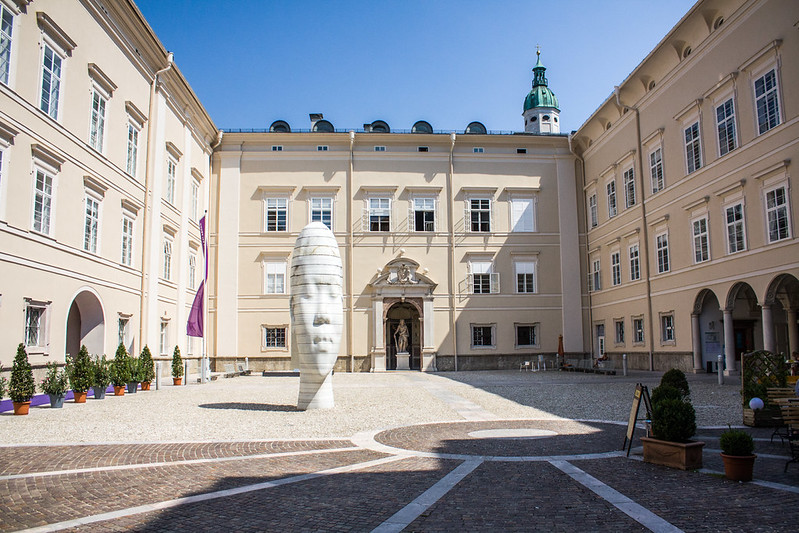
Day 2: Gardens, music, and river. Cross the river to the Mirabell Gardens for that Sound of Music magic, then explore the Neustadt and Mozart’s residence. Take a relaxed walk or short cruise along the Salzach River, browse the cafes, and settle in for a hearty Austrian dinner. If you are a fan, slot in a Sound of Music tour today.
Day 3 (optional): Lakes and Alps. Dedicate a day to the Salzkammergut. Take a tour or train to enchanting Hallstatt, cruise its glassy lake, and soak up the Alpine scenery that makes this region famous. It is the perfect finale to a Salzburg trip.
What to Eat in Salzburg
Austrian food is hearty and comforting, and Salzburg does it well. Try Wiener schnitzel (breaded and fried veal or pork), creamy goulash, and warming dumplings. The city’s signature sweet is Salzburger Nockerl, a giant fluffy baked soufflé meant to resemble the surrounding snowy peaks, and it is worth sharing after dinner.
Do not miss the coffee-house culture either. Lingering over a slice of Sachertorte or apple strudel with a strong Austrian coffee is a beloved local ritual. And if you are here in winter, a cup of glühwein (mulled wine) at a Christmas market is practically mandatory.
Practical Tips for Visiting Salzburg
Consider the Salzburg Card. If you plan to hit several paid sights, the Salzburg Card bundles admission to attractions plus public transport and the fortress funicular, and it can save you money and time.
Book concerts and summer stays early. The Salzburg Festival in July and August draws crowds worldwide, so if you are visiting then, reserve accommodation and any performances well in advance.
Wear comfortable shoes. The Old Town is cobblestoned and the fortress involves some climbing, so leave the delicate footwear at home.
Pack for changeable weather. Being in the Alps, Salzburg can shift from sunny to showery quickly. A light rain layer is smart in any season, and warm clothes are essential in winter.
Give yourself a day trip. As lovely as the city is, the surrounding lakes and mountains are half the magic. Build in at least one day to get out into the Salzkammergut if you can.
Is Salzburg Worth Visiting?
Without a doubt. Salzburg is one of those rare places that lives up to every postcard, a compact baroque jewel wrapped in Alpine scenery, steeped in music, and endlessly charming to explore on foot. Whether you come for Mozart, the movie, the mountains, or simply the sheer beauty of the place, it delivers on all of them.
Give it at least two nights, and three if you can spare the day for Hallstatt and the lakes. Wander the Old Town, climb to the fortress, spin through the Mirabell Gardens, and let the music and mountains work their charm. We arrived expecting a quick stop and left wishing we had booked longer, which is about the highest praise we can give a city. Salzburg is genuinely magical, and we cannot wait to go back.
Exploring more of the Alps and central Europe? Pair Salzburg with our guides to grand Vienna, nearby Munich, and the Swiss beauty of Interlaken.