Disclosure: This post contains affiliate links. If you book through our links, we may earn a small commission at no extra cost to you. Thanks for supporting Faceted Travel!
Table of Contents
The best trip we ever took to Italy started in late September, and we are convinced the timing is half the reason it went so well. The summer heat had broken, the crowds at the big sights had thinned, the vineyards were heavy with grapes about to be picked, and we could actually linger over dinner without a wait. Italy rewards good timing more than almost any country we visit, and getting it right can be the difference between a magical trip and a hot, crowded slog.
The honest answer to “when is the best time to visit Italy” is that it depends on where you are going and what you want to do. A beach week on the Amalfi Coast and a museum tour in Florence have very different ideal windows. This guide breaks it down by season, by region, and by the kind of trip you have in mind, so you can pick the weeks that fit your plans.
The Short Answer
If you want the simplest possible recommendation, aim for the shoulder seasons: roughly April to early June in spring, and September to October in fall. These windows give you the best overall mix of pleasant weather, manageable crowds, and reasonable prices across most of the country. Summer is hot and busy, winter is quiet and cold, and the shoulder months thread the needle.
That said, the “best” time genuinely shifts depending on your priorities, so let us get into the detail.
Italy by Season
Spring (April to June)
Spring is one of our favorite times in Italy. The weather warms up steadily, wildflowers bloom across the countryside, and the light is soft and golden. April can still be cool and occasionally rainy in the north, but by May and early June the whole country is glorious.
Crowds build as spring goes on, and you will share the major sights, but it rarely feels overwhelming before mid-June. Easter week is a notable exception, drawing big crowds and higher prices, especially in Rome. If you can travel in May, you get long days, blooming landscapes, and comfortable temperatures for walking the art cities of Rome and Florence.
Summer (July and August)
Summer is peak season, and it comes with trade-offs. The weather is hot and reliably sunny, which is perfect for the coast and the islands, but the inland cities can be brutally warm, with Rome and Florence regularly climbing into the 90s Fahrenheit. The big sights are at their most crowded, and prices peak right along with the temperatures.
There is one quirk worth knowing: in August, and especially around the Ferragosto holiday on the 15th, many Italians take their own vacations, so some city restaurants and shops close while the beaches and lakes fill up. If you visit in summer, lean toward the coast, the Amalfi Coast, or the cooler Italian lakes, and save the sweltering museum marathons for another time of year.
Fall (September to October)
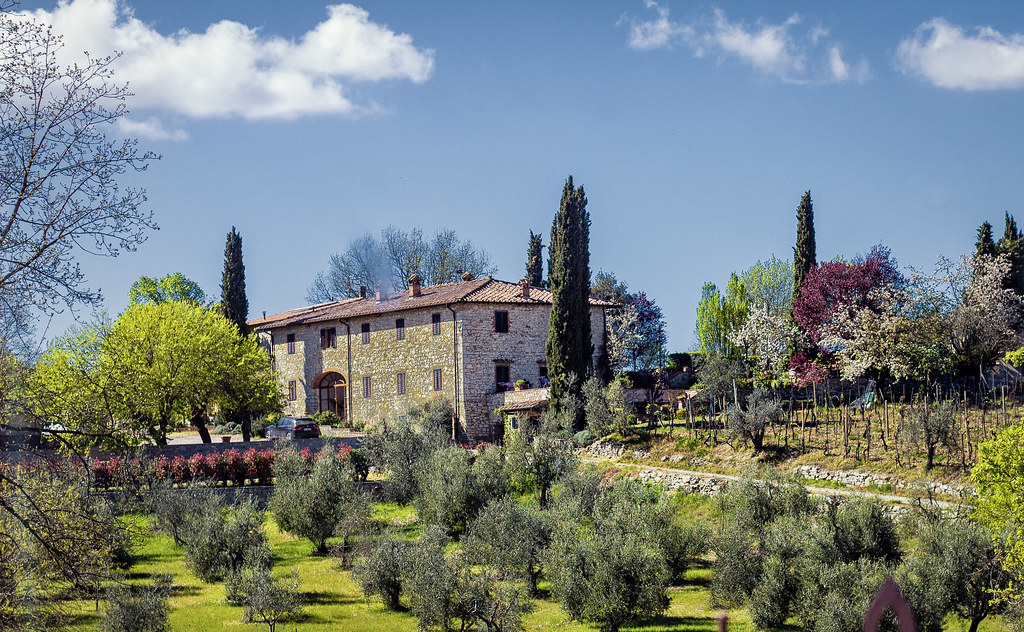
Fall might be the single best time to visit Italy, and it is our personal pick. September still has summer’s warmth without the worst of the heat and crowds, the sea stays warm enough to swim into early October, and the harvest season brings grapes, olives, truffles, and food festivals across the country. October cools down and can bring some rain, particularly later in the month and in the north, but it stays beautiful and much quieter.
For food and wine lovers, the autumn harvest is a special time to be in Italy, and it is when we most love exploring regions like Tuscany. Our broader best time to visit Europe guide makes the same case for fall across the continent.
Winter (November to March)
Winter is the quiet season, and it has real charms if you know what you are getting. The cities are at their least crowded, prices drop, and you can stand in front of famous art and monuments with room to breathe. Christmas markets, holiday lights, and a festive atmosphere fill December, and the ski season opens in the Alps and Dolomites.
The downsides are cold, shorter days, and more rain, with some coastal and lake destinations going into hibernation as hotels and restaurants close for the season. Venice can flood at high water but is hauntingly atmospheric in winter fog, and Rome stays mild enough to enjoy. Winter is a smart choice for a city-focused trip on a budget, less so for the coast.
Best Time to Visit by Region
Italy is long and geographically varied, so the ideal timing really does change from north to south.
Rome, Florence, and the Art Cities
For the culture-heavy inland cities, spring and fall are ideal. You get comfortable walking weather and thinner lines at the Colosseum, the Vatican, and the Uffizi. Avoid July and August if you can, when the heat makes long sightseeing days genuinely uncomfortable, and consider winter for the lowest prices and smallest crowds if you do not mind bundling up.
The Amalfi Coast and the South
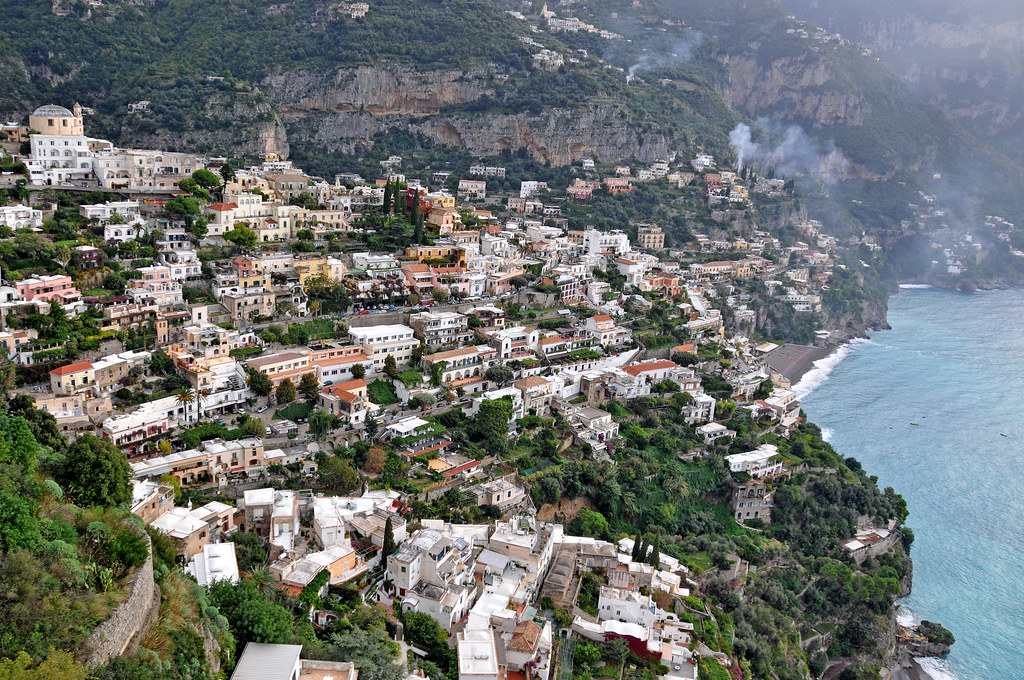
The coast shines from late spring through early fall. May, June, and September are the sweet spots: warm, sunny, and swimmable without the absolute peak crush of August. Many hotels and beach clubs along the Amalfi Coast close from roughly November to March, so winter is not the time for a southern beach trip. Nearby Naples stays lively year-round, but the coastal towns follow the season.
Venice
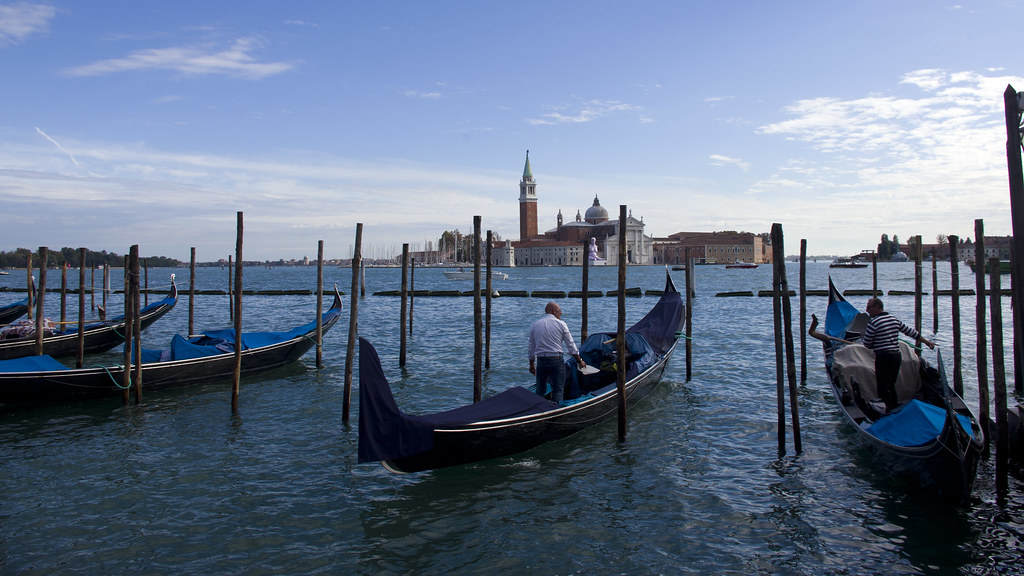
Venice is worth visiting in almost any season, but each has a personality. Spring and fall are the most balanced. Summer is hot, crowded, and can be humid, while winter is quiet and moody, with Carnevale bringing color and costumes in February. Watch for acqua alta, the periodic high-water flooding, which is most common in fall and early winter.
The Italian Lakes and the North
Lake Como, Lake Garda, and the northern lakes are at their best from late spring through early fall, roughly May to September, when the gardens bloom and the ferries run on full schedules. Many lakeside hotels and attractions wind down in winter. The Alps and Dolomites, by contrast, have two peak seasons: summer for hiking and winter for skiing.
Cinque Terre
The five villages of the Cinque Terre are loveliest in the shoulder months, May to June and September, when the hiking trails are open and the weather is kind. Summer brings big crowds to those tiny villages and narrow trails, and winter sees some trails, hotels, and restaurants close.
Best Time to Visit for What You Want
Sometimes the right timing comes down to a single priority.
For the best weather with fewer crowds, target May, June, September, and early October almost anywhere in the country. For beaches and swimming, June through September is your window, with the water warmest in late summer. For food and wine, fall is unbeatable thanks to the grape and olive harvests and the truffle season. And for the tightest budget, the winter months outside the holidays bring the lowest airfares and hotel rates, especially in the cities. Our guide on how much a trip to Europe costs shows just how much these seasonal swings can move your total.
Month-by-Month Quick Guide
Here is the short version if you are scanning:
- January and February: Coldest and quietest, lowest prices, great for city sightseeing and skiing, Venice Carnevale in February.
- March: Still cool and shoulder-quiet, prices low, spring beginning in the south.
- April: Lovely spring weather arriving, wildflowers, Easter crowds to watch for.
- May: One of the best all-around months, warm, blooming, not yet overcrowded.
- June: Warm and beautiful, crowds building, excellent for the coast and lakes.
- July and August: Hot and peak-crowded, best for beaches, tough in the cities, August closures to plan around.
- September: Arguably the best month overall, warm, harvest season, easing crowds.
- October: Beautiful and quieter, some rain later, great value.
- November and December: Cold and quiet, holiday markets and lights in December, coastal areas closing.
Festivals and Events Worth Planning Around
Italy’s calendar is full of events that can either be the highlight of your trip or the reason a town is booked solid, so it helps to know the big ones. Venice Carnevale in February fills the city with masks and costumes and is spectacular, but rooms vanish and prices soar. Easter, known as Pasqua, brings major celebrations across the country, with Holy Week in Rome drawing enormous crowds to the Vatican. The summer is packed with local festivals, or sagre, celebrating everything from truffles to a single village’s patron saint, and stumbling into one is a joy.
Fall is harvest festival season, when wine regions like Tuscany and Piedmont come alive with grape and truffle events that are worth building a trip around. December brings Christmas markets, nativity scenes, and holiday lights, especially lovely in the northern cities and the Alpine towns. A quick search for events in your destination and dates before you book can turn an ordinary week into an unforgettable one, or help you sidestep the busiest days if crowds are not your thing.
Tips for Timing Your Italy Trip
A few lessons from our own trips. Book the marquee sights ahead no matter when you go, because timed tickets for the Vatican, the Uffizi, and the Colosseum sell out fastest in shoulder and peak season. Travel midweek where you can, since Italian and European weekend travelers pack the popular spots on Saturdays and Sundays. Watch the local calendar for holidays like Easter, Ferragosto in mid-August, and Christmas, which all shift crowds, prices, and closures. And build in a rest day, because Italy tempts you to overpack the itinerary and the heat or the crowds will remind you to slow down.
For the bigger picture of stitching a whole trip together, from routing to pacing to budgeting, our guide on how to plan a trip to Europe walks through the whole process.
Where to Book
Once you have picked your season, here is how we lock in the pieces:
- Hotels: We use Booking.com to compare rates across cities and regions, and prices swing enough by season that it pays to check a few dates. Most listings offer free cancellation.
- Tours and experiences: Viator has skip-the-line museum tickets, food and wine tours, and day trips, all of which book up faster in the busy months.
Locking in your dates and your must-see tickets early is the single best money-and-stress saver for an Italy trip, especially if you land on those popular shoulder-season weeks.
Final Thoughts
There is no single perfect time to visit Italy, only the perfect time for your trip. If we had to choose one window for most travelers, we would take September in a heartbeat: warm days, harvest food, swimmable seas, and crowds finally loosening their grip. But a snowy December in Rome or a blooming May in Tuscany can be just as magical. Decide what you want most, whether that is beaches, art, wine, or value, and let that pick your month.
Ready to keep planning? Dive into our guides for Rome, Florence, and the Amalfi Coast, and pair this with our best time to visit Europe guide for the wider continent.