Disclosure: This post contains affiliate links. If you book through our links, we may earn a small commission at no extra cost to you. Thanks for supporting Faceted Travel!
Table of Contents
- What Exactly Is Cinque Terre?
- The Five Villages, One by One
- How to Get Around: Train, Trails, and Boats
- When to Visit Cinque Terre
- Where to Stay in Cinque Terre
- What to Eat in Cinque Terre
- Smart Tips for Visiting
- The Best Hikes in Cinque Terre
- How Many Days Do You Need in Cinque Terre
- Cinque Terre on a Budget
- Frequently Asked Questions About Cinque Terre
- Where to Book
- Final Thoughts
Few places have made us gasp out loud the way Cinque Terre did when we rounded a bend and saw Vernazza’s pastel houses tumbling down to a tiny harbor on the Italian Riviera. Five impossibly pretty fishing villages, stitched together by cliffside trails and a train that ducks through the mountains, clinging to the sea.
We are Todd and Kimberly, and Cinque Terre lived up to every photo and then some. It is romantic, colorful, a little crowded, and unlike anywhere else in Italy. This guide covers how to visit all five villages, when to go, and how to skip the worst of the crowds in one of the country’s most beloved corners.
What Exactly Is Cinque Terre?
Cinque Terre, which means Five Lands, is a string of five centuries-old villages on the rugged coast of the Italian Riviera, in the Liguria region. From north to south they are Monterosso al Mare, Vernazza, Corniglia, Manarola, and Riomaggiore. The whole area is a national park and a UNESCO World Heritage Site, and cars are largely kept out, which is a big part of the magic.
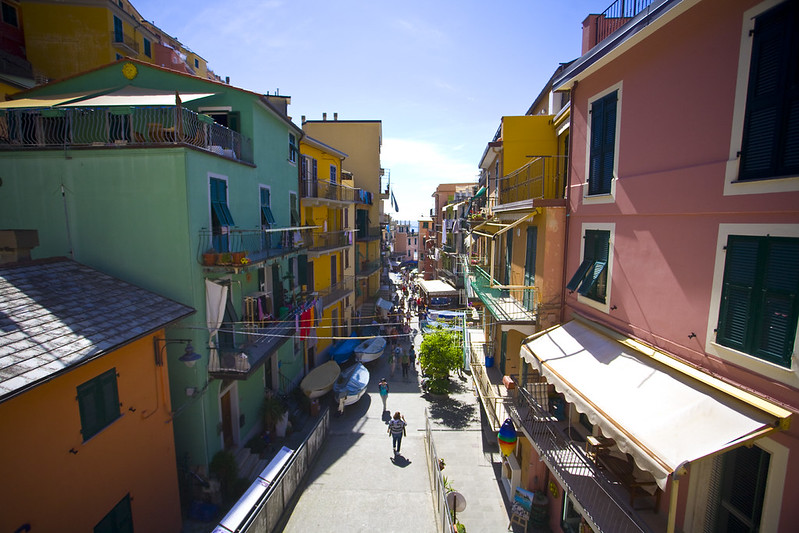
What makes it special is the combination: brightly painted houses stacked on cliffs, terraced vineyards climbing the hillsides, hidden coves and harbors, and a walking and train network that lets you hop between villages with ease. Each of the five has its own personality, and seeing all of them is the whole point.
The Five Villages, One by One
Monterosso al Mare
The largest and most resort-like, Monterosso has the only real sandy beach, plus hotels, restaurants, and a more relaxed, spread-out feel. It is the easiest base if you want beach time and amenities.
Vernazza
For many visitors, including us, Vernazza is the most beautiful of the five. Its natural harbor, pastel buildings, and little piazza by the water are postcard-perfect. It gets busy for good reason.
Corniglia
The only village not directly on the water, Corniglia sits high on a cliff, reached by a long stairway or a shuttle bus from the train station. It is the quietest and most rural, with sweeping views and fewer crowds.
Manarola
Famous for its sunset views and the cluster of colorful houses above the rocks, Manarola is arguably the most photographed village. The walk to the cemetery viewpoint at golden hour is unforgettable.
Riomaggiore
The southern gateway, Riomaggiore has a steep, lively main street running down to a small harbor. It is a wonderful place to watch the boats and grab a paper cone of fried seafood.
How to Get Around: Train, Trails, and Boats
The single most important thing to know is that the local train is your best friend. A frequent regional train connects all five villages, with rides between them lasting just a few minutes. The Cinque Terre Card includes unlimited train rides plus trail access and is well worth buying.
The famous hiking trails link the villages along the cliffs. The Sentiero Azzurro (Blue Trail) is the classic coastal path, though sections close periodically for maintenance, so always check current conditions. The Vernazza-to-Monterosso stretch is stunning and usually open. Higher trails through the vineyards offer quieter, more challenging routes with huge views.
In summer, ferries connect most of the villages (all except cliff-top Corniglia) and offer a gorgeous perspective from the water. We love arriving in a village by boat at least once.
Skip bringing a car. Parking is scarce and the villages are pedestrian-friendly, so the train and your feet are all you need.
When to Visit Cinque Terre
Late spring and early fall (May to June, September)
These shoulder months are the sweet spot: warm weather, open trails, swimmable sea, and somewhat thinner crowds than peak summer. This is when we would tell a first-timer to go.
Summer (July to August)
Summer is hot, sunny, and very crowded, with day-trippers and cruise passengers pouring in. The sea is perfect for swimming, but the villages and trains can feel packed midday. Go early and late to enjoy it.
Off-season (November to March)
Winter is quiet and atmospheric, with many hotels and restaurants closed and some trails shut. It can be a peaceful, moody time to visit, but you trade away the lively summer energy.
If you are building a longer Italian trip, Cinque Terre pairs naturally with our guides to Florence, Rome, and Venice, all reachable by train.
Where to Stay in Cinque Terre
You can base yourself in one of the five villages or in nearby towns. Staying in a village means waking up in the magic after the day-trippers leave, which is the experience we recommend if your budget allows.
Monterosso is the easiest, with the most hotels and the beach. Vernazza and Manarola are the most scenic but have limited, pricey rooms that book up early. Riomaggiore offers a bit more availability. If village prices are steep, the nearby town of La Spezia, just a short train ride south, makes an affordable and convenient base with frequent connections.
Whatever you choose, book well ahead for spring through fall, and pack light, because there are lots of stairs and few elevators.
What to Eat in Cinque Terre
This is Liguria, the birthplace of pesto, so eat plenty of it. Trofie al pesto, a twisted local pasta with basil pesto, is the regional star. Fresh seafood is everywhere, and the must-try street food is a paper cone of fritto misto, lightly fried anchovies, calamari, and shrimp eaten by the harbor.
Pair it all with the local white wine, made from grapes grown on those dramatic terraced hillsides, and finish with the sweet dessert wine Sciacchetra if you can find it. Focaccia, another Ligurian specialty, makes a perfect cheap lunch on the go.
Smart Tips for Visiting
A few things we wish we had known. Wear real shoes, not sandals, because even the village streets are steep and uneven. Buy the Cinque Terre Card if you plan to ride the train more than a couple of times or hike the trails. Always check which trails are open before you count on a specific hike. And consider basing yourself here for two or three nights rather than day-tripping, so you can enjoy the villages in the calm early mornings and evenings.
For the practical side of any European trip, our guides to the best travel insurance for Europe and our packing list for Europe cover what we never leave home without.
The Best Hikes in Cinque Terre
Hiking between the villages is one of the great joys of Cinque Terre, and there is a trail for every fitness level. The most famous is the Sentiero Azzurro, the Blue Trail, the lower coastal path that links the five villages. Its easiest and most iconic stretch, the Via dell’Amore (Lovers’ Lane) between Riomaggiore and Manarola, is nearly flat and stroller-friendly, though it has been closed for long stretches for repairs, so always check before you count on it.
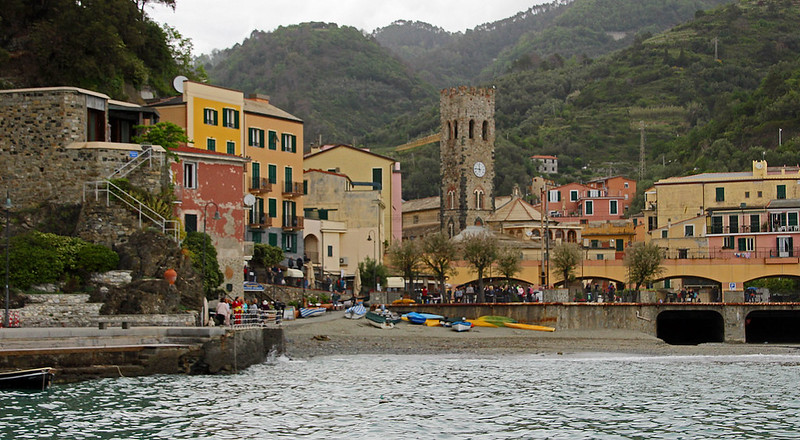
The Vernazza-to-Monterosso section is the showstopper: a moderately strenuous coastal hike of about 90 minutes with jaw-dropping views back over Vernazza’s harbor. It is our single favorite walk in the area. The Corniglia-to-Vernazza stretch is similarly beautiful and a bit longer.
For those who want to escape the crowds, the higher trails through the terraced vineyards and the Sanctuary paths above the villages reward the climb with solitude and even bigger panoramas. They are steeper and less trafficked, but stunning. Whatever you hike, wear proper shoes, carry water, start early to beat the heat and crowds, and remember that you will need a Cinque Terre Card or trail ticket for the main coastal sections. If a trail is closed, the train is always there as a quick, scenic backup.
How Many Days Do You Need in Cinque Terre
This is the question we get asked most. Our honest answer is two full days minimum, and three if you can swing it. Cinque Terre is genuinely doable as a long day trip from Florence, Pisa, or La Spezia, and a lot of people see it that way, but you only catch the crowded, midday version of the villages.
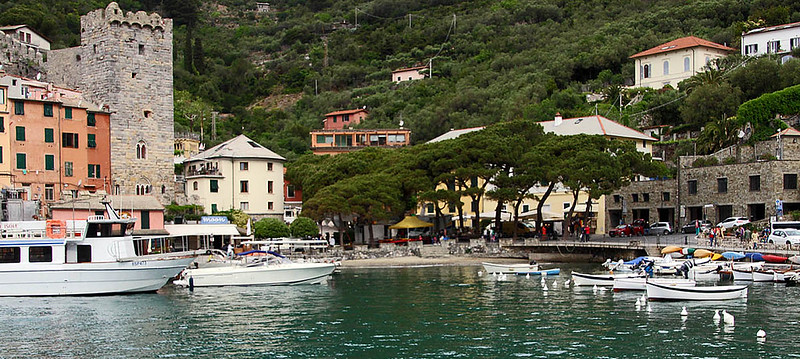
With two nights, you get the real magic: the quiet early mornings before the day-trippers arrive, the golden evenings after they leave, and time to ride the train, walk a trail, and take a boat without rushing. Three or four nights lets you settle into the slow rhythm, hike the higher vineyard trails, and maybe add a boat day or a side trip to nearby Portovenere, which we loved. If you only have one day, focus on two or three villages rather than trying to cram in all five.
Cinque Terre on a Budget
Cinque Terre has a reputation for being pricey, but it does not have to break the bank. The biggest savings come from where you sleep: rooms in the five villages, especially Vernazza and Manarola, command a premium, while nearby La Spezia offers far better value and is only a short, frequent train ride away.
On food, skip the sit-down seafood dinners every night and lean on Liguria’s brilliant cheap eats. A paper cone of fried seafood, a slice of focaccia, a slab of farinata, or a takeaway pasta from a hole-in-the-wall keeps lunches under 10 euros and lets you picnic with a view. Fill your water bottle at village fountains, buy the Cinque Terre Card only if you will actually use the trains and trails enough to justify it, and travel in shoulder season when rooms cost noticeably less. Done thoughtfully, Cinque Terre is very achievable on a modest budget.
Frequently Asked Questions About Cinque Terre
Which Cinque Terre village is the best to stay in? Monterosso is the easiest and most practical, with the most hotels, the only real beach, and flatter streets. Vernazza and Manarola are the most beautiful but have limited, pricier rooms. For value, many travelers base in La Spezia, just south, and day-trip in by train. We like staying in a village to enjoy the quiet mornings, with Monterosso as the most hassle-free pick.
Is Cinque Terre worth visiting? Absolutely. The combination of colorful cliffside villages, sea views, cliffside trails, and that car-free, slow-paced atmosphere is unlike anywhere else in Italy. The trick to loving it is staying overnight and exploring in the early morning and evening, when the villages are at their most peaceful and beautiful.
Do you need a car for Cinque Terre? No, and we would actively recommend against one. The villages are pedestrian-focused, parking is scarce and expensive, and the frequent local train connects all five in minutes. Between the train, the trails, and the seasonal ferries, you have everything you need to get around.
Where to Book
Here is how we book a Cinque Terre trip:
Hotels: We compare rooms in the five villages and in La Spezia on Booking.com, paying close attention to how many stairs lie between the room and the train station. Book early for the scenic village stays.
Tours and Experiences: Boat tours, guided hikes, pesto-making classes, and wine tastings are easy to compare and reserve on Viator. A sunset boat tour along the coast is worth every euro.
Final Thoughts
Cinque Terre is exactly as dreamy as it looks, and seeing all five villages, by train, on foot, and by boat, is one of the great simple pleasures of travel in Italy. Go in shoulder season if you can, stay overnight, eat all the pesto, and let yourself get lost on the cliffside paths.
For more Italian and European adventures, dive into our guides to Florence, Venice, and the Amalfi Coast. Buon viaggio.