Disclosure: This post contains affiliate links. If you book through our links, we may earn a small commission at no extra cost to you. Thanks for supporting Faceted Travel!
Table of Contents
- Why Chicago Deserves a Spot on Your List
- When to Visit Chicago
- Getting There and Getting Around
- The Best Things to Do in Chicago
- What and Where to Eat in Chicago
- Where to Stay in Chicago
- Smart Tips for Visiting Chicago
- Exploring Chicago’s Neighborhoods
- Best Day Trips from Chicago
- How Many Days Do You Need in Chicago
- Frequently Asked Questions About Visiting Chicago
- Where to Book
- Final Thoughts
Chicago might just be the most underrated big city in America, and we will happily argue that with anyone. Soaring architecture, a gorgeous lakefront, world-class museums, deep-dish pizza, and some of the friendliest people of any major US city all sit on the shore of Lake Michigan.
We are Todd and Kimberly, and Chicago surprised us in the best way. It has the energy of New York without the attitude, big-city culture with Midwestern warmth, and a food scene that runs from humble hot dog stands to white-tablecloth temples. Here is our complete guide to making the most of the Windy City.
Why Chicago Deserves a Spot on Your List
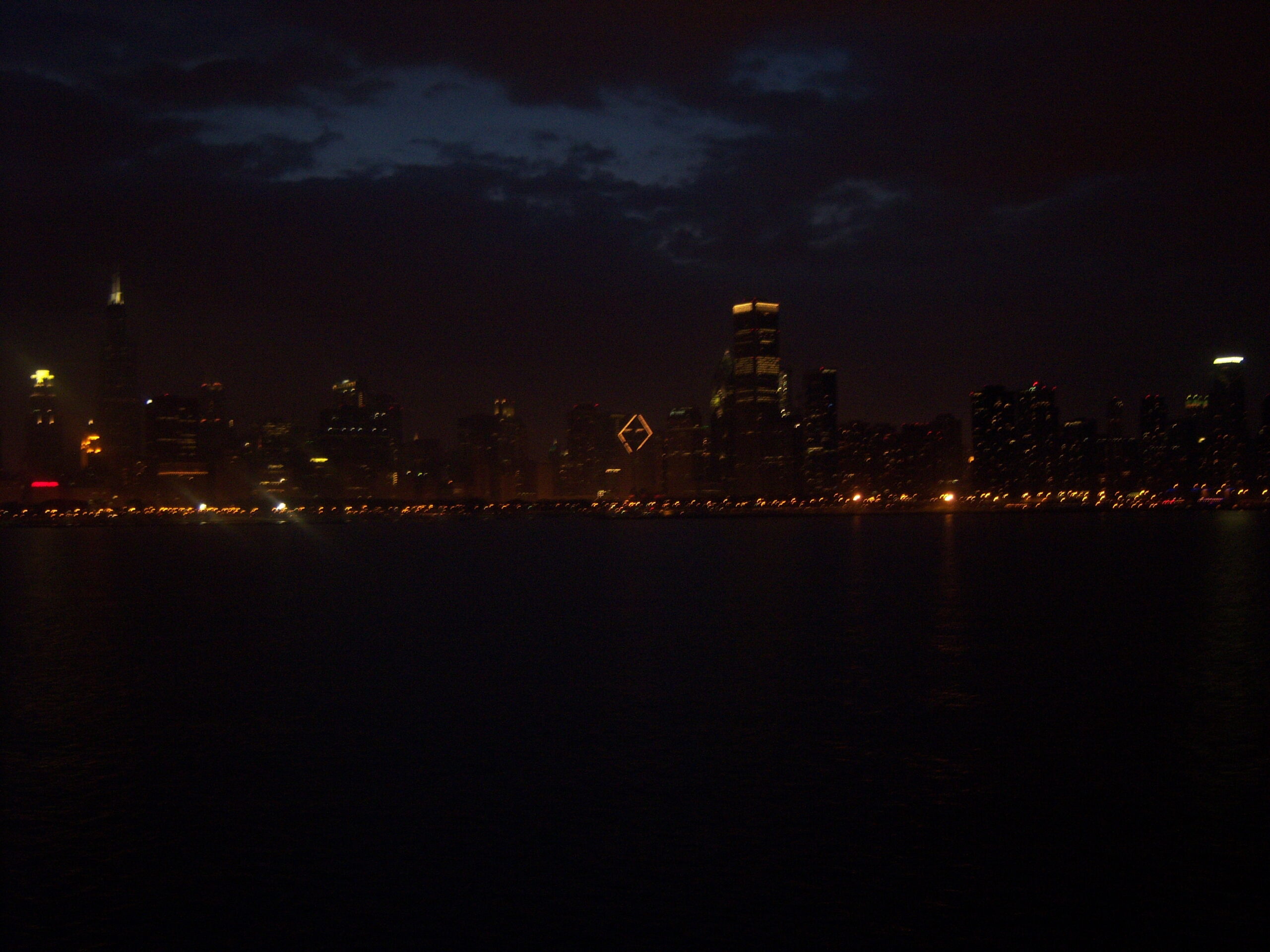
Chicago is the third-largest city in the country, but it never feels overwhelming the way some megacities do. The lakefront, with its beaches, trails, and parks, gives the whole city room to breathe. The skyline is a living museum of architecture, the birthplace of the skyscraper. And the neighborhoods, each with its own character, reward anyone willing to wander beyond downtown.
It is also a remarkably walkable and transit-friendly city, with a famous elevated train (the L) that makes getting around easy and cheap. For a first big-city trip or a return visit, Chicago delivers culture, food, and fun without the stress.
When to Visit Chicago
Chicago is a four-season city, and the season you pick changes the trip dramatically.
Summer (June to August)
Summer is Chicago at its absolute best and busiest. The lakefront comes alive, festivals fill every weekend, the beaches are packed, and outdoor dining spills onto the sidewalks. It is warm, lively, and the city’s clear favorite season. Book ahead, because everyone wants to be here.
Fall (September to October)
Fall is our personal pick. The brutal humidity fades, the crowds thin, the light turns golden, and the city stays busy with culture and food without the summer crush. Pack layers for cooler evenings.
Spring (April to May)
Spring is a relief after winter, with blooming parks and milder days, though it can be wet and unpredictable. Prices are lower and crowds are manageable.
Winter (November to March)
Winter is genuinely cold, sometimes bitterly so, with that famous wind off the lake. But the holiday season is magical, museums are uncrowded, and hotel deals abound. Just pack a serious coat.
Getting There and Getting Around
Chicago has two airports: O’Hare, one of the busiest in the world, and the smaller, often cheaper Midway. Both connect downtown by the L train, which is the cheapest way in.
Once you are here, you may not need a car at all. The L and bus system, plus plenty of walking and rideshares, cover most of what visitors want. We rarely rent a car in Chicago, which saves on pricey downtown parking. Like our other big-city favorites, including New York City and Washington D.C., Chicago is a place where public transit beats driving.
A great first move is to grab a transit card and orient yourself around the Loop, the downtown core named for the elevated tracks that circle it.
The Best Things to Do in Chicago
Millennium Park and the Bean
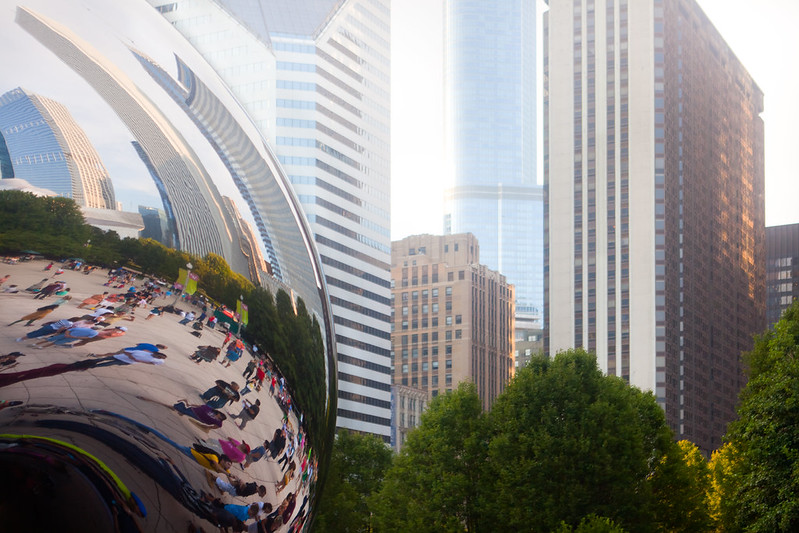
Start at Millennium Park, home to Cloud Gate, the giant mirrored sculpture everyone calls the Bean. It is touristy and absolutely worth it. The surrounding park, with its bandshell and gardens, is a lovely place to stroll, and it connects to the lakefront and the Art Institute.
The Art Institute of Chicago
One of the best art museums in the country, the Art Institute holds masterpieces from around the world, including a famous collection of Impressionist and American art. Give it a few hours at least.
Architecture River Cruise
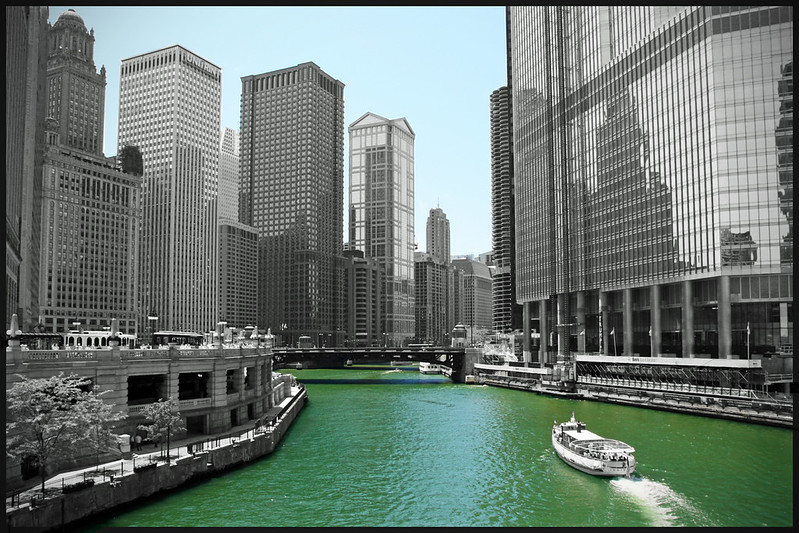
This is the one experience we tell everyone not to skip. A boat cruise along the Chicago River, narrated by a guide, is the single best way to understand the city’s incredible architecture and history. It is genuinely one of our favorite things to do in any US city.
Navy Pier and the Lakefront
Navy Pier is a classic, with its Ferris wheel and lake views. Beyond it, the 18-mile Lakefront Trail is perfect for walking or biking past beaches, parks, and skyline views. Rent a bike and ride a stretch of it.
Neighborhoods and Skydeck
Ride to the Skydeck at Willis Tower (or 360 Chicago) for a stomach-flipping view, then explore neighborhoods like Wicker Park, Pilsen, and Logan Square for street art, boutiques, and incredible food.
What and Where to Eat in Chicago
Chicago is a serious food city, and a few things are non-negotiable.
Deep-dish pizza is the famous one, a knife-and-fork pie with a tall, buttery crust. It is heavy, glorious, and worth trying once even if locals eat thin-crust more often. The Chicago-style hot dog, dragged through the garden and never with ketchup, is a cheap and essential bite. Italian beef sandwiches, dipped and messy, round out the holy trinity of Chicago classics.
Beyond the icons, the city’s neighborhood restaurants are extraordinary, from Mexican food in Pilsen to global cuisine across the city to a celebrated fine-dining scene. Come hungry and pace yourself.
Where to Stay in Chicago
For a first visit, base yourself downtown. The Loop puts you near Millennium Park, the river, and transit. River North is central, lively, and loaded with restaurants and nightlife. The Magnificent Mile area along North Michigan Avenue is great for shopping and lake access.
For a more local feel, neighborhoods like Wicker Park and Lincoln Park offer character and good value, with easy L access downtown. Wherever you stay, proximity to an L stop makes everything easier. We book hotels well ahead for summer, when rates climb.
Smart Tips for Visiting Chicago
A few things we have learned. The wind off the lake is real, so bring a layer even in summer evenings. Buy a transit card on arrival and use the L instead of expensive downtown parking. Many world-class museums have free or discounted days, so check ahead. And do not confine yourself to downtown, because the neighborhoods are where Chicago’s heart really beats.
If you are mapping out a few US cities, our guides to Austin, Nashville, and Seattle pair well with a Chicago trip.
Exploring Chicago’s Neighborhoods
Downtown gets the headlines, but Chicago’s soul lives in its neighborhoods, and exploring a few is the best way to see the real city. Wicker Park and Bucktown are the hip, creative heart, packed with vintage shops, indie boutiques, street art, music venues, and some of the best casual dining in the city. Logan Square, a little further out, has become a foodie and cocktail destination with a laid-back, local feel.
Pilsen is the vibrant center of Mexican-American culture, famous for its murals, the National Museum of Mexican Art (free to enter), and outstanding taquerias and bakeries. Lincoln Park pairs leafy streets and the free Lincoln Park Zoo with lakefront access and a lively dining scene. Andersonville on the north side is charming and walkable, while Hyde Park on the south side is home to the University of Chicago and the excellent Museum of Science and Industry.
You do not need to see them all, but picking one or two to wander for an afternoon, ideally reaching them by the L, transforms a Chicago trip from a downtown checklist into a real feel for the city. We always build in at least one full neighborhood day, and it is consistently a highlight.
Best Day Trips from Chicago
If you have extra time, Chicago is a great base for day trips. Lake Geneva, Wisconsin, about 90 minutes north, is a charming resort town on a gorgeous lake, perfect for a summer escape. Milwaukee, just over an hour up the road, surprises visitors with its art museum, breweries, and lakefront, making an easy half-day or full-day add-on.
For nature, the Indiana Dunes National Park sits about an hour east along Lake Michigan, with sandy beaches and trails that feel a world away from the city. Architecture fans can ride the train out to Oak Park to see the largest concentration of Frank Lloyd Wright buildings anywhere, including his home and studio. And if you are traveling with kids, the lakeside town of Starved Rock State Park, about two hours southwest, offers canyons and waterfalls that are especially pretty in spring.
We usually stick to the city on a first visit, since Chicago itself easily fills three or four days, but these trips are great for a return or a longer stay.
How Many Days Do You Need in Chicago
For a first visit, we think three full days is the sweet spot. That gives you one day for the downtown icons (Millennium Park, the Art Institute, the architecture cruise), one day for the lakefront and Navy Pier or a Skydeck view, and one day to explore a couple of neighborhoods and eat your way through the classics.
Two days is enough to hit the highlights if you are efficient, while four or five days lets you slow down, add a day trip, and really dig into the food and neighborhood scenes, which is how we prefer to do it. Chicago rewards a slower pace more than people expect.
Frequently Asked Questions About Visiting Chicago
Is Chicago safe for tourists? The main tourist areas (downtown, the Loop, Magnificent Mile, lakefront, and most popular neighborhoods) are well-traveled and generally safe, especially during the day and evening when they are busy. Like any big city, use normal street smarts, stay aware on public transit late at night, and you will likely have zero issues. We have always felt comfortable as visitors.
Is Chicago expensive to visit? It is more affordable than New York or San Francisco while still being a major city. Hotels and dining downtown are pricey, but you save a lot by using the cheap L train instead of cabs, eating at neighborhood spots and hawker-style food halls, and taking advantage of free attractions like Millennium Park and museum free days.
What is Chicago best known for? Chicago is famous for its skyline and architecture (the birthplace of the skyscraper), deep-dish pizza and Chicago-style hot dogs, its lakefront on Lake Michigan, world-class museums like the Art Institute, blues and jazz history, and passionate sports fans. The architecture river cruise ties the city’s story together better than anything.
Where to Book
Here is how we book a Chicago trip:
Hotels: We compare downtown and neighborhood hotels on Booking.com, prioritizing a location near an L stop or within walking distance of the Loop and lakefront. Book early for summer.
Tours and Experiences: The architecture river cruise, Skydeck tickets, food tours, and museum passes are easy to compare and reserve on Viator. The river cruise is the one we book first.
Final Thoughts
Chicago is the rare big city that feels both world-class and welcoming. Take the architecture cruise, walk the lakefront, eat your way through the classics, and give the neighborhoods a day of their own. We left already planning our next trip back.
For more US city inspiration, dive into our guides to New York City, Washington D.C., and Austin. Safe travels.