Disclosure: This post contains affiliate links. If you book through our links, we may earn a small commission at no extra cost to you. We only recommend places and things we’ve personally used or vetted.
Table of Contents
- When to Visit Washington D.C.
- Getting Around Washington D.C.
- What’s Free in Washington D.C.
- Best Things to Do in Washington D.C.
- Washington D.C. Neighborhoods
- Where to Stay in D.C.
- Where to Eat in D.C.
- D.C. With Kids
- Tours Worth Booking in D.C.
- Where to Book Your D.C. Trip
- Quick D.C. Itinerary (4 Days)
- Final Thoughts
There’s a version of Washington D.C. that every American has already experienced: school trip, monuments by bus, maybe a rushed afternoon at the Air and Space Museum. And then there’s the D.C. that people discover when they go back as adults and stay a few days longer than expected — the Georgetown waterfront at dusk, dinner in Shaw, the Library of Congress Reading Room, the size of the original Degas collection at the National Gallery.
D.C. is one of the best-value cities in America for travelers, largely because the Smithsonian museums and the National Mall monuments are all free. This guide covers everything from the monuments you’ve already heard of to the neighborhoods and meals that will make you actually want to go back.
When to Visit Washington D.C.
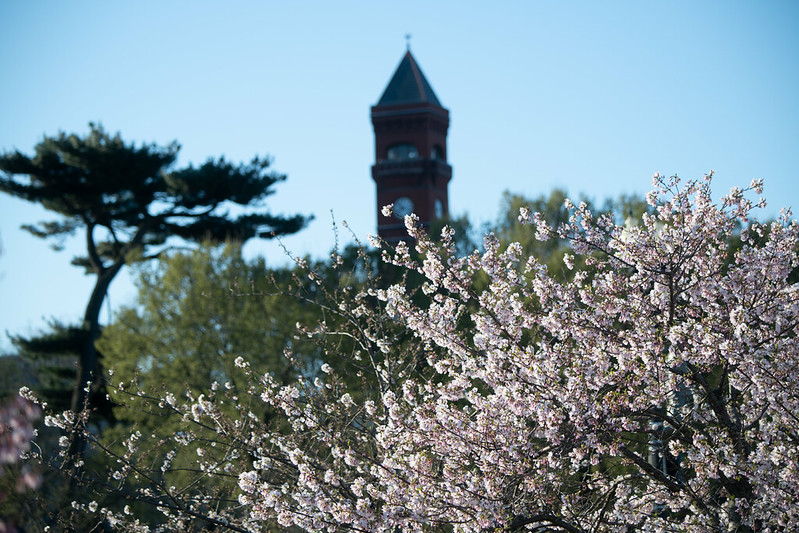
Best overall: March–June and September–November. The famous cherry blossoms typically bloom late March to early April — beautiful and extremely crowded. Fall is the local favorite: crisp weather, fall foliage on the Mall, and manageable crowds.
Peak season: Spring (especially cherry blossom season) and summer bring maximum crowds and heat. School groups fill the Smithsonian museums throughout the summer.
Winter (December–February): Cold but manageable, and the city empties out considerably. Indoor museum visits are ideal, holiday lighting on the Mall is lovely, and hotels are at their cheapest.
Getting Around Washington D.C.
Metro: D.C.’s Metro system is clean, safe, and covers every major attraction on the Mall and in the downtown/Capitol Hill neighborhoods. Get a SmarTrip card — reloadable, works on both Metro and buses.
Walking: The Mall between the Lincoln Memorial and the Capitol is about 2.5 miles, completely flat and walkable. Many museum clusters are within easy walking distance of each other.
Biking: Capital Bikeshare stations are everywhere and the bike lanes are well-developed. The Capital Crescent Trail along the Potomac is an excellent cycling route.
Car: Don’t drive. Parking is expensive, traffic is bad, and the Metro genuinely reaches everything you’d want.
What’s Free in Washington D.C.
This is the part that changes everything about trip planning. All of the following are free:
- All 19 Smithsonian Institution museums and galleries (Air and Space, American History, Natural History, African American History and Culture, American Art, National Portrait Gallery, Hirshhorn, and more)
- National Gallery of Art (East and West buildings) — one of the finest art museums in the world
- All National Mall monuments and memorials (Lincoln, Vietnam, Korea, WWII, MLK, Jefferson, Washington Monument)
- U.S. Capitol building tours (free, reserve online well in advance)
- Library of Congress public reading rooms and exhibitions
- National Archives (free but reservations recommended)
- Supreme Court building and exhibitions
Best Things to Do in Washington D.C.
The National Mall
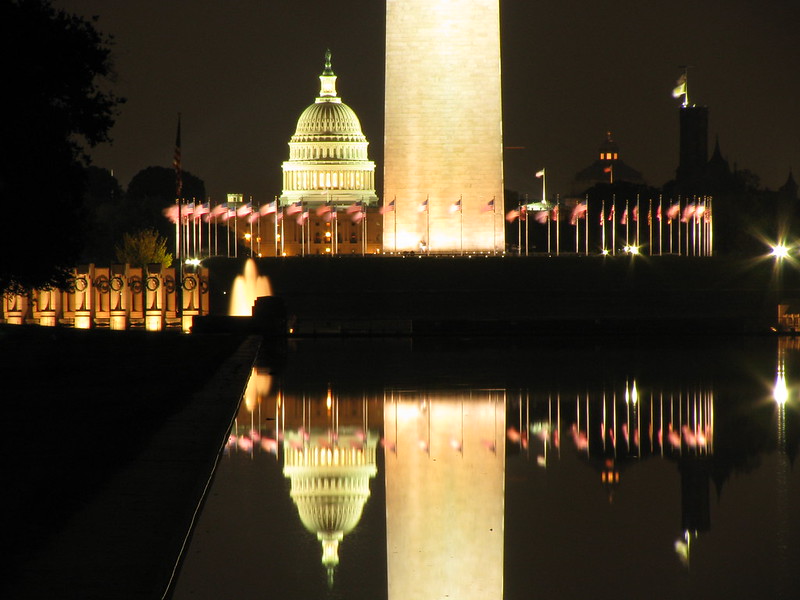
Walk the Mall at least once end-to-end. Start at the Lincoln Memorial at dawn for one of the great views in America — the Reflecting Pool, the Washington Monument, the Capitol in the distance. The view alone is worth getting up early for. Then walk east: the Vietnam Veterans Memorial, the Korean War Veterans Memorial, the World War II Memorial, and the Washington Monument.
The Smithsonian Museums
You cannot do them all in one trip. Pick based on what genuinely interests you:
National Museum of Natural History: The Hope Diamond, the dinosaur halls, the ocean exhibits. Exceptional for all ages.
National Air and Space Museum: The Wright Brothers’ Flyer, John Glenn’s Friendship 7 capsule, the Apollo 11 Command Module. Budget half a day minimum.
National Museum of African American History and Culture: One of the most powerful and important museums in the country. Reservations required — book weeks in advance on recreation.gov. Give it a full day.
Smithsonian American Art Museum and National Portrait Gallery: Housed together in a beautiful 19th-century building, often overlooked. Crowds are minimal compared to the Mall museums.
National Gallery of Art
Two buildings connected underground. The West Building holds the classical collection — Vermeer, Rembrandt, da Vinci’s Ginevra de’ Benci (the only Leonardo in the Western Hemisphere), the largest Degas collection outside France. The East Building holds the modern and contemporary collection.
This museum alone justifies a trip to D.C. Budget most of a day.
The Capitol Building and Capitol Hill
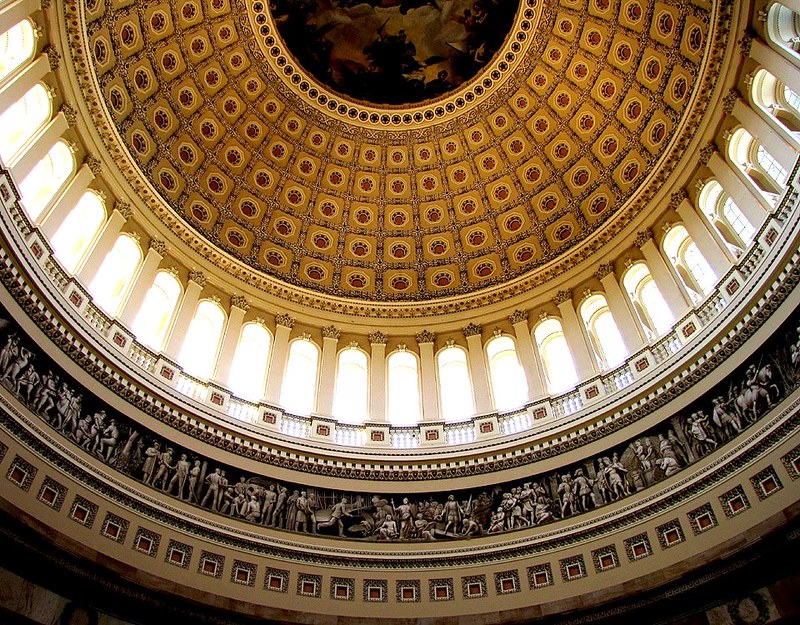
Free public tours must be reserved online — worth the effort for the Rotunda and the architecture. The surrounding Capitol Hill neighborhood is one of D.C.’s most beautiful: tree-lined streets, Federal-style row houses, and Eastern Market (excellent weekend food and artisan market).
Georgetown
D.C.’s most picturesque neighborhood — cobblestoned C Street, excellent restaurants, Georgetown Waterfront Park along the Potomac, and the towpath trail of the C&O Canal. Worth taking a bus or rideshare to get there.
The National Zoo
Part of the Smithsonian — free admission. The giant panda program has been nationally recognized; the exhibits are extensive and the grounds are beautiful. Plan 3–4 hours.
Washington D.C. Neighborhoods
Capitol Hill: Historic row houses, Eastern Market, independent bars and restaurants.
Shaw/U Street: D.C.’s historically Black neighborhood and the center of its jazz heritage. Now one of the best restaurant neighborhoods in the city. Ben’s Half-Smoke is mandatory.
Adams Morgan: Dense with restaurants, bars, and diversity. Sunday brunch culture here is serious.
DuPont Circle: Bookshops, coffee shops, LGBTQ+ nightlife, and the Sunday farmers market. Very walkable.
The Wharf: The newly developed waterfront district on the Southwest Potomac. Excellent restaurants, live music venues, and waterfront access.
Where to Stay in D.C.
On the Mall and Downtown: Maximum convenience for monument-visiting. Hotels are expensive but location pays off. Look at Hotel Lombardy or CitizenM for mid-range options.
Capitol Hill: Neighborhood charm, walkable to the Capitol and eastern Mall, Eastern Market. Slightly cheaper than downtown.
Virginia suburbs (Arlington, Alexandria): Metro-accessible and often 20–30% cheaper than D.C. proper. Old Town Alexandria is genuinely charming.
Browse Booking.com — filter by proximity to Metro stations and free cancellation.
Where to Eat in D.C.
Ben’s Chili Bowl (U Street): An American institution since 1958. The half-smoke is the thing to order. Open late.
Rasika (Penn Quarter): James Beard Award-winning modern Indian restaurant. Some of the best Indian food we’ve had anywhere. Book weeks ahead.
Maketto (H Street): Cambodian-influenced café with exceptional coffee, extraordinary noodle dishes, and a beautiful courtyard.
Oyamel (Penn Quarter): José Andrés’s Mexican restaurant serving small plates in a stunning space. Great cocktails.
The Wharf District: Multiple excellent options including Himitsu and Del Mar. Walk the waterfront and pick what looks good.
D.C. With Kids
Washington D.C. is one of the best cities in the US for traveling with children, and the free museums make it dramatically more affordable than comparable cities.
The museums with strongest kid engagement: Natural History, Air and Space, the National Zoo, and the National Geographic Museum. Book a guided tour through Viator for a National Mall overview — many tours are designed specifically for families.
Tours Worth Booking in D.C.
- National Mall monuments tour at night: The monuments are dramatically lit after dark and crowds are significantly thinner. GetYourGuide has good options.
- Underground Railroad history tour: The history of D.C. and its freedom trail is extraordinary and underexplored in standard tours.
- Bike tour of the monuments: A 2–3 hour guided bike tour covers more of the Mall than walking and is a great way to orient yourself on arrival.
Where to Book Your D.C. Trip
- Hotels: Booking.com — strong D.C. inventory, filter by Metro proximity
- Tours: Viator and GetYourGuide for monuments tours, night tours, and bike tours
- Flights: See our how to find cheap flights guide — D.C. has three airports (Reagan/DCA, Dulles/IAD, BWI) with very different access and pricing
Quick D.C. Itinerary (4 Days)
Day 1: Arrive, check in. Lincoln Memorial at dusk — arguably the best time to visit. Dinner in Shaw.
Day 2: National Gallery of Art (full morning), Natural History or Air and Space (afternoon), Eastern Market dinner.
Day 3: Capitol tour, Library of Congress Reading Room, Supreme Court, Capitol Hill lunch. Georgetown waterfront afternoon.
Day 4: National Museum of African American History (timed entry — book well in advance), U Street lunch at Ben’s Chili Bowl, monuments walk, flight home.
If you have a fifth day, day-trip to Mount Vernon or Annapolis — both are excellent.
Final Thoughts
D.C. may be the best value capital city trip available to American travelers. The collections at the National Gallery alone would be a destination in any European city. The monuments carry genuine historical weight. The food scene has quietly become excellent over the past decade.
Plan for at least four full days. Book the African American History Museum and Capitol tour well in advance. Wake up early for the monuments. Eat at Ben’s. D.C. will pleasantly surprise you.
Heading up the East Coast? Our New York City travel guide pairs naturally with D.C. for a classic Eastern seaboard trip.