

Disclosure: This post contains affiliate links. If you book through our links, we may earn a small commission at no extra cost to you. Thanks for supporting Faceted Travel!
We booked Rome on a whim. Two weeks before departure, we found cheap flights, grabbed a tiny apartment near Campo de’ Fiori, and figured we’d sort out the details later. What followed was three of the most chaotic, beautiful, overwhelming, and delicious days of our travel lives — and a very long list of things we wished someone had told us first.
This Rome travel guide is that list. If it’s your first time visiting the Eternal City, bookmark this page. We’re going to walk you through everything: what to see, what to skip, where to eat, how to beat the crowds at the Colosseum, and which neighborhoods to base yourself in. Rome rewards those who come prepared — and punishes those who don’t.
Why Rome Belongs on Every First-Timer’s List
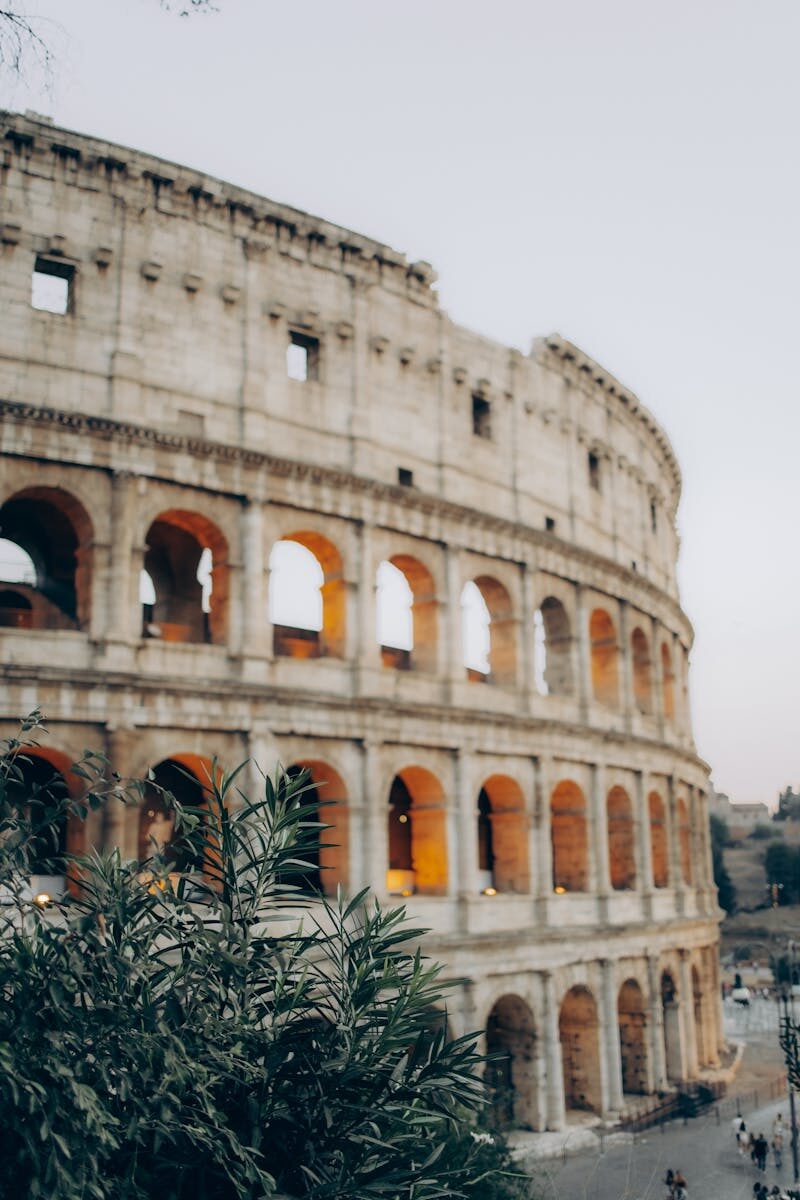
Rome is one of those cities that defies explanation until you’re standing inside it. The Pantheon has been standing for nearly 2,000 years. The Colosseum held 50,000 screaming spectators. The Vatican contains the most visited art museum on earth. And none of that even touches the food.
What surprised us most wasn’t any single monument — it was the density of it all. You can’t walk three blocks without stumbling onto a medieval church, a baroque fountain, or a piazza that would be the highlight of any other city on the planet. Rome is relentless in the best possible way.
We’ve also visited Paris and Lisbon — both incredible — but Rome hits differently. It’s louder, messier, more alive. And the gelato is better.
When to Visit Rome
The honest answer: avoid July and August if you possibly can. Summer in Rome is brutally hot (often above 95°F), and the city is absolutely packed with tourists. The major sites sell out days in advance and the lines are merciless.
Our top picks for first-timers:
April–May: Spring in Rome is magical — mild temperatures, flowers everywhere, and manageable crowds. Easter week is stunning but very busy; the weeks on either side are ideal.
September–October: Post-summer crowds thin out, temperatures drop to the low 70s, and the light is gorgeous. This is arguably the best time to visit.
November–March: Off-season Rome is underrated. Yes, some days are cold and rainy. But you’ll walk into the Vatican Museums with barely a wait, and the Romans feel more like themselves when the tourist tide has receded.
How Many Days Do You Need?
Three days is the absolute minimum to hit the highlights without feeling rushed. Four days is ideal for first-timers who also want to slow down, eat well, and wander. Five or more days lets you add day trips — Tivoli, Ostia Antica, or the Castelli Romani wine region.
We had four days on our first trip and still had a long list of things we didn’t get to. Rome is not a city you exhaust — it’s a city you keep coming back to.
Where to Stay in Rome
Location matters enormously in Rome. The city center is walkable to almost everything, and staying close to the action means you can duck back to your hotel between sights. These are the neighborhoods we recommend for first-timers:
Historic Center (Centro Storico): This is ground zero — the Pantheon, Piazza Navona, Campo de’ Fiori, and the Trevi Fountain are all within walking distance. Hotels here are pricier, but waking up steps from a 2,000-year-old temple is a trade-off worth making.
Trastevere: Rome’s most charming neighborhood — cobblestone streets, ivy-covered buildings, great trattorias, and a local vibe that survives despite the tourists. Slightly further from the Vatican but a great base for first-timers who want atmosphere.
Near Termini (Esquilino): The budget-friendly option. Not as atmospheric, but you’re central, near transit, and a short walk from everything. Great if you’re keeping costs down.
We always book through Booking.com for Rome — the selection is wide, and you can filter by neighborhood with the map view to nail your location.
The Must-See Sights (And How to Do Them Right)
The Colosseum, Roman Forum & Palatine Hill
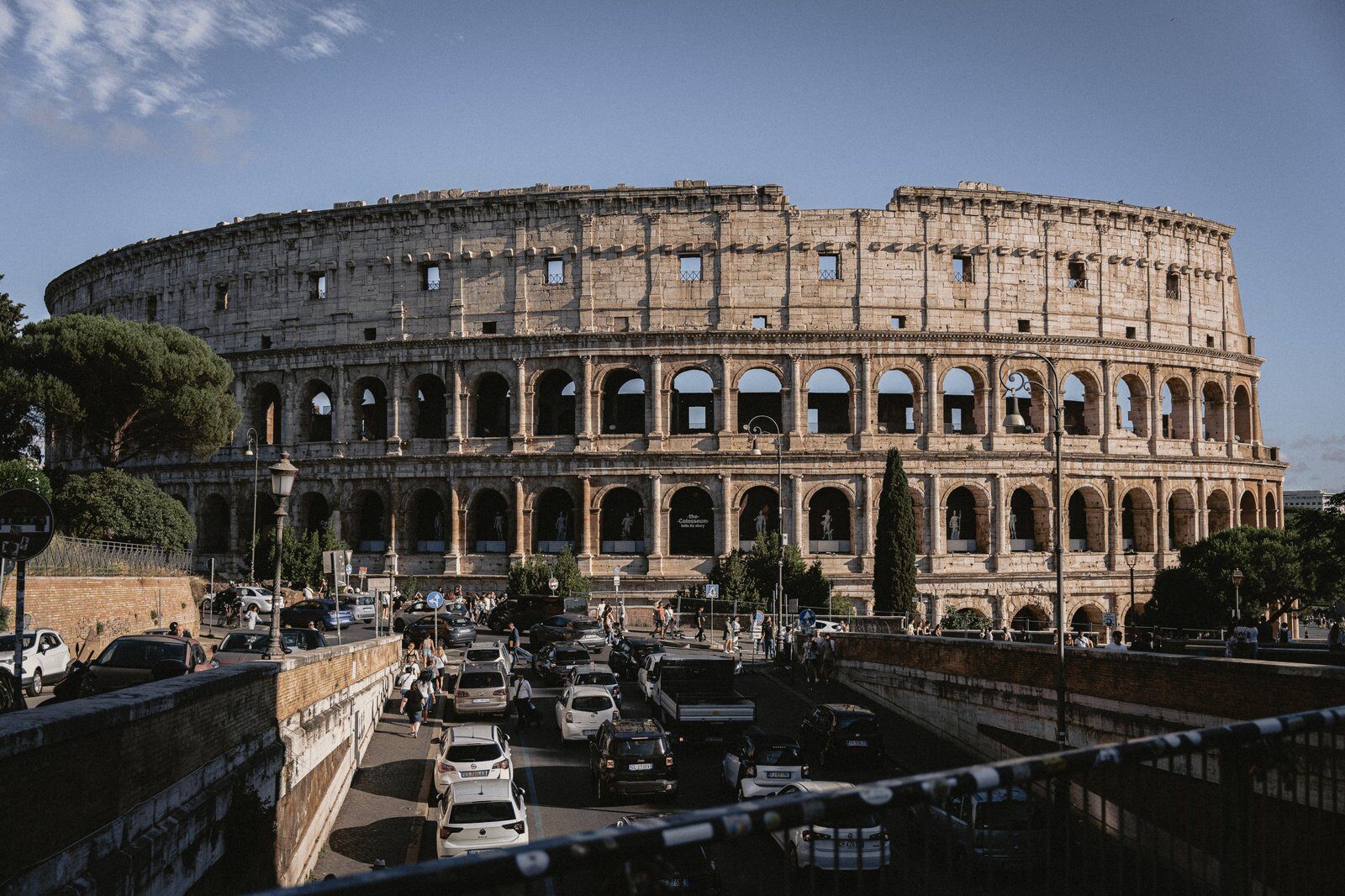
This is the non-negotiable. The Colosseum is one of the most extraordinary structures ever built, and standing inside it — imagining 50,000 Romans roaring around you — is a legitimately moving experience.
What we wish we knew: Book in advance. Full stop. Walk-up tickets are technically available, but lines can run 2–3 hours in peak season and the timed entry slots sell out. Book your skip-the-line Colosseum tickets through Viator at least 48–72 hours ahead in spring and fall, and a week ahead in summer.
Your ticket includes the Roman Forum and Palatine Hill, which are often overlooked but shouldn’t be. Budget 3–4 hours total for all three sites.
Consider a guided tour for the Colosseum — the context you get from a good guide transforms the experience from “big old stadium” to genuinely riveting history. Many Viator options include skip-the-line access plus an expert guide for under $50/person.
The Vatican: St. Peter’s & the Museums
Two separate things that many first-timers conflate. St. Peter’s Basilica is free — you just queue to enter (arrive early to avoid waits). The Vatican Museums and Sistine Chapel require a ticket, and those tickets are what you need to book in advance.
What we wish we knew: The Vatican Museums are huge. Genuinely massive. If you try to do the whole thing on your own, you’ll spend half your time lost and the other half staring at the map. A guided Vatican tour via Viator includes skip-the-line access, routes you through the galleries efficiently, and delivers you to the Sistine Chapel without the anxious wandering.
Also: the Sistine Chapel crowd is real. It’s a small room stuffed with hundreds of people all staring at the ceiling. Go in knowing this and it won’t disappoint — the ceiling is extraordinary regardless — but temper expectations.
The Pantheon
Free for centuries, now €5 to enter — and absolutely worth it. This building has been in continuous use since 125 AD and the dome is still an architectural marvel. The oculus (the open hole in the ceiling) lets in light and, occasionally, rain. Stand under it on a clear day.
Visit early morning or just before closing to avoid the worst crowds. The square outside (Piazza della Rotonda) has some of Rome’s most overpriced cafes — walk one block in any direction for better prices and the same coffee.
Trevi Fountain
Go at dawn. We mean it. The Trevi Fountain is stunning — and at 7am, you can photograph it without the wall of selfie sticks. By 10am it’s a scrum. Throw your coin at sunrise and move on.
Piazza Navona & Campo de’ Fiori
Two of Rome’s great piazzas, both in the Centro Storico and worth a slow stroll. Piazza Navona has Bernini’s Fountain of the Four Rivers at its center. Campo de’ Fiori hosts a morning market Monday through Saturday — some of the best people-watching in the city, and good produce if you want to pick up snacks.
Where to Eat in Rome
Roman cuisine is one of the great regional food traditions in the world, and the city takes it seriously. A few guidelines for eating well:
Pasta: The Roman canon is cacio e pepe (pecorino, pepper, pasta — nothing else), carbonara (no cream, ever), amatriciana, and gricia. Find a traditional trattoria and order one of these. Don’t overthink it.
Pizza al taglio: Pizza by the slice, sold by weight from glass-fronted shops. This is Roman fast food done right. Our favorite spots are usually a few blocks off the tourist circuit — follow the line of locals, not the laminated menu outside.
Gelato: Look for “artigianale” on the sign (housemade) and metal containers rather than fluorescent towers of the stuff. The mounds of brightly colored gelato piled high are almost always artificial-flavored industrial product. Real gelato is stored in covered metal tubs and served with a small spatula.
Avoid tourist trap restaurants: Any place with photos in the menu and someone outside trying to hand you a flyer — walk past. Eat where the menus are in Italian first (or only), and where the daily specials are handwritten on a chalkboard.
Getting Around Rome
The historic center is very walkable — most of the major sights are within a 30–40 minute walk of each other. That said:
Metro: Rome’s metro has only two useful lines (A and B), but Line A hits Termini, the Spanish Steps, and the Vatican. Buy a 48-hour or 72-hour pass if you’re using it often.
Trams & buses: More extensive than the metro, but navigating bus routes as a first-timer is genuinely confusing. Stick to the metro and your feet for most sightseeing.
Taxis: Use official white taxis only — they’re metered and licensed. Ride-shares are limited in Rome; apps like FREE NOW and itTaxi are the local equivalents.
Wear comfortable shoes. Rome’s cobblestones are beautiful and brutal. We learned this the hard way on day one.
Practical Tips for First-Timers
Cover up for churches: You need covered shoulders and knees to enter most churches, including St. Peter’s. Carry a scarf in your bag — it solves the problem instantly.
The Vatican dress code is enforced: Guards will turn you away at the entrance. We’ve seen it happen to dozens of tourists. Pack accordingly.
Tap water is safe and free: Rome’s nasoni (small iron drinking fountains on street corners) flow constantly with clean, cold water. Fill your bottle everywhere — you’ll save money and stay hydrated.
Pickpocketing is real: The major tourist sites — Colosseum, Vatican, Trevi Fountain, metro Line A — attract pickpockets. Use a crossbody bag, keep phones in front pockets, and stay aware in tight crowds.
Validate your transit tickets: You must stamp your ticket when entering a bus or tram (there are yellow machines inside the door). Inspectors fine tourists on the spot — we’ve watched it happen.
If you’re also considering other European cities, our guides to Iceland on a budget and Lisbon, Portugal pair beautifully with a Rome trip for a multi-country itinerary.
Sample 3-Day Rome Itinerary
Day 1 — Ancient Rome: Colosseum (pre-booked, skip-the-line) → Roman Forum → Palatine Hill → gelato break → Circus Maximus → Trastevere for dinner
Day 2 — Vatican & Centro Storico: Vatican Museums + Sistine Chapel (guided tour) → St. Peter’s Basilica → Castel Sant’Angelo → Campo de’ Fiori market area → Piazza Navona for evening stroll
Day 3 — Rome’s Gems: Pantheon (early, before crowds) → Trevi Fountain → Spanish Steps → Villa Borghese gardens → aperitivo hour in Prati neighborhood
Where to Book Your Rome Trip
Skip-the-line tours and tickets sell out fast in Rome — especially for the Colosseum and Vatican. Don’t wait until the day before.
- Viator — Best for guided Colosseum and Vatican tours with skip-the-line access. Browse tours by duration and group size.
- Booking.com — Great for comparing hotels by neighborhood. Use the map view to lock in location near the historic center or Trastevere.
- World Nomads — We always travel with travel insurance for international trips. Covers medical emergencies, trip cancellation, and lost luggage.
Final Thoughts: Is Rome Worth It?
Absolutely — but it rewards preparation. Book your Colosseum and Vatican tickets before you land. Choose your neighborhood carefully. Walk everywhere you can. Eat where the locals eat. And accept early that you won’t see everything, because that’s impossible, and it’s actually part of what makes Rome so compelling.
We’ve been back twice since that first whirlwind trip, and we’re already planning a return. Rome is the kind of city that gets under your skin. You’ll see what we mean.