Disclosure: This post contains affiliate links. If you book through our links, we may earn a small commission at no extra cost to you. Thanks for supporting Faceted Travel!
Table of Contents
- Why Visit Croatia
- How Long Do You Need in Croatia
- Best Time to Visit Croatia
- How to Get to Croatia
- How to Get Around Croatia
- Sample Croatia Itineraries
- Where to Stay in Croatia
- What to Eat and Drink in Croatia
- Croatia Travel Budgeting
- Tours and Experiences Worth Booking
- Practical Croatia Travel Tips
- Where to Book Everything
- Final Thoughts on Planning a Croatia Trip
In This Guide
- Why Visit Croatia
- How Long Do You Need in Croatia
- Best Time to Visit Croatia
- How to Get to Croatia
- How to Get Around Croatia
- Sample Croatia Itineraries
- Where to Stay in Croatia
- What to Eat and Drink in Croatia
- Croatia Travel Budgeting
- Tours and Experiences Worth Booking
- Practical Croatia Travel Tips
- Where to Book Everything
- Final Thoughts on Planning a Croatia Trip
Croatia was one of those destinations we kept putting off, telling ourselves we’d do it “next time” and choosing places we’d already researched instead. When we finally went, we couldn’t believe what we’d been waiting for. A country the size of West Virginia, with over a thousand islands, Roman ruins, medieval walled cities, and some of the clearest water in the Mediterranean. Planning Croatia turned out to be one of the best travel decisions we’ve made.
If you’re trying to figure out how Croatia fits into your travel plans, how long you need, which cities to visit, and what to budget, this guide covers all of it.
Why Visit Croatia
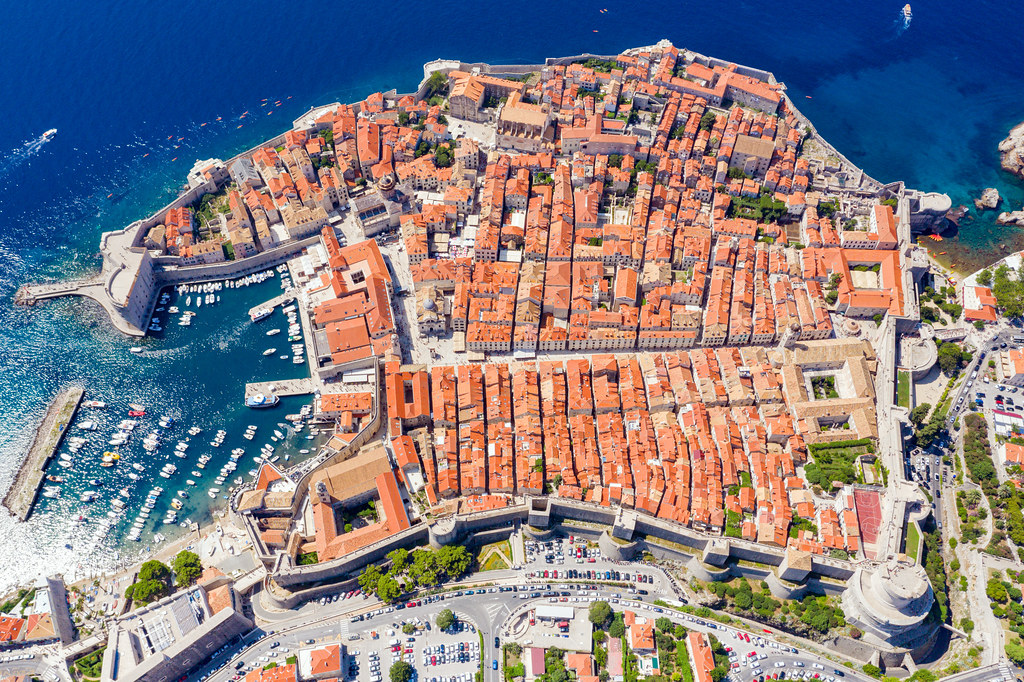
Croatia occupies a long strip of coastline along the eastern Adriatic, with the Dalmatian Coast running from Split in the north down to Dubrovnik in the south. The country’s appeal is stacked. You get Roman architecture still standing in the middle of a modern city. You get walled medieval cities that have been on UNESCO lists since the 1970s. You get islands with water so clear you can count the fish from above. You get food that’s part Italian, part Balkan, and entirely Dalmatian: fresh seafood, local olive oil, excellent wine, and simple grilled meat that makes you wonder why every country doesn’t cook this way.
Croatia opened itself to tourism after the Yugoslav wars of the 1990s, and for about twenty years it was one of Europe’s best-kept secrets. The Game of Thrones effect put it firmly on the mainstream map, and now it’s firmly established as one of the Mediterranean’s top destinations. It’s no longer a secret, but it’s still worth every bit of the hype.
How Long Do You Need in Croatia
A minimum of 7-10 days gives you time to do Croatia properly. Here’s how to think about it:
5-7 days is enough for a focused visit: Split plus two or three islands, or Dubrovnik plus Split with an island day trip or two.
10-14 days lets you cover the whole Dalmatian Coast meaningfully, spending time in Split, working your way through the islands (Hvar, Brac, Vis, or Korcula), and finishing in Dubrovnik. You can also add Plitvice Lakes National Park if you fly into Zagreb.
2-3 weeks allows you to add northern Dalmatia (Zadar, Sibenik, Krka National Park) or even Istria in the north, which has a completely different character with Italian-influenced food and hilltop medieval towns.
We spent 12 days and covered Split, Hvar, Vis, Korcula, and Dubrovnik, with day trips from each base. It felt like the right amount of time to go deep rather than rush.
Best Time to Visit Croatia
June and September are the best months to visit Croatia. Weather is warm, the Adriatic is swimmable, and crowds are manageable. Prices are also lower than peak summer, especially in June.
July and August are peak season. The coast is absolutely packed, ferries and buses need advance booking, and prices rise significantly. The experience can feel overwhelming in Dubrovnik and Hvar Town at the height of summer. That said, the weather is perfect, the sea is irresistible, and there’s an energy to the Croatian coast in August that’s hard to replicate.
April, May, and October offer good weather (May and October) or unpredictable weather with great deals (April). Some island services run reduced schedules in April, but the mainland cities are fully open and far less crowded.
November through March is the off-season. Many hotels, restaurants, and ferry services on the islands close or operate minimally. It’s a good time to visit if you want authentic, quiet Dalmatia, but understand you’ll have limited options.
How to Get to Croatia
By air: Zagreb is Croatia’s main international hub for connections from North America. Split Airport and Dubrovnik Airport handle direct flights from most European cities, especially in summer. British Airways, Lufthansa, Swiss, and various low-cost carriers (EasyJet, Ryanair, Vueling) all serve Croatian airports.
From North America, the most common routing is through a European hub such as London, Frankfurt, Amsterdam, or Paris, then a direct flight to Split or Dubrovnik. One-stop itineraries can run anywhere from 12 to 18 hours total depending on connection timing.
By ferry from Italy: Jadrolinija and SNAV operate overnight ferries between Ancona, Italy and Split, and between Bari and Dubrovnik. These are popular options if you’re driving through Italy or want to avoid an extra flight. The overnight boat from Ancona takes about 10-11 hours.
How to Get Around Croatia
The single most important transport decision in Croatia is how you move between places. You have three main options.
Ferries are the best way to move between the coast and islands. Jadrolinija is the main state-run ferry operator, connecting Split with Brac, Hvar, Vis, Korcula, and other islands. High-speed catamarans are faster but don’t carry cars. Standard ferries carry both passengers and vehicles. In peak season, book ferry tickets in advance, especially if you’re bringing a car.
Buses connect all the mainland cities efficiently and comfortably. The bus between Split and Dubrovnik takes about 4-5 hours and costs around 25-35 EUR. Flixbus and Arriva both operate the route. Note that the route crosses through Bosnia and Herzegovina for about 30 minutes (the Neum corridor), so bring your passport.
Rental car is the best option if you want to explore national parks, inland villages, and the stretch of coast between the cities at your own pace. Roads are well-maintained and signage is clear. Car rentals are available at all airports and in Split and Dubrovnik. If you plan to take a car on the ferry to the islands, book car ferry tickets early.
Important: rental car insurance typically does not automatically cover Bosnia and Herzegovina (you need a green card extension). If your route includes Dubrovnik and you’re driving the coast from Split, you’ll cross through Bosnia. Check with your rental company before you go.
Sample Croatia Itineraries
7 Days: The Dalmatian Highlights
- Days 1-2: Split. Diocletian’s Palace, the Riva, Marjan Hill.
- Days 3-4: Hvar. Take the fast catamaran. Hvar Town, sea caves, Pakleni Islands.
- Days 5-7: Dubrovnik. Old Town walls, Fort Lovrijenac, day trip to Lokrum.
10 Days: Islands and Walled Cities
- Days 1-3: Split. Two full days in the city, one day trip to Brac (Zlatni Rat beach).
- Days 4-5: Hvar. Hvar Town and lavender fields.
- Days 6-7: Korcula. Medieval walled town, said to be Marco Polo’s birthplace.
- Days 8-10: Dubrovnik. City walls, cable car, day trip to Montenegro or Mostar.
14 Days: Full Dalmatian Coast
- Days 1-2: Fly into Zagreb, visit the city.
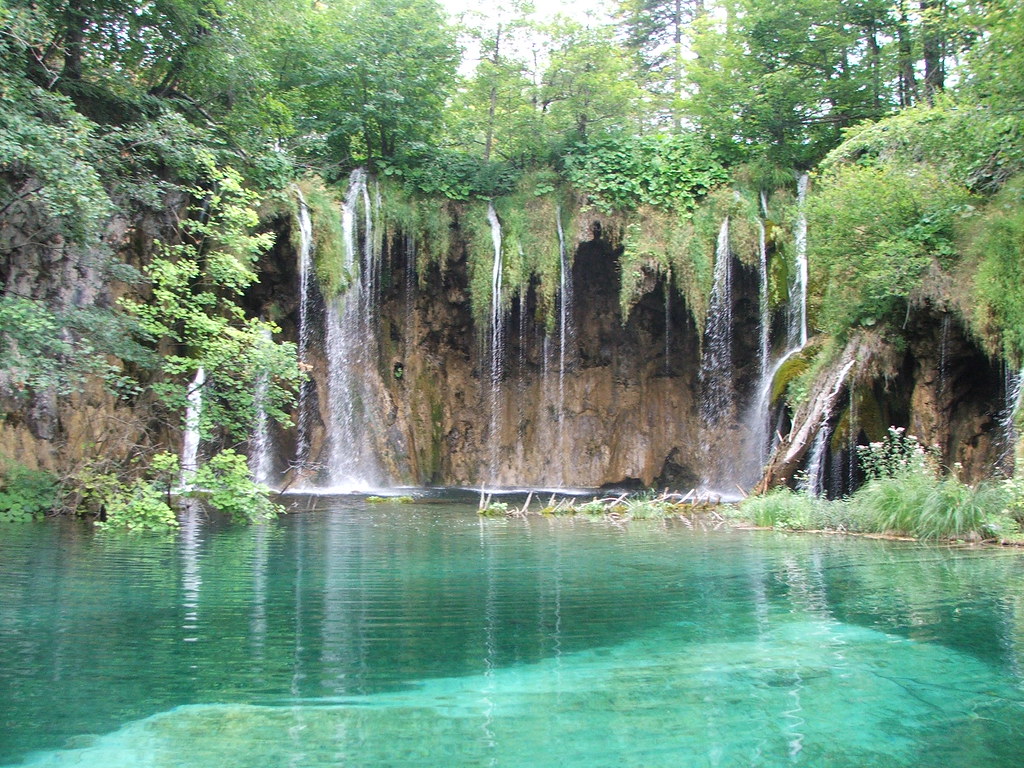
- Day 3: Plitvice Lakes National Park (day trip from Zagreb or on the way south).
- Days 4-5: Zadar. See the Sea Organ and the Sun Salutation art installation.
- Days 6-7: Split.
- Days 8-9: Vis. The most remote and authentic of the central islands.
- Days 10-11: Hvar.
- Days 12-14: Dubrovnik.
Where to Stay in Croatia
Split: Old Town for atmosphere, Lapad for beaches, Bacvice for a neighborhood feel. Search Booking.com for Split.
Dubrovnik: Old Town for the experience, Lapad for quieter, more affordable options. Search Booking.com for Dubrovnik.
Hvar: Hvar Town for nightlife and restaurants, Stari Grad for quiet charm, private apartments on the south side for beaches.
Plitvice Lakes: Stay in nearby Rastovaca or Mukinje villages for convenient access to the park.
For island accommodation, private apartments (sobe) are often the best value and most authentic option. Airbnb and Booking.com both have strong inventories.
What to Eat and Drink in Croatia
Croatian food on the Dalmatian Coast is built around the sea and the land, simply prepared and delicious.
Peka is the signature dish of the coast: lamb, veal, or octopus slow-cooked under an iron bell covered with embers. It takes hours and is worth every minute. Many restaurants offer it but require advance notice.
Grilled fish is everywhere: sea bream, sea bass, mackerel, and whatever came in that day. Order it grilled simply with olive oil, garlic, and lemon.
Black risotto (crni rizot) is made with cuttlefish ink, tender squid, and Dalmatian olive oil. It looks alarming and tastes extraordinary.
Buzara is a method of cooking mussels, shrimp, or clams in white wine, garlic, olive oil, and breadcrumbs. It’s one of the best things you can eat in Croatia.
Pasticada is a slow-braised beef dish in a sweet wine and prune sauce, typically served with homemade gnocchi. It’s the Sunday roast of Dalmatia and wonderful in colder months.
For wine, seek out Plavac Mali (a bold red from the southern coast), Posip (a clean white from Korcula), and Malvazija (an aromatic white from Istria if you venture north).
For spirits, Rakija is the local firewater, made from grapes, plums, or herbs. It’s offered as a welcome drink at many guesthouses and is an integral part of Croatian hospitality.
Croatia Travel Budgeting
Croatia is not as cheap as it was a decade ago, but it’s still more affordable than Western European destinations at a similar quality level.
Budget travelers spending on private rooms in guesthouses, eating peka at local konobas, and using public ferries can expect around 80-120 EUR per day for two people.
Mid-range travelers in comfortable hotels, eating at nicer restaurants, and doing a few organized tours should budget 150-250 EUR per day for two.
Luxury travelers in boutique hotels, eating at top restaurants, and chartering private boats can spend 400+ EUR per day without trying.
The biggest costs in Croatia are accommodation (especially in Hvar and Dubrovnik in peak season), ferry crossings, and organized tours. Eating and drinking locally is relatively affordable.
Tours and Experiences Worth Booking
Dubrovnik Game of Thrones walking tour is the best way to connect the filming locations with the show’s storyline if you’re a fan. The guides know every scene.
Plitvice Lakes guided boat tour adds context to the extraordinary lakes system that most visitors see only from the boardwalks.
Hvar sea cave kayaking takes you into crystal-clear sea caves and coves only accessible by water.
Split to Blue Cave day trip goes to the Blue Cave on Bisevo island, a natural phenomenon where the light turns the cave entirely blue. Book through Viator’s Split page.
Wine tours from Dubrovnik into the Peljesac Peninsula’s vineyards are underrated. Peljesac produces some of Croatia’s best Plavac Mali, and the coastal scenery on the way is stunning.
Practical Croatia Travel Tips
The Euro is now the currency. Croatia joined the Eurozone in January 2023, replacing the Kuna. Credit cards are widely accepted in tourist areas; carry some cash for small vendors and markets.
Bring a water bottle. Tap water is safe to drink throughout Croatia. Most fountains in cities run potable water, which is a relief in the summer heat.
Book ferries early in summer. Peak season ferry routes, especially if you’re taking a car, fill up days and sometimes weeks in advance. Book through Jadrolinija’s website.
Learn a few words of Croatian. Locals appreciate the effort. “Hvala” (thank you), “Molim” (please), and “Dobar dan” (good day) go a long way.
Respect the sea. The Adriatic is beautiful but the rocks are slippery, jellyfish appear in late summer, and some coves have unexpectedly strong currents. Use common sense.
Dubrovnik has a day tripper problem. Up to 10 cruise ships can dock on the same day in peak season, flooding the Old Town with day-trippers in the morning. They leave by early afternoon. Plan your wall walk accordingly.
Where to Book Everything
For accommodation throughout Croatia, Booking.com has the best inventory at all price points.
For ferry tickets, book directly at Jadrolinija’s website or at the ferry terminal. In-person queues can be long in summer.
For tours and experiences, Viator has great options across the country: island trips, guided tours, wine experiences, and national park excursions.
Final Thoughts on Planning a Croatia Trip
Croatia rewards careful planning more than most destinations. The country isn’t large, but the logistics of moving between islands, securing accommodations in popular spots, and booking ferries all require more advance thought than a simple city trip.
Get those logistics right, arrive outside of peak-July madness if you can, and Croatia will reward you generously. The food is outstanding, the water is extraordinary, the history is layered and fascinating, and the pace of life on the coast is exactly what most of us need after a year of ordinary life.
We’ve talked about going back since the day we left. It’s that kind of place.
Ready to dive deeper? Our Dubrovnik, Croatia Travel Guide covers everything about the walled city, and our Split, Croatia Travel Guide goes deep on the Roman palace city. Also check our Greece Travel Guides for another spectacular Adriatic destination to pair with Croatia.