Disclosure: This post contains affiliate links. If you book through our links, we may earn a small commission at no extra cost to you. Thanks for supporting Faceted Travel!
Table of Contents
- The Short Answer
- Crime and Petty Theft
- Is It Safe for Solo and Female Travelers?
- Driving and Road Safety
- Common Tourist Scams to Watch For
- Natural Hazards and the Outdoors
- Health and Water
- Political Climate and Protests
- Safety Compared With Neighbors
- Staying Connected and Getting Help
- Border Crossings and Documents
- Visiting Mosques, Churches and Monasteries
- Who Should Be Extra Careful
- Is It Safe to Walk Around at Night?
- Our Real-World Experience
- Practical Safety Checklist
- What Surprised Us Most
- Where to Book
- Final Thoughts
When we told friends we were heading to North Macedonia, the first question was always the same: is it safe? It is a fair question for a country most Americans cannot find on a map. Our honest answer, after walking its bazaars, driving its mountain roads and swimming in its lakes, is that it felt welcoming and relaxed. Here is what you should actually know before you go.
A quick note: we are travel bloggers, not security experts. Conditions change, so check your government’s current travel advisory before you book and again before you fly.
The Short Answer
For most visitors, North Macedonia is a low-risk destination. Violent crime against tourists is uncommon, the cities are walkable at night and people are famously hospitable. The risks you are most likely to meet are the ordinary ones: petty theft in crowded places, aggressive driving, tourist-trap pricing and the occasional scam. If you use the same common sense you would in any European city, you should be fine.
If you are building a trip, our guide to how to plan a trip to North Macedonia covers the practical side.
Crime and Petty Theft
Pickpocketing exists, mostly in busy spots like Skopje’s Old Bazaar, the main square and crowded bus stations. Nothing here is unusual for Europe, and a few habits cover you:
- Carry only what you need and keep a card and some cash in a front pocket or zip bag.
- Keep your phone out of back pockets in crowds.
- Leave your passport in the hotel safe and carry a photo of it instead, unless you are crossing a border.
- Do not leave valuables visible in a parked car, especially at trailheads and viewpoints.
We never felt targeted, and we walked back to our hotels after dinner in both Skopje and Ohrid without a worry. Our Skopje travel guide points out which neighborhoods feel liveliest in the evening.
Is It Safe for Solo and Female Travelers?
Many solo travelers, including women, report feeling comfortable in North Macedonia. The culture is traditional in some small towns, so you may get curious looks, and you may be asked many friendly questions about where you are from. Dress is relaxed in cities and lake resorts; in villages and when visiting churches or mosques, covering shoulders and knees is polite.
The usual solo safety habits apply: share your plans with someone at home, avoid walking alone on dark, empty streets late at night, and choose accommodations with strong recent reviews. Staying in a well-reviewed guesthouse in Ohrid or Bitola also means you get a host who can answer local questions.
Driving and Road Safety
Honestly, the roads are the biggest risk for most visitors. Main highways are generally decent, but rural and mountain roads can be narrow, winding and poorly lit. Local drivers can be assertive, passing is common and signage sometimes leaves something to be desired.
A few rules we followed:
- Avoid driving at night in the mountains.
- Keep a healthy buffer on winding roads and do not rush.
- Obey speed limits; police checkpoints and speed traps do exist.
- Make sure your rental includes solid insurance and check the car for scratches before you leave the lot.
Our North Macedonia road trip itinerary includes driving times and realistic daily distances so you are not tempted to overdo it.
Common Tourist Scams to Watch For
Scams here are mild compared with many tourist hot spots, but a few are worth knowing:
- Taxi overcharging: Insist on the meter or agree on a price before getting in. Ride-hailing apps, where available, remove the guesswork.
- Unmarked exchange offers: Use bank ATMs and official exchange counters rather than street offers.
- Menu surprises: Ask for a menu with prices, and check the bill, especially in the busiest tourist areas around Ohrid’s lakefront.
- Fake “free” help: If someone is overly eager to carry bags or guide you, politely decline.
A confident “no, thank you” almost always ends the conversation.
Natural Hazards and the Outdoors
North Macedonia is gorgeous for hiking, but the outdoors deserves respect. Mountain weather changes quickly, so carry layers and water. Some trails around Mavrovo and Pelister are not well marked, so download offline maps. In summer, wildfires can occur in dry regions, and the region sits in an earthquake zone, though most visitors never notice. Lake Ohrid is calm and clear, but check conditions before kayaking or swimming far from shore.
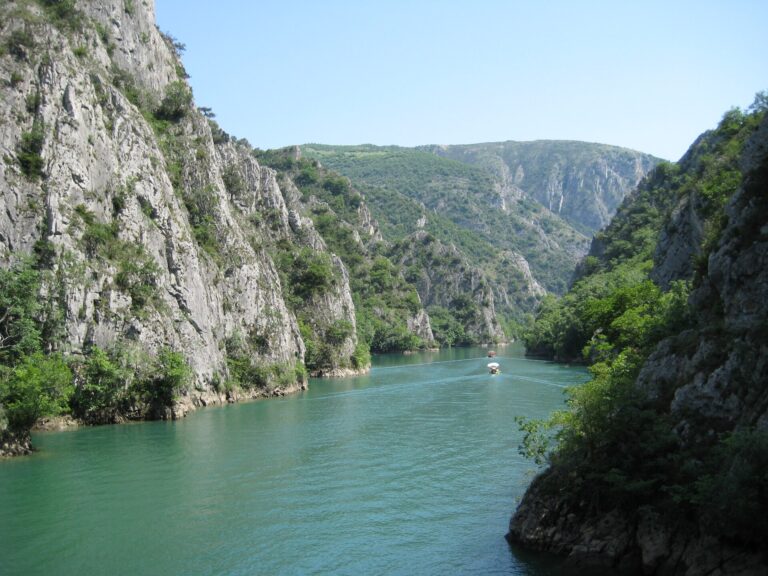
If you plan to explore Matka Canyon by boat or kayak, listen to the staff about safety and rental rules. Our Matka Canyon guide explains what to expect.
Health and Water
Healthcare in the cities is decent, but facilities are more limited in rural areas, and medical evacuation can be expensive. This is the main reason we never travel abroad without insurance. Our guides to the best travel insurance and travel insurance for Europe explain what coverage to look for.
Tap water is generally considered safe in many areas, but if you have a sensitive stomach, bottled water is cheap and easy to find. Pack basic medications, sunscreen and any prescriptions in their original packaging.
Political Climate and Protests
Political demonstrations occasionally happen in Skopje, usually peaceful and concentrated near government buildings. As a rule, avoid protest crowds, follow local news and keep a flexible schedule. Most visitors will see no sign of tension during a typical trip. Check your government’s official advisory before you go for the latest guidance, and register with your embassy’s traveler program if one is available.
Safety Compared With Neighbors
Travelers often ask how North Macedonia stacks up against nearby destinations. In our experience it feels comparable to Albania, Montenegro and the rest of the western Balkans for tourists. If you are curious, read our guides on whether Albania is safe and whether Bosnia is safe to compare notes.
Staying Connected and Getting Help
Local SIM cards and eSIMs are cheap, and coverage is solid in cities and along main roads. Mountain valleys and parts of Mavrovo can drop to no signal, so download maps and your hotel confirmations before you head out. The general emergency number in North Macedonia is 112, which also works from a mobile phone. Save your embassy’s contact details and your insurer’s assistance line in your phone and in a note on paper, since a dead battery is the most common way a small problem becomes a big one.
English is widely spoken by younger people, hotel staff and tour operators, but less so in small villages. A translation app with offline language packs makes pharmacies, bus stations and menus much easier. When you need help, hotel hosts are often the best resource: they can call a taxi, recommend a clinic or phone a rental company on your behalf.
Border Crossings and Documents
Most visitors enter by air without a hitch. If you cross by land into Albania, Greece, Kosovo or Bulgaria, expect passport checks and occasional waits, especially in summer weekends. Always carry your passport, your driver’s license and your rental car papers, and confirm that your rental company allows cross-border travel before you set off. Border queues are tedious more than dangerous, so bring water, snacks and patience.
Visiting Mosques, Churches and Monasteries
North Macedonia has a rich mix of Orthodox and Muslim heritage, and visiting religious sites is a highlight. Dress modestly with covered shoulders and knees, remove your shoes where asked and ask before photographing people at prayer. These small courtesies matter, and they are returned with warmth. Our time at the monasteries around Lake Ohrid and Matka Canyon was some of the most peaceful of the whole trip.
Who Should Be Extra Careful
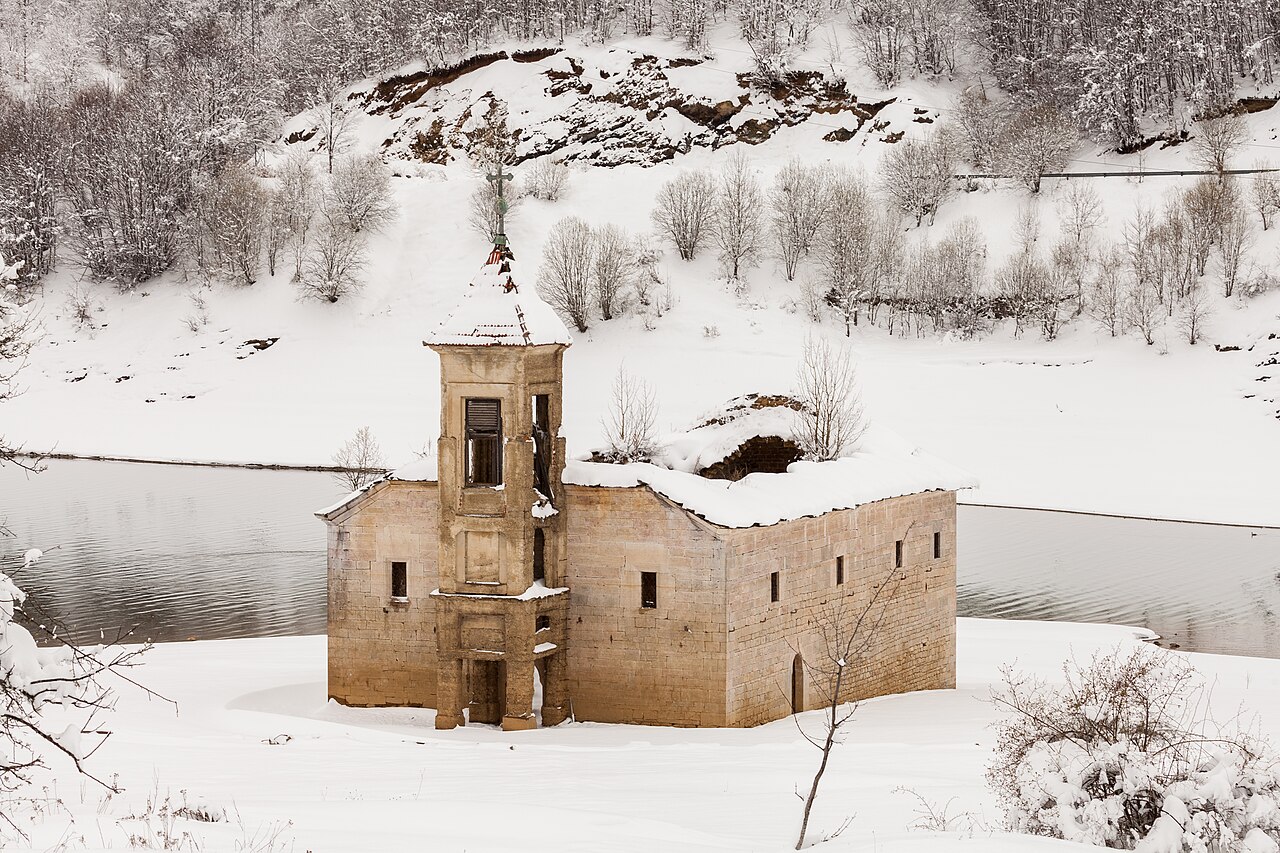
Travelers with mobility limitations will find cobblestones, steep stairs and uneven sidewalks in old towns. Families with small children should be cautious around lake edges and traffic. If you are traveling in winter, remember that mountain roads can be icy and some require snow chains. Whatever your style, build a little flexibility into your schedule so a closed road or a rainy day does not derail your plans.
Is It Safe to Walk Around at Night?
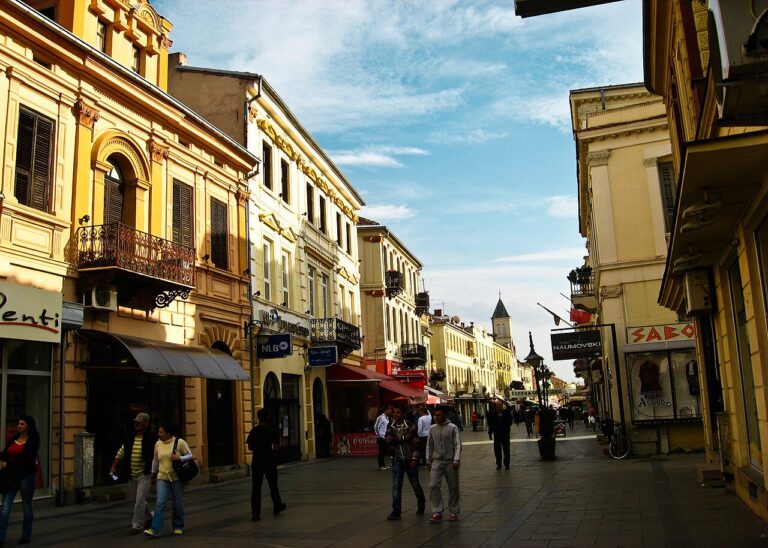
In the places most visitors go, yes. Skopje’s center, Ohrid’s old town and Bitola’s pedestrian street stay lively well into the evening, with families, students and couples out for a stroll. We felt more comfortable on busy, well-lit streets than on quiet back alleys, which is true everywhere. Stick to central areas after dark, use a licensed taxi or a ride-hailing app for longer trips and keep an eye on your drink in crowded bars. Stray dogs are common in some towns; they are usually mellow, but give them space and do not feed or startle them.
Our Real-World Experience
Across the whole trip, our biggest problems were a wrong turn on a mountain road and a parking ticket we should have seen coming. That is the kind of trouble most travelers meet. We kept a copy of our hotel addresses in the local language, saved offline maps and checked in with family each evening. None of that felt like heavy preparation, and all of it gave us confidence to relax. If you prepare a little, you can spend your energy on the fun parts: the food, the lake and the long conversations with new friends.
Practical Safety Checklist
Before you leave home, run through this quick list:
- Check your government’s travel advisory and note emergency numbers.
- Buy travel insurance that covers medical care and trip interruption.
- Save digital copies of your passport, insurance and bookings.
- Tell your bank you are traveling and bring a backup card.
- Download offline maps and a translation app.
- Learn a few phrases; “blagodaram” (thank you) goes a long way.
What Surprised Us Most
We expected unfamiliarity and found hospitality. Strangers helped us with directions, a restaurant owner in Bitola walked us to the right bus stop and a guesthouse host in Ohrid insisted we taste her homemade jam before we left. The country is not perfect and it is not polished, but it is warm, and that matters more for feeling safe than any statistic.
Where to Book
Choose well-reviewed stays and trusted tours to make your trip smoother:
- Hotels and guesthouses: Compare reviews, locations and free-cancellation options on Booking.com.
- Guided tours and transfers: Browse guided day trips and airport transfers on Viator.
Final Thoughts
So, is North Macedonia safe? In our experience, yes, with the same awareness you would bring to any trip. Use common sense, drive carefully, carry insurance and stay open to the kindness of strangers, and you will likely be rewarded with one of the most memorable and affordable trips in Europe.
Keep planning with our Ohrid travel guide, our How Much Does a Trip to North Macedonia Cost post and our Bitola travel guide.