Disclosure: This post contains affiliate links. If you book through our links, we may earn a small commission at no extra cost to you. Thanks for supporting Faceted Travel!
In This Guide
- What Makes Plitvice Lakes Special
- Plitvice Lakes: Upper vs Lower Lakes
- The Best Viewpoints in Plitvice
- Getting to Plitvice Lakes
- Where to Stay Near Plitvice Lakes
- Best Time to Visit Plitvice Lakes
- Practical Tips for Visiting Plitvice Lakes
- Where to Book
- How Plitvice Fits Into a Croatia Itinerary
- Final Thoughts on Plitvice Lakes
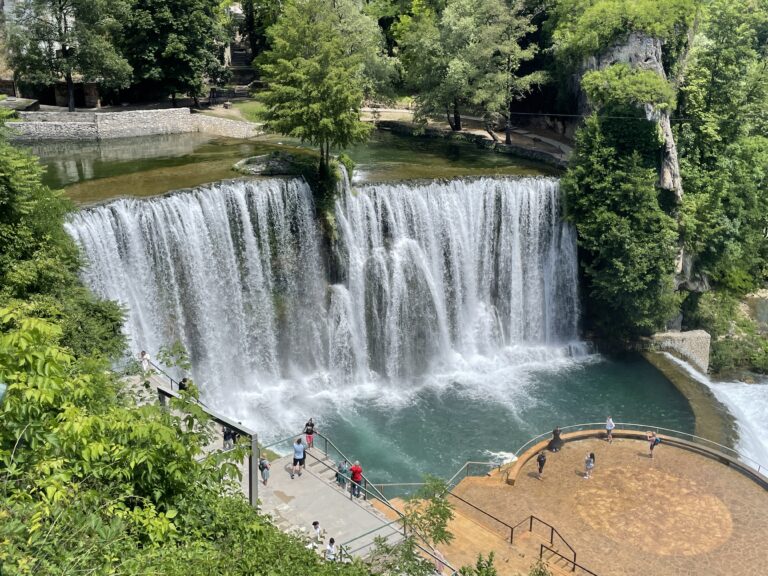
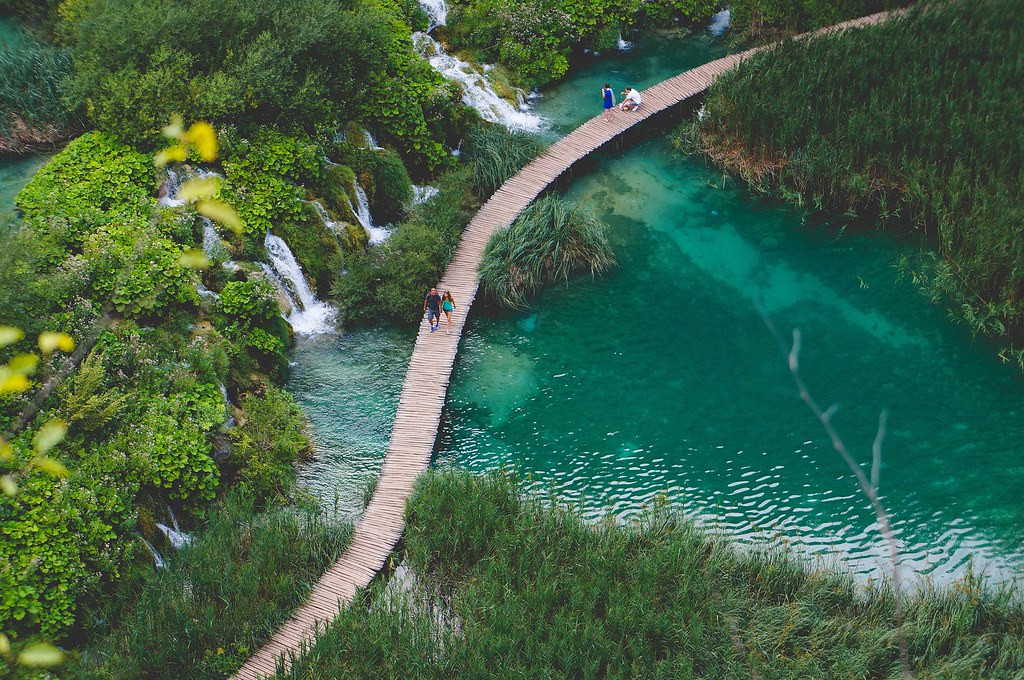
We had seen the photos hundreds of times. Turquoise water so impossibly clear it looks filtered. Wooden boardwalks threading through a chain of sixteen terraced lakes. Waterfalls cascading between limestone ledges into water the color of malachite. We told ourselves the photos had to be exaggerated. They were not. Plitvice Lakes National Park is one of those rare places where reality outpaces the expectation, and that is saying something given how high we had set the bar.
If you are planning a trip to Croatia and wondering whether Plitvice is worth the detour from the coast, the answer is an unambiguous yes. Here is everything we learned from our visit.
What Makes Plitvice Lakes Special
Plitvice Lakes National Park is a UNESCO World Heritage Site and Croatia’s oldest and largest national park, covering about 300 square kilometers of forested limestone karst. The centerpiece is a chain of sixteen terraced lakes connected by waterfalls, all formed by the natural deposition of travertine limestone over thousands of years. The travertine barriers that create the lake steps are still growing and shifting today, making the landscape technically alive and constantly evolving.
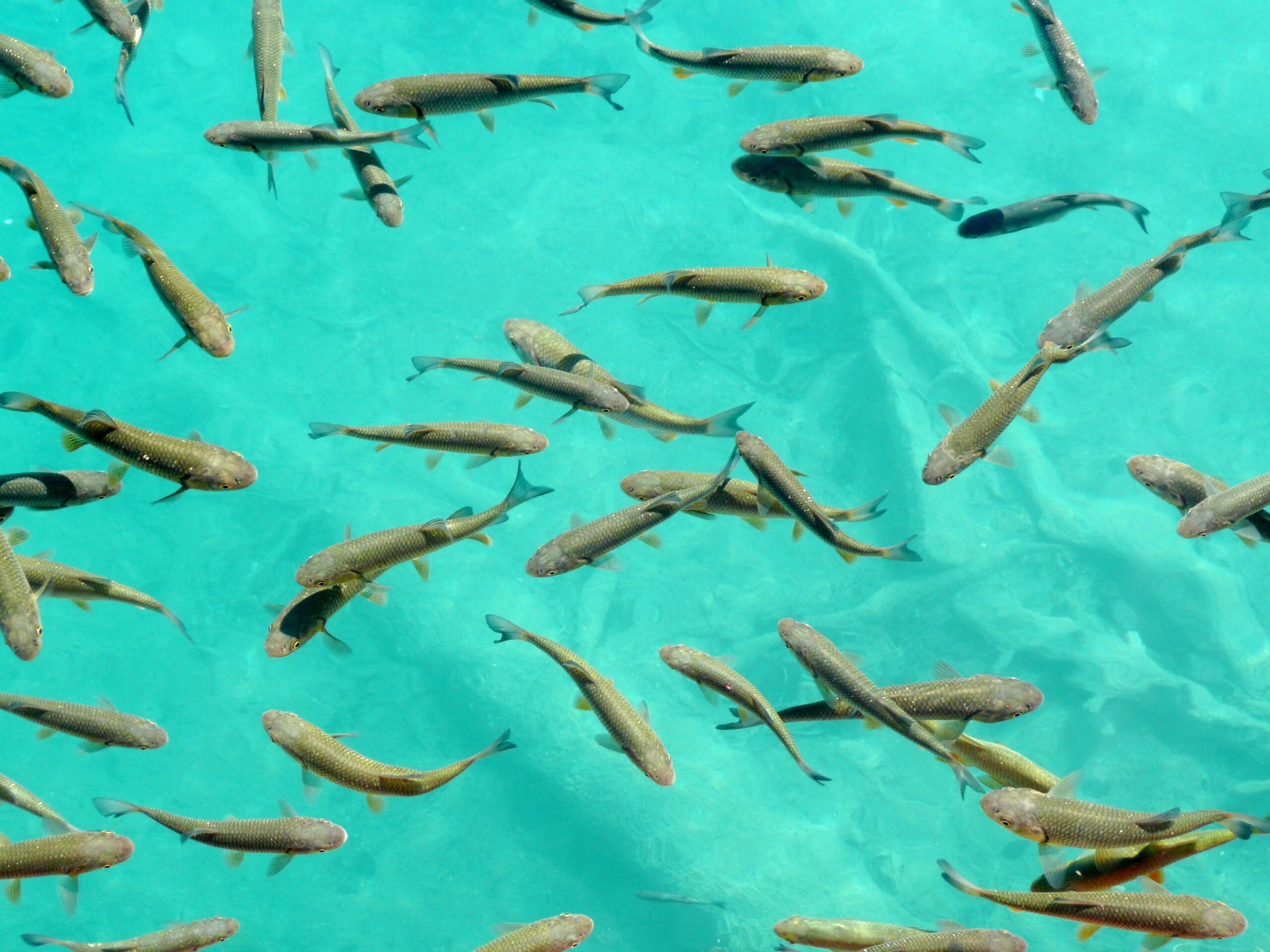
The water gets its extraordinary turquoise color from minerals, algae, and microorganisms in the limestone. The color shifts depending on the light and season, from pale mint green in winter to an intense, electric turquoise-blue in summer. Standing on the boardwalks and looking down into water so clear you can see fish darting 5 meters below is one of those travel experiences that stays with you.
The park has no permanent human settlement inside it and strict rules about swimming, fishing, and even touching the water. This preservation ethic is a big part of why the lakes look the way they do.
Plitvice Lakes: Upper vs Lower Lakes
The park is divided into two main areas connected by boat and shuttle bus.
The Upper Lakes (Gornja jezera) are higher in elevation, wider, and more forested. The trail through the upper lakes is longer and sees somewhat fewer visitors than the lower area. The lakes here are shallower, and the vegetation around the shores is lush and varied. The Great Waterfall (Veliki Slap), Croatia’s tallest waterfall at 78 meters, is technically at the junction of the upper and lower sections.
The Lower Lakes (Donja jezera) are the most photographed part of the park. The dramatic multi-level waterfalls, the clearest and most intensely colored water, and the iconic boardwalk sequences are all in the lower section. This area gets the most foot traffic, especially around the main viewpoints.
Most visitors do a combination route that covers both sections in one day, using the park’s free electric boat across Lake Kozjak to connect them. Plan for 4 to 6 hours total walking time for a thorough visit.
The Best Viewpoints in Plitvice
Knowing which viewpoints to prioritize helps you spend your time at the most rewarding spots, especially if crowds are building.
Veliki Slap (The Great Waterfall) is Croatia’s tallest waterfall and the park’s most dramatic single feature. The viewing platform below the falls puts you close enough to feel the mist and hear the roar. There is also a viewpoint above the falls looking down into the valley, which gives a completely different perspective. Do both if you can.
Milanovac and Gavanovac Lakes in the lower section are among the most intensely colored bodies of water in the park. The boardwalks here run directly alongside the lakes and over the waterfalls connecting them, so you are walking right above the water. Early morning light on these lakes is extraordinary.
Kozjak Lake is the largest lake in the park and the one you cross by boat. The boat ride across is brief but gives you a view of the park from the water level that you cannot get from the boardwalks. Kozjak is calmer and deeper than the lower lakes, with a different character.
The canyon overlook above Sastavci waterfall, where the lower lakes spill into a canyon, gives one of the widest panoramic views in the park. This is the spot that looks most like the classic Plitvice photos, with multiple waterfalls visible at once and the layered terraces dropping away below.
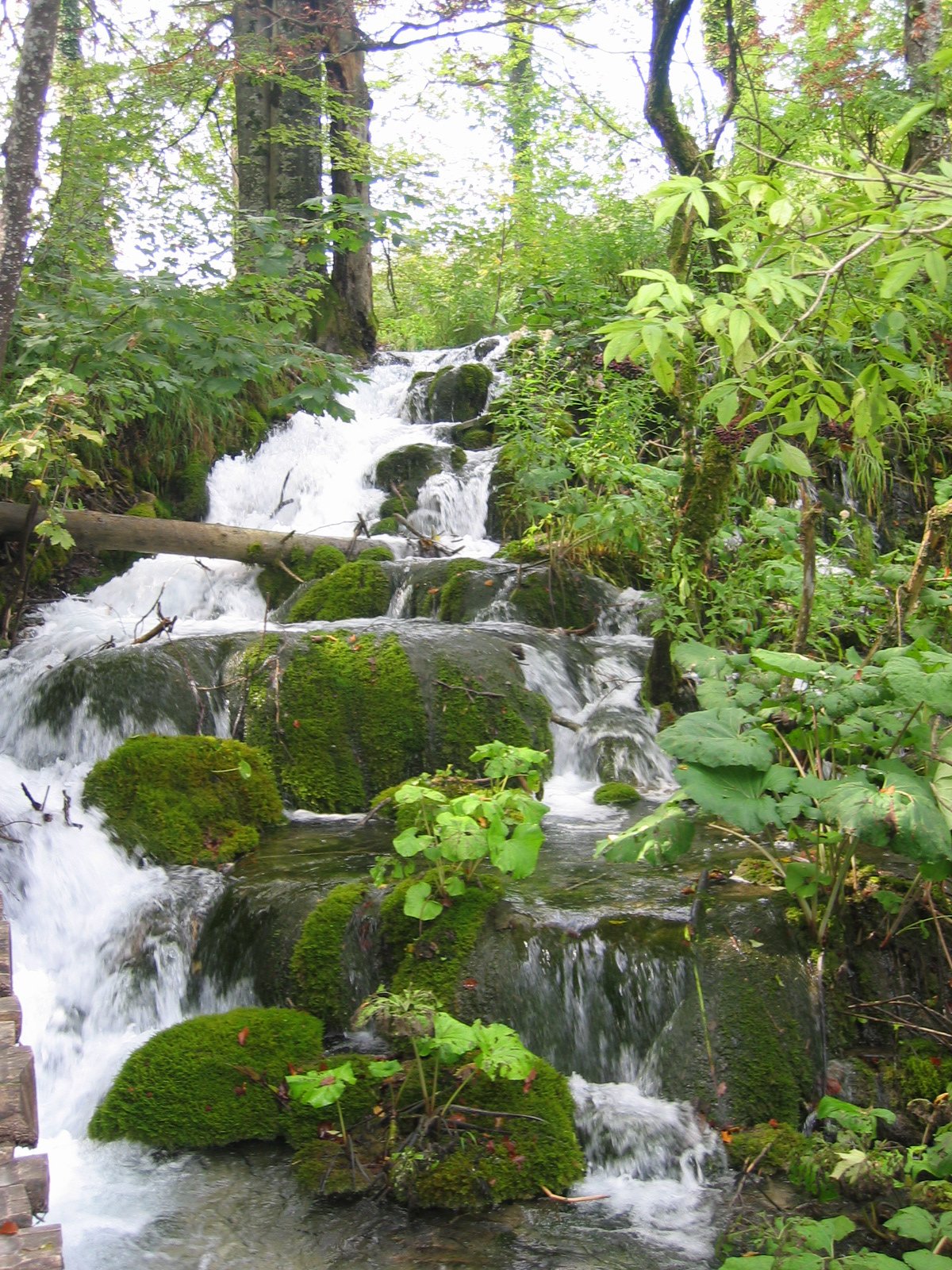
The forest trails above the lakes are underused. Many visitors stick to the boardwalks and miss the elevated forest paths that give broader views over the landscape. If you have extra energy, the trails along the rim above the lower lakes are worth the additional climbing.
Getting to Plitvice Lakes
Plitvice is in central Croatia, roughly halfway between Zagreb and the coast.
From Zagreb: About 2 hours by car via the A1 motorway. This is the easiest option if you are flying into Zagreb and heading to the coast. Make Plitvice a stop en route.
From Split: About 3 hours by car or bus, heading north on the A1 motorway. Buses run from Split’s main bus station, though the schedule requires checking in advance for the most direct routes.
From Dubrovnik: About 5 hours by car or longer by bus. It is a significant detour from the far south coast, but many visitors do it as part of a longer Croatia road trip.
By bus: Flixbus and various local operators run services from Zagreb, Split, and other cities to the village of Plitvicka Jezera, which sits just outside the park entrance. Frequency increases in summer.
By tour: Day trips from Zagreb and Split are widely available and popular. The tour takes the driving and timing stress out of the equation, though you have less flexibility on timing and duration. Check Viator’s Plitvice Lakes tours for organized options.
Where to Stay Near Plitvice Lakes
There is very limited accommodation inside or immediately adjacent to the park. Most visitors stay in the village of Rastovaca, Mucaci, or Plitvicka Jezera, all within a few kilometers of the park entrances.
Inside the park: The park operates a handful of hotels within its boundaries, including Hotel Jezero and Hotel Plitvice. These are the most convenient options and sell out months in advance for summer dates. Book early through the park’s official website or Booking.com.
Private rooms and guesthouses: Many local families in surrounding villages rent rooms. These are often excellent value and provide a more personal experience. Airbnb has good inventory in the area.
Staying overnight allows you to enter the park first thing in the morning before the day-trippers and tour buses arrive, which makes a significant difference to the experience, especially in peak season.
Best Time to Visit Plitvice Lakes
Spring (April through June) is widely considered the best time. The waterfalls are at their most powerful from snowmelt, the foliage is vivid green, and the crowds are smaller than summer. Late April and May hit a sweet spot of good weather, high water, and manageable visitor numbers.
Summer (July and August) brings peak crowds and queues at the main entrances. The water is at its most intensely colored, but the park can feel overwhelming on busy days. Go early, stay late, or consider an overnight stay to catch the quieter morning hours.
Autumn (September through November) offers some of the most beautiful conditions. September still has warm weather and clear skies, while October brings spectacular fall color in the surrounding beech and maple forests. The contrast of crimson leaves against turquoise water is extraordinary.
Winter (December through March) is quiet and atmospheric. The park stays open year-round, and when the waterfalls partially freeze, the landscape becomes otherworldly. Entry is cheaper, crowds are minimal, but some trails and the boat service may be limited.
Practical Tips for Visiting Plitvice Lakes
Buy tickets in advance. In peak season, the park sells out daily allocations. Tickets can be purchased on the official park website (np-plitvicka-jezera.hr). Walk-up tickets are sometimes available but should not be counted on in July and August.
Start early. The park opens at 7am in summer. Being there at opening means an hour or two of relative quiet before the tour buses arrive. The difference between 7:30am and 10am is dramatic.
Wear appropriate footwear. The wooden boardwalks can be slippery, especially near waterfalls. Wear shoes with grip. Flip-flops are a bad idea.
Do not touch the water. The no-swimming rule is strictly enforced and genuinely important for the ecosystem. Fines are issued. The water looks incredibly inviting but stay on the boardwalks.
Bring your own food. The park’s restaurant options are limited and not cheap. Packing a lunch saves money and time.
Plan your route. The park offers several marked trails (Routes A through H) of varying lengths and difficulty. Check the park’s map before you go and decide which sections matter most to you. The lower lakes are a must; add the upper lakes if time allows.
The boat is free with your ticket. The electric boat crossing Lake Kozjak is included in the park ticket and is the main way to connect the upper and lower sections. Queues for the boat can be long in peak hours; factor this into your timing.
Where to Book
For tours from Zagreb or Split to Plitvice Lakes, Viator has several well-reviewed options ranging from day trips to small-group guided tours with a naturalist.
For accommodation near the park, Booking.com’s Plitvice area listings are the most comprehensive, covering park hotels, guesthouses, and private rooms.
How Plitvice Fits Into a Croatia Itinerary
Plitvice works best as a dedicated stop rather than a rushed day trip. The ideal Croatia route for a 10-14 day trip looks something like this:
Fly into Zagreb, explore the city for a day, then drive south and stop at Plitvice for one or two nights. Continue south to Split, spend a few days exploring Diocletian’s Palace and catching a ferry to Hvar or Brac. Then continue to Dubrovnik for the final stretch.
This north-to-south route is efficient, keeps the driving logical, and means you do not have to double back. It also builds nicely as a journey, from inland national park wonder to coastal city history to walled Old Town splendor.
Alternatively, if you are flying directly into Split or Dubrovnik, Plitvice is doable as a long day trip from Split or as an add-on before heading to the coast. The drive from Split is about 3 hours each way, so leaving early and returning in the evening is entirely workable.
Final Thoughts on Plitvice Lakes
Plitvice is one of those places that makes you rethink what you thought you knew about natural beauty. The lakes are genuinely extraordinary, the kind of place that makes you stop mid-sentence and just stare. We spent six hours there and could have stayed longer.
If you are building a Croatia itinerary, do not treat Plitvice as an afterthought. It deserves a proper stop, ideally with an overnight stay to catch the park at its quietest. Paired with the coastal magic of Split and Dubrovnik, it makes Croatia one of the most varied and rewarding destinations in Europe.
Building your full Croatia trip? Our Split, Croatia Travel Guide covers Diocletian’s Palace and the Dalmatian islands, and our How to Plan a Trip to Croatia has itineraries, budgets, and logistics for every length of visit. For more Mediterranean adventures, check out our Greece Travel Guides.