Disclosure: This post contains affiliate links. If you book through our links, we may earn a small commission at no extra cost to you. Thanks for supporting Faceted Travel!
Table of Contents
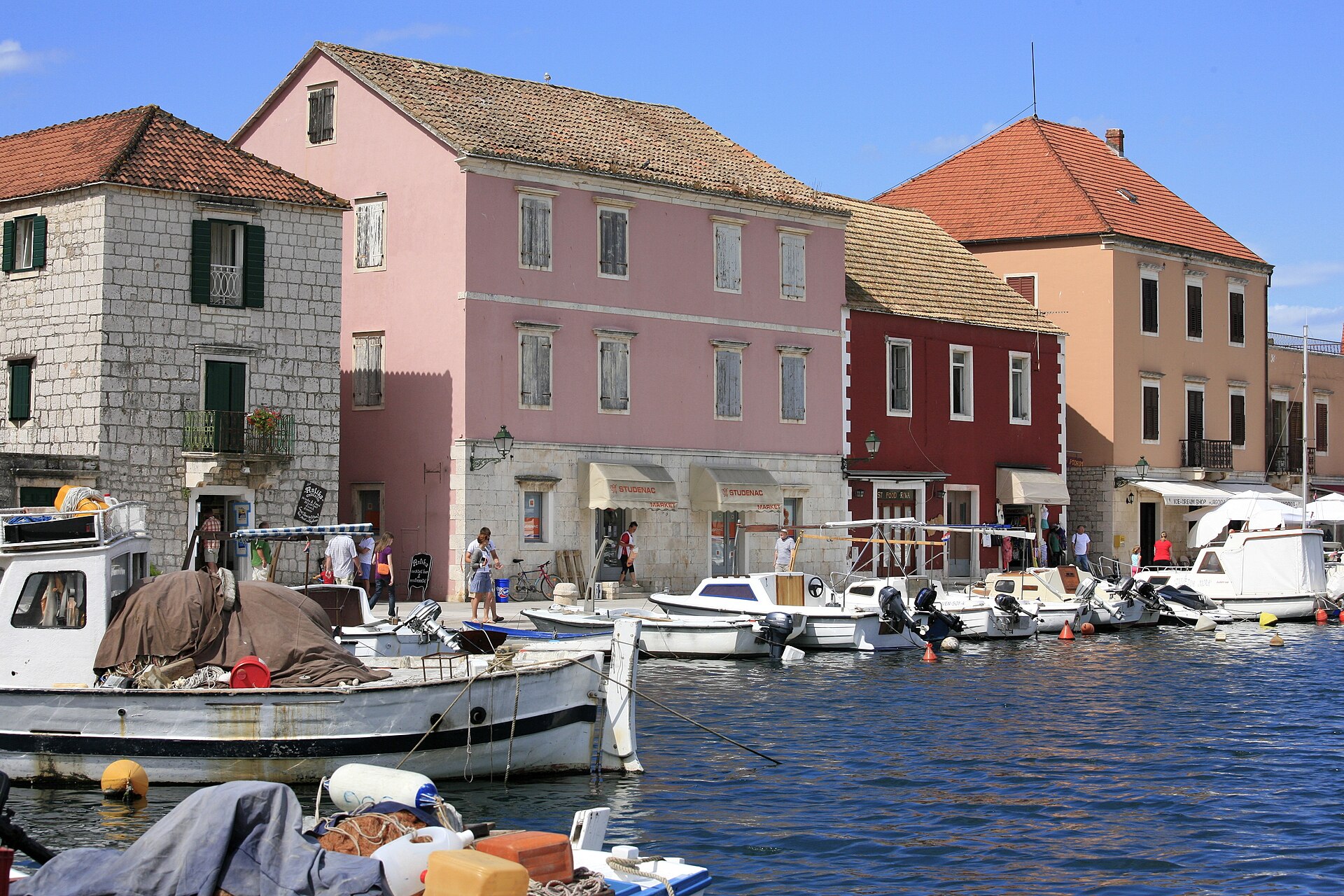
Hvar has a reputation problem, and it is entirely the fault of the yachts. Say the name out loud and half the people in the room picture champagne on a superyacht deck, while the other half picture lavender fields and a stone town that has been standing since the 1200s. Both pictures are correct, and the trick to loving Hvar is knowing which one you are booking.
We spend a lot of our planning time on the Dalmatian coast, and Hvar keeps coming up as the island people either rave about or write off after one bad night in the wrong part of town. The difference almost always comes down to timing, neighborhood, and whether you got off the main square long enough to see the rest of the island. This guide is the version we wish someone had handed us before we started mapping out our own Croatian island route.
Why Hvar Is Worth the Ferry Ride
Hvar is the longest island in Croatia and one of the sunniest places in Europe, with local tourism boards happily quoting somewhere north of 2,700 hours of sunshine a year. That number gets thrown around so often it has become a running joke, but the practical effect is real: the shoulder seasons here stay warm and swimmable much later than they do further north.
The island has three things going for it that most Adriatic islands can only claim one or two of. It has a genuinely beautiful historic town with Venetian architecture and a hilltop fortress. It has the Pakleni Islands, a scatter of pine covered islets a fifteen minute boat ride offshore with some of the clearest water in the country. And it has an interior full of lavender, old stone villages, and vineyards that almost nobody bothers to drive through.
That last part is the one that surprises people. The moment you rent a scooter or a small car and head inland, Hvar stops being a party island and becomes something much quieter.
When to Visit Hvar
June and September are the sweet spot. Water temperatures are comfortable, restaurants are fully open, ferries run on the high season schedule, and you can still get a table without a reservation booked three weeks out. September in particular is our pick if you want the island version of Hvar rather than the nightlife version.
July and August are peak everything. Peak heat, peak prices, peak crowds, peak boat traffic in the harbor. If you are traveling with a group that wants the beach clubs and the late nights, this is when to come. If you are not, this is when to skip it.
May and early October are underrated. Prices drop noticeably, the lavender starts showing color in late May and into June, and the light on the stone is gorgeous. The tradeoff is that some seasonal restaurants and boat operators have not opened yet or have already closed for the year, and the sea in May is bracing.
November through March is very quiet. A handful of places stay open in Hvar Town for the locals, but ferry service thins out and most visitor businesses shut down entirely. Beautiful for a writer on a deadline, frustrating for a first visit.
How to Get to Hvar
There is no airport on Hvar, so every route runs through a mainland port. Split is the main gateway and the one we would default to.
Fast catamaran from Split to Hvar Town takes roughly an hour and drops you directly in the old harbor, steps from everything. This is a passenger only service, so no cars. For most travelers on a three or four day island stay, this is the right choice.
Car ferry from Split to Stari Grad takes closer to two hours and lands you about twenty minutes by road from Hvar Town. Take this one if you genuinely want a car on the island.
From Dubrovnik, seasonal catamarans connect down the coast in summer, usually with a stop at Korcula or Mljet. Outside of summer you will likely be routing back through Split.
If you are still deciding how the whole trip fits together, our Croatia trip planning guide walks through the ferry logic for the whole coast, including which islands are worth an overnight versus a day trip.
Do You Need a Car on Hvar?
Here is our honest read: not if you are staying in Hvar Town for two or three nights and mostly doing the town, the fortress, and boat trips to the Pakleni Islands. Everything is walkable and the water taxis handle the rest.
You do want wheels if you plan to see the interior, get to Stari Grad and Jelsa, or reach the beaches on the north side. A scooter is the classic choice and it is a genuinely fun drive, though the island road has some exposed switchbacks that are not for nervous riders. A small rental car is the safer version of the same plan.
One warning that catches people out: parking in Hvar Town is limited and expensive in high season, and the old town core is pedestrian only. If you rent a car, factor the parking situation into where you book your accommodation.
Things to Do in Hvar
Walk up to Fortica (Spanish Fortress)
The fortress above Hvar Town is the postcard shot, and it earns it. The climb takes about twenty minutes on a stone path through a garden of agave and cactus, and the view at the top takes in the whole harbor with the Pakleni Islands laid out behind it. Go at golden hour if you can. Go early if you cannot stand crowds. There is a small entry fee and a cafe at the top.
Take a boat to the Pakleni Islands
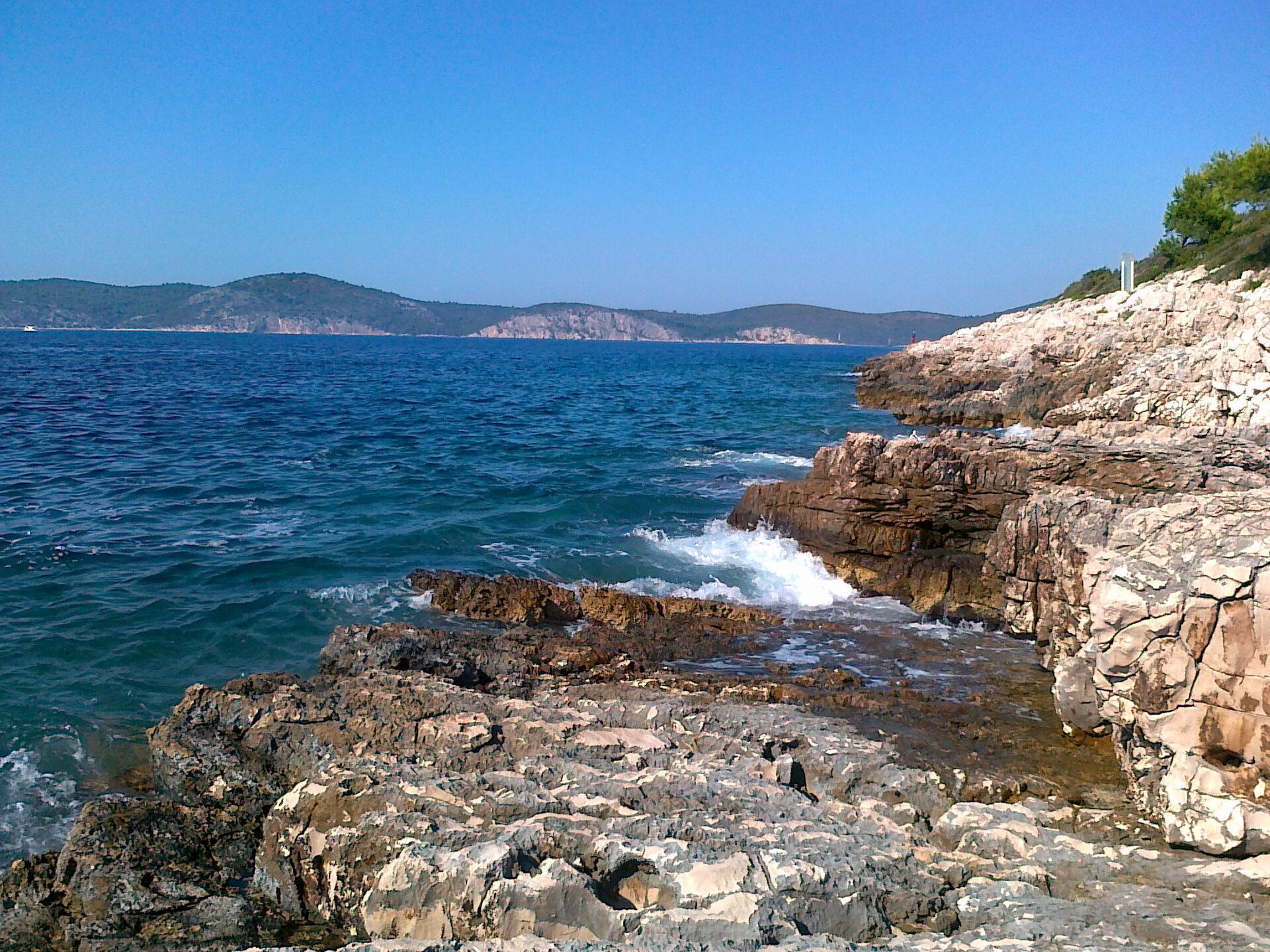
This is the thing to do on Hvar. Water taxis leave constantly from the Hvar Town waterfront in season and run to the various islets. Palmizana is the most developed, with a marina, a botanical garden, and a few very good restaurants. Jerolim and Stipanska are quieter and more about the swimming. The water in the coves here is the kind of clear that photographs badly because nobody believes it.
Half day and full day boat tours also run from Hvar Town out to the Blue Cave on Bisevo and the swim through at Green Cave, usually combined with a stop at Stiniva beach on Vis. It is a long day on a boat and worth it if the sea is calm.
See the lavender fields and the interior villages
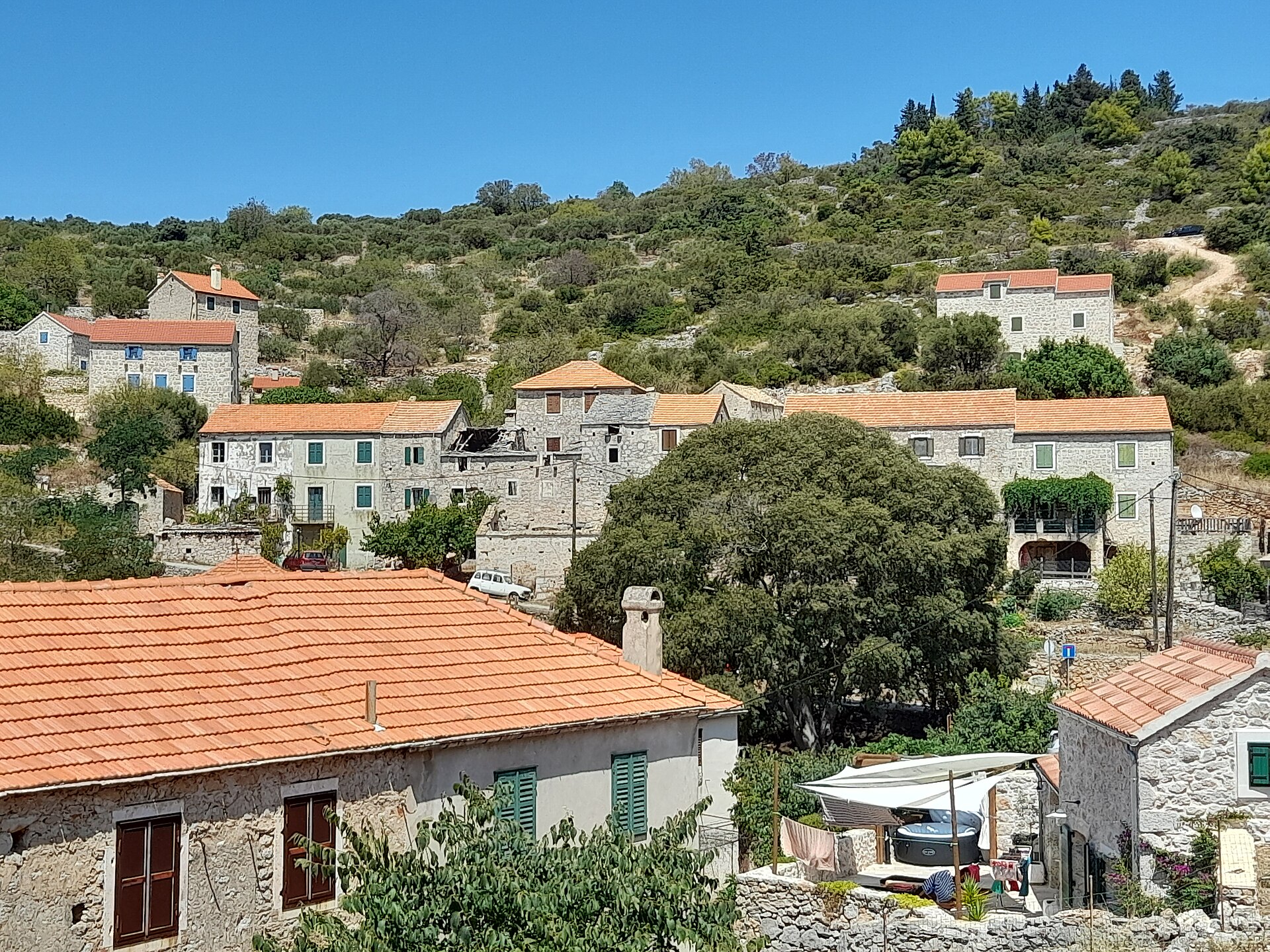
The road over the spine of the island toward Velo Grablje and Brusje runs through the lavender country. Peak bloom is generally mid June to early July depending on the year, and even outside bloom season the drive is beautiful and nearly empty. Velo Grablje is a partially abandoned stone village that is slowly coming back to life, and it is a strange and lovely place to poke around for an hour.
Spend a morning in Stari Grad
Stari Grad is one of the oldest towns in Europe, founded by Greek settlers in the fourth century BC, and the Stari Grad Plain behind it is a UNESCO World Heritage Site for its ancient field divisions that are still in use. The town itself is much sleepier than Hvar Town, with a harbor, a warren of stone lanes, and the fortified Tvrdalj Castle built by the poet Petar Hektorovic around a saltwater fish pond. If Hvar Town feels like too much, this is the antidote.
Eat at a konoba in the hills
The island’s inland taverns serve the food Hvar is actually known for, which is not the harborside seafood platters. Look for peka, meat or octopus slow cooked under a bell shaped lid buried in embers. Most places need it ordered several hours ahead, so call in the morning for a dinner reservation.
Where to Stay on Hvar
Hvar Town puts you in the middle of everything, which is both the appeal and the problem. Book here for walkability and the boat connections. If you are a light sleeper, ask specifically how far your room is from the square and the Riva, because the noise in July and August carries.
Just outside Hvar Town, the areas around Krizna Luka and the road toward Milna give you a five to fifteen minute walk or short drive into town with far more quiet and usually better value.
Stari Grad is the calm alternative with real town life, good restaurants, and the car ferry terminal.
Jelsa sits on the north coast and is the most family friendly base on the island, with a pretty harbor and easy access to the beaches at Mina and Grebisce.
Where to Book
We book almost all of our Croatian coast accommodation through Booking.com, which has by far the deepest inventory of the apartments and small guesthouses that make up most of Hvar’s lodging. Filter for properties with parking if you are bringing a car, and read the arrival instructions closely, since many old town apartments have no vehicle access.
For boat trips, the Blue Cave day tours, and wine tastings in the interior, we use Viator to compare operators and lock things in ahead of time. In July and August the good Blue Cave tours sell out days in advance, and showing up hoping to book same day is how you end up on the crowded overflow boat.
What Hvar Costs
Hvar is one of the more expensive corners of Croatia, and the gap between high and shoulder season is dramatic.
- Accommodation: A decent apartment in Hvar Town runs roughly 90 to 180 euros a night in June or September and can double in August. Stari Grad and Jelsa typically come in 25 to 40 percent lower.
- Ferries: The Split to Hvar Town catamaran is usually in the 10 to 15 euro range per person. The car ferry to Stari Grad is more, with a vehicle surcharge.
- Food: Expect 15 to 25 euros for a main at a mid range restaurant in Hvar Town, less inland. A konoba peka dinner for two with wine lands somewhere around 60 to 90 euros.
- Boat trips: Water taxis to the Pakleni Islands are a few euros each way. Full day Blue Cave tours generally run 90 to 130 euros per person.
Practical Tips We Would Tell a Friend
Bring water shoes. Hvar’s beaches are pebble and rock, not sand, and the entries can be sharp.
Book your catamaran tickets online in advance in summer. The Split ferry terminal in August is not a place you want to be improvising.
The old town is all stone stairs. Pack accordingly, especially if you are wheeling luggage from the harbor to an apartment uphill.
Cash is useful in the interior villages, though card acceptance in Hvar Town is now near universal.
If nightlife is genuinely not your thing, do not simply avoid Hvar. Base yourself in Stari Grad or Jelsa and day trip into Hvar Town. You get the beautiful parts without the 2am parts.
Is Hvar Right for Your Trip?
If your Croatia itinerary already includes Split and Dubrovnik and you want one island that delivers scenery, history, swimming, and good food in a small package, Hvar is an easy yes. If you are chasing quiet above all else, Vis or Korcula will serve you better in high summer. And if you are traveling with kids, Jelsa on the north coast quietly solves most of the objections people have to the island.
The version of Hvar that shows up in magazine spreads is real. So is the version where you are the only car on a lavender road at nine in the morning. You just have to book for the one you actually want.
Planning the rest of your Croatian coast? Start with our Croatia trip planning guide for ferry routes and timing, then read our Split travel guide for the mainland base most Hvar trips run through, and our Dubrovnik travel guide if you are working your way down the coast.