Paris in 4 days — we’ve been researching and testing travel strategies for years, and this guide covers everything you need to know. This post contains affiliate links. If you book through our links, we may earn a small commission at no extra cost to you. We have been to Paris twice and this is the guide that reflects what we actually did — and what we’d change.
Table of Contents
Table of Contents
Paris in 4 days is exactly the right amount of time for a first visit: long enough to scratch below the surface, short enough to keep a sense of wonder through every meal. The city rewards those who slow down — who linger over a second coffee, who duck into a side street for no particular reason, who spend an extra hour in a single room of the Louvre. Four days lets you do all of that while still seeing the essentials.
Here’s how we’d spend four days in Paris — what to do, what to skip, and where to eat. Opinionated, experience-based, and honest about the tourist traps.
Before You Go: Paris Planning Notes
Book the major museums in advance. The Louvre, Musée d’Orsay, and Versailles all require timed-entry tickets booked online. Walk-up queues at peak season can mean waiting hours only to be turned away. Book before you leave home.
Get a Navigo Easy card or buy a carnet of metro tickets. The Paris metro is fast, cheap, and covers everything. A carnet (10-ticket book) is better value than single tickets.
Eat lunch as your main meal. Most Paris restaurants offer formule du midi — a fixed-price lunch menu (starter + main, or main + dessert) for €15–25. The same meal costs double at dinner. Eat your big meal at lunch; keep dinners lighter and more casual.
Day 1: Right Bank — Icons Done Right
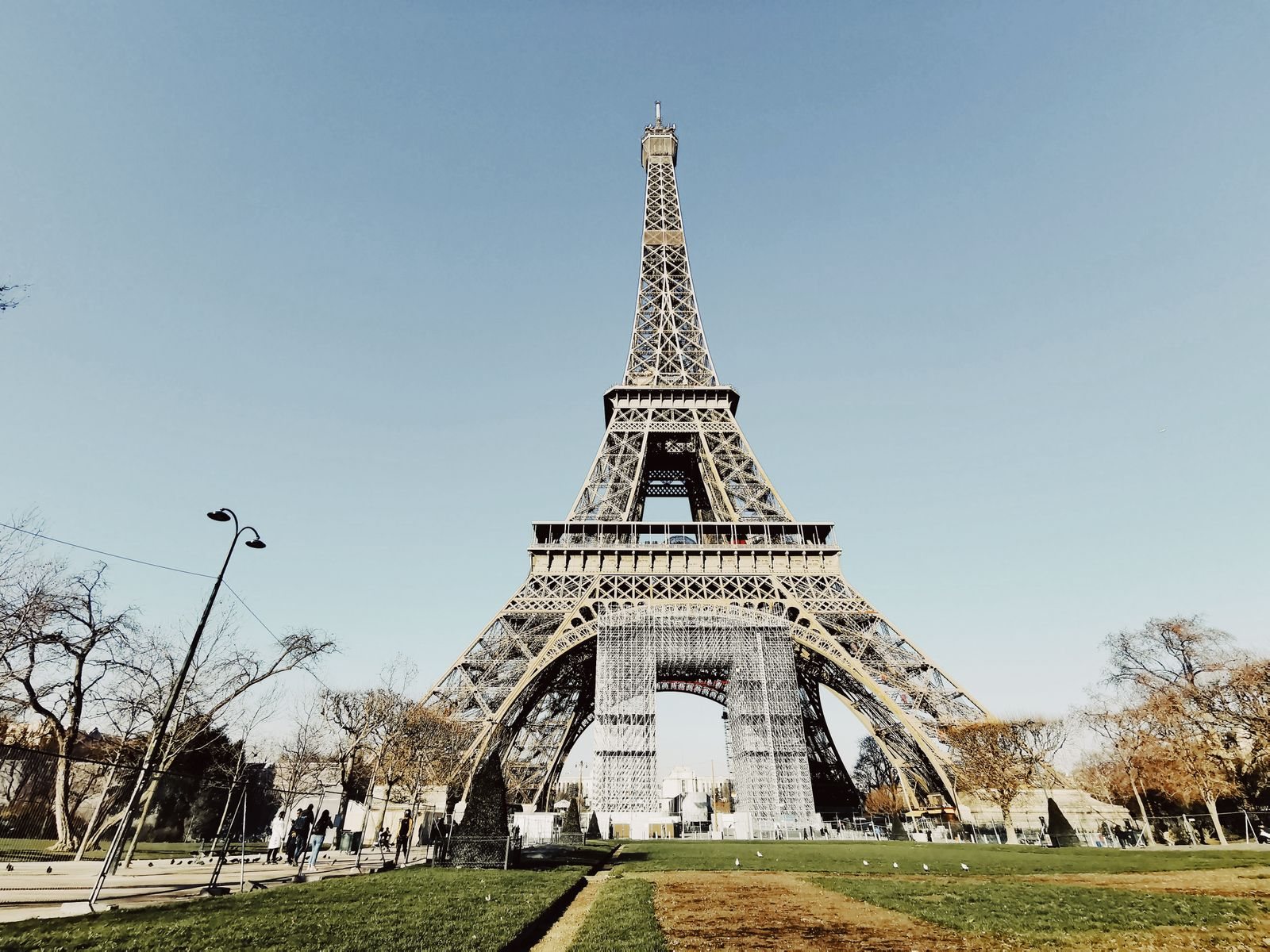
Start with the Eiffel Tower, but do it on your terms. Skip the elevator if you can — climbing the stairs to the second level (open to all) is genuinely the better experience, with more time to absorb the view rather than being shuffled through. Book tickets online to skip the queue. Book skip-the-line Eiffel Tower access on Viator — the difference between queuing two hours and walking straight up is worth every cent of a guided ticket.
Walk east along the Seine to the Champ-de-Mars for the classic Eiffel Tower-from-the-grass shot that everyone takes and everyone is right to take. Cross the river to the Trocadéro for the elevated view.
Afternoon: walk along the Seine to Notre-Dame. The cathedral is undergoing post-fire reconstruction (expected completion late 2024) but remains deeply moving to visit from the outside — the scale and the story are present in the scaffolding as much as in the stone. Cross to the Île de la Cité and the Île Saint-Louis — the smaller island is one of Paris’s most charming pockets, with ice cream from Berthillon and beautiful 17th-century architecture.
Dinner in the Marais, Paris’s most fashionable neighborhood — mix of medieval streets, Jewish bakeries, and excellent contemporary restaurants. Try L’As du Fallafel on Rue des Rosiers for the city’s most famous falafel, or book ahead at Breizh Café for exceptional Breton galettes and crêpes.
Day 2: The Louvre — Do It Right, Not Fast
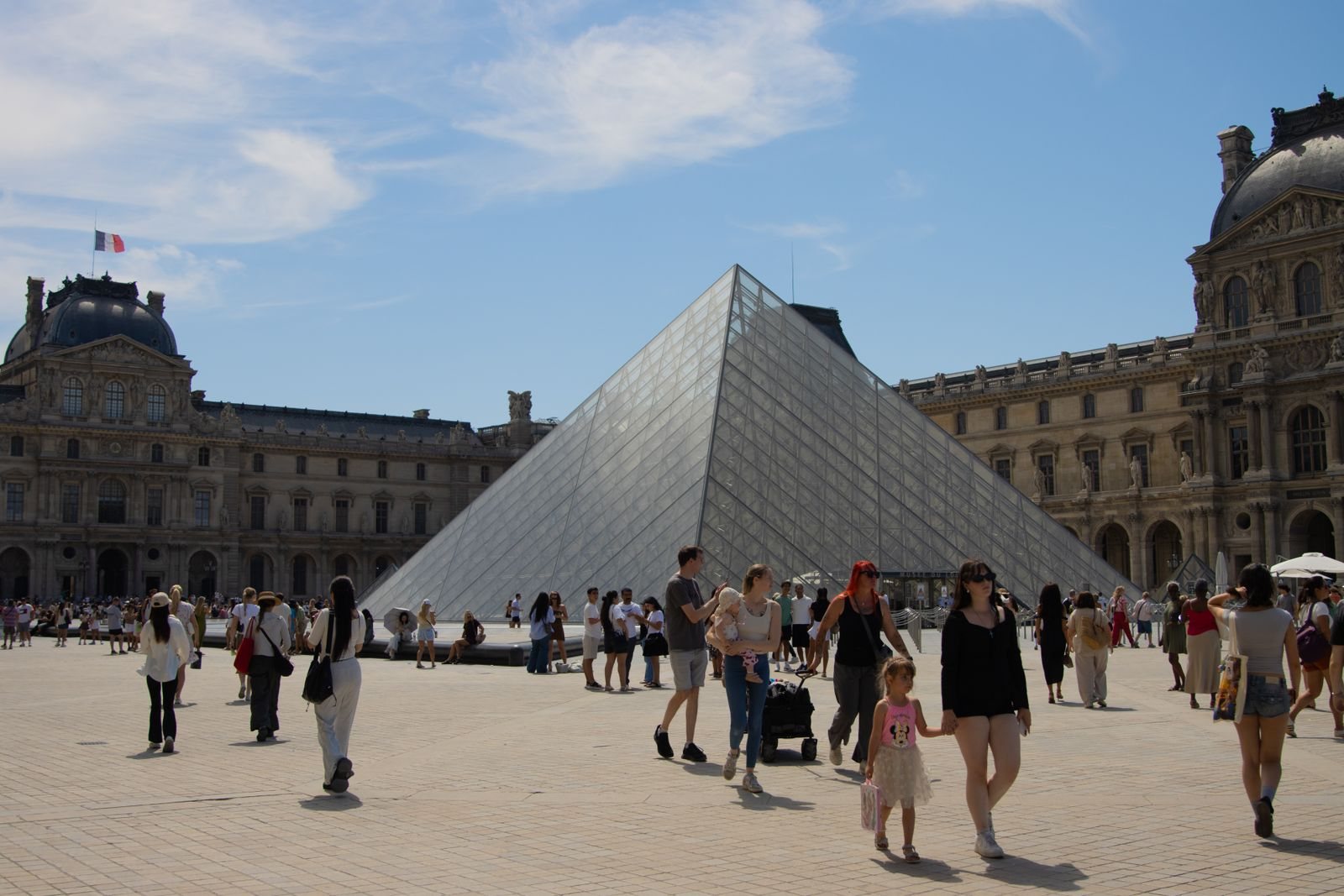
The Louvre has 35,000 works on display across 72,000 square meters. You cannot see it all. You should not try. Pick two or three things you genuinely care about and find them properly, rather than speed-walking through everything.
The non-negotiables: the Winged Victory of Samothrace (at the top of the Daru Staircase — one of the most dramatic reveals in any museum in the world), the Venus de Milo, the Mona Lisa (crowded but worth 10 minutes), and the Dutch and Flemish masters in the Richelieu wing, which most visitors skip entirely and which are extraordinary.
Book your timed entry online. Consider a guided Louvre tour on Viator — a good guide curates the museum intelligently, explains why things matter, and navigates the crowds. Two to three hours is plenty for a focused visit.
Afternoon: walk through the Tuileries Garden to the Place de la Concorde, then up the Champs-Élysées to the Arc de Triomphe. The Champs-Élysées itself is overrated (expensive shops, tourist restaurants), but the walk is pleasant and the Arc is genuinely impressive. Climb to the top for a panoramic view of the city’s famous spoke-pattern boulevards.
Dinner in Saint-Germain-des-Prés — try Café de Flore or Les Deux Magots for the literary history and excellent people-watching (go for drinks, not necessarily dinner), then eat at one of the excellent bistros tucked in the surrounding streets.
Day 3: Musée d’Orsay + Montmartre
The Musée d’Orsay is, in our view, the finest art museum in Paris for a general visitor. Housed in a spectacular converted railway station, it holds the world’s best collection of Impressionist and Post-Impressionist art — Monet’s water lilies and haystacks, Van Gogh’s self-portraits, Degas’s dancers, Renoir, Cézanne, Gauguin. It moves people who claim not to care about art. Book timed entry online and allow 2–3 hours.
Afternoon: take the metro to Montmartre. The Sacré-Cœur basilica at the top of the butte is beautiful and the views over Paris are exceptional. The surrounding neighborhood has been touristy for a century but retains genuine charm in the back streets — the original vineyard is still there, and the Place du Tertre (artists’ square) is a fascinating sociological study in managed authenticity. Descend via Rue Lepic for a more local perspective.
Evening: Montmartre has an excellent dining scene. Try Chez Toinette (classic French bistro, book ahead) or simply follow your nose down the hill toward Pigalle and pick a café that looks right.
Day 4: Versailles — Half Day, Then Goodbye Paris
The Palace of Versailles is a 40-minute RER C train ride from central Paris, and it is absolutely worth a half-day even on a four-day trip. The Hall of Mirrors alone — 73 meters of gilded excess with 357 mirrors and 20,000 candles — justifies the trip. The gardens are free to walk and are magnificent.
Go early (doors open at 9am), book timed-entry tickets online in advance, and leave by noon to beat the afternoon tour bus rush. Return to Paris for a final afternoon wandering, shopping, and a proper Paris goodbye meal.
Book skip-the-line Versailles tours on Viator — a guided tour with transport from Paris makes the logistics seamless and adds context that makes the spectacle comprehensible.
What to Skip in Paris
Moulin Rouge — unless cabaret is a genuine passion, the money is better spent on food.
The Eiffel Tower at dinner — overpriced and mediocre. Eat elsewhere and admire the tower from the outside while it sparkles on the hour.
Most restaurants on major tourist streets — Rue de Rivoli, Champs-Élysées, and the streets immediately around major monuments all have tourist-trap restaurants. Walk two blocks away for dramatically better food at lower prices.
Where to Eat in Paris
Paris food deserves its reputation, but you have to know where to go. Our standouts: Du Pain et Des Idées (bakery near Canal Saint-Martin — the best bread in Paris), Septime (requires booking weeks ahead but is genuinely one of Europe’s best restaurants), Le Comptoir du Relais (Saint-Germain bistro, lunch formule is a steal), Frenchie Bar à Vins (natural wine and small plates in the Sentier neighborhood, no reservations). And for the iconic experience: a ham-and-butter baguette sandwich from any boulangerie, eaten on a bench by the Seine. Perfect every time.
Where to Stay in Paris
The best base for a four-day first visit is the Marais (3rd/4th arrondissement) — central, walkable to most major sights, and full of good restaurants. The Saint-Germain-des-Prés (6th) is the most romantic option but pricier. The 9th/10th arrondissements around Canal Saint-Martin offer excellent value and a more local feel, 20 minutes by metro from the major sights.
Search Paris hotels on Booking.com — filter by neighborhood and use the map view to make sure you’re genuinely central.
Where to Book Your Paris Trip
- Tours & skip-the-line tickets: Viator Paris — Eiffel Tower, Louvre, Versailles, Seine river cruises
- Hotels: Booking.com Paris — best neighborhood filtering and total pricing
- GetYourGuide: GetYourGuide Paris — good selection of food tours and walking tours
Four days in Paris will not be enough. That’s the guarantee. Go knowing that, make peace with it, and let the city give you what it gives you. It’s been doing this for a thousand years — it knows what it’s doing.