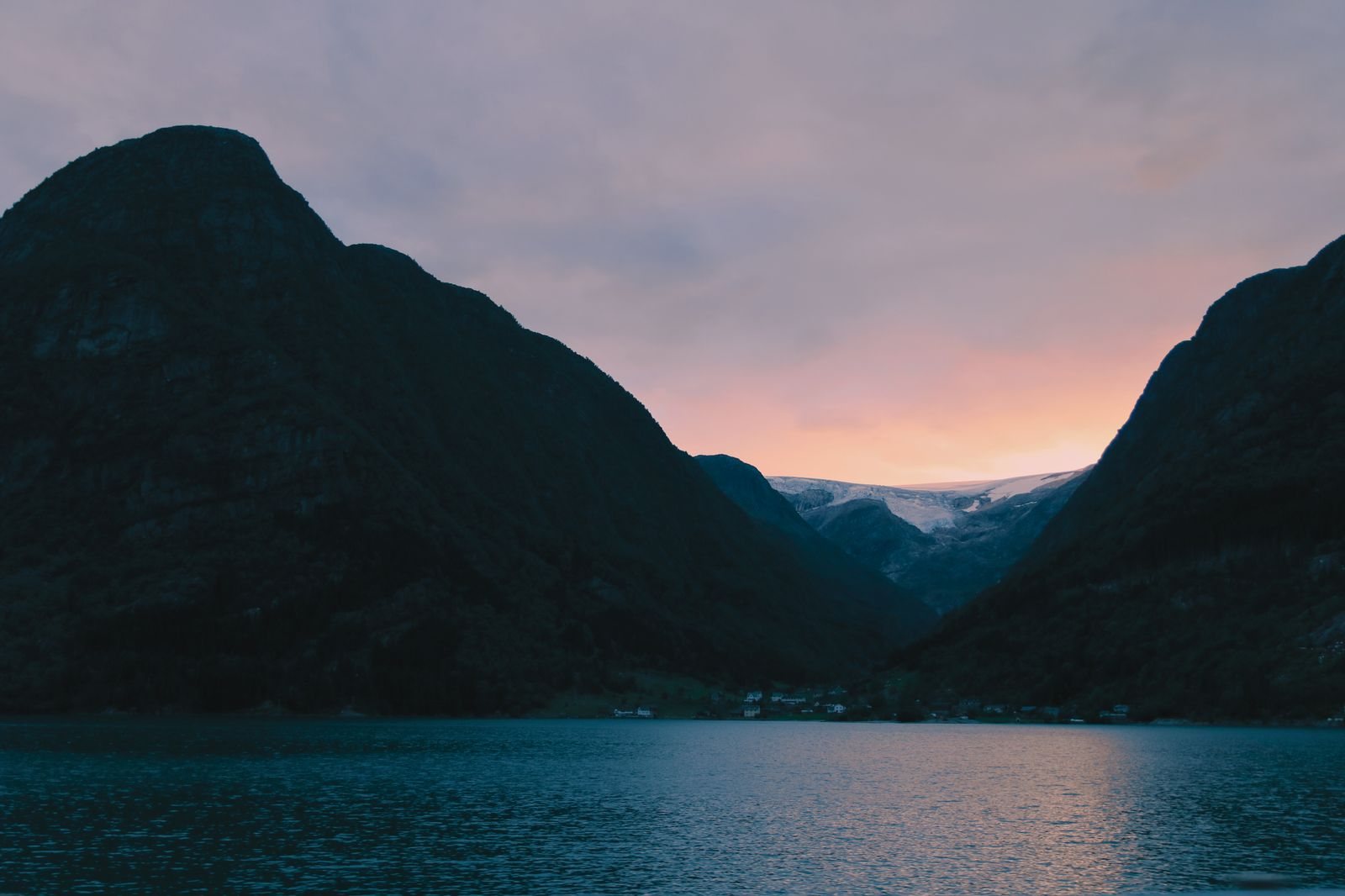
Disclosure: This post contains affiliate links. If you book through our links, we may earn a small commission at no extra cost to you. Thanks for supporting Faceted Travel!
The first time we planned a Scandinavia trip, we assumed the answer was obvious: go in summer, when it is warm. Then we discovered that “summer” means midnight sun in the north, that the northern lights require the darkness we were trying to avoid, and that the two best things in the region are literally impossible to see on the same trip.
Table of Contents
- The Short Answer
- Summer (June to August): The Big Season
- Shoulder Seasons (May and September): The Smart Money
- Winter (December to February): Dark, Cold, and Absolutely Worth It
- Northern Lights: Timing It Honestly
- Month-by-Month Cheat Sheet
- Matching the Season to Your Trip
- Does the Country Change the Answer?
- Packing by Season (the Short Version)
- What Timing Does to Your Budget
- Where to Book
- Our Honest Take
So here is the honest answer to when to visit Scandinavia: it depends entirely on which Scandinavia you want. This guide breaks it down season by season and month by month, so you can match the dates to the trip, whether that is fjord hiking, city-hopping, aurora chasing, or dogsledding through a blue-lit January afternoon.
The Short Answer
- For fjords, hiking, and city trips: June through August, with June our overall winner.
- For northern lights: late September through March, with September/October and March the sweet spots.
- For value and fewer crowds: May and September, the shoulder months that locals quietly prefer.
- For winter magic (dogsleds, snow hotels, Christmas markets): December through February, embracing the dark.
The one month we would skip for a first trip: November. Dark, wet, and too early for reliable snow in most places.
Summer (June to August): The Big Season
What summer gets you
Summer is when Scandinavia shows off. Temperatures sit in the pleasant 60s and 70s Fahrenheit (15 to 25°C), the fjords are green and thundering with waterfalls, hiking trails from Norway’s Pulpit Rock to Sweden’s high country are open, and the cities live outdoors: harbor swims in Copenhagen, archipelago ferries in Stockholm, rooftop bars in Oslo.
Above the Arctic Circle, the sun does not set at all from late May to mid-July. Standing on a beach in the Lofoten Islands at 1am in full golden daylight is one of the strangest, most wonderful experiences in European travel.
The fine print
Summer is also peak pricing and peak crowds, and Scandinavian hotel rates in July can make Paris look reasonable. Book accommodation three to six months out, especially in Lofoten, Bergen, and anywhere on the fjords. August brings slightly cooler evenings and, in the far north, the first true darkness (and with it, the first auroras of the season by month’s end).
Our pick within summer: June
Long days at their absolute longest, landscapes freshly green, prices and crowds a notch below July, and the mosquitoes of the far north not yet at full strength. If you can only pick one month for a first Scandinavia trip, pick June.
Shoulder Seasons (May and September): The Smart Money
May
Spring arrives late and fast. May means blooming beech forests in Denmark, waterfalls at maximum roar in Norway (snowmelt season), and cities waking up after winter, with hotel prices still 20 to 30 percent below summer. High-mountain trails may still be snowbound, but the fjord towns, coastal drives, and city breaks are all in play. Gothenburg and Copenhagen are lovely in May sunshine.
September
Our favorite month for the north. The crowds drain away after mid-August, the birch forests turn gold, hiking stays good through the month in most areas, and the northern lights return to the night sky while daytime temperatures remain civilized. September in Tromsø or Lofoten can hand you hiking by day and auroras by night, the only time of year the two headline acts genuinely overlap.
Winter (December to February): Dark, Cold, and Absolutely Worth It
What winter gets you
Winter Scandinavia is a different product entirely, and it is spectacular: dogsledding and reindeer camps in Lapland, the Icehotel in Swedish Jukkasjärvi, snow-muffled old towns, Christmas markets through December, and above the Arctic Circle, the polar night, when the sun never fully rises and the sky spends hours in a deep blue twilight the Norwegians call the blue hour.
And, of course, the northern lights: December through February offers the longest dark hours and the most nightly chances, weather permitting.
The fine print
Cold is real (expect -5 to -15°C in the north, occasionally much colder inland), daylight in the south shrinks to six or seven hours, and rural driving requires genuine care. City breaks work fine all winter (Copenhagen and Stockholm are cozy, lit, and cheap in January), but the flagship winter experiences live up north and should be booked well ahead, especially February, when European school holidays fill Lapland.
Our pick within winter: February into early March
The dark is softening, daylight returns in usable amounts, snow cover is at its deepest and most reliable, and aurora activity stays strong. March in particular combines decent daylight, prime snow, and statistically some of the best aurora conditions of the year.
Northern Lights: Timing It Honestly
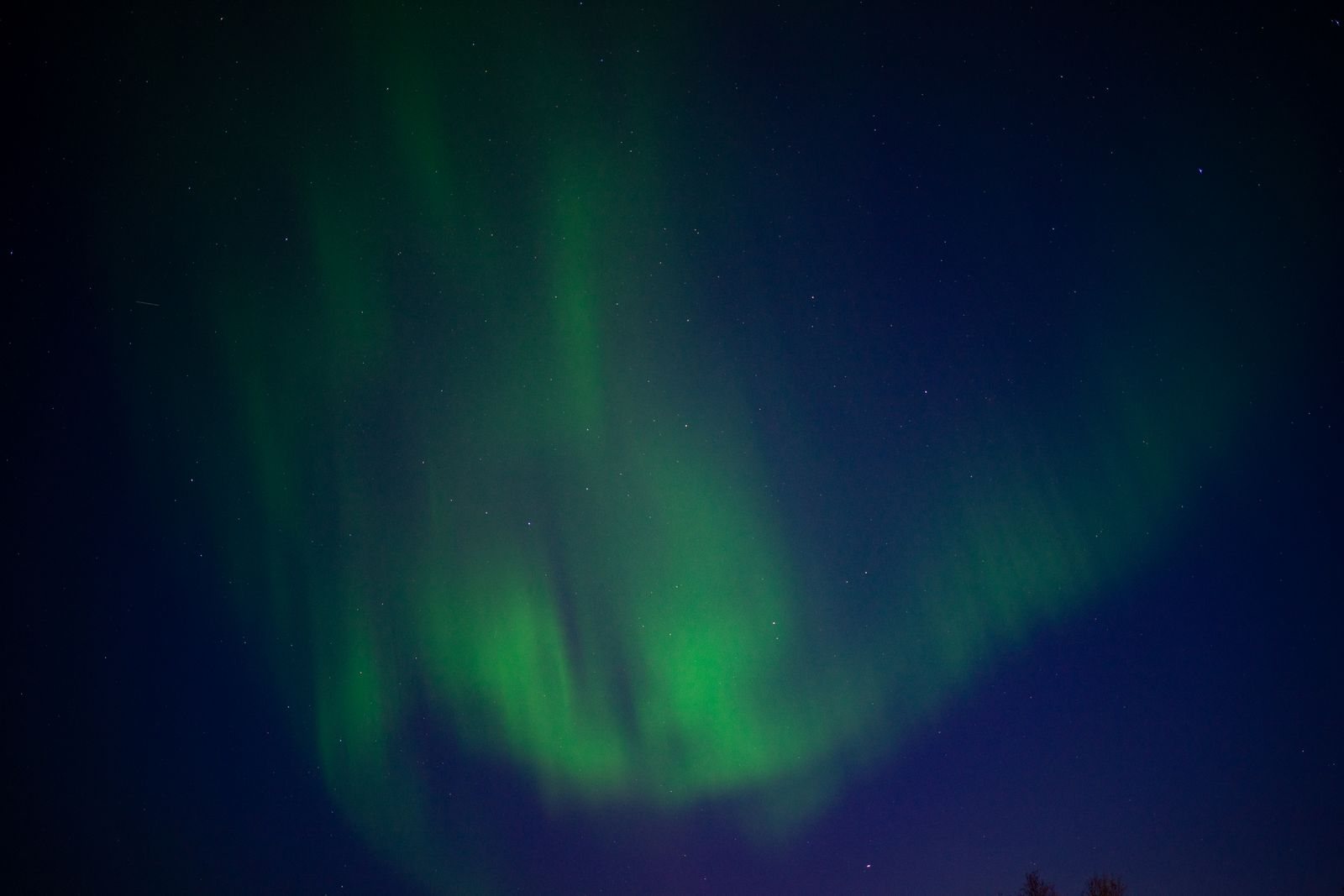
The aurora season runs from late September to late March. You need three things: darkness, clear skies, and solar activity, and only the first is guaranteed. Base yourself above the Arctic Circle (Tromsø, Alta, Abisko in Sweden, or Lofoten) for at least three nights, ideally five, to give the weather room to cooperate. Abisko’s rain-shadow microclimate gives it the most reliably clear skies in the region; Tromsø has the best infrastructure and guided chases. September/October and March edge out midwinter for one practical reason: milder temperatures make the standing-around-outside part dramatically more pleasant.
One myth to retire: the lights do not “peak” at Christmas. Midwinter just has the most hours of darkness. Equinox months statistically produce more geomagnetic activity.
Month-by-Month Cheat Sheet
- January: deep winter, polar night in the north, auroras, lowest prices in the cities.
- February: prime Lapland month: deep snow, returning light, strong auroras. Book early.
- March: our winter pick. Long-enough days, superb snow, excellent aurora odds.
- April: the awkward thaw. Ski resorts wind down; cities begin to bloom late in the month.
- May: spring value month. Waterfalls at full blast, city breaks shine, thin crowds.
- June: midnight sun begins, everything green and open, our top month overall.
- July: warmest month, busiest month, priciest month. Book far ahead.
- August: still summer, slowly quieting; auroras return to the far north by late month.
- September: golden autumn, empty trails, auroras are back. Our shoulder-season pick.
- October: moody and atmospheric; good auroras up north, gray drizzle in the south.
- November: the one to skip: dark, damp, snow not yet reliable. If you must travel now, make it a cozy Copenhagen or Stockholm city break and lean into candlelit cafes.
- December: Christmas markets, blue-hour Arctic light, festive cities, full-on aurora season.
Matching the Season to Your Trip
- First-timer city-and-fjord loop (Copenhagen, Stockholm, Oslo, Bergen): June, or September for value.
- Norway fjords and hiking: mid-June to mid-September; see our Stavanger guide for Pulpit Rock timing.
- Lofoten photography: June for midnight sun, September for gold-and-aurora combos, February for snow-covered peaks rising from dark seas.
- Northern lights dedicated trip: September/October or February/March, five nights minimum in the Arctic.
- Family winter wonderland: December for markets and atmosphere, February for the full snow catalog.
Does the Country Change the Answer?
A little, and it is worth knowing how before you lock dates.
Denmark is the mildest and flattest of the three: no midnight sun, no polar night, no reliable snow. Copenhagen works beautifully from May through September, and December’s Tivoli Gardens Christmas season is the city’s secret second peak. There is no aurora case for Denmark, so if the lights are your goal, Denmark is your arrival city, not your destination.
Sweden splits in two. Stockholm and Gothenburg follow the Danish pattern (May to September, plus December for markets and coziness), while Swedish Lapland, Abisko and Kiruna, runs on the Arctic calendar: aurora season from September to March and the Icehotel from December to April. The Stockholm archipelago is at its best from midsummer to mid-August, when the ferry schedules run full.
Norway is the most season-sensitive of the three because its headline acts are outdoors. The classic fjord experiences (Geiranger, the Bergen railway connections, Pulpit Rock and Trolltunga hikes) genuinely need the mid-May to mid-September window, with some high trails opening only in late June. Northern Norway then takes over for the other half of the year: Tromsø and Lofoten own the aurora and winter-adventure season. If your dream trip includes both fjord hiking and northern lights, Norway is the country most likely to force the two-trip conversation.
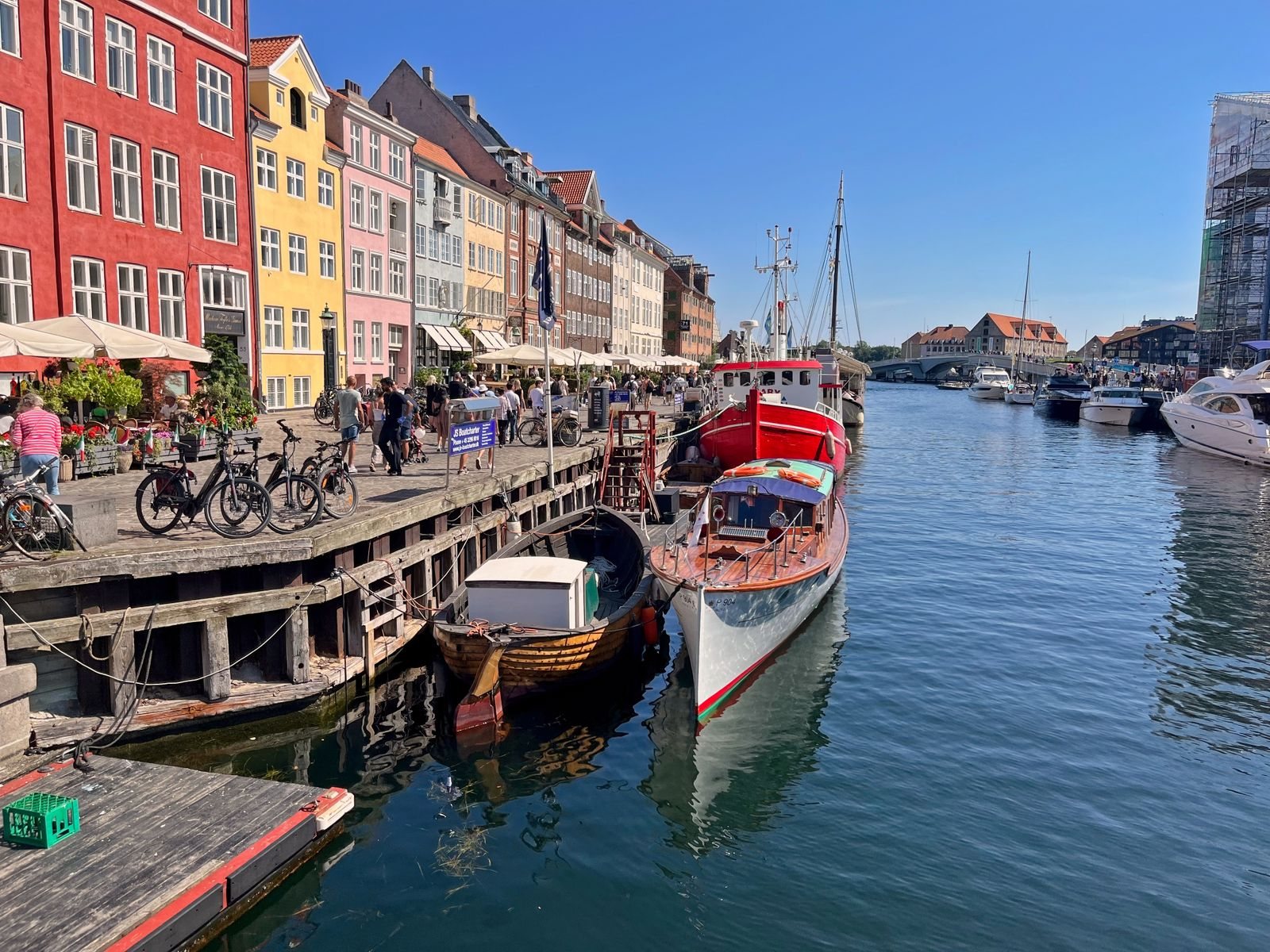
Packing by Season (the Short Version)
Summer packing is deceptively tricky: you need layers for 12°C mornings and 24°C afternoons, real rain gear regardless of forecast (Bergen averages over 200 rainy days a year), a swimsuit for harbor baths and fjord dips, and an eye mask, because the midnight sun does not care about your sleep schedule. Winter packing is simpler but bulkier: proper insulated boots, a true winter parka, wool base layers, and hand warmers for aurora nights, though most dogsledding and snowmobile operators lend thermal suits, so you do not need polar-expedition gear for one week in Lapland. Shoulder seasons take the summer list plus a warm hat and gloves. In all seasons, pack less than you think: every hotel and cabin has drying racks, and Scandinavians treat repeat outfits as basic common sense.
What Timing Does to Your Budget
Season moves prices in Scandinavia more than almost anywhere in Europe. July hotel rates in fjord Norway and Lofoten can double January’s, while city hotels flip the pattern (business-oriented Stockholm and Oslo hotels discount in July and at Christmas). Shoulder months buy you 20 to 40 percent savings across the board. We built full numbers, from hostel to splurge level, in our guide to how much a trip to Scandinavia costs, and the route-planning side lives in our guide on how to plan a trip to Scandinavia.
Where to Book
- Hotels: Booking.com’s Scandinavia listings cover everything from Copenhagen design hotels to Lofoten fishermen’s cabins (rorbuer); for June through August and February in Lapland, book three to six months ahead.
- Tours and activities: Viator’s Scandinavia tours include fjord cruises from Bergen, northern lights chases from Tromsø, dogsledding in Lapland, and Stockholm archipelago day sails, and the aurora tours especially are worth locking in before you fly.
Our Honest Take
There is no single best time to visit Scandinavia; there are two completely different perfect trips. Go in June for the endless golden evenings, the fjords, and the cities at their happiest. Go between September and March for the auroras and the snow-globe north. The only real mistake is trying to split the difference in November, or expecting northern lights under a midnight sun. Pick your Scandinavia first, and the calendar picks itself.
Ready to plan? Start with our step-by-step guide on how to plan a trip to Scandinavia, budget it with our Scandinavia cost breakdown, and get city-level detail in our Stockholm and Copenhagen guides.