Disclosure: This post contains affiliate links. If you book through our links, we may earn a small commission at no extra cost to you. Thanks for supporting Faceted Travel!
Table of Contents
- Step 1: Decide What Kind of Trip You Want
- Step 2: Pick Your Season
- Step 3: Choose Your Cities and Route
- Step 4: Understand Getting Around
- Step 5: Budget Realistically
- Step 6: Book in the Right Order
- Where to Book
- Chasing the Northern Lights
- Practical Details Worth Knowing
- What to Pack
- Scandinavia with Kids
- Common Planning Mistakes to Avoid
- Quick Answers to Common Questions
- Our Bottom Line
Planning our first Scandinavia trip, we made the classic mistake: we tried to see Denmark, Sweden, and Norway in ten days and spent half of them on trains. Three trips later, we’ve finally cracked how to plan this region properly, and it starts with one uncomfortable truth: Scandinavia rewards depth over speed, and the best itineraries do less, better.
This guide walks you through the whole planning process, step by step: choosing countries, timing your trip, building a route that doesn’t eat your vacation in transit, budgeting realistically for one of the world’s priciest regions, and booking everything in the right order. By the end you’ll have a plan, not just a wish list.
Step 1: Decide What Kind of Trip You Want
Scandinavia is really three different vacations wearing one name.
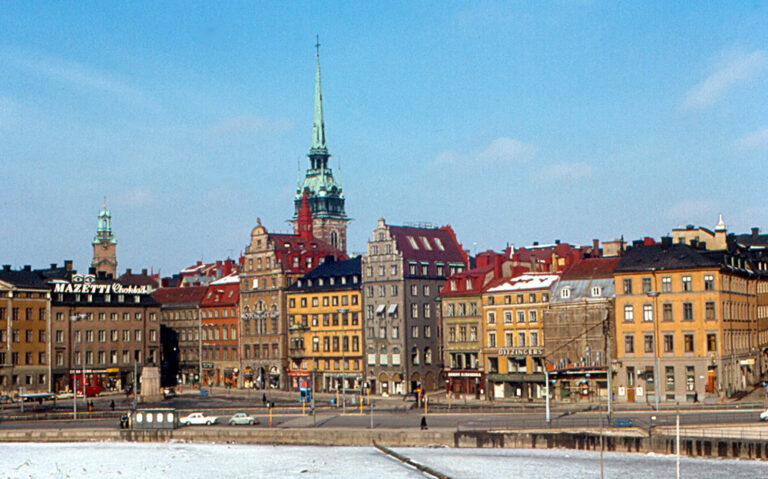
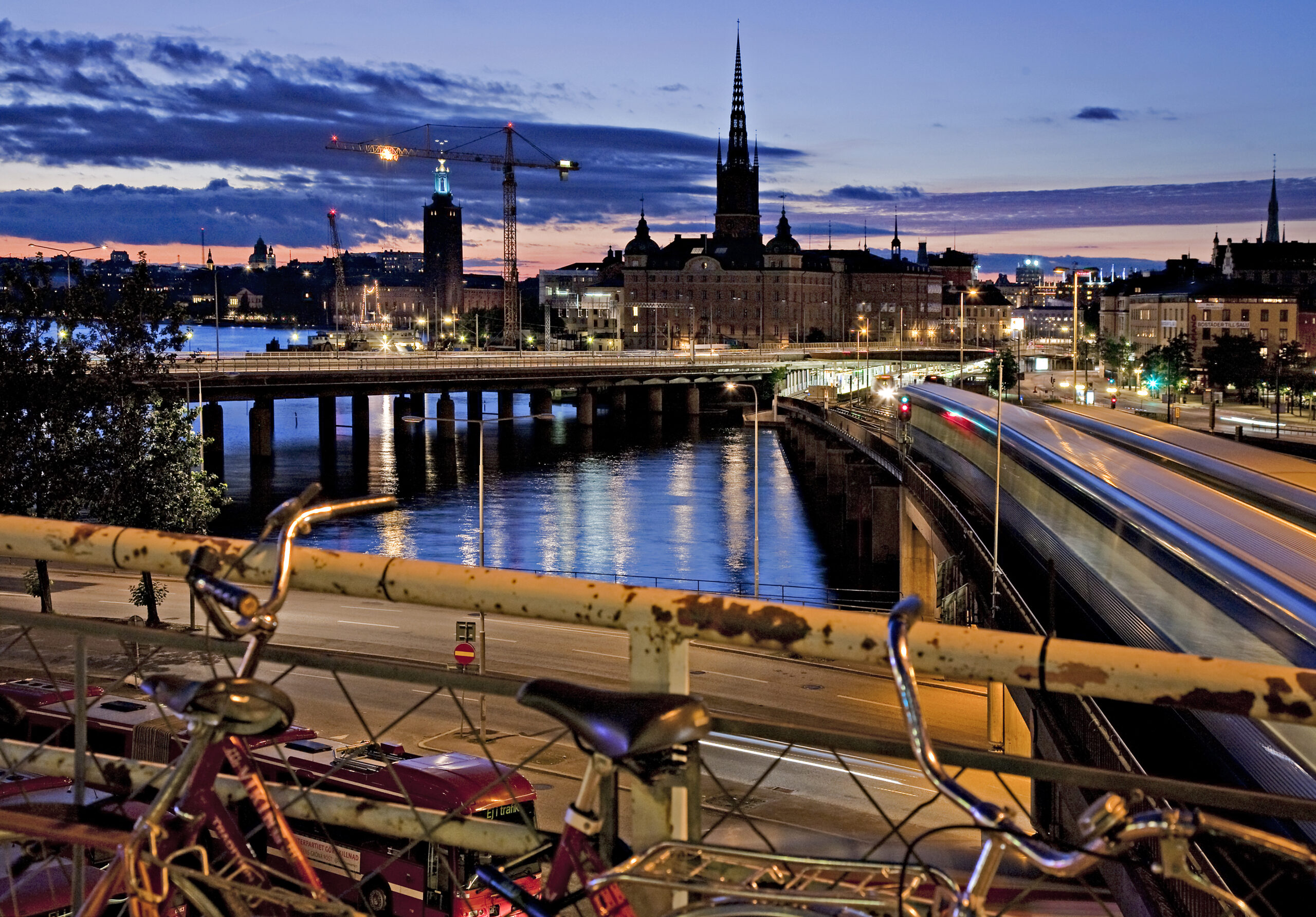
The capitals trip strings together Copenhagen, Stockholm, and Oslo: design shops, palaces, canal-side coffee, world-class museums, and some of Europe’s best food cities. It’s the easiest version to plan and works year-round.
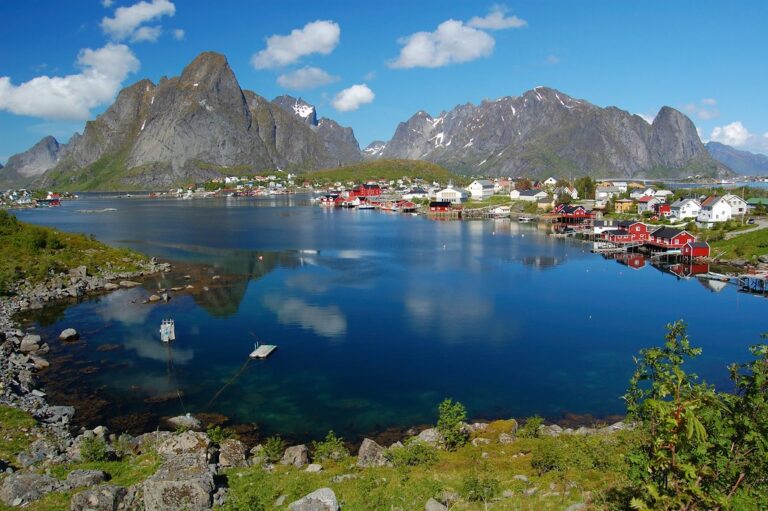
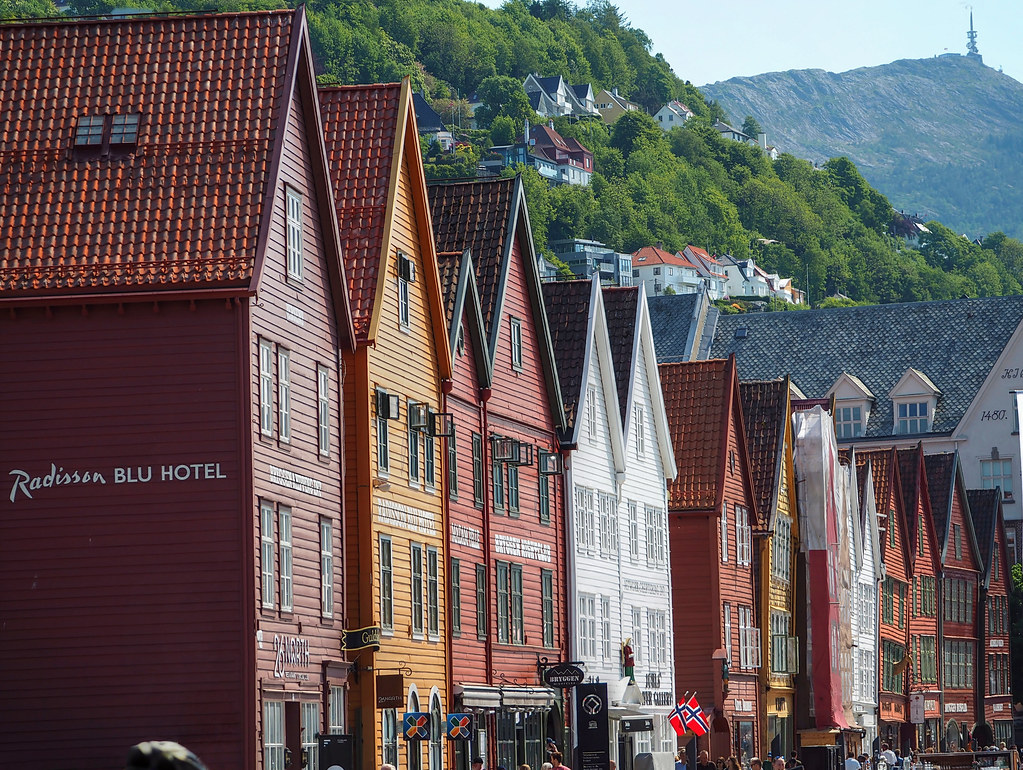
The nature trip is mostly Norway: fjords, cliff hikes, coastal ferries, the midnight sun or the northern lights depending on season. Cities become launch pads for Bergen‘s fjords or Stavanger’s Pulpit Rock.
The mixed trip is what we recommend for first-timers with 10 or more days: two capitals plus one dose of Norwegian nature. You’ll see why in the itineraries below.
Decide which trip you’re taking before booking anything. Every other choice flows from this.
Step 2: Pick Your Season
Timing matters more in Scandinavia than almost anywhere we’ve traveled.
Summer (June through August)
The sweet spot for first trips. Daylight runs 18 to 24 hours, fjord ferries and mountain trails are fully open, café life spills outdoors, and the water is (briefly) swimmable. It’s also peak price season, and July brings crowds to the fjords and old towns. Book accommodation three to four months out.
May and September
Our favorite months. May gets blossoming parks and bright evenings; September gets golden forests, crisp air, and shoulder-season rates. Most Norway hikes are still doable in early September. Some remote summer-only services wind down, so check ferry and bus schedules before committing.
Winter (November through March)
A completely different, magical trip: Copenhagen’s Christmas lights, Stockholm under snow, and above the Arctic Circle, the northern lights. Days are short and cities feel wonderfully cozy rather than bleak. Skip the fjord hiking and lean into saunas, museums, and aurora chasing in Tromsø.
Step 3: Choose Your Cities and Route
The golden rule: one country per week, roughly. Here’s how we’d allocate.
7 Days: Two Capitals
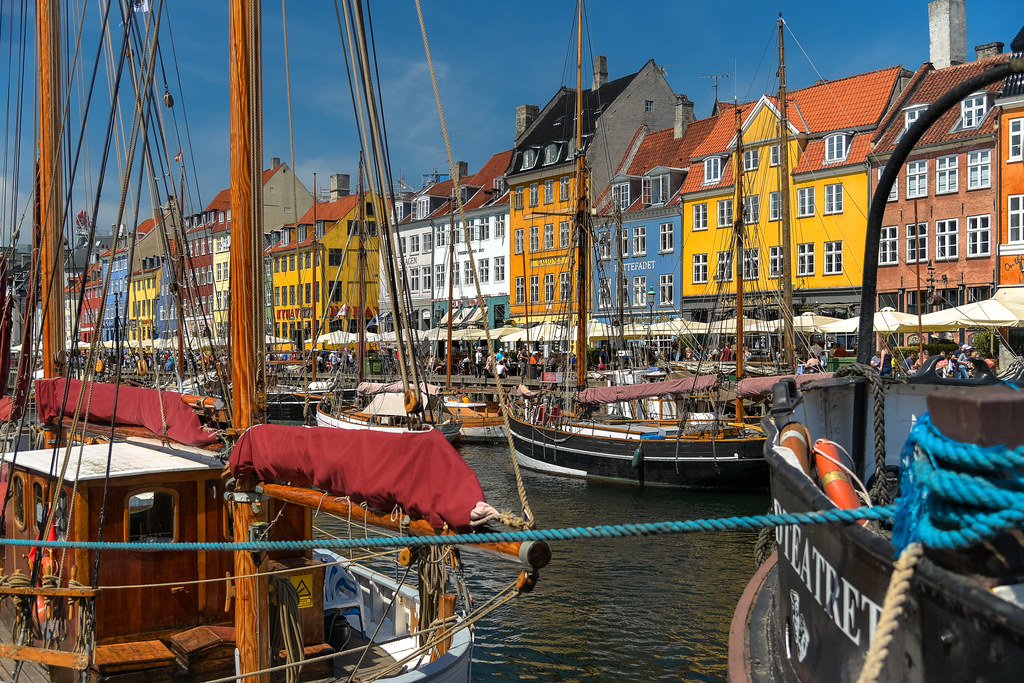
Fly into Copenhagen, spend three days, take the train across the Öresund Bridge and up to Stockholm (about five hours) for three more, fly home from there. Open-jaw flights (into one city, out of another) save you backtracking and rarely cost more.
10 Days: The Classic Triangle
Three days Copenhagen, train to Gothenburg for a night or two (Sweden’s friendly second city, and the natural midpoint), three days Stockholm, fly to Oslo for two days, out from Oslo. Alternatively, swap Oslo for Bergen and end among the fjords.
14 Days: Capitals Plus Fjords
The full experience: Copenhagen (3), Stockholm (3), fly to Bergen (2), fjord cruise or the famous Norway in a Nutshell rail-and-ferry route (1 to 2), Oslo via the scenic Bergen Railway (2), fly home from Oslo. This is the itinerary we’d hand a friend planning their first big Nordic trip.
Whatever you build, resist adding Helsinki, Iceland, and the Faroes to the same trip. They’re wonderful. They’re also separate trips.
Step 4: Understand Getting Around
Trains connect Copenhagen, Gothenburg, Stockholm, and Oslo comfortably; book 60 to 90 days ahead for the cheapest fares. The Bergen Railway between Oslo and Bergen is one of Europe’s great scenic rides, so do it in daylight.
Flights make sense for the long hops (Stockholm to Bergen, or anything into the Arctic). SAS and Norwegian cover the region densely, and one-hour flights routinely beat seven-hour trains when time is short.
Ferries are half transport, half sightseeing: the Öresund crossing, Stockholm’s archipelago boats, and Norway’s coastal and fjord ferries. In Norway, ferries are simply part of the road network, and they’re a joy.
Cars are unnecessary in the capitals (parking is brutal) but transform a Norway nature week, opening up beaches, fjord back roads, and trailheads on your own schedule. Book automatic transmissions early; they sell out.
Step 5: Budget Realistically
Scandinavia sits near the top of world travel costs, but it’s manageable with honest numbers. As a planning baseline for mid-range travelers, we’d figure per person per day: $120 to $200 for hotels (double occupancy), $50 to $80 for food, $20 to $40 for local transport and sights. Norway runs hottest, Sweden a notch lower, Denmark in between, though Copenhagen hotels can spike.
Our biggest savers, learned the expensive way: eat your main meal at lunch when restaurants run set-menu deals, embrace hotel breakfast buffets and grocery-store picnics, drink tap water (it’s superb everywhere), use city transit passes, and remember that most of the region’s beauty (harbors, old towns, hikes, beaches) is free. Cards are accepted literally everywhere; we never touched cash in three weeks. For the line-by-line version, see our full Scandinavia trip cost breakdown.
Step 6: Book in the Right Order
- Flights first, ideally open-jaw, four to six months out for summer travel.
- Hotels second, especially Copenhagen and Stockholm in June through August and anywhere in Norway’s fjord country in July.
- Long-distance trains when booking opens, usually about three months ahead.
- Marquee activities two to four weeks out: fjord cruises, Pulpit Rock buses, food tours, and northern lights trips in winter all sell out at peak times.
- Restaurants: the famous New Nordic spots book weeks ahead; everything else takes walk-ins happily.
Where to Book
- Hotels: Booking.com’s Scandinavia listings let you compare across all three countries; filter for included breakfast, which is standard and worth prioritizing here.
- Tours and activities: Viator’s Scandinavia tours cover fjord cruises, canal tours, food walks, and northern lights excursions; book the weather-dependent ones with free cancellation.
Chasing the Northern Lights
If the aurora is on your list, plan it as its own leg rather than an add-on. You need to be far north (Tromsø is the classic Norwegian base, well above the Arctic Circle), you need darkness (roughly late September through March), and you need patience, because the lights answer to solar activity and cloud cover, not itineraries. Give yourself at least three nights in the north to raise your odds, book a guided chase for at least one of them (guides drive to clear skies, which matters more than any other factor), and treat a sighting as a bonus rather than the trip’s only goal. The Arctic days are wonderful anyway: dog sledding, fjord safaris, sauna culture, and the strange blue polar twilight that photographs like nothing else. Combine three nights in Tromsø with three or four in a capital and you have a superb week-long winter trip.
Practical Details Worth Knowing
Currencies: three countries, three kroner (Danish, Swedish, Norwegian), none of them the euro. Pay by card and let the bank sort it out; always choose to be charged in local currency.
Language: English is spoken almost universally and cheerfully. Learning “tak/tack/takk” (thanks) goes a long way anyway.
Weather: pack layers and a real rain jacket in every season. We’ve used gloves in June in Bergen and eaten outdoors in October in Copenhagen. Assume four seasons per day and you’ll be dressed right.
Opening hours: Sundays are quiet, especially in Norway, where many shops close. Plan museums and hikes for Sundays and shopping for Saturdays.
Tipping: service is included. Rounding up or leaving 5 to 10 percent for great service is generous by local standards.
What to Pack
Scandinavia packing comes down to one word: layers. A waterproof shell, a warm mid-layer, and quick-dry basics cover you from Copenhagen drizzle to fjord-top wind, all year. Comfortable waterproof walking shoes matter more than anything fashionable; these are walking cities with cobblestones and weather. Summer travelers should add a sleep mask (the midnight sun is real, and blackout curtains are not universal) and a swimsuit for saunas and harbor baths. Winter travelers need proper insulated boots, thermals, and traction if heading north for the aurora.
Two things we always bring now: a power strip (Nordic hotel rooms are strangely outlet-poor) and a packable tote for grocery-store picnics, since bags cost extra everywhere. Leave room in your suitcase; Scandinavian design shops are dangerous.
Scandinavia with Kids
We get asked about this a lot, and the answer is: it might be Europe’s easiest region for family travel. Copenhagen alone justifies the trip with Tivoli Gardens, and Stockholm’s Djurgården island packs the Vasa warship museum, Skansen’s open-air zoo, and the ABBA museum into one green, stroller-friendly package. Trains beat flights with kids here: seat reservations, play areas on many Swedish services, and scenery that outcompetes a screen. Norway’s fjord ferries feel like adventures rather than transit. Baby-changing facilities are everywhere, kids’ menus are standard, and the general child-friendliness of Nordic culture means nobody glares when your toddler melts down in a design museum. Budget note: children ride free or heavily discounted on most city transit, and many museums are free for under-18s.
Common Planning Mistakes to Avoid
We’ve made most of these ourselves, so you don’t have to. Don’t try to cover all three countries in one week: you’ll see train stations, not Scandinavia. Don’t skip booking summer fjord-region hotels early, because the good ones vanish by spring. Don’t assume winter is a dead season, since it might be the region’s coziest secret. Don’t rent a car for a capitals-only trip, and don’t visit Norway without at least one boat ride, because seeing the fjords from the water is the whole point.
Quick Answers to Common Questions
How many days do you need? Seven is the honest minimum for two cities; ten to fourteen lets you add the fjords without rushing. Is it safe? Among the safest regions on earth; normal city awareness is plenty. Do you need visas? Americans get 90 visa-free days across the Schengen area, which covers all three countries seamlessly, with no border checks between them. Which capital should you pick if you can only do one? Copenhagen for food and charm, Stockholm for beauty and museums; we’d flip a coin and be happy either way.
Our Bottom Line
Plan Scandinavia like you’d cook a Nordic meal: a few excellent ingredients, given room to shine. Two capitals and a fjord beat five countries and a blur, whatever the season. Start with the trip type, lock the season, build the route around one country per week, and book flights, hotels, trains, and activities in that order. Do that, and the region does the rest.
Ready to build your route? Start with our city guides to Copenhagen, Stockholm, and Bergen, and run your numbers against our Scandinavia cost guide before you book. Happy planning, and pack the rain jacket.
Keep Reading