Disclosure: This post contains affiliate links. If you book through our links, we may earn a small commission at no extra cost to you. Thanks for supporting Faceted Travel!
Table of Contents
Stockholm made us rethink what a capital city can feel like. We stepped off the airport train expecting another handsome European downtown, and within an hour we were standing on a 700-year-old lane in Gamla Stan watching sailboats thread between islands in the middle of the city. Fourteen islands, actually, stitched together by 57 bridges, with water so clean that locals swim off the docks on their lunch breaks.
After building out our Scandinavia trips through Norway and Denmark over the past couple of years, Stockholm was the missing piece, and it might be the most complete city of the three.
Why Stockholm Is Worth the Trip
Stockholm spreads across an archipelago where Lake Mälaren meets the Baltic Sea, and the water is not scenery here, it is infrastructure. Ferries function like buses. Kayakers commute. Every neighborhood has a swimming dock. The city feels simultaneously grand (royal palaces, broad boulevards, gilded concert halls) and outdoorsy in a way that reminded us of home in Denver, if Denver traded its mountains for islands.
Then there is the design. Sweden basically exported the idea that everyday objects should be beautiful, and you feel it everywhere: the subway stations are an underground art gallery, the coffee shops look like magazine spreads, and even the hardware stores are weirdly photogenic.
We came for three days and left convinced it deserves five. If you are building a bigger Nordic loop, Stockholm pairs naturally with the cities in our Copenhagen, Denmark travel guide and our Oslo, Norway travel guide, with fast trains and short flights connecting all three.
Best Time to Visit Stockholm
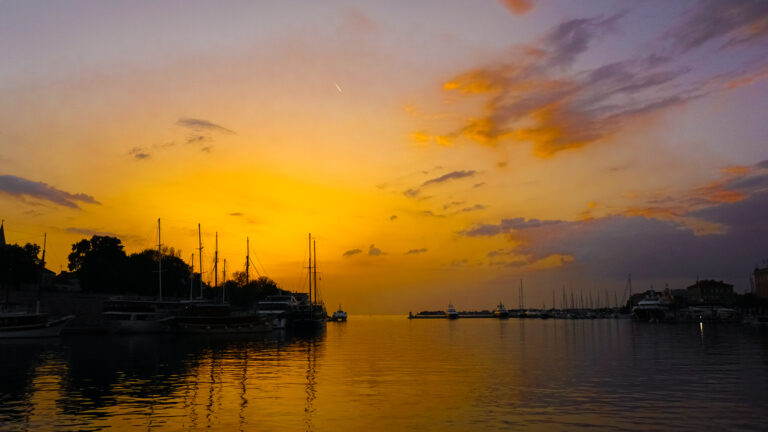
Late May through early September is Stockholm at full power. The days stretch to 18 hours of light around midsummer, the archipelago ferries run full schedules, and the whole city moves outside to parks, terraces, and swimming docks. This is when Stockholm earns its reputation.
September and October bring crisp air, golden light on the water, and thinner crowds. Most attractions stay open, prices dip, and the city feels like it belongs to locals again.
December is dark but genuinely charming: Christmas markets in Gamla Stan, candles in every window, and saffron buns everywhere. Just know you are getting roughly six hours of daylight.
January through March is for a specific traveler: museum lovers, sauna devotees, and anyone chasing low-season hotel rates. We would not make it a first visit.
Our take: aim for June or late August. June gets you the light; late August gets you warm water, functioning everything, and slightly saner prices.
Things to Do in Stockholm
Get Lost in Gamla Stan
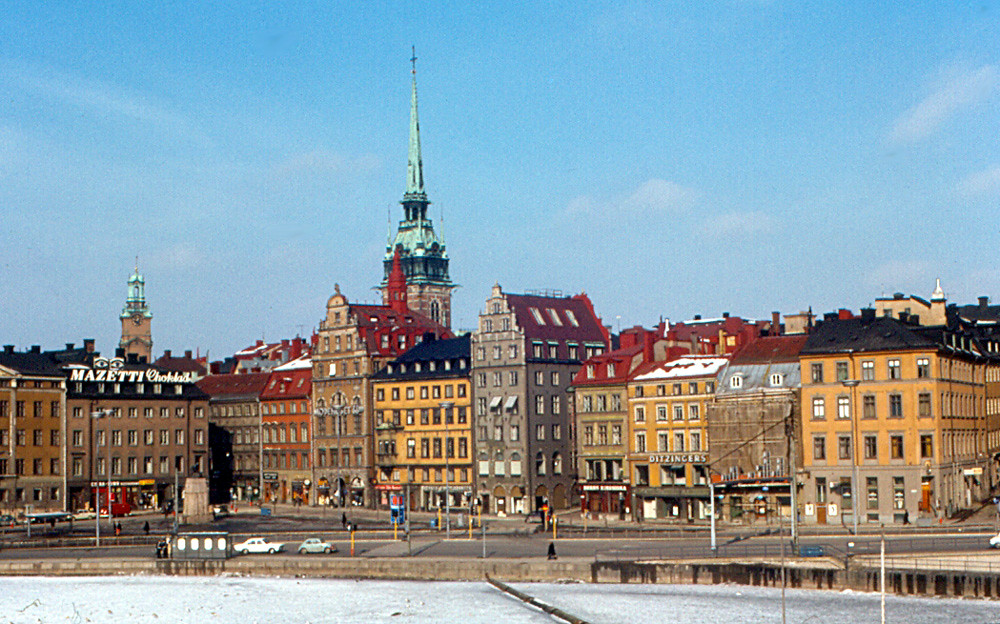
Stockholm’s old town is one of Europe’s best preserved medieval centers, a compact island of ochre and rust-colored buildings leaning over cobbled lanes. Yes, the main drag (Västerlånggatan) is touristy. Step one street in either direction and it empties out. Find Mårten Trotzigs Gränd, the city’s narrowest alley at 35 inches wide, then wander to Stortorget, the main square where the Nobel Museum sits in a building the color of baked terracotta.
The Vasa Museum
In 1628, Sweden launched its most ambitious warship. It sailed roughly 1,400 yards, tipped over, and sank in the harbor, where cold brackish water preserved it almost perfectly for 333 years. The salvaged ship now fills a purpose-built museum on Djurgården, and it is genuinely jaw-dropping: a complete 17th-century warship, 226 feet long, carved bow to stern. This was the single best museum hour of our Scandinavia travels. Go at opening or after 4pm to dodge the tour groups.
Djurgården’s Museum Island
The Vasa shares its island with Skansen (the world’s oldest open-air museum, with historic buildings and Nordic wildlife), the ABBA Museum (more fun than either of us will admit in print), and the Viking Museum. You could fill two full days on Djurgården alone. The island is also simply a beautiful park; rent bikes and loop the water’s edge.
Ride the Subway for the Art
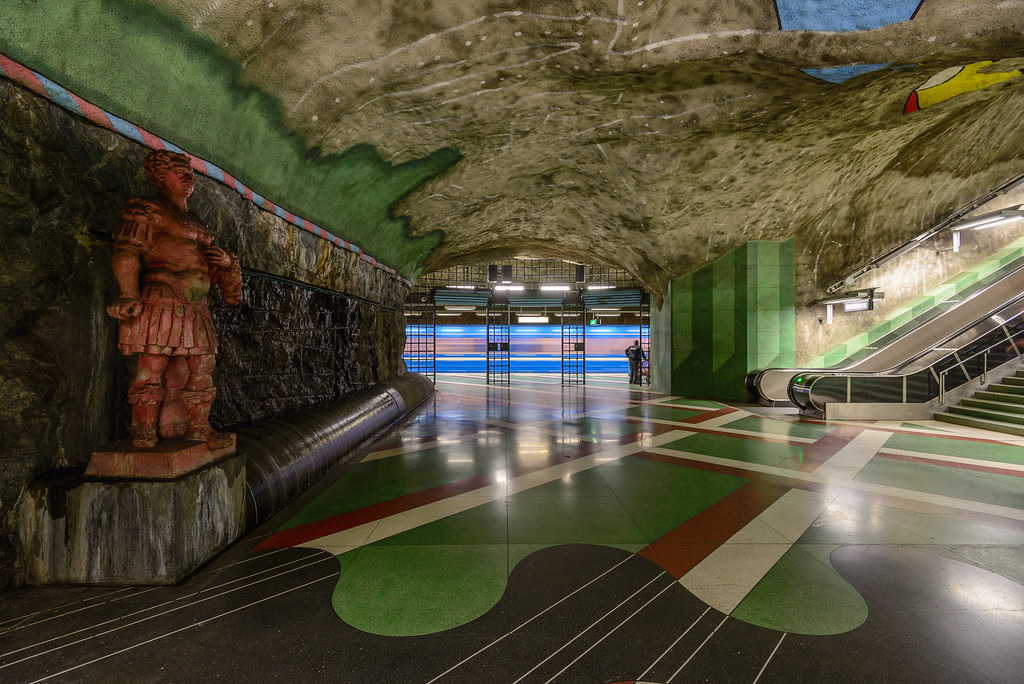
More than 90 of Stockholm’s metro stations are decorated by artists, and the deep-bore stations are the showstoppers: Kungsträdgården looks like an excavated ruin, T-Centralen’s blue vines calm the busiest platform in Sweden, and Solna Centrum glows like a forest fire. A single ticket lets you hop between them, and it is the cheapest world-class art tour in Europe.
Ferry Into the Archipelago
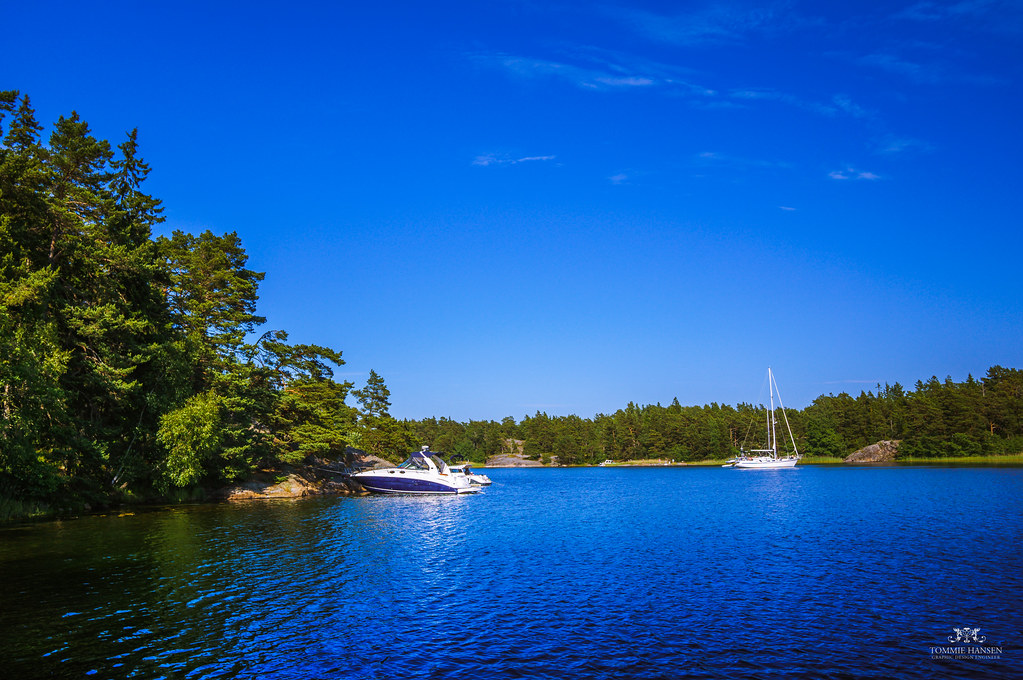
Nearly 30,000 islands scatter east of the city, and the classic day trip is a Waxholmsbolaget or Cinderella boat to Vaxholm (about an hour, cute town, fortress) or deeper out to Grinda or Sandhamn. Pack a picnic, claim a spot of granite shoreline, and swim if it is warm. This was our favorite day in Stockholm and it cost about as much as a nice lunch.
Swim and Sauna Like a Local
Stockholm’s water is clean enough to swim in the middle of the city, and locals treat the shoreline as a public amenity. The rocks at Långholmen and the wooden decks at Tantolunden fill up on any warm afternoon, and nobody thinks twice about a lunchtime dip. For the full Nordic experience, book a session at a waterfront sauna and alternate between the heat and a plunge into the Baltic. We were skeptical. We are now the people who talk about cold plunges at dinner parties. Sorry.
Fika Like You Mean It
Fika is the Swedish coffee-and-pastry pause, and it is closer to a daily ritual than a snack. Order a cardamom bun (kardemummabulle) over the cinnamon version at least once; they are the connoisseur’s pick. We became regulars at the classic bakeries in Södermalm, the hilly southern island that also happens to have the city’s best viewpoints (walk Monteliusvägen at sunset) and its most interesting shopping.
Day Trips From Stockholm
Drottningholm Palace
The Swedish royal family’s actual residence sits on an island in Lake Mälaren, and the best way to arrive is the way royalty did: by steamboat from the city hall, about an hour of easy cruising past leafy shorelines. The palace is a UNESCO site with a rare surviving 18th-century court theater that still uses its original stage machinery, and the baroque gardens are free to wander. Half a day, door to door.
Uppsala
Forty minutes by train, Sweden’s ancient university town packs the country’s largest cathedral (Gothic, brick, enormous), the Gustavianum museum with its anatomical theater, and the grassy royal burial mounds of Gamla Uppsala, where pre-Viking kings were laid under earth pyramids in the 500s. It reads like a compact Scandinavian Oxford and makes an easy, cheap escape.
Sigtuna
Sweden’s oldest town (founded around 980) is all wooden houses, rune stones standing casually along the main street, and lakeside cafés. It is small enough to see in three hours and pairs well with an Arlanda-adjacent final night, since it sits 15 minutes from the airport.
A Perfect Three-Day Stockholm Itinerary
Day 1: Gamla Stan in the morning while the lanes are quiet, the Royal Palace or Nobel Museum, then cross to Södermalm for lunch and spend the afternoon between viewpoints, vintage shops, and fika. Sunset from Monteliusvägen.
Day 2: Djurgården day. Vasa Museum at opening, Skansen or the ABBA Museum after, picnic in the park, then rent bikes and loop the island’s waterside paths. Dinner in Östermalm and a peek inside the food hall before it closes.
Day 3: Archipelago day. Morning boat to Vaxholm or Grinda, swim off the rocks if the weather cooperates, seafood lunch by the dock, and back in the city by early evening for a final wander. If rain moves in, swap in the subway art tour and the city hall.
Where to Stay in Stockholm
Norrmalm/City puts you next to the central station, ideal for first-timers and day trips. Gamla Stan is the storybook option; rooms are small but you wake up inside the postcard. Södermalm is our pick for a second visit: creative, slightly cheaper, great food, and those views. Östermalm is the polished, upscale quarter near Djurgården’s museums.
Stockholm hotels are expensive in summer, but the standard is high across the board, and booking two to three months out makes a real difference.
What and Where to Eat
Swedish food went through a renaissance over the past two decades and Stockholm is its showroom. Beyond the obligatory meatballs with lingonberries (get them at a classic beer hall like Pelikan), look for toast skagen (shrimp on butter-fried bread), gravlax, and anything involving chanterelles in late summer. Östermalms Saluhall, the historic food hall, is perfect for a graze-everything lunch. Budget tip: lunch specials (dagens lunch) get you high-end cooking at nearly half the dinner price, and tap water arrives free and excellent everywhere.
Where to Book
- Hotels: Booking.com’s Stockholm listings cover every island; filter by Norrmalm for convenience or Södermalm for character, and book early for June through August.
- Tours and activities: Viator’s Stockholm tours include archipelago cruises, Gamla Stan walking tours, subway art tours, and Drottningholm Palace trips; the archipelago brunch cruise is a strong first-day pick.
- Flights: Arlanda has direct service from several US cities in summer. Our guide to the best time to book flights covers the windows that have saved us the most on Europe routes.
Practical Tips
- Getting around: buy the SL travelcard for the metro, buses, trams, and many ferries. The Arlanda Express train reaches the city in 18 minutes.
- Money: Sweden is nearly cashless. We did not touch a single krona bill all week; cards and phones work everywhere.
- Costs: Stockholm is pricey but honest about it. Alcohol is the real budget-buster; a fancy cocktail can hit $20. Grocery stores and lunch deals keep food costs reasonable.
- Language: everyone under 70 speaks flawless English. Learning “tack” (thanks) is still appreciated.
- Summer closures: many Swedes vacation in July, and some smaller restaurants close for weeks. Check hours before crossing town for a specific spot.
Stockholm With Kids
This might be Europe’s easiest capital for families. Junibacken on Djurgården brings Pippi Longstocking’s world to life with a story train that enchants kids and, honestly, worked on us too. Skansen doubles as a zoo with moose, lynx, and brown bears. Gröna Lund, the compact waterfront amusement park, runs summer evenings, and the archipelago ferries count as an adventure all by themselves. Strollers ride city buses free, changing facilities are everywhere, and restaurants hand out kids’ menus without being asked. Sweden takes childhood seriously and it shows.
Our Honest Take
Stockholm is the rare city that is both beautiful and livable, impressive and relaxed. It lacks the fairy-tale hygge branding of Copenhagen and the fjord drama that surrounds Oslo, and it quietly outdoes both as a complete city break: better old town, better museums, and an archipelago that turns any sunny day into a boat day. Give it four or five days, ride the ferries, take your fika seriously, and you will start checking Swedish real estate listings on the flight home. We did.
Building a Scandinavia trip? Pair this with our Copenhagen, Denmark travel guide and Oslo, Norway travel guide, then head north with our Bergen, Norway travel guide for the fjord side of the story.
Keep Reading