Disclosure: This post contains affiliate links. If you book through our links, we may earn a small commission at no extra cost to you. Thanks for supporting Faceted Travel!
Table of Contents
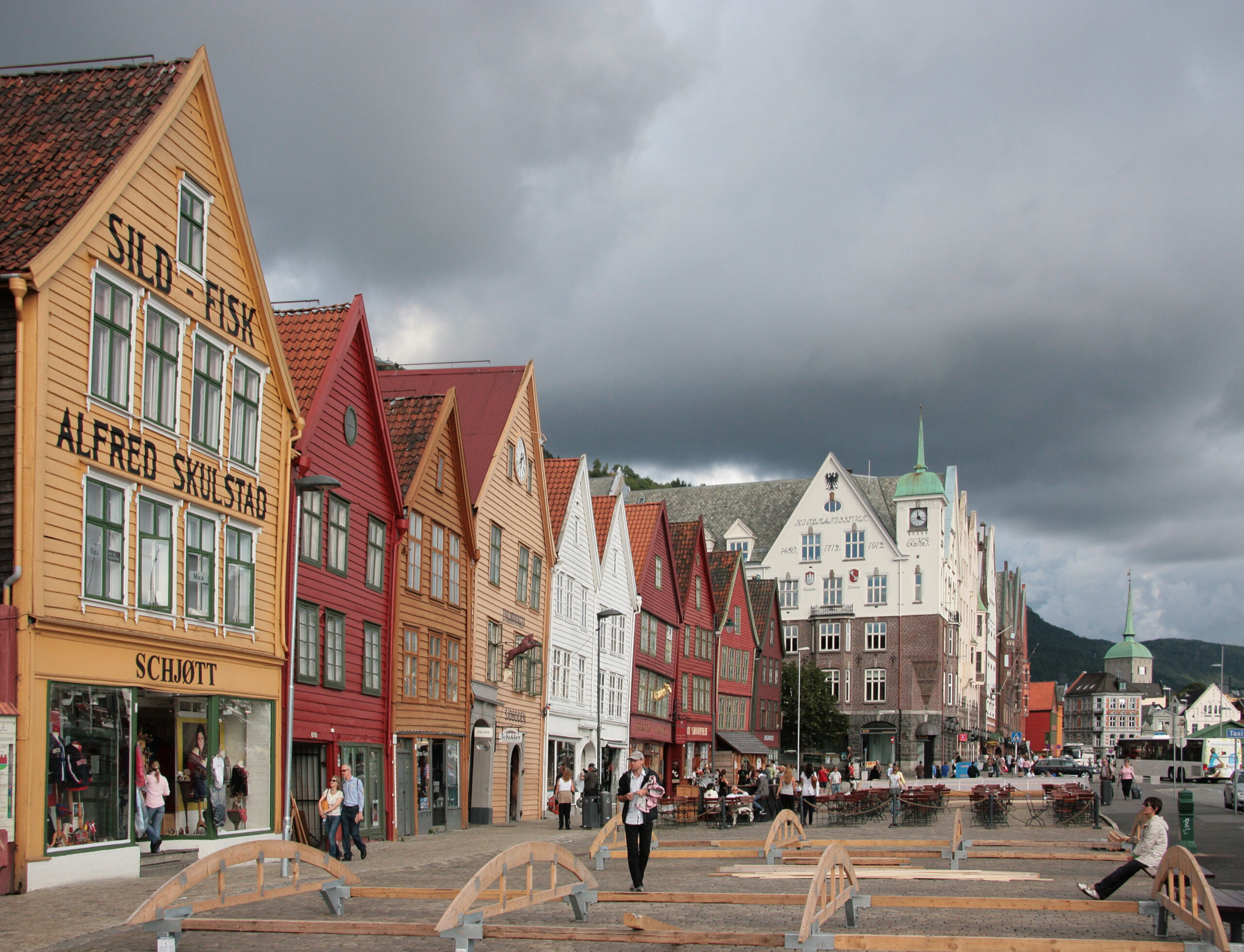
The first time we rounded the corner into Bergen’s old harbor and saw those crooked wooden warehouses glowing amber in the late-evening light, we both stopped walking and just stared. Todd actually said “no way” out loud, which is his highest form of praise, and we knew right then that this soggy, colorful, mountain-ringed city was going to be one of our favorites in all of Europe.
Bergen is Norway’s second-largest city, but it never feels big. It feels like a fishing village that happened to grow a symphony orchestra and a couple of art museums. Seven forested hills wrap around a compact center, cruise ships slide in and out of the fjord, and the whole place smells like salt water, rain, and fresh cinnamon buns. Best of all, Bergen is the single best launchpad for the Norwegian fjords, which are the reason most people put Norway on their list in the first place.
Here is everything we learned from our trip, including how to see the fjords without a rental car, where to eat, where to stay, and how to survive the rain (spoiler: you lean into it).
Why Bergen Belongs on Your Norway Itinerary
A lot of travelers treat Bergen as a quick overnight before a cruise or a fjord tour. We think that is a mistake. Give it two or three full days and you get a walkable, genuinely charming city plus the easiest access to the fjords anywhere in the country.
The city center is tiny enough to cross on foot in about twenty minutes. You have a UNESCO World Heritage wharf, a funicular and a cable car that both climb to jaw-dropping viewpoints, a famous fish market, and a cluster of good museums, all within a short walk of each other. Then, when you are ready for the big scenery, the train station and the fjord ferry docks are right there too.
Bergen is also the wettest city in Europe, and honestly that is part of the personality. Locals barely acknowledge the rain. They just pull up a hood and keep going, and after a day you find yourself doing the same.
Best Time to Visit Bergen
We visited in early September and would recommend it without hesitation. The summer crowds had thinned out, the days were still long, and the hillsides were just starting to turn.
Here is how the seasons break down, in our experience and from talking with locals:
Summer (June to August) is peak season for good reason. You get the famous midnight sun energy, long daylight, and the warmest, driest weather Bergen offers, though “dry” is relative here. Expect crowds and higher hotel prices, and book your fjord tours and rooms well ahead.
Shoulder season (May and September) is our sweet spot. Fewer people, softer prices, and the scenery is arguably at its best with either spring green or early-autumn color. Pack layers and a real rain jacket.
Winter (October to March) is moody, dark, and quiet, with a real shot at snow on the hills. Some fjord tours run on reduced schedules, but the city is cozy, prices drop, and you might catch the northern lights on a clear night if you head further north.
If timing your wider European trip feels overwhelming, our guide on the best time to visit Europe walks through the tradeoffs season by season.
How to Get to Bergen and Get Around
Most international travelers connect through Oslo, then either fly the short hop to Bergen or take the Bergen Railway, which is one of the most scenic train rides in the world. We flew in and trained out, and if we did it again we would take the train both ways just for the views across the Hardangervidda plateau.
Once you land, getting into the city could not be easier. The Bergen Light Rail (the Bybanen) runs straight from the airport to the city center in about forty-five minutes for a few dollars, which beats a pricey taxi.
Inside Bergen you will not need a car at all. Everything worth seeing is walkable, and the fjord tours pick up right from the harbor. We are big believers in skipping the rental car for city-plus-fjord trips like this one. If you are the type who likes a car for flexibility, the same logic we lay out in our how to plan a trip to Europe guide applies here: rent only for the stretches where you actually need it.
Best Things to Do in Bergen
Wander Bryggen, the Old Hanseatic Wharf
Bryggen is the postcard, and it earns it. This row of pointy wooden merchant houses dates back to the days when Bergen was a major hub of the Hanseatic League, the medieval trading network that ran across northern Europe. The buildings lean at odd angles, the alleys between them creak underfoot, and today they hold artist studios, little shops, and cafes.
Go early in the morning before the cruise crowds arrive, or in the evening after they leave. That golden light on the old timber is the shot you came for.
Ride the Fløibanen Funicular Up Mount Fløyen
The Fløibanen funicular climbs from the city center up Mount Fløyen in about eight minutes, and the view from the top is the one that will end up as your phone wallpaper. You look straight down over the red roofs, the harbor, the islands, and the fjord beyond.
Up top there are easy walking trails, a cafe, and, if you are lucky like we were, a few grazing goats. We hiked one of the loops for about an hour, then walked all the way back down through the forest, which is free and gorgeous.
Take the Cable Car Up Mount Ulriken
If Fløyen is the easy classic, Mount Ulriken is the bigger, wilder sibling. It is the highest of Bergen’s seven mountains, and the Ulriken cable car whisks you up to a rocky summit with panoramic views that stretch to the outer islands.
Serious hikers can do the famous “Vidden” trail between Ulriken and Fløyen, a several-hour ridge walk. We did not attempt it in September mist, but on a clear day it is supposed to be spectacular.
Browse the Fish Market
Bergen’s Fish Market has been feeding the city for centuries. The modern indoor hall is a little touristy and not cheap, but it is a fun stop for a bowl of creamy fish soup, a taste of smoked salmon, or, if you are feeling bold, a sample of whale or reindeer.
Dig Into Bergen’s Museums and Music
For a rainy afternoon, and there will be one, the KODE art museums hold a strong collection including works by Edvard Munch. Music lovers should make the short trip out to Troldhaugen, the lakeside villa of composer Edvard Grieg, where summer lunchtime piano concerts are a lovely tradition.
The Real Reason You Came: The Fjords
Here is the thing about Bergen. The city is wonderful, but the fjords are transcendent, and Bergen makes them shockingly accessible even without a car.
Norway in a Nutshell
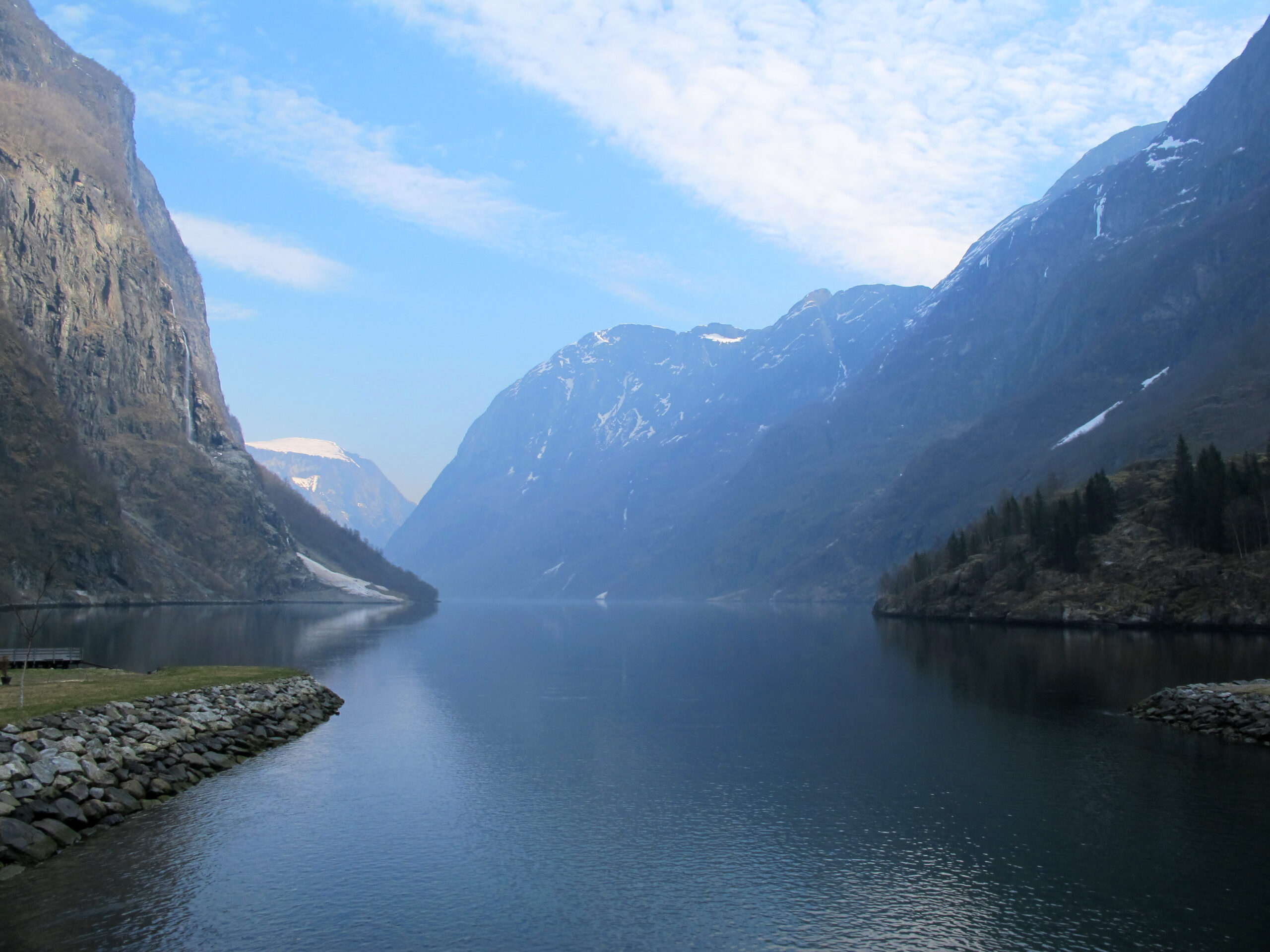
The most popular option is the self-guided “Norway in a Nutshell” route, which combines the Bergen Railway, the steep Flåm Railway, and a cruise on the Nærøyfjord, a narrow UNESCO-listed arm of the Sognefjord. You can do it as a long day trip from Bergen or as a one-way journey toward Oslo. The Flåm Railway alone, corkscrewing down past thundering waterfalls, is worth the ticket.
Shorter Fjord Cruises From the Harbor
If a full day feels like too much, several operators run shorter fjord cruises straight from Bergen’s harbor. The Mostraumen fjord cruise heads up the Osterfjord to a set of tidal rapids and gets you right under a waterfall, all in about three hours. It was our favorite half-day activity of the whole trip, and we booked it in advance so we were not scrambling for a spot.
Hardangerfjord Day Trips
Hardangerfjord, the second-longest fjord in Norway, is famous for spring apple blossoms, cascading waterfalls, and the vertiginous Trolltunga hike for the very fit. Guided day tours from Bergen make it doable without your own wheels.
We booked our fjord experiences through Viator so we could read recent reviews and cancel free if the weather turned, which in Norway is just smart planning. You can browse current Bergen fjord tours on Viator here and lock in the popular ones early, because they sell out in summer.
Where to Eat in Bergen
Norway is not cheap, and eating out is where the budget takes its biggest hit, so we mixed a few nice meals with plenty of bakery runs and grocery picnics.
Do not miss a skillingsbolle, the giant Bergen cinnamon bun, which became our unofficial daily breakfast. For a sit-down dinner, the restaurants around Bryggen serve excellent fresh seafood, though you pay for the setting. For value, we loved grabbing fish soup at the market, filling up at bakeries, and assembling picnics from the Rema 1000 and Kiwi grocery stores. A loaf of good bread, some brown cheese, and a lakeside bench is a very Norwegian kind of happy.
Where to Stay in Bergen
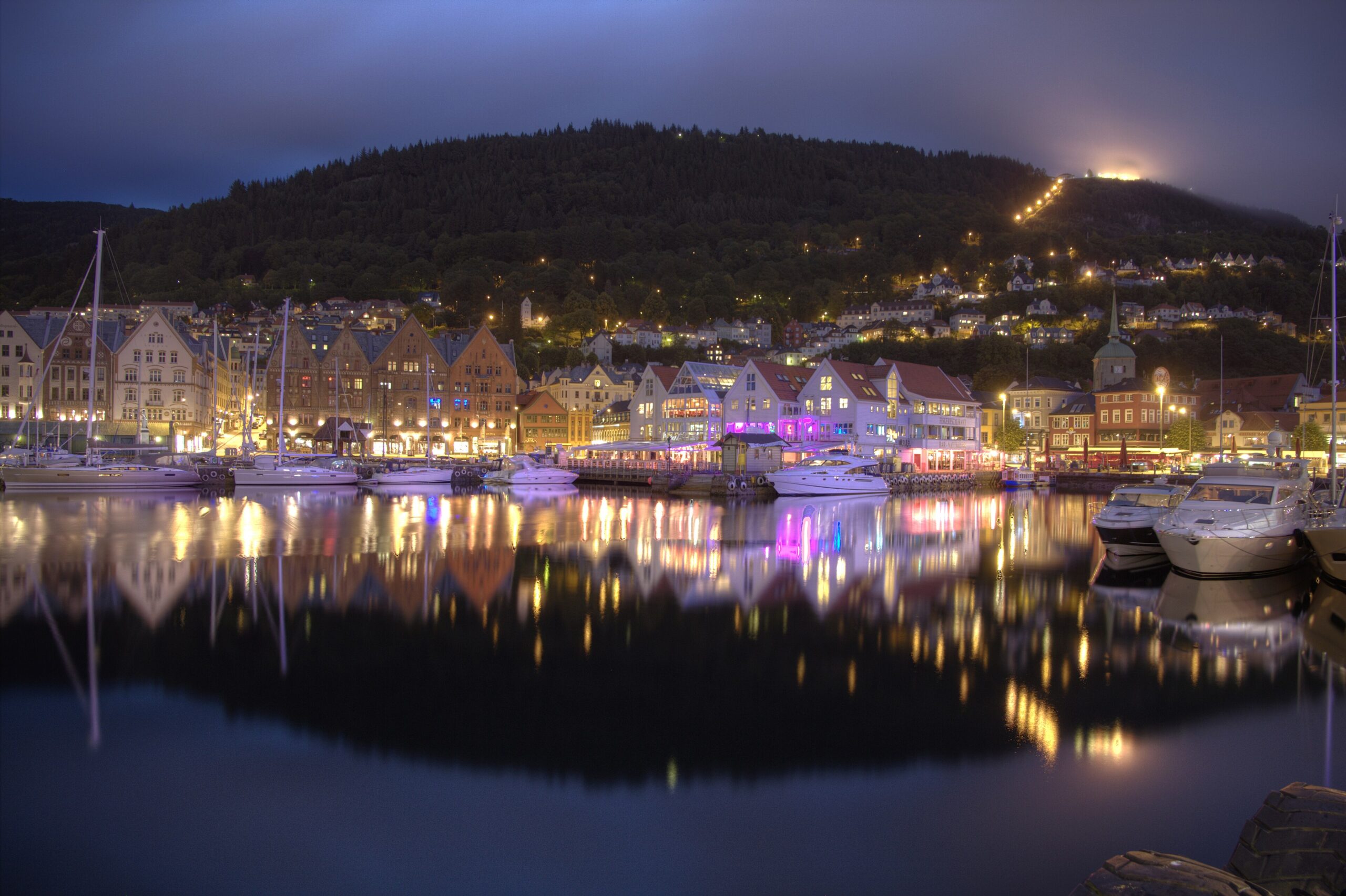
Because the center is so compact, we recommend staying within a ten-minute walk of Bryggen and the harbor so you can drop your bags and be at the funicular or the ferry in minutes.
Luxury: Opus XVI, a refined hotel in the heart of the center tied to the Grieg family, is a splurge-worthy pick with real character.
Mid-range: The Zander K and Thon Hotel Orion are both solid, comfortable, and well located near the wharf and station.
Budget: Bergen’s guesthouses and the well-run Marken Gjestehus hostel keep costs down, which matters in an expensive city.
Where to Book
We booked our stay through Booking.com because Bergen’s best-located hotels fill up fast in summer and free cancellation let us hold a room while we finalized dates. You can compare Bergen hotels on Booking.com here.
For fjord cruises, the Flåm Railway, and guided day trips, we use Viator for the flexible cancellation and verified reviews. Browse Bergen tours and fjord cruises on Viator and reserve the popular ones ahead of time.
If you are heading into the fjords, mountains, or ferries, decent travel insurance is worth it for weather delays and the occasional cancelled tour. We break down our approach in our guide to the best travel insurance for a Europe trip.
Practical Tips for Visiting Bergen
Embrace the rain. Bergen averages rain more than two hundred days a year. A proper waterproof jacket and shoes beat an umbrella, which the wind will destroy. Locals do not cancel plans for weather, and neither should you.
Bring layers. Even in summer, the fjords and mountaintops are cool. We were glad to have a fleece and a hat in September.
Budget realistically. Norway is expensive. Alcohol especially so. Picnics, tap water (which is delicious), and free hikes are your friends.
Buy fjord and train tickets early. In peak season the best cruises and the Flåm Railway sell out. Book ahead.
Use the light rail from the airport. It is cheap, fast, and drops you right in town.
Is Bergen Worth It?
For us, absolutely. Bergen delivers a rare combination: a genuinely charming, walkable city with world-class scenery a ferry ride away. It rained on us for parts of every single day, and we still left completely smitten, already talking about coming back to push deeper into the Sognefjord and up toward the Arctic.
If you love dramatic landscapes, cozy harbor towns, and the feeling of standing somewhere that looks unreal, Bergen and the fjords deliver. Pack a rain jacket, grab a cinnamon bun, and go.
Planning more of Europe? Do not miss our guides to Iceland on a Budget for another stunning Nordic adventure, Interlaken, Switzerland for more mountain-and-lake magic, and our master how to plan a trip to Europe guide to tie it all together.