Disclosure: This post contains affiliate links. If you book through our links, we may earn a small commission at no extra cost to you. Thanks for supporting Faceted Travel!
Table of Contents
We took the train from Porto to Pinhao expecting a pleasant ride and got one of the great scenic rail journeys in Europe instead. For the last hour the tracks run right along the river, close enough that the water fills the window, with terraced vineyards stacked up the hillsides like someone built a stadium around the Douro. Todd stopped talking. That does not happen often.
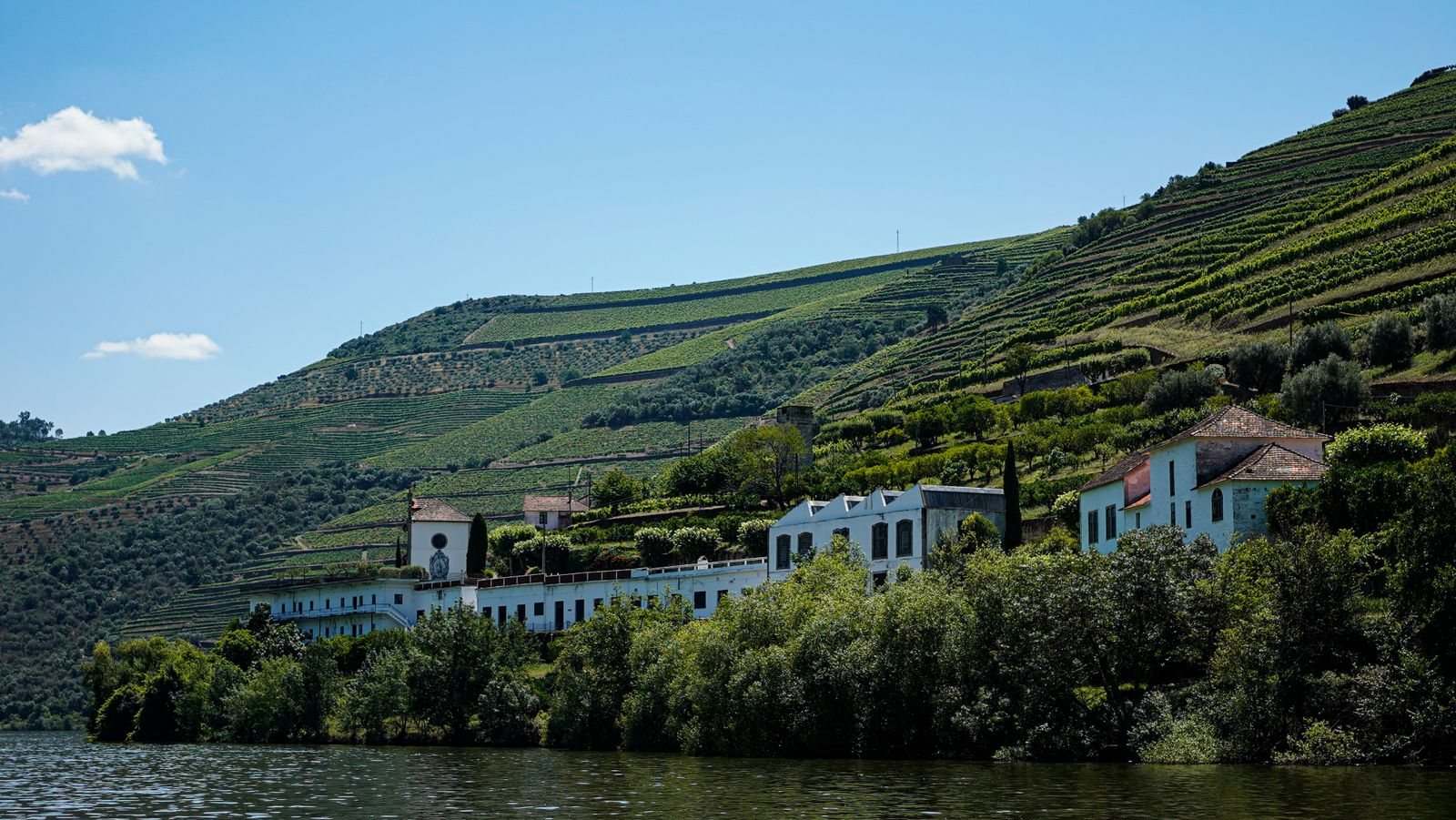
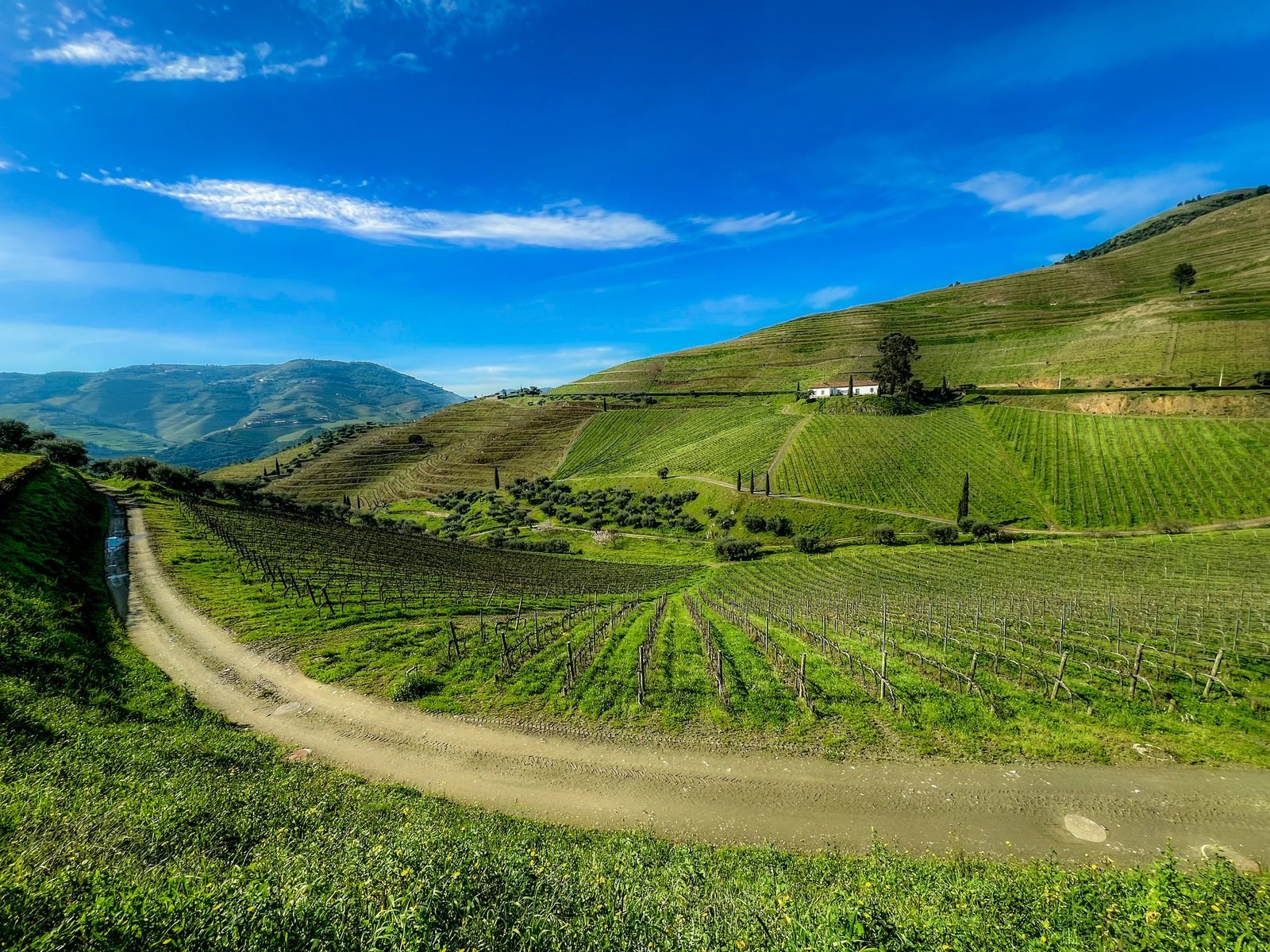
The Douro Valley is the oldest demarcated wine region in the world, older than Bordeaux or Chianti, and it is still shaped almost entirely by hand. The terraces were cut into schist by people with picks, and many of them are too steep and too narrow for any machine. That history is the whole experience here.
If you are already planning time in northern Portugal, this pairs perfectly with our Porto travel guide. Porto is where the port wine is aged and sold. The Douro is where it is actually born.
Where the Douro Valley Actually Is
The valley runs roughly 60 miles east from Peso da Regua toward the Spanish border, following the Douro River. Porto sits at the river’s mouth on the Atlantic, about 60 miles downstream from the western edge of the wine region.
It breaks into three sub-regions, and knowing them helps you choose where to stay:
Baixo Corgo is the westernmost and greenest, centered on Peso da Regua. It is the closest to Porto and the easiest to reach, but it is also the least dramatic.
Cima Corgo is the middle stretch around Pinhao, and it is the classic Douro of every photo you have seen. This is where most of the famous quintas sit. If you only have one base, make it here.
Douro Superior runs east toward Spain and is hotter, drier, and far emptier. Beautiful, remote, and better suited to a return trip.
How to Get There from Porto
By train. The Linha do Douro from Porto Sao Bento to Pinhao takes about 2 hours 15 minutes and costs under 15 euros. Sit on the right side heading east. This is the cheapest and honestly the most beautiful option, and no car means you can taste freely.
By car. Roughly 1 hour 45 minutes to Pinhao on the A4 motorway, or considerably longer on the N222, the river road that gets voted one of the best drives in the world. It deserves it. But if you drive, one of you is not drinking, and in a wine region that is a real cost.
By river cruise. Day boats run from Porto to Regua and back, usually with the return leg by train or bus. The scenery is lovely and the pace is slow. One full day of your trip disappears into it, so it is a better fit for people who want the valley as a taste rather than a stay.
By tour. A guided day trip from Porto is the efficient choice if you only have one day. You get two or three quinta visits, lunch, and no logistics.
Our honest recommendation: take the train to Pinhao, stay two nights, and hire a driver or book quinta transfers for the tasting day. That combination gave us the best trip.
Where to Stay
Pinhao is the hub. It is a small town, walkable in fifteen minutes, with a train station famous for its blue azulejo tile panels showing the harvest. Staying here means you can walk to the riverfront, take boat trips, and reach several quintas without a long drive.
Peso da Regua is bigger, has more services, and sits closer to Porto. Less charming, more practical.
The quintas themselves are where the Douro gets special. Many working wine estates now take overnight guests, and waking up inside a vineyard with the river below you is the memory people bring home. They range from restored farmhouses to genuinely luxurious hotels, and they book out months ahead for September harvest.
Lamego, up the hill from Regua, is worth knowing about. It has a baroque staircase of nearly 700 steps climbing to a hilltop sanctuary and it is a good non-wine afternoon.
Visiting the Quintas
Here is the single most useful thing we learned: almost every Douro quinta requires a reservation. This is not Napa. Many are small family operations with three staff, and turning up unannounced usually means a closed gate.
Book two or three visits, not five. Each one runs 60 to 90 minutes and includes a walk through the vineyards or the lagares, the shallow stone tanks where grapes are still foot-trodden during harvest. Pace matters, because port is fortified and the pours are not small.
A few that are set up well for visitors and easy to reach from Pinhao:
Quinta do Bomfim in Pinhao itself, walkable from the station, with a modern visitor center and a terrace over the river.
Quinta da Roeda, just outside town, known for a thorough vineyard walk.
Quinta do Seixo, high above the river with one of the best views in the valley and a very polished tour.
Quinta Nova, which combines a hotel, a restaurant, and a working estate, and makes an excellent lunch stop.
Quinta do Crasto, whose infinity pool jutting out over the terraces is one of the most photographed spots in Portugal. Visits are limited, so book early.
Ask for a tasting that includes both port and Douro DOC table wines. The still reds coming out of this valley have gotten seriously good in the last two decades and most visitors never try them.
What Else to Do Besides Drink
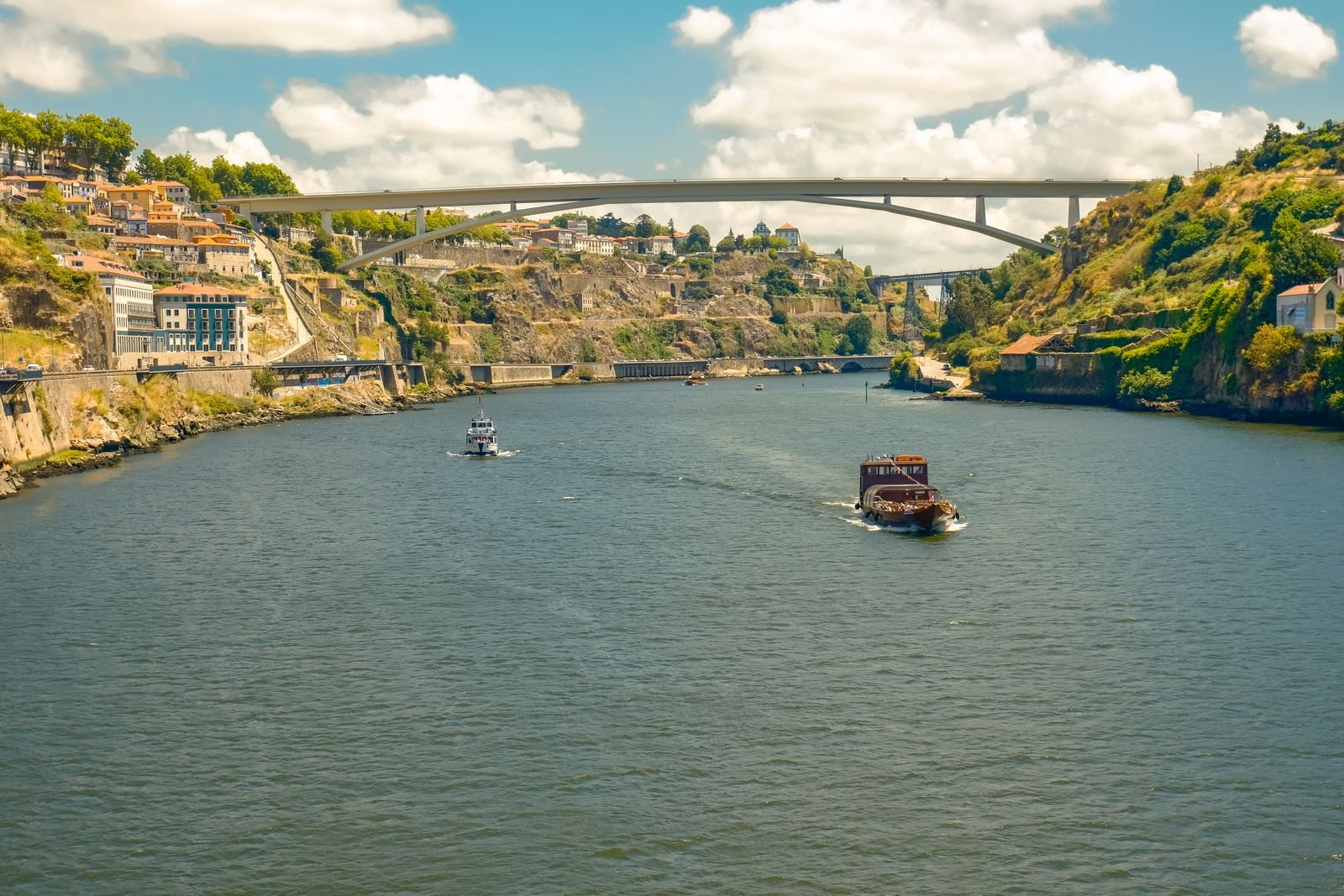
Take a rabelo boat trip. The traditional flat-bottomed boats once carried port barrels downriver to Porto. Now they run one hour loops from Pinhao. Cheap, scenic, and a good way to see the terraces from the water.
Drive or ride the N222 between Regua and Pinhao. Ten miles of switchbacks with the river below. If you are not driving, ask your quinta about a sunset transfer along it.
Visit Miradouro de Sao Leonardo de Galafura. A viewpoint above Regua that gives you the whole valley at once. Best in late afternoon.
Ride the Linha do Tua or continue east to Pocinho. The train beyond Pinhao runs through the emptiest, most striking stretch of the valley and almost nobody does it.
See the Foz Coa rock art. At the far eastern edge, a UNESCO site with paleolithic engravings along the river. It is a long detour but a genuine one-of-a-kind.
Come during harvest. Mid September through mid October, the vindima. Some quintas let guests join the picking and the foot treading. It is the busiest and most expensive time to visit and also the most alive.
What to Eat
Douro food is mountain food, not coastal food. Expect roasted meats, olive oil, and bread.
Posta mirandesa is a thick slab of beef from the local breed, salted and grilled, usually served rare. It is the regional signature.
Bacalhau a lagareiro, salt cod roasted with garlic and a great deal of olive oil, shows up everywhere.
Cabrito assado, roast kid goat, is the Sunday dish.
Presunto from the northeast is Portugal’s answer to jamon and it is underrated.
Olive oil from the Douro is excellent and cheaper here than anywhere. It is also easier to fly home with than wine.
For dessert, look for toucinho do ceu or the sweet convent pastries that northern Portugal does so well.
When to Go
May and June are our favorite window. The terraces are green, the wildflowers are out, temperatures sit in the 70s, and the quintas are not yet full.
September and October bring harvest, which is the most exciting time and the hardest to book. Reserve six months out for a quinta stay during vindima.
July and August get hot. The Douro is a river valley with schist walls and it holds heat, so 100 degrees Fahrenheit is normal. Quinta pools help.
November through March is quiet and often lovely, with mist in the mornings and low golden light. Some quintas close and boat trips thin out, but prices drop sharply.
We go deeper on national timing in our guide to the best time to visit Europe.
How Many Days
One day works as a trip from Porto if that is all you have, and you will still see something remarkable.
Two nights is the sweet spot. It gives you a full tasting day, a slow morning, and one evening on a terrace watching the light change on the terraces, which is the thing people actually remember.
Three or four nights if you want to reach the Douro Superior, do Foz Coa, or simply sit still. Nobody has ever regretted a slow day here.
What It Costs
The Douro can be a cheap day out or a genuinely expensive week, and the gap between those two versions is wider than anywhere else we went in Portugal.
The lean version. Round trip train from Porto runs about 30 euros for two people. A guesthouse room in Pinhao sits in the 70 to 110 euro range outside harvest. Quinta tastings run 15 to 30 euros per person for a standard visit. A rabelo boat loop is around 15 euros. Lunch at a village tasca with wine costs less than a coffee and a pastry in central Lisbon. Two nights all in, for two people, can land under 400 euros.
The splurge version. A room at a top quinta hotel with a river view runs 250 to 500 euros a night, more during harvest. Private driver-guides are 200 to 300 euros for a full day. Premium vintage port verticals can be 60 to 100 euros per person. Add a tasting menu dinner and two nights can cross 2,000 euros without much effort.
Our take: spend on the room, save on the tastings. The view from your terrace is what you are actually buying here, and a standard tasting at a good quinta tells you nearly as much as the expensive one.
Two practical notes. Cash still helps at smaller quintas and village restaurants. And shipping wine home is easy to arrange through most estates, which matters because Portuguese airline baggage rules do not love a case of port.
Where to Book
- Hotels and quinta stays: Search Douro Valley stays on Booking.com. Search Pinhao first, then widen to Regua and Lamego if inventory is tight. Quinta rooms are limited and go early for harvest season.
- Tours, tastings, and cruises: Browse Douro Valley tours on Viator. Day trips from Porto with two quinta visits and lunch are the best value here, and the private driver options solve the drinking-and-driving problem cleanly.
Our Honest Take
The Douro is the most beautiful place we visited in Portugal, and it is also the one most likely to be undersold by a day trip. A bus tour gives you the view. Two nights gives you the valley in the morning, when the mist sits in the river bends and the only sound is a tractor somewhere on a terrace above you.
If you are building a northern Portugal week, we would do three nights in Porto, two in the Douro, and the rest wherever you want. Add Sintra and Lisbon if you have ten days.
Keep planning your Portugal trip: Read our complete guide to planning a trip to Portugal for budgets and routing, our Porto travel guide for the city the port wine built, and our Madeira travel guide if you want to add the islands.