Disclosure: This post contains affiliate links. If you book through our links, we may earn a small commission at no extra cost to you. Thanks for supporting Faceted Travel!
Table of Contents
- Step 1: Decide How Long You Have
- Step 2: Choose Your Season
- Step 3: Sequence the Route
- Step 4: Sort Out Transport
- Step 5: Book Accommodation Strategically
- Step 6: Budget Realistically
- Step 7: Handle the Practical Details
- Step 8: Know What Eats Your Days
- Step 9: Build in Slack
- Where to Book
- Our Honest Take
Our first Portugal itinerary had eleven stops in twelve days and we scrapped half of it by day four. The country looks small on a map, and it is, but Portugal is the kind of place that punishes rushing. The good parts happen at a table, on a hill, at the pace of a second coffee.
This is the guide we wish we had written before that trip: how many days you actually need, how to sequence the country so you are not backtracking, when to go, what it costs, and where to spend the money. It pairs with our destination guides for Porto, Sintra, and the Algarve.
Step 1: Decide How Long You Have
Portugal splits neatly into three regions, and your trip length determines how many you can honestly do.
5 to 6 days: pick one region. Lisbon and its surroundings, or Porto and the Douro. Not both.
7 to 9 days: two regions. Lisbon plus Porto is the classic, with a day trip or two hanging off each.
10 to 14 days: all three. Porto and the Douro, Lisbon and Sintra, and the Algarve, connected by train and one rental car.
More than two weeks: add the Alentejo, which is the region most first-timers skip and most repeat visitors love, or fly to Madeira or the Azores for something entirely different.
The mistake we made was treating short drive times as permission to add stops. Two and a half hours between cities sounds trivial until it is four of your fourteen days.
Step 2: Choose Your Season
Spring, roughly April to early June, is our top pick. Wildflowers in the Alentejo, comfortable walking weather in the cities, water in the Algarve just about swimmable by late May, and prices well below summer.
September and October are nearly as good and arguably better for the coast, since the sea is at its warmest after a summer of heating. Late September is when we would go if we could only choose one window.
July and August are hot, busy, and expensive, particularly in the Algarve and Lisbon. Inland Alentejo regularly clears 100 degrees Fahrenheit. If school calendars force your hand, book accommodation four to five months ahead.
Winter is mild, wet, and cheap. Lisbon rarely drops below the mid-40s Fahrenheit at night, museums are empty, and flights are a fraction of summer prices. You trade beach days for atmosphere. Our guide to the best time to visit Europe puts Portugal’s seasons in continent-wide context.
One thing worth knowing: Portugal’s north and south have genuinely different climates. Porto is green because it rains, including in spring. Pack a layer and a shell for the north even in June.
Step 3: Sequence the Route
The efficient shape for a two-week trip is a straight line north to south, flying into Porto and out of Faro. That avoids backtracking entirely and open-jaw flights usually cost about the same as a round trip.
The 10-day north-to-south route we would repeat
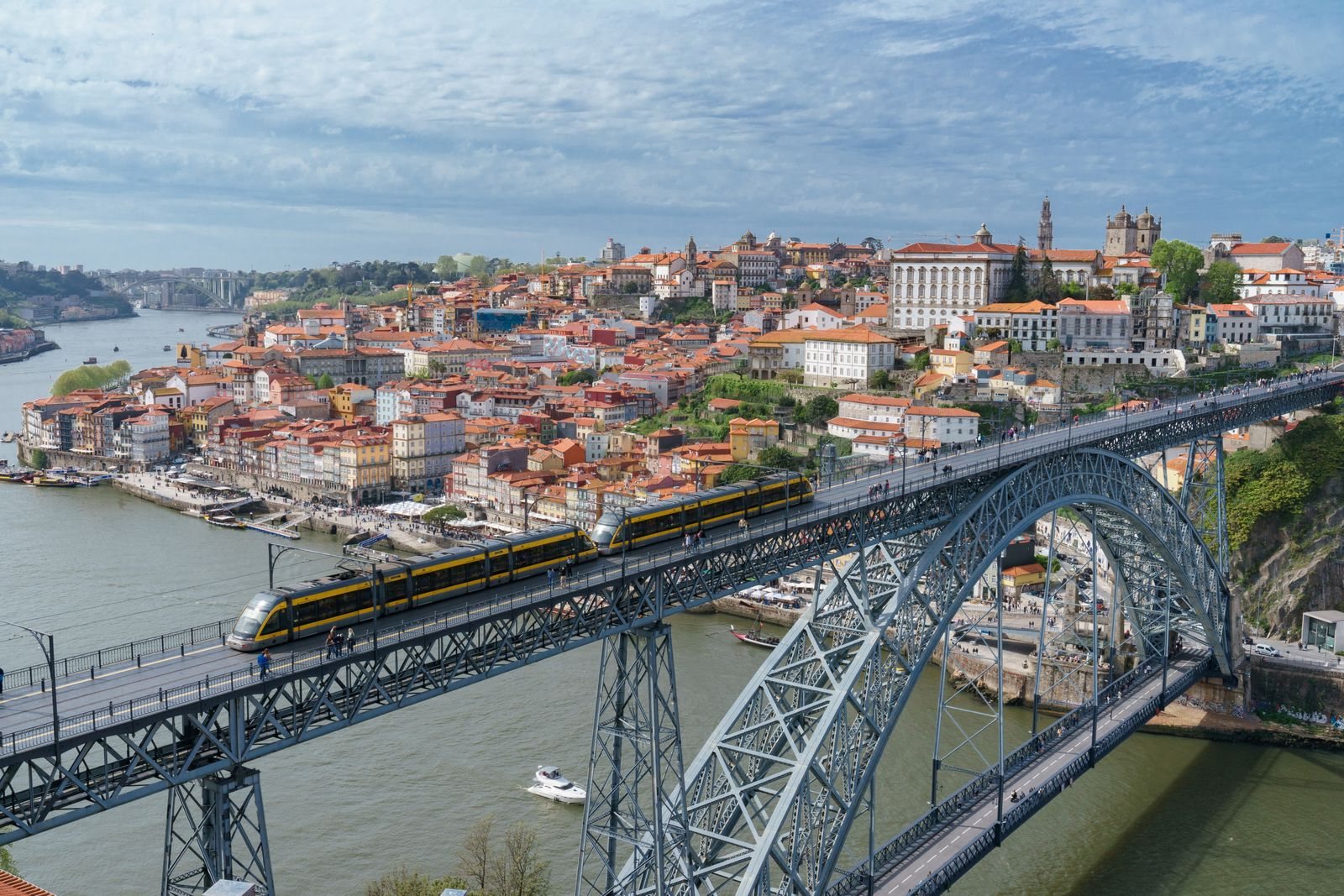
Days 1 to 3: Porto. Ribeira district, port lodges across the river in Vila Nova de Gaia, a Livraria Lello visit if bookshops are your thing, and a lot of walking on hills.
Day 4: Douro Valley. Either a day trip by train and boat or, better, an overnight at a quinta. The terraced vineyards are the most beautiful landscape in the country.
Day 5: travel south. Train to Lisbon, roughly three hours and genuinely pleasant. Consider a stop in Coimbra or Aveiro to break it.
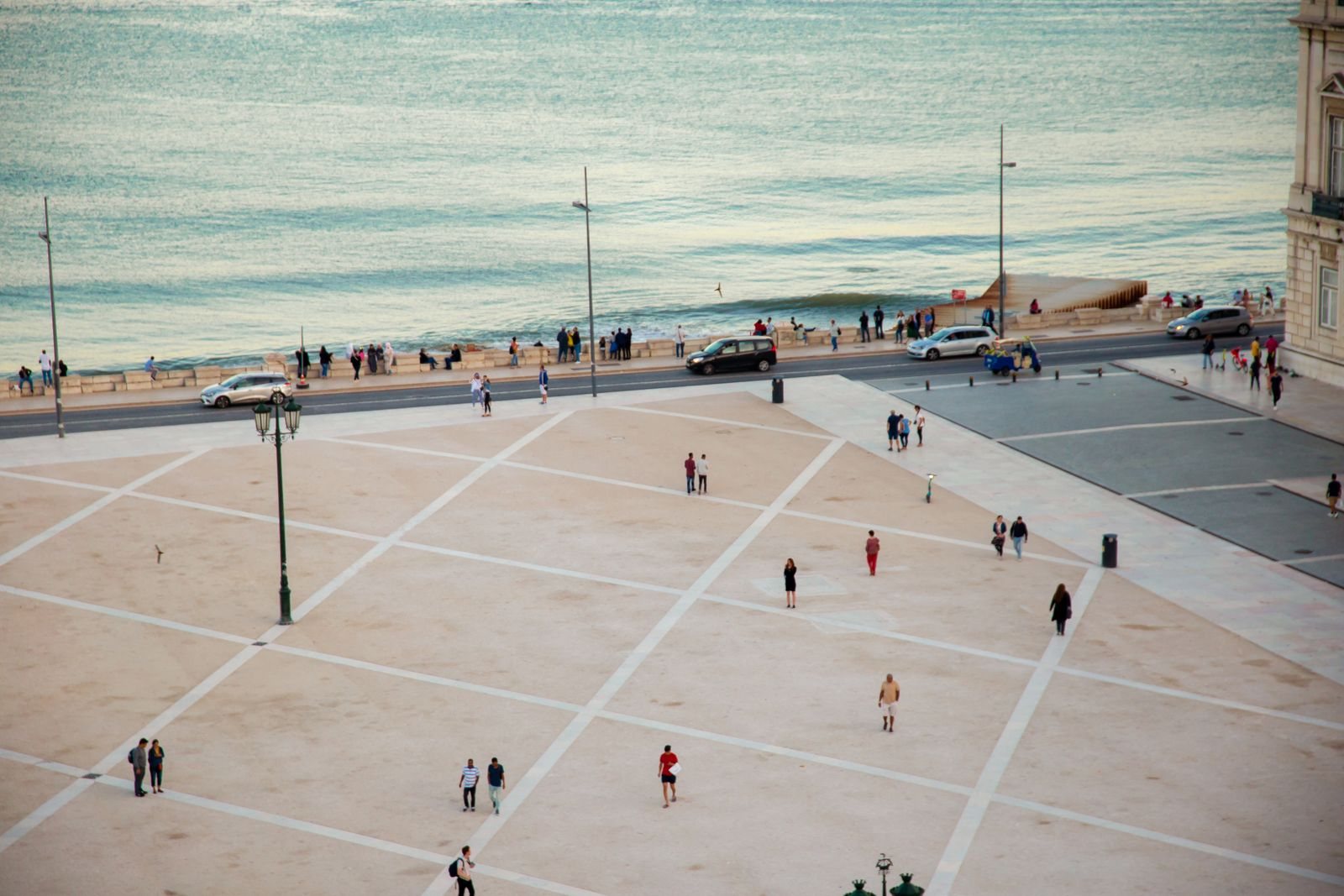
Days 6 to 8: Lisbon. Alfama, Belém, the Time Out Market, a tram ride you will regret at rush hour, and evenings of fado. Use our best things to do in Lisbon roundup to prioritize.
Day 9: Sintra. Do it as an overnight if you possibly can. Two palaces, not four.
Day 10 onward: the Algarve. Train to Faro or Lagos, pick up a car, and slow down for the last stretch.
If you only have a week, cut the Douro and the Algarve and give the time back to Porto and Lisbon.
Step 4: Sort Out Transport
Trains handle the spine of the country well. The Lisbon to Porto route is fast, comfortable, and cheap if you book on the Comboios de Portugal site a few weeks ahead. Lisbon to Faro is about three hours. Regional trains are slower but perfectly fine.
You want a car for two regions and nowhere else: the Douro Valley and the Algarve. In both, the best things are at the end of small roads. Everywhere else, a car is a parking problem you are paying for.
Do not drive in Lisbon or Porto. Both are hilly, tightly laned, and short on parking. Both have good metro and tram systems.
Accept the toll transponder when you rent. Several Portuguese motorways are electronic-only with no cash booths, and sorting the charges afterward is a genuine nuisance.
Domestic flights are rarely worth it on the mainland. They are essential for Madeira and the Azores.
Step 5: Book Accommodation Strategically
Portugal’s lodging is one of western Europe’s better values, but the good small places are small, and they sell out.
Book Sintra and the Douro first. Both have limited inventory and both fill months ahead in shoulder season.
Lisbon and Porto have deep inventory, so you have flexibility, but neighborhood matters enormously. In Lisbon, Príncipe Real and Chiado are central and calm-ish; Alfama is atmospheric and involves stairs and late-night noise; Bairro Alto is loud until 3am. In Porto, staying near Ribeira is beautiful and steep, while Cedofeita and Bonfim are flatter and cheaper.
In the Algarve, staying five minutes inland instead of beachfront cut our rates by roughly 40 percent.
Look for free-cancellation rates. Portuguese hotels discount fairly often, and being able to rebook at a lower price has saved us real money.
Step 6: Budget Realistically
Portugal is meaningfully cheaper than Spain, France, or Italy, which is a large part of its appeal. Rough per-day figures for two people, outside peak season:
- Budget: 110 to 150 euros a day. Guesthouses and hostels, trains, market lunches, one sit-down dinner.
- Mid-range: 180 to 260 euros a day. Good three- and four-star hotels, a rental car for part of the trip, restaurant meals, paid attractions.
- Comfortable: 350 euros and up. Heritage hotels and quintas, tasting menus, private tours, wine experiences in the Douro.
Specific costs that surprised people we know: attraction tickets add up because everything is separately ticketed, port lodge tastings run 20 to 30 euros a head for the good ones, and a Douro quinta lunch with wine pairing can hit 80 euros per person. Meanwhile a superb lunch of grilled fish, bread, and a glass of vinho verde in a neighborhood spot is often under 15 euros. If you want a comparison point for the region, our breakdown of how much a trip to Spain costs tracks close to Portugal on food and noticeably higher on lodging.
Step 7: Handle the Practical Details
Entry: Portugal is in the Schengen area. US, Canadian, UK, and Australian passport holders can visit visa-free for up to 90 days in any 180-day period. The EU’s new entry system requirements have been shifting, so check current rules a few weeks before you fly.
Money: euros. Cards are accepted almost everywhere, but small tascas, market stalls, and some rural spots are cash-preferred. Keep 50 to 100 euros on you.
Tipping: not obligatory and not expected at Portuguese levels of enthusiasm. Rounding up, or 5 to 10 percent for good restaurant service, is generous and appropriate.
The couvert: bread, olives, cheese, and sardine paste that arrive unrequested are charged for, usually 2 to 5 euros a head. Declining is completely normal and nobody minds.
Language: Portuguese, and it sounds nothing like Spanish. English is widely spoken in cities and tourist areas. “Bom dia,” “por favor,” and “obrigado” for men or “obrigada” for women go a long way.
Meal times: lunch runs roughly 12:30 to 3pm, dinner from about 7:30pm, later on weekends. Earlier than Spain, later than the US.
Power: European two-pin plugs, 230V. Bring an adapter.
Step 8: Know What Eats Your Days
A few Portugal-specific things reliably cost more time than travelers budget for, and knowing them in advance is worth a full day of your trip.
Hills. Lisbon and Porto are both built on absurd gradients. A one-mile walk on the map can involve 300 feet of climbing on wet cobbles. Lisbon’s funiculars and elevators exist for a reason and they are cheap. Factor in that you will move slower here than in a flat city, and that your legs will file a complaint on day three.
Timed tickets. Sintra’s palaces, Lisbon’s Jerónimos Monastery, the Livraria Lello in Porto, and most Douro quinta tours now use timed entry. That is good news for crowd control and bad news for spontaneity. Book the anchors of each day a week or two ahead and improvise around them.
Sunday and Monday closures. Many museums close Mondays, and smaller restaurants outside tourist areas close Sunday evening or all day Monday. Check before you build a day around one specific place.
Long lunches. A proper Portuguese lunch is not a 45-minute affair. If you plan a 1pm lunch and a 2:30 museum entry, you will be rushing the best part of the day.
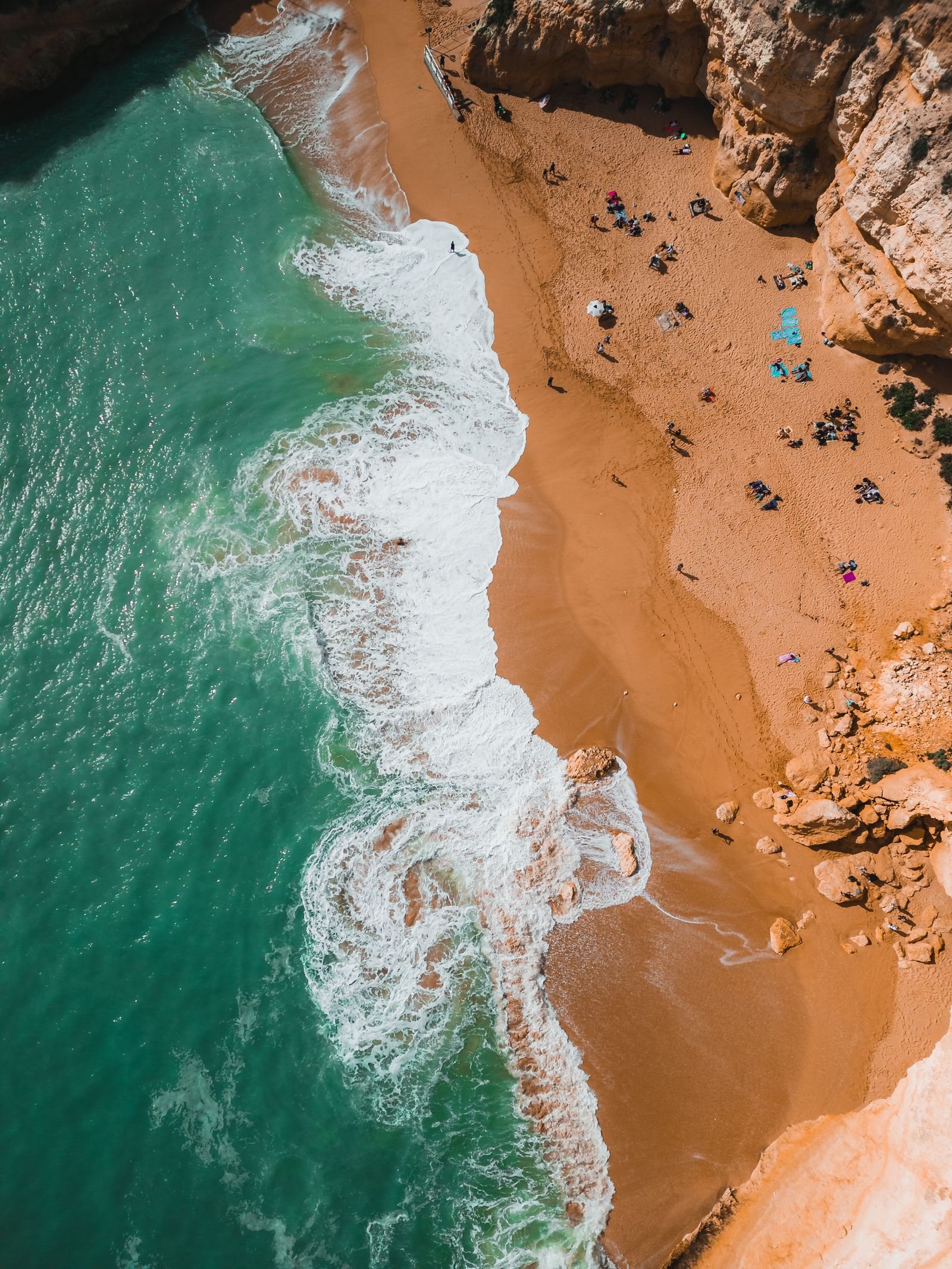
Getting to the Algarve’s good beaches. The staircase descents that keep the crowds down also mean 20 minutes down and 25 back up, per beach. Two beaches in an afternoon is a realistic maximum.
Step 9: Build in Slack
The single best change we made between our first Portugal trip and our second was cutting the itinerary by a third. Portugal rewards the unplanned afternoon: the miradouro you stumble onto at sunset, the second bottle at lunch, the tile-covered chapel on a side street.
Plan two things a day and leave the rest open. You will see less and remember more.
Where to Book
- Hotels: Booking.com’s Portugal listings cover the whole country, from Douro quintas to Lisbon boutiques to Algarve villas; book Sintra and the Douro first and be flexible on the cities.
- Tours and activities: Viator’s Portugal tours include Douro Valley wine days, Sintra skip-the-line palace entries, Lisbon food and fado evenings, and Benagil cave trips in the Algarve.
Our Honest Take
Portugal is the easiest country in western Europe to plan and the easiest to overplan. The logistics are simple: fly into Porto, ride the train south, rent a car for the two regions that need one, fly out of Faro. The hard part is resisting the urge to fill every day. Go in late September, give yourself ten days, pick three regions, and leave room to sit down.
Ready to get specific? Start with our Porto travel guide, our Sintra travel guide, and our Algarve travel guide.