Disclosure: This post contains affiliate links. If you book through our links, we may earn a small commission at no extra cost to you. Thanks for supporting Faceted Travel!
Table of Contents
We found Antibes by accident, looking for a cheaper base between Nice and Cannes, and it ended up being our favorite town on the French Riviera. That is not a small statement. The Riviera trades heavily on glamour, and glamour gets exhausting. Antibes has the same turquoise water and the same golden light, but it also has a walled old town where actual French people buy vegetables at a covered market that has been running for over a century, and a coastal path where the Mediterranean crashes against white rock twenty feet below you and nobody asks you for a beach club reservation.
Picasso lived and worked here in 1946 and left the town a museum’s worth of art to say thank you. That tells you something about the place.
Why Antibes Over Nice or Cannes
The honest answer: you do not have to choose. Antibes sits almost exactly between them, 20 minutes from each by train, which makes it the perfect base for the whole central Riviera. But the town itself earns the stay.
Nice is a real city, big and busy, with a pebble beach and a magnificent old town that fills shoulder to shoulder in summer. Cannes is polished and expensive and built around its film festival mythology. Antibes is a working town with a fishing port, a massive yacht harbor, ramparts you can walk on, and sandy beaches, actual sand, which is rarer on this coast than first-time visitors expect.
It is also cheaper to sleep and eat here than in either neighbor, and in the evening, when the day-trippers leave, the old town streets belong to residents having dinner. We wrote a full Nice, France travel guide and a Cannes, France travel guide, and we stand by both towns. We just keep recommending people sleep in Antibes.
Best Time to Visit Antibes
May, June, and September are the Riviera sweet spot: water warm enough to swim by June, temperatures in the 70s and low 80s, and crowds a fraction of August. September might be the single best month, with the sea at its warmest after a summer of heating up.
July and August are hot, packed, and expensive. The Riviera is the most visited coastline in France and August is when France itself goes on vacation. It is still beautiful, and evenings buzz, but book everything months ahead and expect to share.
October through April is the quiet season. Many beach restaurants close, but the old town stays alive year-round (unlike some Riviera resort towns that shutter completely), the light stays extraordinary, and hotel prices drop by half. We had a February afternoon on the ramparts, sea flat and blue, almost alone, that ranks among our best Riviera memories.
For the wider seasonal picture across the country, our guide to the best time to visit France breaks it down region by region.
The Best Things to Do in Antibes
Get Lost in the Old Town (Vieil Antibes)
The walled old town is small enough that getting lost is temporary and recommended. Narrow lanes of shuttered stone houses, tiny squares, ivy and bougainvillea everywhere, and the Mediterranean appearing at the end of alleys. Start at Porte Marine, wander inland, and let it happen.
The Marché Provençal
The covered market on Cours Masséna runs every morning except Monday in the off-season, and it is the beating heart of the town. Olives, tapenades, cheeses, socca, flowers, spices, and produce from the hills behind the coast. Go hungry, assemble a picnic, and take it up onto the ramparts. In the afternoons the market stalls give way to local artisans and craftspeople.
The Picasso Museum in Château Grimaldi
In 1946 Picasso was given the keys to the Grimaldi castle, a medieval fortress on the sea wall, to use as a studio. He spent six prolific months there and donated the work he made, so the castle became the first museum in the world dedicated to him. The collection is intimate rather than overwhelming, and the setting, stone terraces with sculpture against the blue of the bay, is half the experience. It takes 90 minutes and is the essential sight in town.
Walk the Ramparts and Find the Old Fishing Port
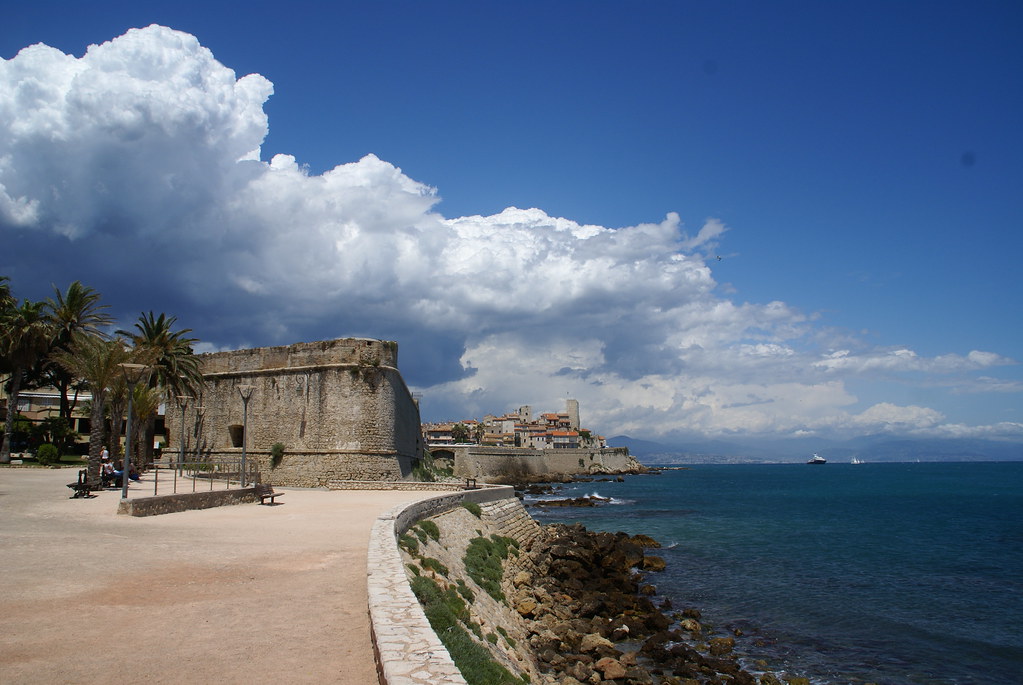
The 17th-century sea walls wrap the old town, and the walk along them at golden hour, with the Alps (sometimes snowcapped) visible across the Baie des Anges toward Nice, is the best free thing in Antibes. Below the ramparts sits the tiny fishing harbor of Port de la Salis and the postcard view back at the old town that ends up on every Antibes poster.
The Cap d’Antibes Coastal Path (Sentier du Littoral)
This is the thing we tell everyone to do. The peninsula south of town, the Cap d’Antibes, is where the billionaire villas hide behind hedges, but the coastline itself is public, and a roughly 5 kilometer walking path traces it: white limestone rock, pines leaning over the water, hidden coves for a swim, and the sea exploding against the shore when the wind is up. Start at Plage de la Garoupe and walk toward the Villa Eilenroc. Wear real shoes, bring water and a swimsuit, and give it a half day. It is free and it beats any paid excursion on this stretch of coast.
Plage de la Gravette and the Sandy Beaches
Right below the old town walls, la Gravette is a crescent of sand in a sheltered cove, calm and swimmable and absurdly convenient. Plage de la Salis, a 15 minute walk south, is the bigger family beach with the classic Cap d’Antibes backdrop. Both are free public beaches, which on the Riviera is worth celebrating.
Port Vauban and Fort Carré
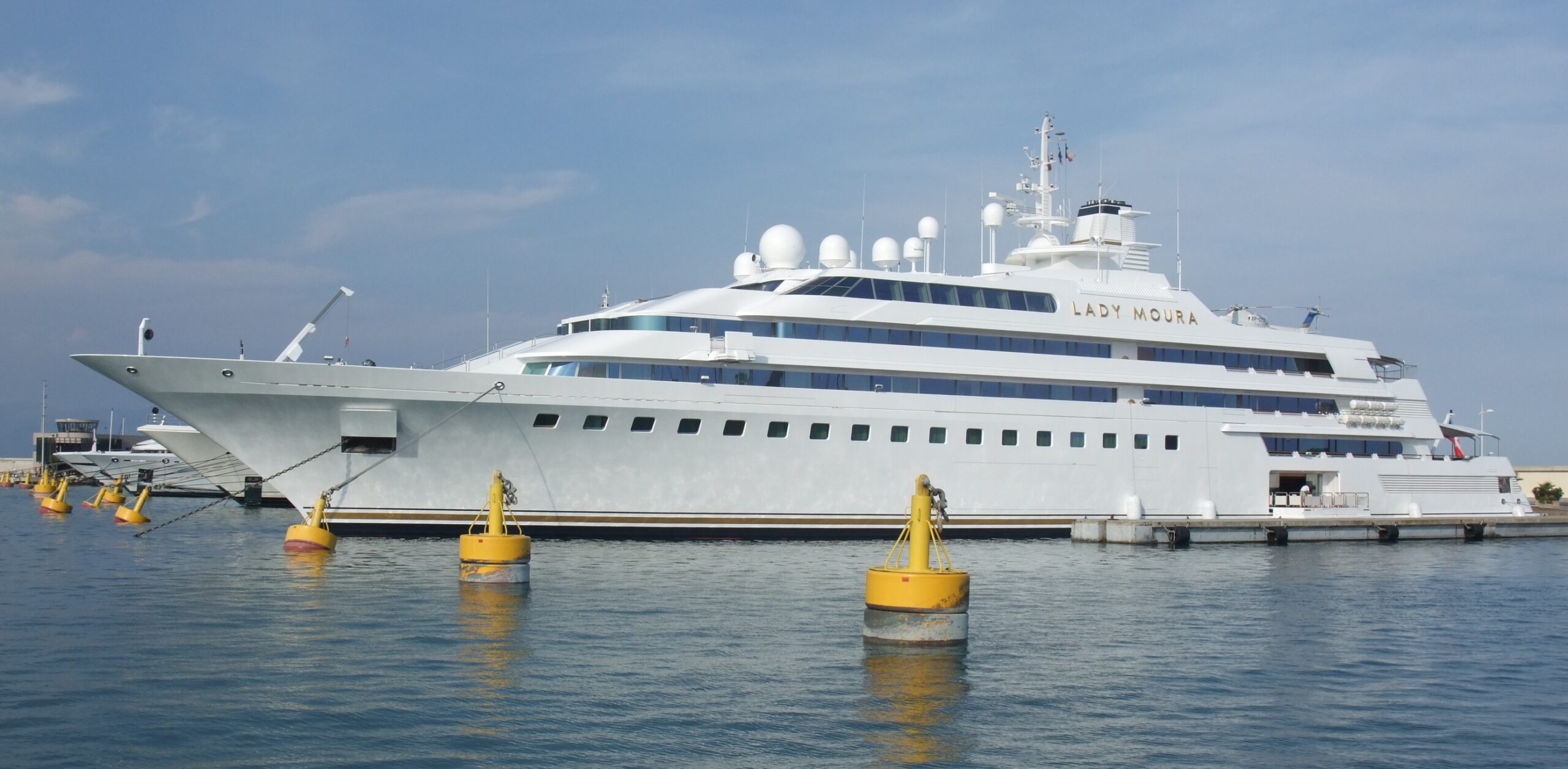
Antibes hosts the largest marina in Europe by tonnage, and the far quay, nicknamed Billionaires’ Quay, holds some of the largest private yachts on earth. Gawking is free. Above the port, the star-shaped 16th-century Fort Carré guards the headland; the guided visit is short and the 360-degree view over the port, the old town, and the Alps is excellent.
Juan-les-Pins
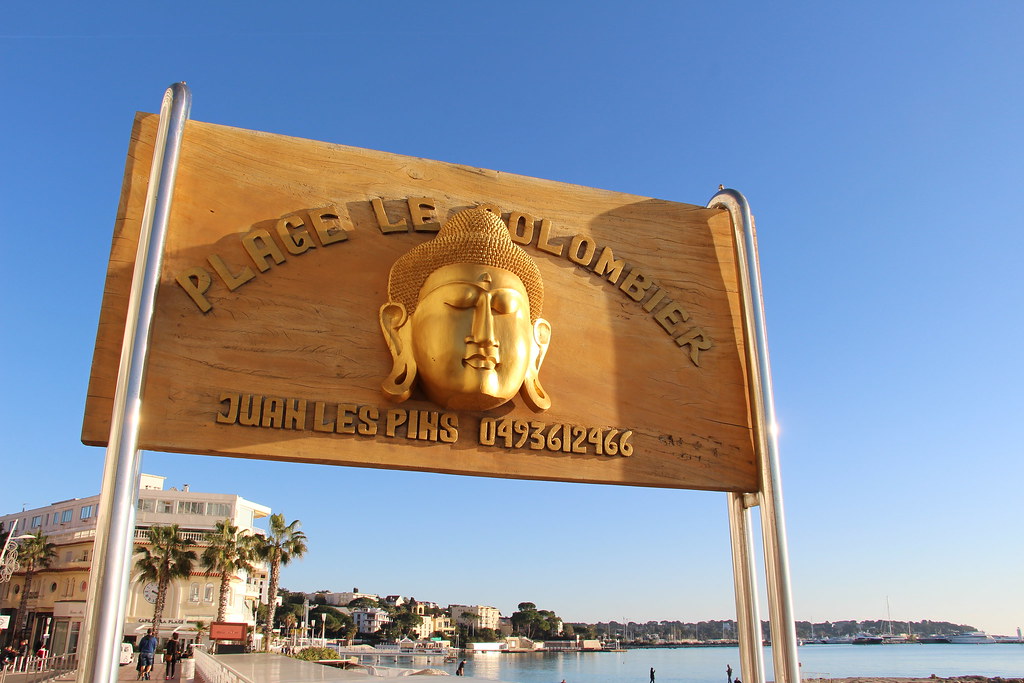
Technically the same commune, Juan-les-Pins is Antibes’ jazz-age twin on the west side of the peninsula: sandy beaches, beach clubs, and a summer jazz festival (Jazz à Juan, each July) that has hosted every legend since 1960. It is a 25 minute walk or 5 minute train hop, and the two towns together give you old-stone charm and beach-resort energy on one stay.
What to Eat in Antibes
The old town is dense with restaurants, and quality is higher than the tourist-zone average on this coast. Things we ordered twice:
- Socca, the chickpea flatbread of the Nice region, hot off the griddle at the market.
- Daube provençale, slow-braised beef in red wine, at old-town bistros in the cooler months.
- Whole grilled fish at the small places near the fishing port; ask what came in that morning.
- Pastis and olives at a square-side cafe at 6pm, which is less a menu item than a way of life here.
Book dinner ahead in summer, especially for the handful of small rooms inside the old town. And do at least one picnic from the Marché Provençal on the ramparts; it will outperform a mediocre restaurant meal at a third of the price.
Where to Stay in Antibes
Inside or beside the old town is the move: small hotels and guesthouses in the stone lanes, everything walkable, market downstairs. Rooms are limited, so book early for May through September.
Near Plage de la Salis puts you on the sandy beach side with the classic views, a 15 minute walk from the old town.
Juan-les-Pins is the beach-resort alternative with more hotel stock and a livelier summer-night scene.
Antibes generally runs meaningfully cheaper than Cannes and a bit cheaper than central Nice for equivalent rooms, which is part of the case for basing here.
Getting There and Getting Around
Fly into Nice Côte d’Azur (NCE), the Riviera’s hub. From the airport, Antibes is about 20 minutes by car or taxi, or take the tram-plus-train combination via Nice Saint-Augustin station.
The regional TER train is the Riviera’s superpower: Antibes sits on the main coastal line, with trains every 15 to 30 minutes to Nice (about 20 minutes), Cannes (about 12 minutes), Monaco, and everywhere between. Day tripping is effortless, and you do not need or particularly want a car unless you are heading into the hill villages of the interior.
In town, everything is walkable. The old town, the port, and la Gravette sit within a 10 minute radius; the Cap d’Antibes path and Juan-les-Pins are 20 to 30 minutes on foot or a short bus or train ride.
The Best Day Trips From Antibes
The central Riviera works like one big connected city, and Antibes is its most convenient hub.
Nice (20 minutes by train) for the old town, the Promenade des Anglais, the Chagall and Matisse museums, and the market on Cours Saleya. Easily a repeat trip.
Cannes (12 minutes by train) for La Croisette, the old quarter of Le Suquet, and a boat hop to the Îles de Lérins, where a pine-shaded island monastery sits 15 minutes offshore from all that glamour.
Saint-Paul-de-Vence and the hill villages (30 to 45 minutes by bus or car) for the walled artists’ village and the Fondation Maeght, one of Europe’s best small modern art museums.
Grasse (about an hour) for the perfume capital of the world, where the big houses run workshops letting you blend your own bottle.
Monaco (about 50 minutes by train) for the principality spectacle: the palace, the Monte Carlo casino, and the tightest concentration of supercars per square foot on earth.
A Few Mistakes to Avoid
- Do not drive into the old town. The lanes are medieval and parking is scarce; use the port parking structures or arrive by train and walk.
- Do not skip the coastal path because it looks long. You can walk just the first stretch from Plage de la Garoupe and back in an hour and still get the best of it.
- Do not assume every beach is sand. Antibes has real sand, but neighboring Nice is all pebbles; pack water shoes if your trip includes both.
- Watch the market clock. The Marché Provençal winds down by early afternoon; go in the morning or wait for tomorrow.
Where to Book
- Hotels: Booking.com’s Antibes listings cover the old-town guesthouses, the Salis beach hotels, and Juan-les-Pins resorts. Filter for “Vieil Antibes” proximity for the full experience.
- Tours and activities: most central-Riviera tours depart from the two big neighbors, so browse Viator’s Nice tours and Viator’s Cannes listings for boat trips along the Cap, perfume workshops in Grasse, and hill-village day tours; nearly all of them pick up or are an easy train hop from Antibes.
- Travel insurance: a Riviera trip usually chains flights, trains, and prepaid hotels in high season. See our guide to the best travel insurance for Europe.
Our Honest Take
Antibes is the Riviera with the volume turned to the right level. You get the sea, the light, the markets, the Picasso museum, and one of the best coastal walks in France, without paying the Cannes premium or fighting the Nice crowds. It is not undiscovered, nothing on this coast is, but it is unspoiled in the way that matters: it is still a town first and a destination second.
If you have one base for the central Riviera, make it this one. Ride the train out in the mornings, and come home to the old town at night.
Building a South of France trip? Pair this with our Nice, France travel guide and our Cannes, France travel guide for the neighbors on either side, or check the best time to visit France to pick your season first.
Keep Reading