Disclosure: This post contains affiliate links. If you book through our links, we may earn a small commission at no extra cost to you. Thanks for supporting Faceted Travel!
Table of Contents
Santa Fe is a five and a half hour drive from our house in Denver, which means we have run out of excuses to visit and stopped needing them. We have been in every season now: summer opera and monsoon skies, fall aspens up the ski basin road, and a December evening when the whole Plaza glowed with farolitos and we understood, finally, why people move here and never leave.
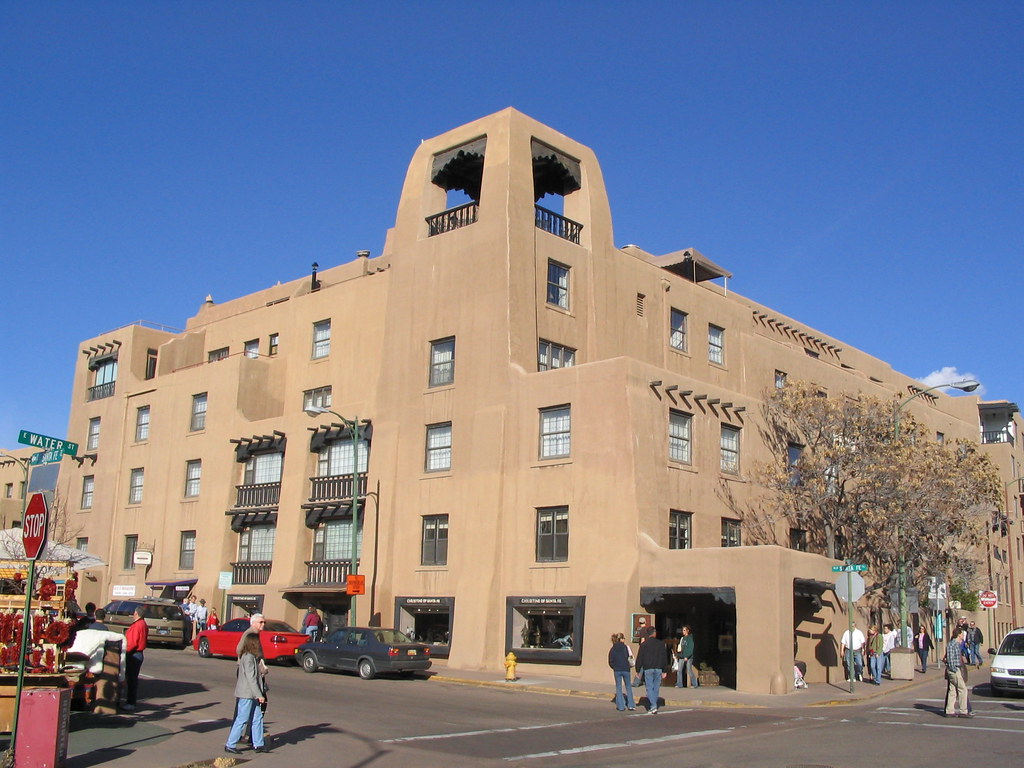
Santa Fe calls itself The City Different, and for once a tourism slogan undersells the place. It is the oldest capital city in the United States, founded in 1610, sitting at 7,199 feet in the foothills of the Sangre de Cristo Mountains. The entire downtown is low adobe buildings the color of caramel, the food is unlike anywhere else in the country, and the art scene is, no exaggeration, the third largest art market in the US behind New York and Los Angeles, in a town of 90,000 people.
Why Santa Fe Works So Well for a Long Weekend
Santa Fe is compact. The historic Plaza, the museums, Canyon Road, and most of the restaurants you care about sit within a walkable square mile. You can fly into Albuquerque, drive an hour north, park the car, and barely touch it again until you leave.
It also layers three cultures, Native Pueblo, Spanish colonial, and Anglo, in a way that is visible everywhere: in the architecture, on restaurant menus, in the artists selling jewelry under the portal of the Palace of the Governors, a tradition that has run continuously for decades. The city takes its own history seriously without feeling like a museum diorama.
And the light. Artists have been moving to northern New Mexico for a century because of the way the light hits the mountains at 7,000 feet. Georgia O’Keeffe built a life around it. You will take more photos than you expect.
Best Time to Visit Santa Fe
September and October are our pick. Daytime temperatures in the 60s and 70s, golden aspens in the mountains, green chile roasting in parking lots across town (the smell alone is worth the trip), and the summer crowds gone. The Santa Fe Wine and Chile Fiesta lands in late September.
Summer is high season for a reason: the Santa Fe Opera runs July and August in an open-air house with sunset views, and Indian Market in August is the largest Native American art market in the world. Book lodging months ahead for either. Afternoon monsoon storms roll through most days in July and August, dramatic and brief.
December is quietly magical. Canyon Road on Christmas Eve, lit by thousands of farolitos with bonfires and carolers along the street, is one of the best holiday traditions in the country. Ski Santa Fe is 30 minutes from the Plaza.
Spring is the wildcard: warm one day, spitting snow the next, and windy. It is also the cheapest season, so there is a case for it.
One note at any time of year: the altitude is real. At 7,199 feet, Santa Fe sits higher than Denver. Drink more water than you think you need and go easy on the margaritas the first night. We live at altitude and still feel it here.
The Best Things to Do in Santa Fe
Start at the Plaza and the Palace of the Governors
The Plaza has been the center of town for 400 years. Browse the Native artists selling jewelry and pottery under the portal of the Palace of the Governors, where the vendors are members of New Mexico tribes and pueblos and everything is authenticated. Buying a piece of turquoise here, directly from the artist who made it, beats any gallery purchase.
Walk Canyon Road
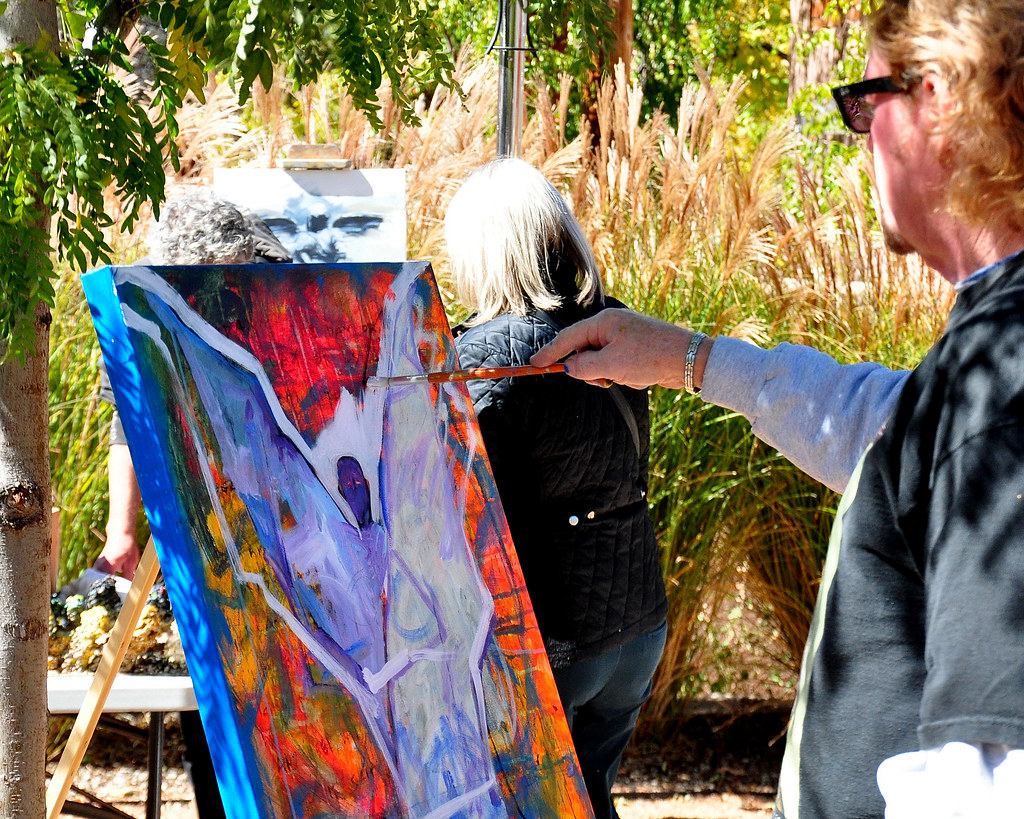
Half a mile of one narrow street holds around a hundred galleries in old adobe compounds. You do not need to buy anything or know anything about art. Wander the sculpture gardens, step into whatever pulls you in, and end with a drink at one of the bars tucked along the road. Late afternoon light makes everything better here.
Meow Wolf’s House of Eternal Return
An immersive art installation built inside an old bowling alley, part haunted house, part sci-fi mystery, part playground, created by a Santa Fe arts collective with backing from George R.R. Martin. You crawl through the refrigerator into other dimensions. It sounds ridiculous. It is one of the most fun things we have done anywhere, and kids and skeptical adults come out equally converted. Buy timed tickets in advance.
The Georgia O’Keeffe Museum
The world’s largest collection of her work, in a quiet space a few blocks off the Plaza. Even if you only vaguely know the flowers and skulls, seeing her New Mexico landscapes after you have driven through the actual landscape reframes everything. If you fall hard, day trip to her home and studio in Abiquiú, about an hour northwest.
Loretto Chapel and San Miguel Chapel
Loretto Chapel holds the “miraculous staircase,” a wooden spiral built without nails or visible support in the 1870s. San Miguel Chapel, a few blocks south, is often called the oldest church in the continental US, built around 1610. Both take 20 minutes each and are worth it.
Museum Hill
Four museums share a campus 10 minutes from downtown. The Museum of International Folk Art is the sleeper hit: the Girard Wing, a room of more than 10,000 folk art pieces arranged in dioramas, is unlike any museum room anywhere. Pair it with the Museum of Indian Arts and Culture.
Soak at Ten Thousand Waves
A Japanese-style bathhouse in the piñon hills 15 minutes above town, with private outdoor tubs, spa treatments, and an excellent izakaya restaurant. Going from mountain air to hot water under the stars is the correct way to end a day here. Reserve well ahead.
Day Trip to Bandelier National Monument
An hour northwest, Bandelier protects ancestral Pueblo cliff dwellings carved into soft volcanic rock along Frijoles Canyon. You climb wooden ladders into the cavates, and the Alcove House ladder climb, 140 feet up, is a genuine thrill. Go early; parking fills and summer midday requires a shuttle.
What to Eat in Santa Fe
New Mexican food is its own cuisine, not Tex-Mex and not Mexican, built on red and green chile. The state question is “Red or green?” and the correct answer when you cannot decide is “Christmas,” which gets you both.
Where we keep going back:
- The Shed, half a block off the Plaza, for red chile enchiladas that have been converting visitors since 1953. There will be a wait. It is worth it.
- Cafe Pasqual’s for breakfast: huevos motuleños and a line out the door by 8am, deservedly.
- La Choza, The Shed’s sister restaurant near the Railyard, same family recipes with a shorter wait and a local crowd.
- Tia Sophia’s, the old-school diner where the breakfast burrito was arguably invented, smothered in green chile.
- The Pantry on Cerrillos Road for a no-frills local breakfast institution.
Two practical notes: New Mexico chile ranges from mild to legitimately hot depending on the harvest, so ask your server how it is running. And most kitchens close earlier than you expect, often by 9pm. This is not a late-night town.
Where to Stay in Santa Fe
Downtown near the Plaza is the move for a first visit. You walk everywhere, and evening strolls past lit adobe facades are half the charm. The historic properties (La Fonda on the Plaza, Inn of the Governors, La Posada) carry the atmosphere; La Fonda has anchored the Plaza corner since the Santa Fe Trail days.
The Railyard district, a 15 minute walk south, trades some charm for newer rooms, the Saturday farmers market (one of the best in the country), and slightly better prices.
Cerrillos Road is the chain-hotel corridor, 10 minutes from downtown by car and the budget play. Rooms here can run half the Plaza price in high season.
Book far ahead for July, August, Indian Market weekend, and Christmas week. The town is small and sells out.
Getting There and Getting Around
Most visitors fly into Albuquerque (ABQ) and drive 60 minutes north on I-25. Santa Fe’s own tiny airport (SAF) has a handful of direct flights from Denver, Dallas, and Phoenix and saves you the drive if the fares cooperate. The scenic alternative from Albuquerque is the Turquoise Trail through the old mining town of Madrid, which adds 30 minutes and is worth it at least one direction.
Coming from Denver like us, it is a straight shot down I-25 through some big, empty, beautiful country. If you are building a larger Southwest loop, Santa Fe pairs naturally with the red rocks further west; our Sedona, Arizona travel guide covers the other great high-desert art town, and it is a very doable road trip pairing.
In town, walk. Downtown parking garages run a few dollars an hour, and you only need the car for Museum Hill, Ten Thousand Waves, and day trips.
A Realistic 3-Day Santa Fe Itinerary
Day 1: Plaza and Palace of the Governors portal in the morning, Georgia O’Keeffe Museum, lunch at The Shed, Loretto and San Miguel chapels, Canyon Road galleries in the late afternoon light, dinner downtown.
Day 2: Cafe Pasqual’s early, then Bandelier National Monument for the morning and early afternoon. Back to town for Museum Hill or a rest, then Ten Thousand Waves before dinner at La Choza.
Day 3: Farmers market if it is Saturday, Meow Wolf timed entry, green chile cheeseburger somewhere on the way out of town.
With a fourth day we would add Taos and the High Road villages, or Abiquiú and Ghost Ranch for O’Keeffe country.
Where to Book
- Hotels: Booking.com’s Santa Fe listings cover everything from the historic Plaza properties to the Cerrillos Road budget corridor. For a first visit, pay up to stay within walking distance of the Plaza.
- Tours and activities: Viator’s Santa Fe tours include historian-led walking tours of the Plaza district, food tours built around red and green chile, and day trips to Bandelier and Taos if you would rather not drive.
- Getting there: Flights into Albuquerque are usually the value play; compare against the small Santa Fe airport before booking. A rental car matters only if you plan day trips.
Our Honest Take
Santa Fe is the rare destination that gets more interesting the more you learn about it. The 400 years of history are real, the art scene is real, the food is unlike anywhere else in America, and it all sits in a walkable square mile at the foot of genuinely beautiful mountains.
The knocks are minor: it is expensive downtown in high season, it goes to bed early, and the altitude bites unprepared visitors. Plan around those three things and it is one of the best long-weekend trips in the country, especially if you live anywhere in the Mountain West.
We keep going back, and we keep finding new reasons to.
Planning more of the Southwest? Pair this with our Sedona, Arizona travel guide for red rock country, our Scottsdale, Arizona travel guide for the desert resort side of things, or our Rocky Mountain National Park travel guide if your route runs north through Colorado.
Keep Reading