Disclosure: This post contains affiliate links. If you book through our links, we may earn a small commission at no extra cost to you. Thanks for supporting Faceted Travel!
Table of Contents
- Hawaii Weather 101: Just Two Seasons
- The Best Overall Times to Visit Hawaii
- When Hawaii Is Busiest (and Priciest)
- Best Time for Whale Watching
- Best Time for Surfing and Big Waves
- Best Time for Families
- Month-by-Month Quick Guide
- What About Hurricane Season?
- Does the Best Time Vary by Island?
- Festivals and Events Worth Timing
- Where to Book
- Practical Tips for Timing Your Hawaii Trip
- Final Thoughts
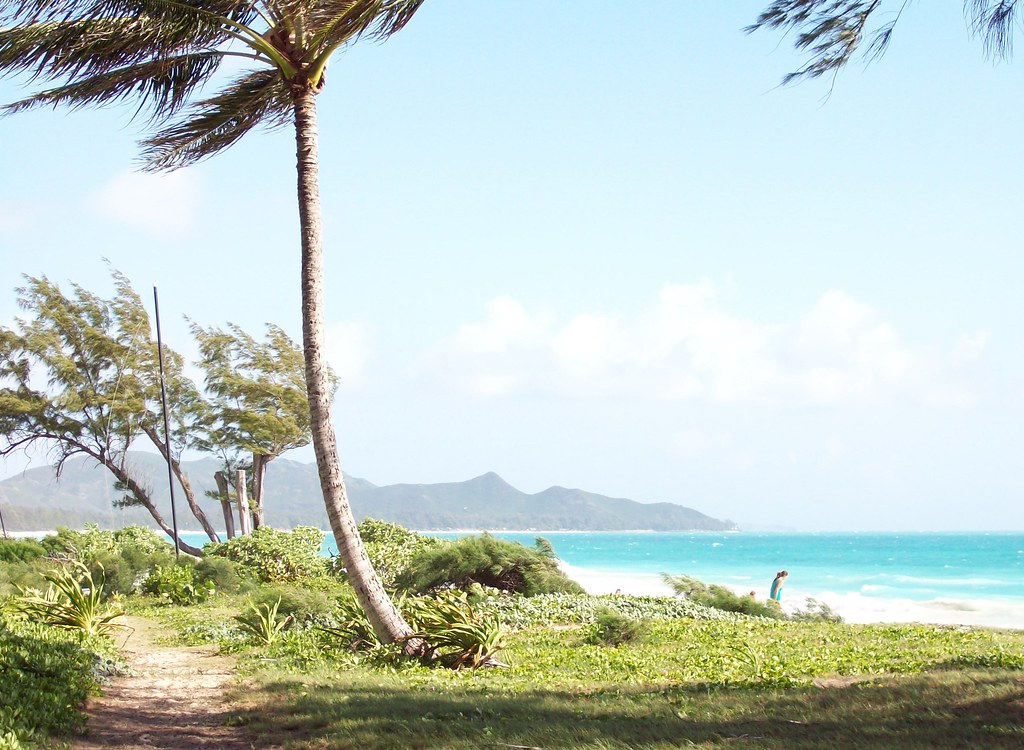
Here is the good news that surprises a lot of first-timers: there is no genuinely bad time to visit Hawaii. The islands enjoy warm, tropical weather all year, so the real question is not whether to go but which trade-offs you want to make on crowds, prices, weather, and once-in-a-lifetime experiences like whale season and giant winter surf.
We have visited Hawaii in nearly every season, and the honest truth is that the best time depends entirely on what you want out of your trip. Chasing the lowest prices? Hoping to see humpback whales? Traveling with kids on a school schedule? Each of those points to a different window. This month-by-month guide breaks down Hawaii’s weather, crowds, and costs so you can pick the perfect time for your dream trip.
Hawaii Weather 101: Just Two Seasons
Unlike the mainland’s four seasons, Hawaii really has two: summer (roughly May through October) and winter (November through April). The differences are subtle compared to what you are used to, but they matter for planning.
Summer is warmer and drier, with daytime temperatures typically in the mid-80s Fahrenheit and calmer seas. Winter is slightly cooler and wetter, with temperatures in the high 70s to low 80s, more rain (especially on windward, north-facing coasts), and much bigger ocean swells. Water temperatures stay pleasant year-round, hovering in the high 70s.
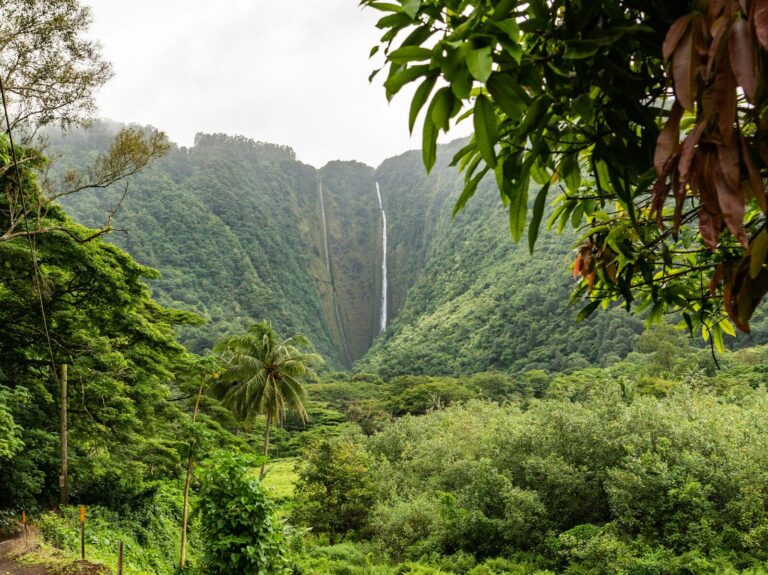
One crucial thing to understand is Hawaii’s microclimates. Each island has a dry, sunny leeward side and a wetter, greener windward side, so you can often escape rain simply by driving to the other coast. Our Kona vs Hilo comparison shows this split perfectly on the Big Island, where one side is desert-dry and the other is a rainforest.
The Best Overall Times to Visit Hawaii
If we had to name the sweet spots, they are the shoulder seasons: late April through early June, and September through mid-December (before the holidays). In these windows you get lovely weather, thinner crowds, and noticeably better prices on flights and hotels than in the peak periods.
We especially love September and October. The weather is gorgeous, the summer family crowds have gone home, the water is warm and calm, and rates dip to some of the lowest of the year. For a first trip built around beaches and relaxation, it is hard to beat. To lock in those savings, start with our guide on how to find cheap flights.
When Hawaii Is Busiest (and Priciest)
Two periods reliably bring the biggest crowds and the highest prices. The first is mid-December through March, driven by holiday travelers, whale season, and mainlanders (and Canadians) fleeing winter. Christmas and New Year’s in particular are the most expensive and crowded days of the year in Hawaii, so book far ahead if that is your window.
The second peak is mid-June through August, when families travel on summer break. Weather is fantastic and the islands are lively, but you will pay summer rates and share the beaches with a lot of company. If your schedule is flexible, sliding your trip to the shoulder months on either side of these peaks saves money and stress. A good travel rewards card helps too; see our picks for the best travel credit cards to offset flights and hotels.
Best Time for Whale Watching
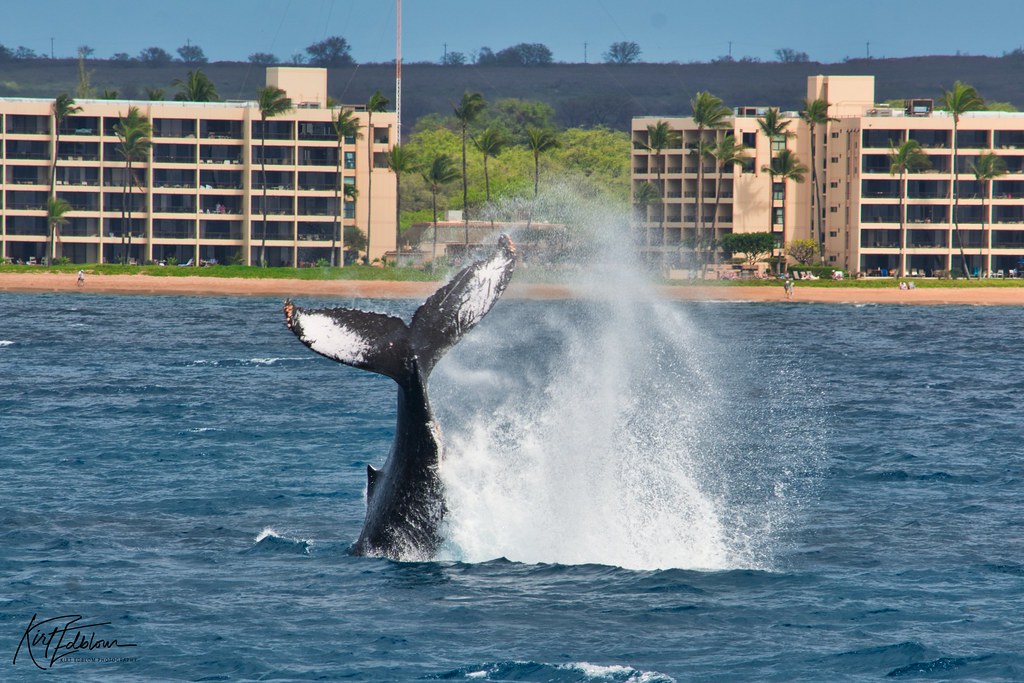
If seeing humpback whales is on your bucket list, come in winter. Thousands of humpbacks migrate to Hawaii’s warm waters to breed and calve, and the season runs roughly from December through April, peaking in January, February, and March.
Maui is the whale-watching capital, thanks to the sheltered waters between Maui, Lanai, and Molokai, but you can spot whales from all the main islands. During peak season you will often see them breaching right from shore. It is one of the most magical things we have witnessed in Hawaii, and for many travelers it is reason enough to choose a winter trip. Our one week in Maui itinerary folds whale season into the plan.
Best Time for Surfing and Big Waves
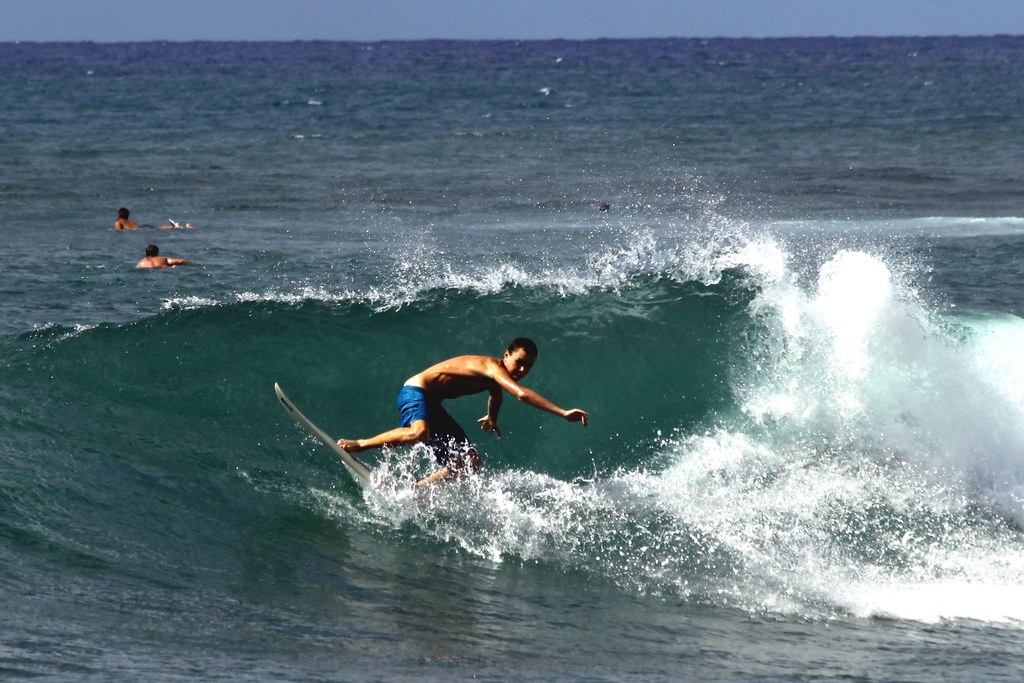
Hawaii’s surf follows the seasons, and which waves you want determines when to come. In winter (November through February), huge swells pound the north shores, drawing the world’s best surfers to legendary breaks like Oahu’s North Shore. Watching giant winter surf from a safe vantage point is a spectacle in itself, even if you never touch a board.
In summer, the north shores go calm and gentle while the south shores pick up modest swells. For beginners and families, summer is the safer bet for swimming and learning to surf, since the ocean is calmer across most beaches. Whichever season you choose, always heed local warnings and lifeguards. For a deeper island-by-island look, our Oahu travel guide covers the famous North Shore.
Best Time for Families
Families are usually locked into school breaks, and the two big ones, summer and the winter holidays, both work beautifully weather-wise. Summer offers calm south-shore swimming and long sunny days, ideal for kids, while the winter holidays bring whales and big-wave watching along with festive island cheer.
The catch is that both are peak-price, peak-crowd periods, so book flights and accommodations early and expect to pay more. If your family has any flexibility, the shoulder weeks around these breaks, early June or late August, trim the cost and the crowds. Our Maui with kids travel guide is packed with family-friendly ideas whenever you go.
Month-by-Month Quick Guide
January: Peak season. Cooler, wetter, and busy, but prime whale watching and huge North Shore surf. Book early and expect higher prices.
February: Still peak whale season and popular with winter escapees. Great marine life, bigger crowds, premium rates. Presidents’ week is especially busy.
March: Whales are still around and spring break arrives, keeping things lively. Weather is improving; prices remain on the higher side.
April: A shifting shoulder month. Crowds thin after spring break and the tail end of whale season lingers early in the month. Late April is a lovely, quieter time to visit.
May: One of our favorite months. Warm, increasingly dry, uncrowded, and affordable before the summer rush. Excellent value.
June: Summer weather kicks in and families start arriving mid-month. Early June is still relatively calm; late June gets busier and pricier.
July: Peak summer. Beautiful, hot, and crowded with families and events. Book well ahead and expect summer rates.
August: More peak summer, superb beach weather, big crowds through mid-month, then a gradual easing as school resumes on the mainland.
September: Arguably the best month overall. Gorgeous weather, calm seas, low crowds, and some of the year’s best prices once families head home.
October: Another top pick. Warm, pleasant, quiet, and affordable, with the added fun of the Ironman on the Big Island and Halloween festivities.
November: Lovely early in the month with shoulder-season value, then prices and crowds climb toward Thanksgiving. Whale season begins late in the month.
December: A tale of two halves. Early December is a quiet, good-value gem; mid-December through New Year’s is the most crowded and expensive stretch of the year.
What About Hurricane Season?
Hawaii does have an official hurricane season, running from June through November, and it understandably makes some travelers nervous. In practice, though, direct hits are rare. The islands sit in a part of the Pacific where most storms weaken or veer away before landfall, and serious impacts are the exception rather than the rule.
That said, it is worth a little awareness if you travel in late summer or early fall. Most storm activity clusters around August and September, which can occasionally bring heavier rain or high surf even when a system stays well offshore. We would not let hurricane season stop us from booking a September trip, since that month is otherwise one of the best of the year, but it is a smart reason to consider travel insurance for a big Hawaii vacation. Keep an eye on the forecast in the days before you fly, choose accommodations with flexible cancellation, and you can enjoy the excellent shoulder-season value with real peace of mind.
Does the Best Time Vary by Island?
Slightly, yes. The general seasons apply across Hawaii, but each island has its own character. Rainier windward areas like Hilo and Kauai’s north shore see more winter showers, while leeward spots like Kona, Waikiki, and West Maui stay drier and sunnier year-round.
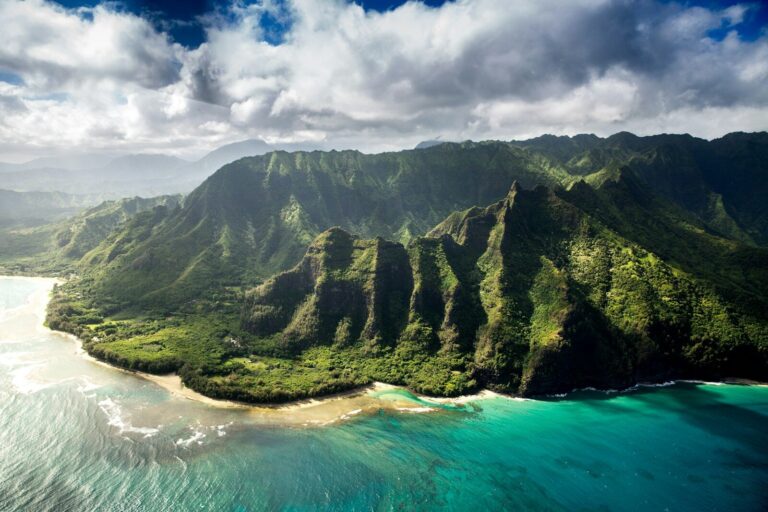
If reliable sun is your top priority in winter, favor the leeward coasts. For lush scenery, embrace the greener windward sides and pack a light rain layer. Kauai in particular is stunning but wetter up north, which is exactly what keeps it so green; our guide to the best beaches in Kauai helps you find the sunniest sand. And for the full trip-planning picture across all the islands, start with our post on how to plan a trip to Hawaii.
Festivals and Events Worth Timing
Part of the fun of choosing your dates is catching one of Hawaii’s wonderful festivals, or deliberately avoiding the price bumps they bring. In spring, Hilo hosts the Merrie Monarch Festival, the most prestigious hula competition in the world, which draws big crowds to the Big Island and books up hotels far in advance. Late summer brings the Aloha Festivals across the islands, a month-long celebration of Hawaiian culture with parades and music.
Fall and winter have their own headliners. October means the Ironman World Championship in Kona, an incredible spectacle that also fills west-side hotels, while December closes the year with the Honolulu Marathon and festive holiday events in Waikiki. Food lovers can time a trip around the Hawaii Food and Wine Festival, and lei enthusiasts will love May Day (Lei Day) on the first of May. None of these should make or break your trip, but knowing when they land helps you either join the party or sidestep the crowds and rates that come with it.
Where to Book
- Hotels: We use Booking.com to compare resorts and condos across all the Hawaiian islands, most with free cancellation so you can lock in shoulder-season rates early.
- Tours and experiences: Viator has whale-watching cruises, snorkel trips, luaus, and volcano tours you can book for the exact season you visit.
Practical Tips for Timing Your Hawaii Trip
Book peak trips far in advance. For the winter holidays or summer break, reserve flights and hotels months ahead to secure availability and better prices.
Chase shoulder-season value. May, September, and October consistently offer the best mix of great weather, low crowds, and lower costs. If you can travel then, do.
Match the season to your must-do. Winter for whales and big surf; summer for calm swimming and family beach days. Let your top priority pick your month.
Use the microclimates. If it is raining on one coast, drive to the leeward side. On any island you can usually find sunshine somewhere.
Watch for events. The Ironman (Big Island, October), Merrie Monarch Festival (Hilo, spring), and Honolulu Marathon (December) can affect prices and availability, for better or worse.
Final Thoughts
The beauty of Hawaii is that it delivers year-round, so you almost cannot get the timing wrong. What you can do is match the season to your dream trip. Come in winter for humpback whales and thundering North Shore surf, in summer for calm family beach days, or, our personal favorite, in the golden shoulder months of May, September, and October for the best all-around blend of sunshine, space, and savings.
Decide what matters most to you, weather, crowds, budget, or a bucket-list experience, and let that guide your dates. Then book early, pack the reef-safe sunscreen, and get ready for the islands to work their magic. Whenever you go, Hawaii has a way of exceeding expectations.
Ready to plan? Pair this with our step-by-step guide on how to plan a trip to Hawaii, our deep dive on Kona vs Hilo on the Big Island, and our complete Big Island Hawaii travel guide.