Disclosure: This post contains affiliate links. If you book through our links, we may earn a small commission at no extra cost to you. Thanks for supporting Faceted Travel!
Table of Contents
- The Big Picture: One Island, Two Personalities
- Weather and Climate
- Beaches
- Things to Do in Kona
- Things to Do in Hilo
- Food and Dining
- Cost and Where to Stay
- Where to Book
- So, Kona or Hilo? Our Honest Recommendation
- How Long Should You Spend on Each Side?
- Practical Tips for Splitting Your Big Island Trip
- Final Thoughts
The Big Island of Hawaii is really two islands wearing one name, and choosing between its sunny Kona side and its lush Hilo side is the single most important decision you will make when planning a trip here. We learned this the fun way, splitting a week between the two and discovering they feel like completely different worlds separated by a giant volcano.
Kona is golden, dry, and built for beach days and resort life. Hilo is green, rainy, and drenched in waterfalls, rainforest, and small-town Hawaiian soul. Neither is better; they are simply different, and the right choice depends entirely on the kind of trip you want. This guide breaks down exactly how Kona and Hilo compare on weather, beaches, things to do, food, cost, and vibe, so you can pick the side that fits you (or, our favorite move, plan to experience both).
The Big Picture: One Island, Two Personalities
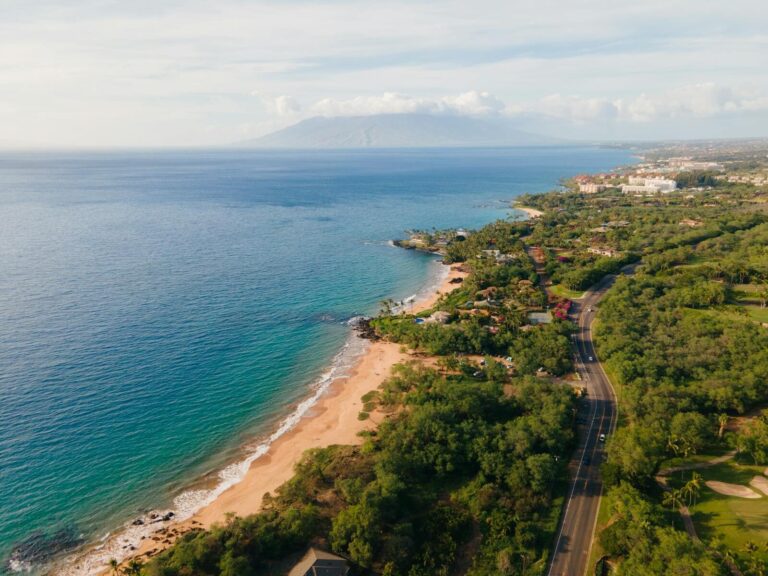
The Big Island is bigger than all the other Hawaiian islands combined, and its enormous volcanoes create a dramatic split in climate and character. The west coast, anchored by Kailua-Kona, sits in the rain shadow of Mauna Loa and Hualalai, so it is sunny, dry, and lined with beaches and resorts. The east coast, centered on the town of Hilo, catches the trade-wind moisture and turns lush, tropical, and gloriously green.
That single geographic fact drives almost every difference between the two sides. Understanding it makes the whole island click. For the full lay of the land, our complete Big Island Hawaii travel guide covers both coasts and everything in between.
Weather and Climate
If reliable sunshine is your priority, Kona wins hands down. The Kona and Kohala coasts are among the driest, sunniest places in all of Hawaii, with warm days and gentle evenings almost year-round. This is where the big resorts cluster, precisely because you can count on beach weather.
Hilo, by contrast, is one of the rainiest cities in the United States. That rain is exactly why the east side is so spectacularly green, feeding the waterfalls, rainforests, and gardens that make it magical. Showers often come and go quickly, and plenty of Hilo days are lovely, but you should come expecting some rain and pack a light layer.
The takeaway: choose Kona for guaranteed beach time, and choose Hilo if you want lush scenery and do not mind trading some sunshine for it. To dial in the right season for either coast, see our upcoming guide to the best time to visit Hawaii.
Beaches
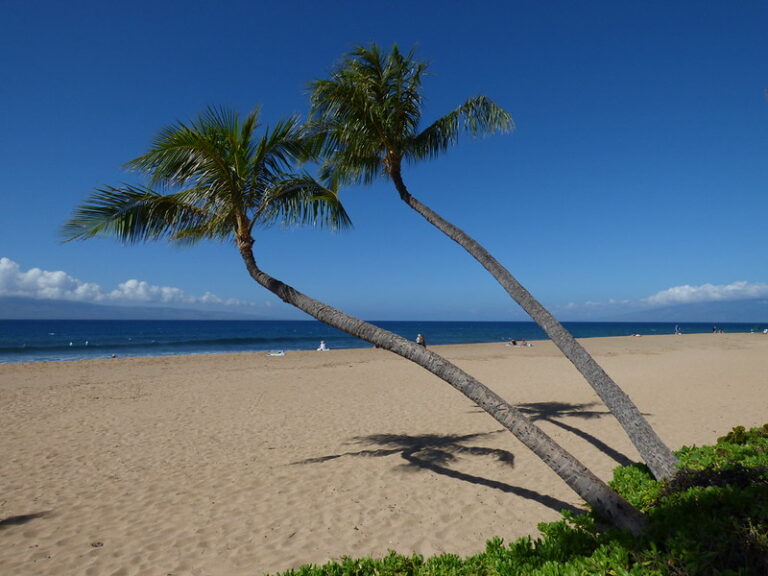
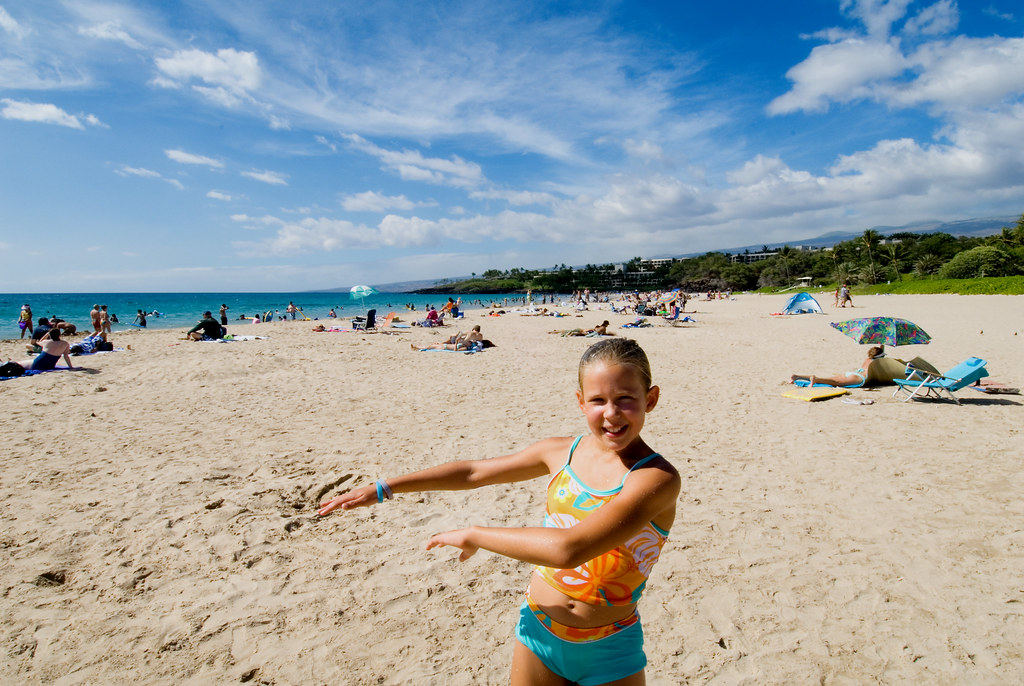
For classic Hawaii beach days, Kona is the clear winner. The west coast is home to the island’s best swimming and snorkeling beaches, from the white sand of Hapuna and the Kohala Coast to the famous green-sand and black-sand beaches farther south. Calm, clear water and dependable sun make this the side for sunbathing, snorkeling, and lazy afternoons in the surf.
Hilo is not a beach destination in the traditional sense. The east side has a handful of pretty, rocky coves and black-sand spots, often good for turtle-spotting, but you do not come to Hilo to lie on the sand. You come for waterfalls and rainforest. If beaches rank high on your list, that alone may settle the Kona-versus-Hilo debate. For beach inspiration across the islands, we love comparing notes with our guides to the best beaches in Kauai and the best beaches in Maui.
Things to Do in Kona
Kona is the island’s playground for sun and sea. Here is what fills a Kona itinerary.
Snorkeling and ocean adventures
The Kona coast has some of the best snorkeling in Hawaii, with vibrant reefs, sea turtles, and famous spots like Kealakekua Bay. The signature Big Island experience is the nighttime manta ray snorkel or dive off the Kona coast, floating above these gentle giants as they feed. Boat tours, catamaran cruises, and dolphin excursions run daily from Kona’s harbors.
Kona coffee country
The hills above Kailua-Kona are the heart of America’s only major coffee-growing region. Touring a Kona coffee farm, learning how the beans are grown and roasted, and tasting the results is a relaxed and delicious way to spend a morning. The upcountry drive is beautiful, too.
Historic and cultural sites
Kona is rich with Hawaiian history, from the Pu’uhonua o Honaunau (Place of Refuge) National Historical Park to the spot where Captain Cook met his end. The oceanfront town of Kailua-Kona itself is walkable and fun, with shops, restaurants, and a historic church and palace along the water.
Resort life on the Kohala Coast
Just north of Kailua-Kona, the Kohala Coast is where the island’s luxury resorts spread out along some of its finest white-sand beaches. Even if you are not staying there, it is worth a day: the beaches are gorgeous, the snorkeling is excellent, and many resorts have public beach access and beachfront restaurants. This stretch is Kona at its most polished and relaxing.
Things to Do in Hilo
Hilo trades beaches for jaw-dropping natural beauty and authentic small-town charm. Here is what makes the east side special.
Waterfalls everywhere
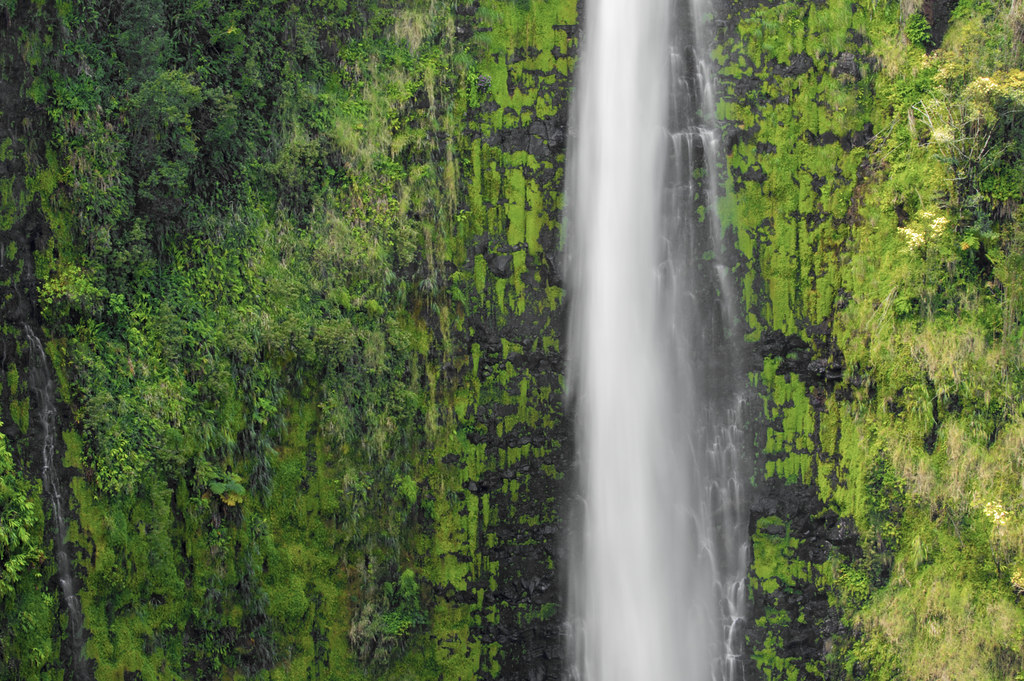
Hilo is waterfall country. Rainbow Falls sits practically in town and is an easy stop, while the stunning Akaka Falls plunges hundreds of feet through a lush state park a short drive away. After a good rain, the whole east side seems to run with cascades. This is the scenery that makes Hilo unforgettable.
Gateway to Hawaii Volcanoes National Park
Hilo is the closest base to Hawaii Volcanoes National Park, one of the most extraordinary places in the country. From Hilo you can reach the park in under an hour to walk across steaming craters, hike lava fields, and, when conditions allow, witness the glow of active volcanic activity. Many travelers choose Hilo specifically for this proximity.
Gardens, markets, and local life
Hilo overflows with tropical botanical gardens, the lively Hilo Farmers Market, and a charming historic downtown of old storefronts and family-run eateries. The pace is slower, the feel is more local and less touristy, and that authenticity is a big part of the appeal. If you want to see how everyday Hawaii lives, Hilo shows you.
Drive the scenic Hamakua Coast
North of Hilo, the Hamakua Coast unspools one of the most beautiful drives in Hawaii, a winding ribbon of highway past sea cliffs, jungle gulches, and hidden valleys. Stop at the lush Waipio Valley overlook, detour to Akaka Falls, and follow the old scenic route through tunnels of rainforest. It is the kind of slow, green, window-down driving that makes the Hilo side unforgettable.
Food and Dining
Both sides eat well, but the experiences differ. Kona leans toward resort dining, oceanfront restaurants, and lively spots geared to visitors, along with those wonderful Kona coffee farms. You will find polished sunset dinners and beach bars alongside excellent local plate lunches.
Hilo is a quietly great food town with a more local, down-to-earth flavor. The farmers market is a highlight, packed with tropical fruit, fresh fish, and island snacks, and downtown Hilo hides terrific little restaurants serving everything from poke to Japanese-Hawaiian comfort food. For foodies who love discovering the real deal, Hilo is a treat.
Cost and Where to Stay
Kona is where the island’s resort scene lives, especially along the luxurious Kohala Coast just to the north. Expect a wide range from big beachfront resorts to condos and vacation rentals, with prices to match the sunshine and amenities. This is the side for a classic Hawaii resort vacation.
Hilo is generally more affordable and more low-key, with charming inns, B&Bs, and modest hotels rather than sprawling resorts. If you are watching your budget or prefer character over polish, Hilo stretches your dollar further. Getting there affordably starts with our guide to how to find cheap flights, and our post on how to plan a trip to Hawaii walks through budgeting the whole thing.
Where to Book
- Hotels: We use Booking.com to compare Kohala Coast resorts on the Kona side and charming inns around Hilo, most with free cancellation.
- Tours and experiences: Viator has manta ray night snorkels, Volcanoes National Park tours, waterfall and zipline adventures, and Kona coffee farm visits.
So, Kona or Hilo? Our Honest Recommendation
Choose Kona if you want dependable sunshine, the best beaches, snorkeling and ocean tours, resort comforts, and coffee country. It is the easy pick for a relaxing beach vacation, for families who want reliable pool-and-sand days, and for first-timers chasing the postcard Hawaii.
Choose Hilo if you are drawn to waterfalls, rainforest, gardens, volcanoes, and authentic small-town Hawaii, and if you value scenery and local culture over guaranteed beach weather. It is the pick for nature lovers, photographers, and travelers who like to feel a place rather than just lounge in it.
But here is our real advice: do both. The Big Island is enormous, but you can drive between Kona and Hilo in around two to two and a half hours, either across the island past the volcanoes or around the scenic northern coast. Splitting your stay, a few nights on each side, is by far the best way to experience the full range of what makes this island so special. Base first in sunny Kona for beaches and snorkeling, then move to green Hilo for waterfalls and the national park, and you will come home feeling like you saw two Hawaiis in one trip.
How Long Should You Spend on Each Side?
If you can swing a full week on the Big Island, our favorite split is four nights in Kona and three in Hilo, or the reverse if the national park is your main draw. That gives you enough time on the Kona side for a beach day, a snorkel or manta ray tour, and a coffee-country morning, plus enough time on the Hilo side for a full day at Volcanoes National Park and a leisurely loop of waterfalls and gardens.
With only four or five nights, you can still do both, just tighten the plan: two or three nights per side and one big activity a day. And if you are truly short on time, pick the side that matches your priorities rather than racing back and forth. A rushed day trip across the island to glimpse the other coast rarely does it justice, and the drive eats a big chunk of daylight either way.
One more consideration is where you fly in and out. The Big Island has two main airports, Kona International on the west side and Hilo International on the east. Flying into one and out of the other, an open-jaw itinerary, saves you from doubling back and makes a two-base trip wonderfully efficient.
Practical Tips for Splitting Your Big Island Trip
Rent a car, no question. The Big Island is huge and public transit is minimal. A rental car is essential for exploring either side, let alone both.
Book the manta ray snorkel from Kona. It is one of the most magical things you can do in Hawaii and it sells out. Reserve ahead.
Give Volcanoes National Park a full day from Hilo. There is far more to see than you expect, from craters to lava tubes to the after-dark glow. Do not rush it.
Pack for two climates. Sunscreen and swimsuits for Kona, plus a light rain layer and good shoes for Hilo’s wet trails and lava fields.
Drive the Saddle Road with care. The cross-island route between the coasts is spectacular but can be foggy and remote. Fill the tank and check conditions.
Final Thoughts
The Kona-versus-Hilo question does not really have a wrong answer, only a right answer for the trip you want. Kona delivers sun, sand, and resort ease; Hilo delivers waterfalls, rainforest, and soul. Both are gorgeous, and both are unmistakably the Big Island.
If you can only pick one, let your priorities guide you: beaches and reliable sunshine mean Kona, while nature and authenticity mean Hilo. But if your schedule allows, treat yourself to the full picture and experience both sides of this remarkable island. It remains one of our favorite places in all of Hawaii, precisely because it refuses to be just one thing.
Planning your Hawaii adventure? Keep going with our complete Big Island Hawaii travel guide, our step-by-step post on how to plan a trip to Hawaii, and our Oahu travel guide for another side of the islands.