Disclosure: This post contains affiliate links. If you book through our links, we may earn a small commission at no extra cost to you. Thanks for supporting Faceted Travel!
Table of Contents
“When should we go to France?” is the question friends ask us most, and our honest answer is always the same: it depends entirely on what you want out of the trip. France is not one destination but many, and the perfect week in lavender-scented Provence looks nothing like the ideal ski week in the Alps or a snowy December stroll through Paris.
After several trips across the country, from the Riviera to the Alps to the capital, we have opinions about timing. This guide breaks down France season by season and region by region, so you can match your trip to the weather, the crowds, and the experiences you care about most.
The Short Answer
If you want the single best all-around window, aim for late spring (May to June) or early fall (September to October). In these shoulder months the weather is warm but not scorching, the countryside is green or golden, the crowds are thinner than in peak summer, and prices sit below their July and August highs. We have never regretted a France trip planned for June or September.
That said, the “best” time really does depend on your goals, so let us walk through the details.
France Season by Season
Spring (March to May)
Spring is one of our favorite times in France. Paris shakes off winter, gardens burst into bloom, and cafe terraces fill up again. April can still be rainy and cool, but by May the weather turns reliably pleasant across most of the country. Crowds are moderate, making it a lovely time for cities and countryside alike. Just note that the south warms up faster than the north, so the Riviera can already feel like early summer in May while Paris stays crisp.
Summer (June to August)
Summer is peak season, and for good reason. Long days, warm weather, beach towns in full swing, and a packed calendar of festivals. June is close to ideal, with summer warmth but slightly fewer crowds. July and August, however, bring the heaviest tourism, the highest prices, and real heat, especially in the south and in cities without much air conditioning.
There is a local quirk worth knowing: in August, many French people take their own vacations, so some small restaurants and shops in cities like Paris close for the month while the coast and countryside overflow. If you love buzz and beach days, summer delivers. If you dislike crowds and heat, lean toward June or shift to fall.
Fall (September to October)
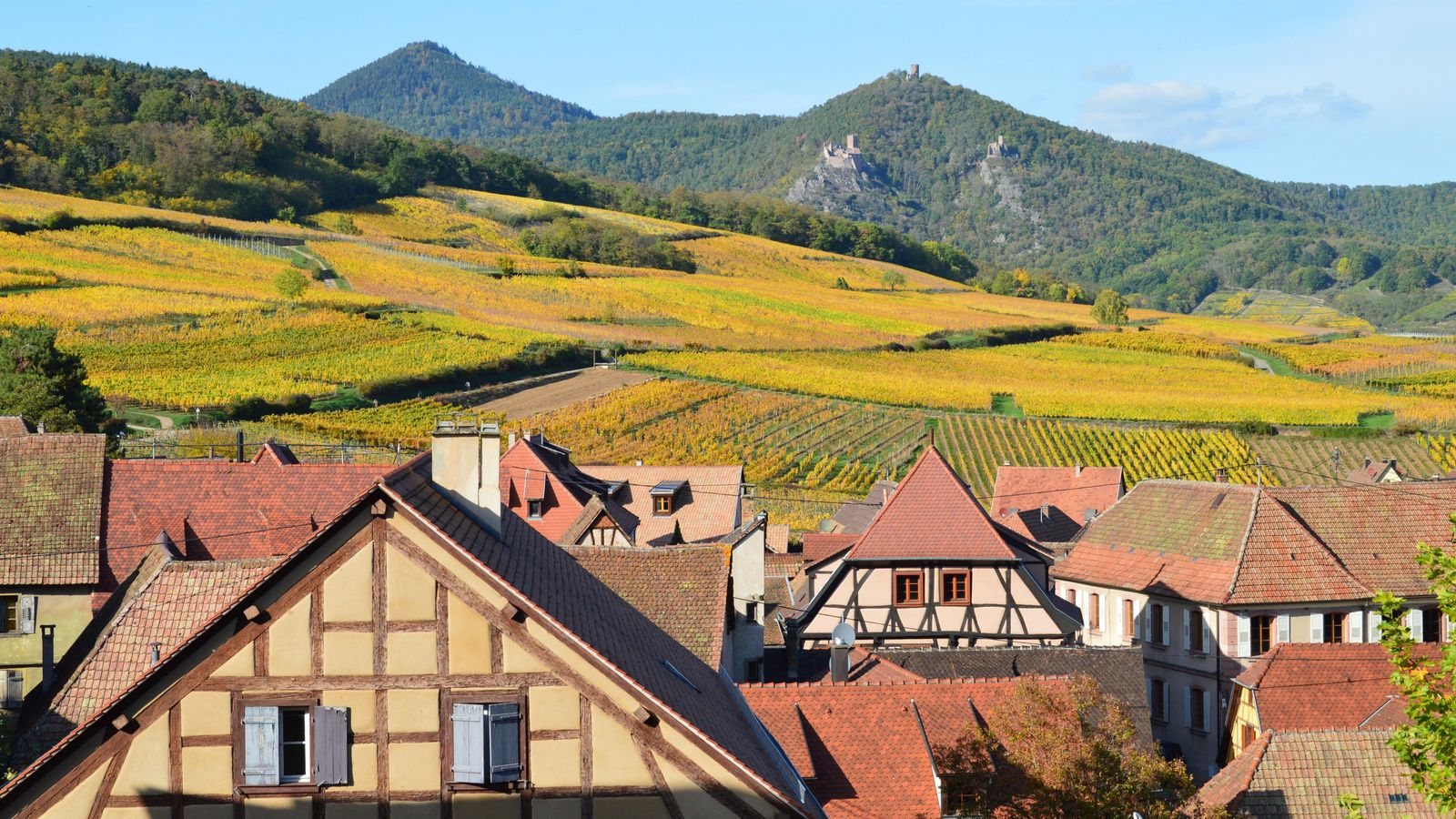
Fall might be the smartest time to visit France. September holds onto summer’s warmth while the crowds thin out and the frantic pace settles. It is also harvest season in the wine regions, which is a magical time to visit Bordeaux, Burgundy, or Champagne. October brings golden foliage, cozy temperatures, and even better deals, though the weather grows more variable as the month goes on. We think September is criminally underrated.
Winter (November to March)
Winter splits France in two. The Alps come alive as world-class ski resorts open, drawing snow lovers from around the globe. Paris and other cities take on a festive glow around the holidays, with markets, lights, and far fewer tourists at the major museums (a huge perk if you hate lines). The trade-off is short days, cold weather, and the occasional closure. January and February are the quietest and often the cheapest months to visit the cities, which is ideal if your priority is dodging tour groups and finding lower hotel rates. Just bundle up and plan indoor-heavy days around museums, cafes, and long, leisurely lunches. If you want romance without the crowds, a December weekend in Paris is hard to beat, and our Paris in 4 days itinerary works beautifully even in the cooler months.
Best Time to Visit France by Region
France’s regions have such different climates that the right timing shifts depending on where you are headed.
Paris and the North
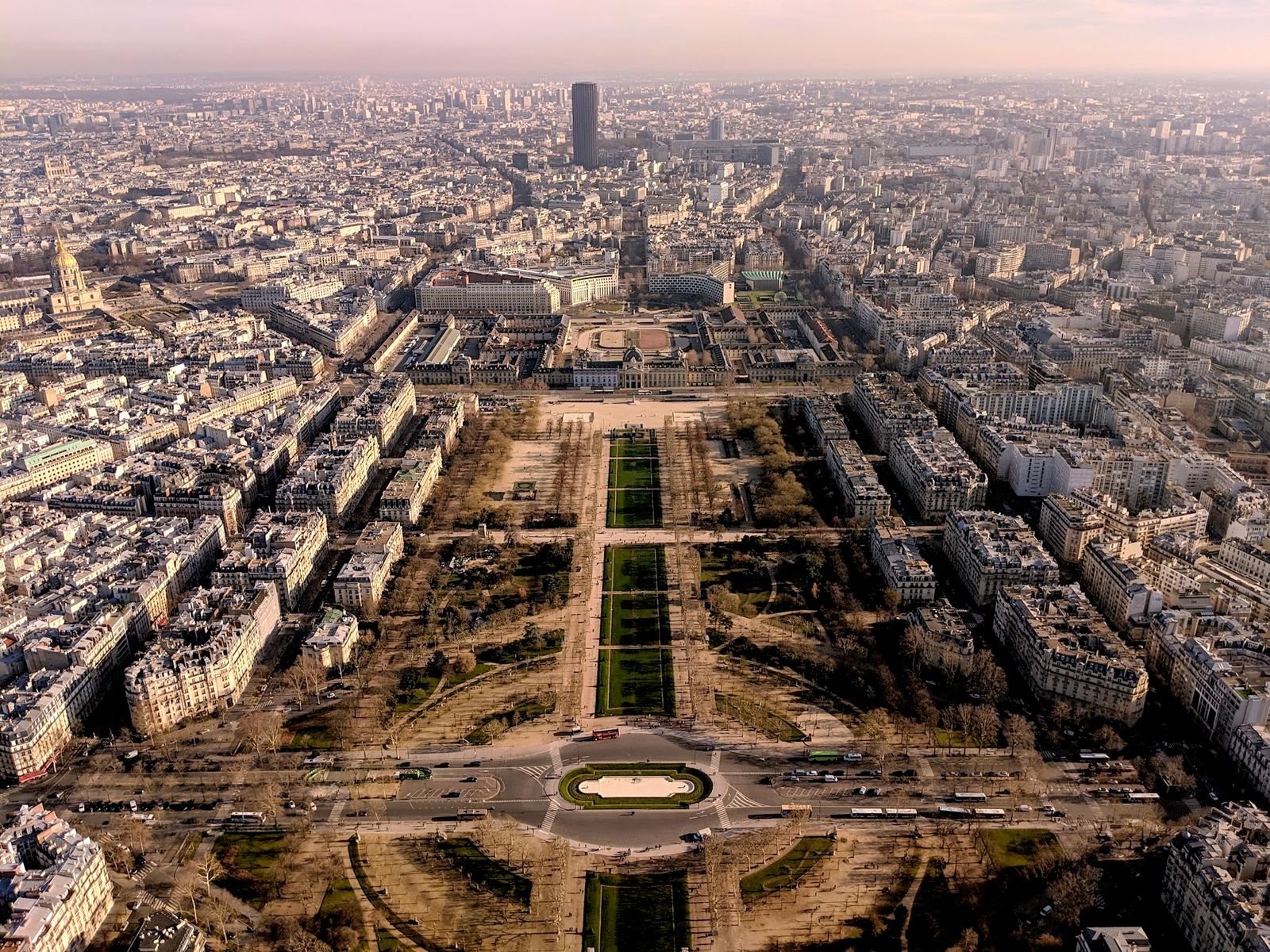
Paris is a year-round city. Late spring (May to June) and early fall (September) offer the best balance of weather and manageable crowds. Summer is warm and lively but busy, and a summer heat wave in a city with limited air conditioning can be genuinely uncomfortable. Winter is cold and gray but atmospheric, especially around the holidays, and it is the cheapest and least crowded time to tackle the Louvre and other big museums.
The French Riviera and Provence
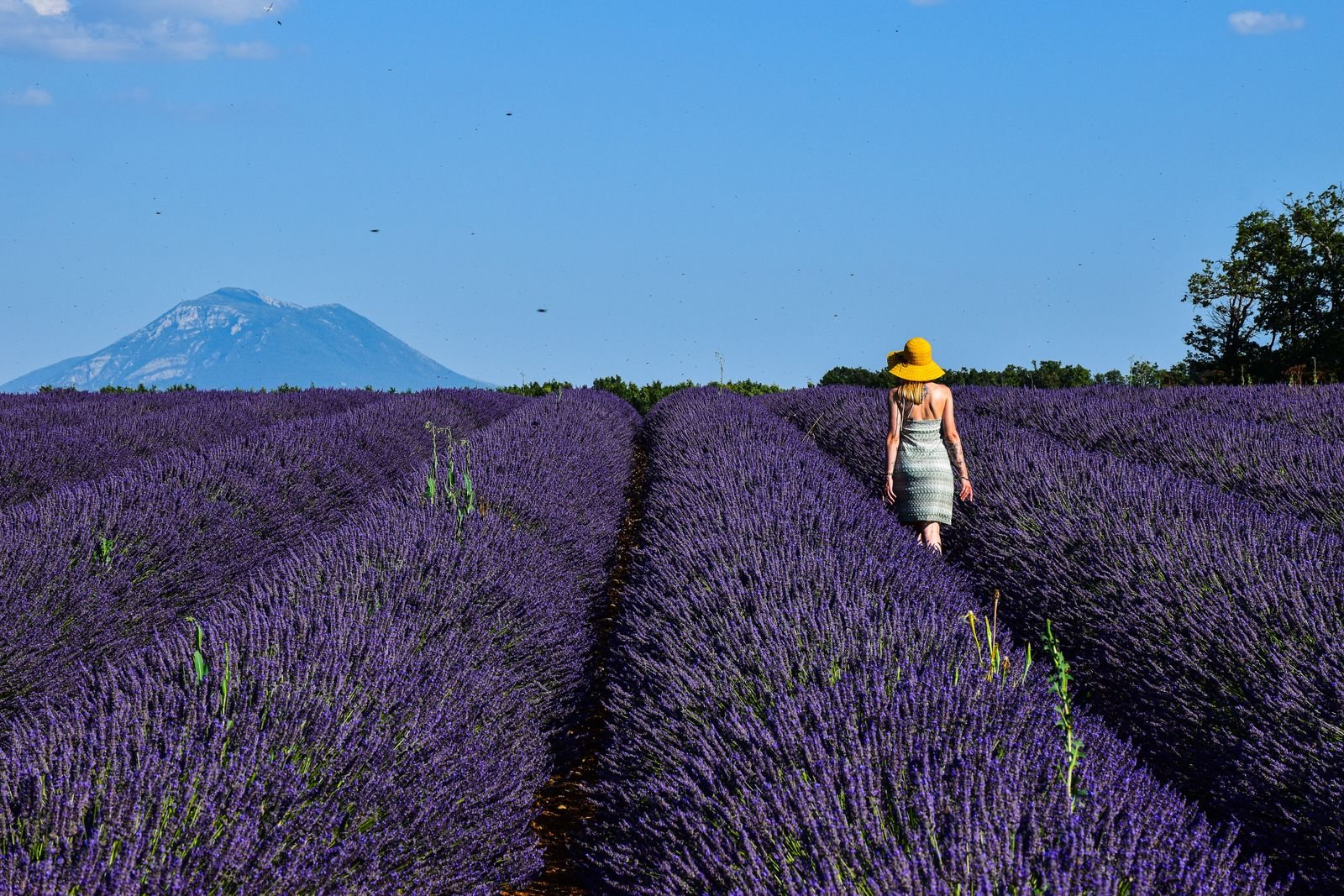
The sunny south is glorious from late spring through early fall. For beach days on the Riviera, June and September are our picks: warm seas, plenty of sun, and fewer crowds than the July and August crush. If you dream of Provence’s famous lavender fields, plan for roughly late June through mid-July, when the purple rows are at their peak. Spring is a delight down south too, with wildflowers, comfortable temperatures, and the sea warming up by May. Winter on the Riviera, by contrast, is mild but sleepy: many seasonal restaurants and beach clubs close until spring, so we would skip the coast between November and March unless you simply want quiet sun and empty promenades. Our guides to Nice and other Riviera towns go deeper on what to do once you are there.
Normandy, Brittany, and the Atlantic Coast
The northwest coast is at its best in summer, when the weather is warm enough to enjoy the beaches, dramatic cliffs, and historic D-Day sites in comfort. July and August are the most reliable months here, though they are also the busiest. Late spring and early fall can be lovely but come with a real chance of rain, so pack a waterproof layer. If you are visiting the D-Day beaches or Mont-Saint-Michel, aim for the warmer months and book accommodations early, since this region draws heavy summer crowds and has fewer hotel rooms to go around.
The French Alps
Timing in the Alps depends on your sport. Ski season runs roughly December through April, with the most reliable snow in January and February. Summer (June to September) transforms the same mountains into a hiking, biking, and lake paradise. Alpine gems like Annecy are stunning in summer, when you can swim in the turquoise lake and dine along the canals.
The Wine Regions
For Bordeaux, Burgundy, Champagne, and the Loire Valley, late spring and early fall are ideal. September and early October coincide with the grape harvest (the vendange), a festive and beautiful time to visit, though also a busy one for the wineries themselves. Spring offers green vineyards and gentler crowds.
Month-by-Month Quick Guide
January to February: Cold, quiet cities and prime ski season in the Alps. Lowest crowds at Paris museums.
March to April: Spring awakens; variable weather, blooming gardens, good value before the high season.
May: One of the best months overall: warm, green, and not yet crowded.
June: Excellent everywhere: summer warmth, long days, lavender beginning in Provence.
July to August: Peak season. Hot, crowded, and expensive, but full of festivals and beach energy.
September: Our favorite month: warm, calmer crowds, wine harvest underway.
October: Golden foliage, good deals, cooler and more changeable weather.
November: Quiet and gray, but low prices and no lines.
December: Festive holiday magic in the cities, ski season opening in the Alps.
Best Time for Specific Experiences
For beaches and the Riviera: June and September for warm water without peak crowds.
For skiing: January and February for the most reliable snow.
For lavender in Provence: Late June through mid-July.
For wine harvest: September into early October.
For the fewest crowds: November through March (outside ski resorts and the holidays).
For the lowest prices: Late fall and winter, excluding Christmas and New Year.
For festivals: Summer, with events like Bastille Day (July 14), the Cannes Film Festival (May), and the Tour de France (July) filling the calendar.
How Long Should You Spend in France?
France rewards both quick escapes and long, sprawling trips, so the honest answer depends on your appetite. For a first visit focused on Paris, four or five days lets you cover the major sights without rushing, with time left over for a day trip to Versailles or Giverny. If you want to pair the capital with a second region, give yourself at least a week to ten days so travel days do not swallow your whole itinerary.
For a broader loop, say Paris plus the Riviera plus a wine region or the Alps, two full weeks is the sweet spot. France’s high-speed trains make hopping between regions fast, but the distances are real: the south is a different world from the north, both in climate and in pace. We learned the hard way that trying to see too much in one trip means seeing all of it through a train window. Better to pick two or three regions, settle in, and save the rest for the next trip. And with France, there is always a next trip.
Where to Book Your France Trip
Whenever you decide to go, these are the tools we use to plan our own French adventures.
Hotels: We book through Booking.com, which has the widest selection of hotels, apartments, and countryside stays across France, with easy filtering by review score. Book early for summer on the Riviera and for ski season in the Alps, when the best properties go fast.
Tours and activities: For museum tickets, food and wine tours, day trips, and guided experiences, we book through Viator. Reserving popular tours ahead is especially important in peak season.
Travel insurance: Weather, strikes, and cancellations happen, so we always travel covered. Here is our guide to the best travel insurance for Europe.
Practical Tips for Timing Your Trip
A few final things we have learned:
Watch the French holiday calendar. August is vacation month for locals, which empties some cities and packs the coast. Public holidays and school breaks also spike domestic travel.
Book shoulder season for the best value. May, June, September, and October consistently give you the best mix of weather, crowds, and price.
Match the region to the season. Do not plan a beach week in November or a ski trip in July. France is big and varied, so let your must-do experience drive the timing.
Layer your packing. French weather can swing within a single day, especially in spring and fall. Pack layers and a compact umbrella, no matter when you go. For a full checklist, see our how to plan a trip to Europe guide.
Lean on the train network. France’s high-speed TGV trains connect the major cities quickly and comfortably, which shapes how you route a multi-region trip. Flying internally is rarely worth the hassle for anything the train covers in under four or five hours, and the scenery from the window is a bonus.
There is truly no bad time to visit France, only the time that best fits the trip you are dreaming of. Whether that is lavender in July, wine harvest in September, or a snowy, twinkling Paris in December, a little planning around the seasons will make an already wonderful country shine even brighter.
Ready to start planning? Dive into our detailed guides to Paris, Nice, and Annecy, and see our broader best time to visit Europe guide for timing the rest of your trip.