Disclosure: This post contains affiliate links. If you book through our links, we may earn a small commission at no extra cost to you. Thanks for supporting Faceted Travel!
Table of Contents
The first time we planned a Spain trip, we nearly made the classic mistake: booking Seville for August because the flights were cheap. A Sevillano friend talked us out of it with one sentence: “In August, even we leave.” Spain’s seasons are dramatic, regional, and absolutely worth understanding before you book, because the same country that bakes at 110 degrees in an Andalusian August is skiing in the Sierra Nevada in February.
We have now crossed Spain in spring, summer, and fall, and the short answer to “when should I go?” is almost always May, early June, September, or October. The long answer is more interesting, because the best month depends heavily on which Spain you want.
The Short Answer
Best overall: May and September through mid-October. Warm everywhere, hot nowhere, seas swimmable by September, and every region open for business.
Best for cities: April through early June, and October. Madrid, Barcelona, and Seville are made for walking, and these months make walking a pleasure.
Best for beaches: June and September. July and August work on the northern coasts, but the Mediterranean resorts are at maximum crowd and price.
Best value: November through March, when city hotels drop 30 to 40 percent and the museums are blissfully quiet.
Avoid if you can: August in Andalusia and the interior. It is not a heat wave; it is just August.
Spain’s Seasons, Region by Region
Spain is really four climates wearing one flag, and knowing which one you are booking changes everything.
The Interior: Madrid, Toledo, Castile
High plateau country with real seasons. Spring and fall are glorious: crisp mornings, warm afternoons, streets full past midnight. Summer is hot and dry, with Madrid regularly topping 95 degrees in July and August, though the dry heat and air-conditioned museums make it more survivable than the south. Winter is cold and bright, often below freezing at night, and the city does not care: Madrid’s bar culture is entirely indoor-capable. Our full Madrid, Spain travel guide covers how the city changes season to season.
The Mediterranean Coast: Barcelona, Valencia, Costa del Sol
The Spain most visitors picture. Mild winters, long dry summers, swimming from June into October. Barcelona is genuinely year-round: even January delivers 55-degree sunshine more days than not. The tradeoffs are crowds and cruise ships from June through August, when the Gothic Quarter becomes a slow-moving river of people. May, September, and October give you the same sea with half the elbows. Our Barcelona travel guide has the neighborhood-by-neighborhood detail.
Andalusia: Seville, Granada, Córdoba
Spring perfection, summer furnace. April and May in Seville, with the orange blossoms and the fairs, might be the best city weather in Europe. By July, afternoon temperatures hit 100 to 110 and the city runs on a siesta schedule for good reason. If summer is your only window, do what locals do: mornings and nights, long shaded lunches, and a hotel with a pool. October is the underrated second spring.
The Green North: Basque Country, Cantabria, Galicia
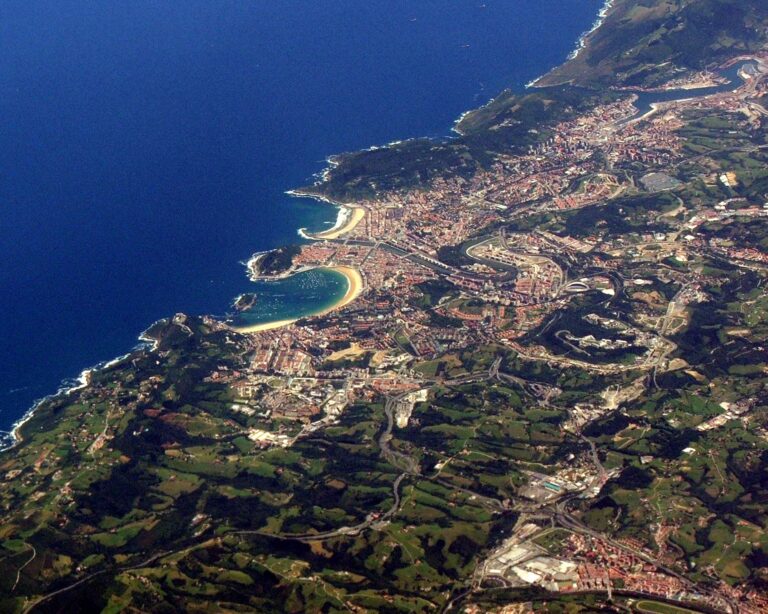
Atlantic Spain looks like Ireland and eats better than anywhere. Summers are mild (San Sebastián in August averages 75 degrees) which makes the north the smart move in the exact months the south is unbearable. The price is rain: it can shower any month, and winters are wet and gray. June through September is the reliable window.
Month by Month
January and February: Quietest months. City breaks, Prado and Alhambra with no lines (book the Alhambra ahead anyway), skiing in the Sierra Nevada, and almond blossoms in the south by February. Cold in the interior, mild on the coasts.
March and April: Spring arrives, and with it Semana Santa, the Holy Week processions that transform Seville, Málaga, and dozens of towns. Unforgettable to witness, but book a year out and expect peak prices in Andalusia. Weather is a lottery: we have had both sunburn and hail in April.
May: The month we would pick if we could only pick one. Everything is green, everything is open, seas are warming, and the two great ferias (Seville’s April Fair often slides into early May, Córdoba’s patios festival) fill the calendar.
June: Early June is May’s equal. By late June the beach season is fully on, school lets out across Europe, and prices start their summer climb. Bonfires of San Juan light the coasts on the 23rd.
July: Hot everywhere, extreme in the south. This is the month for the northern coast: San Sebastián, Santander, the Rías of Galicia. Running of the Bulls in Pamplona fills the first week (book far ahead or stay far away).
August: Spain’s vacation month. The interior empties, coastal resorts hit maximum density, and many family-run restaurants in Madrid simply close for weeks. It works fine for the north and the islands; it is our least favorite month everywhere else.
September: Summer without the crowds. The sea is at its warmest all year, kids are back in school, and the light turns golden. Wine harvest kicks off in Rioja. If May is our number one, September is a photo-finish second.
October: Still 70s and sunny across the south and the Mediterranean, fall colors in the north, and shoulder-season prices. One of the best-kept secrets in European travel.
November and December: The cities put on their Christmas lights (Vigo’s display borders on performance art, and Madrid’s Gran Vía glows), turrón appears in every shop window, and hotel rates sink. Short days, but Spain’s late-night rhythm means the evenings are lively anyway.
Booking Windows and Practical Timing
For May, June, and September trips, book accommodations three to five months out; the good boutique hotels in Seville and San Sebastián sell through first. August coastal Spain and festival weeks (Semana Santa, San Fermín, Feria de Abril) need six months to a year. Winter city breaks can be booked weeks ahead with no stress.
Flight prices from the US bottom out for late April, May, September, and October departures. If your dates float, price Madrid and Barcelona both: they are Spain’s two big gateways, the high-speed rail between them takes two and a half hours, and an open-jaw ticket (into one, out of the other) often costs no more than a round trip.
One more timing note: Spain eats late. Lunch at 2pm, dinner at 9:30pm or later. This is not a season thing, but it shapes your days more than the weather will, and fighting it is futile. Surrender by day two and you will be happier.
Festivals Worth Planning Around
Spain’s calendar is studded with festivals that can make a trip or wreck a hotel budget, so it pays to know where they fall.
Semana Santa (March or April): Holy Week processions across the country, at their most powerful in Seville and Málaga. Haunting drums, candlelit floats, and streets packed shoulder to shoulder. Book many months ahead or route around Andalusia that week.
Feria de Abril, Seville (two weeks after Easter): The city dresses up, literally, in flamenco dresses and horse carriages, and the fairground runs all night. Magical, and the hardest hotel week of the Seville year.
San Fermín, Pamplona (July 6 to 14): The running of the bulls. Chaotic, polarizing, unforgettable. If it is not your goal, know the dates so you can avoid Navarre’s price spike.
La Tomatina, Buñol (last Wednesday of August): The famous tomato fight lasts one hour; the logistics take a full day. Tickets are capped, so book through an organized tour if it is on your list.
Las Fallas, Valencia (mid-March): A week of gunpowder, brass bands, and five-story sculptures that all burn on the final night. Valencia at its most gloriously unhinged.
None of these are reasons to change a trip you have already planned, but arriving in Seville during Feria without knowing it exists is an expensive surprise we would spare you. The reverse is also true: if one of these festivals speaks to you, build the whole trip around it, because Spain during a great fiesta is Spain with nothing held back, and it will spoil ordinary travel for you a little.
What to Pack, by Season
Spring and fall call for layers: T-shirt afternoons, jacket evenings, and one umbrella you will probably use once. Summer in the south is an exercise in shade management: linen, real sunscreen, and shoes you can walk cobblestones in at 10pm, because that is when everyone is outside. Winter in Madrid or Granada means an actual coat (people are always surprised), while the coasts get by with a sweater. Year-round, pack one outfit a notch nicer than you think you need; Spaniards dress well for dinner, and you will feel it if you show up in hiking gear.
What About the Islands?
The Balearics (Mallorca, Menorca, Ibiza) follow the Mediterranean calendar: June and September are ideal, August is packed, and May and October are lovely if you do not need the sea at its warmest. The Canaries are the outlier: parked off the coast of Africa, they hold 65 to 75 degrees all winter, which makes them Europe’s favorite January escape. If a winter beach week is the goal, the Canaries are the answer within Spain.
How Spain Fits a Bigger European Trip
Spain pairs beautifully with Portugal: the Madrid-to-Lisbon and Seville-to-Algarve links are short, and the seasons align, so a May or September trip covers both countries at their best. Our Porto, Portugal travel guide makes a strong case for the northern route. If you are weighing Spain against the rest of the continent month by month, our Best Time to Visit Europe guide lines the whole map up, and How to Plan a Trip to Europe covers the routing logistics.
Where to Book
- Hotels: Booking.com’s Spain listings cover everything from Seville palace hotels to San Sebastián pensions; for May, June, and September, book three to five months ahead, and watch for free-cancellation rates so you can rebook if prices dip.
- Tours and activities: Viator’s Spain tours include skip-the-line Alhambra and Sagrada Família tickets, flamenco evenings in Seville, Rioja winery day trips, and pintxos tours in San Sebastián; the timed-entry monuments are the ones to lock in early.
Our Honest Take
Spain is one of the few countries where the answer to “when should I go?” can genuinely be “whenever you can,” because some region is at its best in every month of the year. But if you want the whole country at once, the sweet spots are unmistakable: May and September deliver Spain with the lights on and the thermostat set correctly. Book one of those, plan your days around lunch, and stay out later than feels responsible. That is Spain played to its strengths, and it is very hard to beat.
Planning the trip? Start with our Madrid, Spain travel guide and Barcelona travel guide for the two great gateways, and zoom out with our Best Time to Visit Europe guide to line Spain up against the rest of the continent.
Keep Reading