Disclosure: This post contains affiliate links. If you book through our links, we may earn a small commission at no extra cost to you. Thanks for supporting Faceted Travel!
Table of Contents
- Why Visit Madrid?
- When to Visit Madrid
- How Many Days Do You Need?
- Getting to and Around Madrid
- The Big Three Art Museums
- Things to Do Beyond the Museums
- Where to Eat: Madrid’s Food Scene
- Where to Stay in Madrid
- Day Trips from Madrid
- Where to Book
- Practical Tips for Visiting Madrid
- Final Thoughts: Is Madrid Worth It?
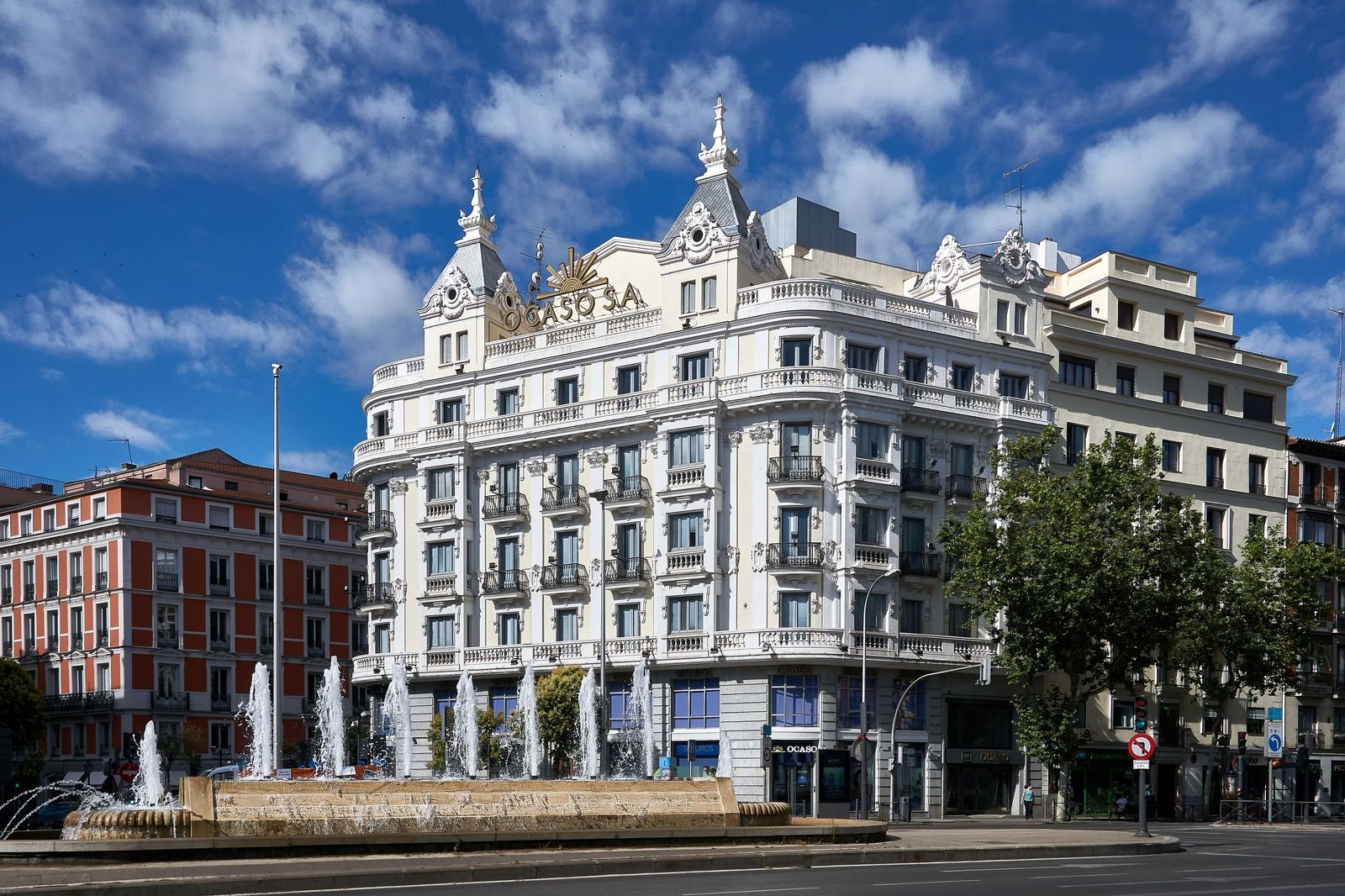
Madrid grabbed us by the shoulders on our very first evening, somewhere between a plate of jamón ibérico and a sunset that turned the whole Gran Vía gold. If Barcelona is Spain’s flashy showstopper, Madrid is the confident local who knows where all the good stuff is hiding.
We came to Madrid expecting a quick city break between other stops in Spain. We left convinced it deserves top billing on any Spanish itinerary. The art is world class, the food scene runs from century-old taverns to buzzing markets, and the city stays up later than any place we have ever visited. This guide covers everything we wish we had known before our first trip: what to do, where to eat, where to stay, and how to soak up Madrid like you belong there.
Why Visit Madrid?
Madrid often gets overshadowed by Barcelona, and honestly, that works in your favor. The Spanish capital delivers three of the world’s greatest art museums, a royal palace bigger than Versailles, sprawling parks, and a tapas culture that turns every evening into a moving feast, all with fewer crowds and lower prices than its coastal rival.
It is also the beating heart of Spain in a way that surprised us. Madrileños live outdoors: in plazas, on terrazas, in parks. By 10pm the streets are packed with families, friends, and couples of every age. The energy is contagious, and it makes Madrid one of the most fun cities in Europe just to exist in.
When to Visit Madrid
Madrid sits on a high plateau, so the weather swings harder than you might expect for Spain.
Spring (April to June) is our favorite window. Expect sunny days in the 60s and 70s, blooming rose gardens in Retiro Park, and long evenings made for terraza hopping.
Fall (September to October) is a close second, with warm days, cooler nights, and the city back in full swing after the August exodus.
Summer (July and August) gets seriously hot, regularly above 95 degrees. Many locals leave town in August and some family-run restaurants close. If you come in summer, do what we did: sightsee early, nap midafternoon, and live your best life after 8pm.
Winter (November to March) is chilly but rarely freezing, and hotel prices drop. December is lovely, with holiday lights strung across Gran Vía and Plaza Mayor’s Christmas market in full swing.
How Many Days Do You Need?
Three full days is the sweet spot for a first visit. That gives you a day for the art museums, a day for the Royal Palace and historic center, and a day for neighborhoods, markets, and Retiro Park. With four or five days you can add a day trip to Toledo or Segovia, both under an hour away and absolutely worth it.
Getting to and Around Madrid
Madrid Barajas Airport (MAD) is one of Europe’s major hubs with direct flights from several US cities. From the airport, the Metro gets you downtown in about 30 minutes for a few euros, or a flat-rate taxi costs 30 euros to anywhere in the city center.
Once you are in the center, Madrid is wonderfully walkable. Most of the big sights sit within a 30-minute walk of Puerta del Sol. When your feet give out, the Metro is clean, fast, and easy to navigate. We loaded a Multi Card with a 10-ride pass and shared it between the two of us, which is allowed and saved us money.
If Madrid is part of a bigger Spain trip, the high-speed AVE train connects Madrid to Barcelona in 2.5 hours and Sevilla in about 2.5 hours as well. Book AVE tickets a few weeks ahead for the best fares. For more Spain inspiration, our Barcelona travel guide and Sevilla travel guide cover both cities in depth.
The Big Three Art Museums
Madrid’s “Golden Triangle of Art” packs three world-class museums within a 15-minute walk of each other. Even if you are not a museum person, pick at least one.
The Prado
The Prado is Spain’s Louvre, home to Velázquez’s Las Meninas, Goya’s dark paintings, and an overwhelming collection of European masters. Go early or book a skip-the-line ticket, because the queue can eat an hour of your morning. Insider tip: entry is free the last two hours of every day, but the crowds are heavy then. We paid for a morning slot and had breathing room in front of the masterpieces.
Reina Sofía
The Reina Sofía is Madrid’s modern art powerhouse and home to Picasso’s Guernica, which stopped us in our tracks. The painting fills an entire wall, and the surrounding rooms walk you through the Spanish Civil War context that produced it. Even a quick 90-minute visit centered on Guernica is worth the ticket.
Thyssen-Bornemisza
The Thyssen fills every gap the other two leave: Impressionists, Dutch masters, American landscapes, German expressionists. It is the most relaxed of the three and Kimberly’s favorite. If you only have one museum day, do the Prado in the morning and the Thyssen after lunch.
Things to Do Beyond the Museums
Tour the Royal Palace
The Palacio Real is the largest functioning royal palace in Europe, with more than 3,000 rooms dripping in frescoes, crystal, and gold. The royal family does not actually live here, which is why so much of it is open to visitors. The throne room and the royal armory were our highlights. Book a timed-entry ticket in advance, especially in spring and summer.
Wander Retiro Park
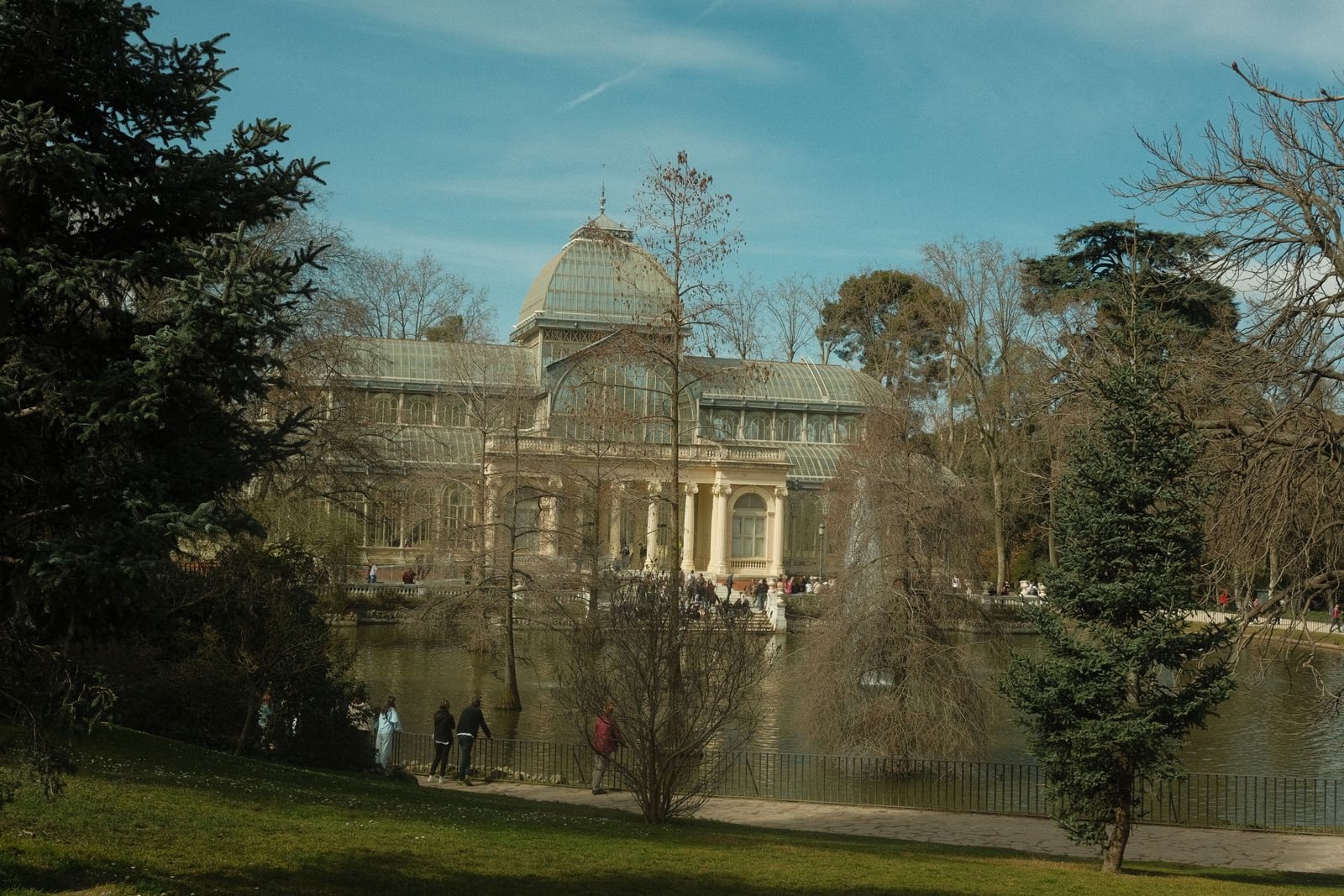
El Retiro is Madrid’s Central Park, 350 acres of formal gardens, fountains, and shaded paths just east of the Prado. Rent a rowboat on the lake in front of the Monument to Alfonso XII, find the gorgeous Crystal Palace, and join the locals sprawled on the grass. On Sunday afternoons the park turns into one giant picnic, and we loved every minute of it.
Watch the Sunset at the Temple of Debod
An actual ancient Egyptian temple, gifted to Spain in the 1960s, sits on a hilltop park west of the palace. It is the best free sunset spot in Madrid. Arrive 45 minutes early to claim a spot, then watch the sky burn orange behind the Sierra de Guadarrama.
Get Lost in the Historic Center
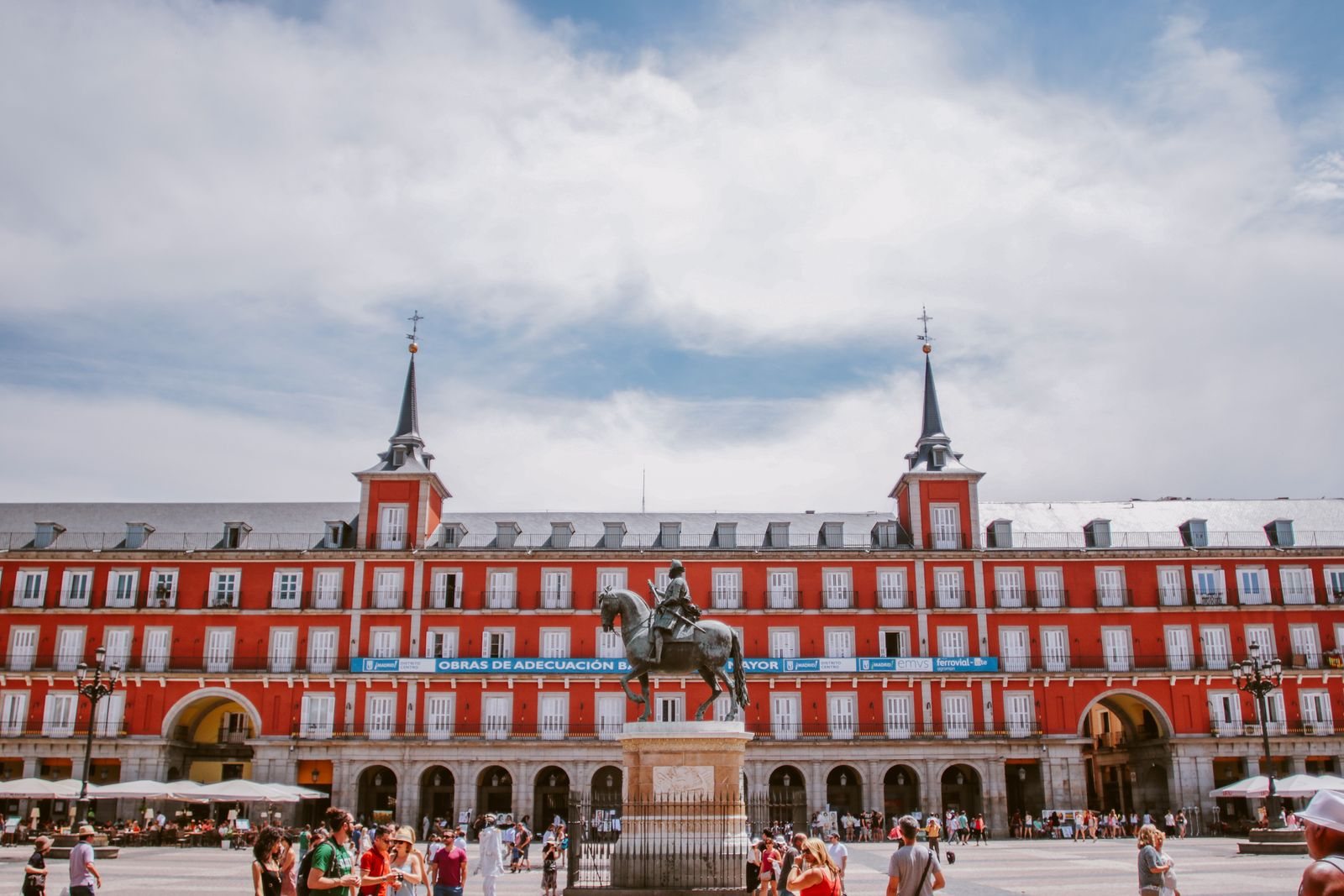
Start in Plaza Mayor, the grand arcaded square at Madrid’s heart, then wander the tangle of streets toward Puerta del Sol, the literal center of Spain (kilometer zero for all Spanish roads is marked on the sidewalk). Duck into the San Miguel Market for a glass of vermouth, then drift south into La Latina, the medieval quarter packed with tapas bars.
Catch a Flamenco Show
Flamenco was born in Andalusia, but Madrid attracts the country’s top performers. We booked an intimate tablao in the historic center and sat close enough to feel the floorboards shake. Skip the big dinner-show packages and book a show with just a drink included; the performances are better and cheaper.
Where to Eat: Madrid’s Food Scene
Eating is the main event in Madrid. A few rules of the road: lunch is the big meal (2pm to 4pm), dinner starts late (9pm at the earliest), and tapas hopping beats any single restaurant.
Mercado de San Miguel is touristy but gorgeous, a wrought-iron market hall filled with tapas counters. Go at 11am before the crush and graze on croquetas, olives, and cava.
Sobrino de Botín holds the Guinness record for the world’s oldest restaurant (1725) and roasts suckling pig in the original wood-fired oven. Yes, tourists fill half the tables. The cochinillo is still outstanding. Book weeks ahead.
La Latina’s Calle Cava Baja is wall-to-wall tapas bars. Our formula: one drink and one tapa per bar, then move on. Start with tortilla española, find some patatas bravas, and do not skip the vermut de grifo (vermouth on tap), Madrid’s signature aperitif.
Chocolatería San Ginés has served churros dipped in thick hot chocolate since 1894. It is open 24 hours, and the proper move is going at midnight after tapas.
For budgeting your food spending across a whole trip, our guide to how much a trip to Europe costs breaks down real daily numbers, and Madrid came in cheaper than almost every Western European capital we have visited.
Where to Stay in Madrid
Sol / Gran Vía puts you in the center of everything, walkable to the palace, Plaza Mayor, and the museums. It is busy and can be noisy, but for a first visit the convenience wins.
Barrio de las Letras (Literary Quarter) is our pick: charming pedestrian streets, great restaurants, and a 10-minute walk to the Prado. We stayed here and loved stumbling home through quiet lanes lined with quotes from Cervantes embedded in the pavement.
La Latina / Lavapiés offers the most local flavor and the best tapas density, ideal for a second visit or travelers who prioritize food.
Salamanca is the upscale district: designer shopping, wide boulevards, quieter nights. Great for luxury travelers, a longer Metro ride to the sights.
Day Trips from Madrid
Toledo, the ancient hilltop capital, is 33 minutes away by high-speed train. Cathedrals, synagogues, and mosques stack on top of each other in a maze of medieval streets. Go early and stay for lunch.
Segovia delivers a jaw-dropping Roman aqueduct, a fairytale castle that reportedly inspired Disney, and roast suckling pig. About 30 minutes on the AVE.
El Escorial, Philip II’s monastery-palace, is an easy half-day trip for history lovers.
Where to Book
Ready to make Madrid happen? Here is how we book our own trips:
- Hotels: We use Booking.com for Madrid hotels. Filter by guest rating 8.5+ in Sol, Las Letras, or La Latina and you will not go wrong.
- Tours and experiences: Viator has skip-the-line Prado tickets, Royal Palace guided tours, flamenco shows, and Toledo and Segovia day trips, all with free cancellation on most bookings.
Practical Tips for Visiting Madrid
- Money: Cards are accepted nearly everywhere, but carry some euros for small tapas bars and markets.
- Language: English is less common than in Barcelona. A few Spanish phrases go a long way, and locals warm up instantly when you try.
- Timing: Adjust your body clock. Lunch at 2pm, dinner at 9:30pm, and do not expect much to be open before 10am.
- Siesta reality: Many small shops close from 2pm to 5pm. Big stores and museums stay open.
- Safety: Madrid is very safe, but pickpockets work Puerta del Sol and the Metro. Front pockets and zipped bags, as always.
- Sunday tradition: Hit El Rastro flea market in La Latina, then tapas after. It is the most Madrid thing you can do.
Final Thoughts: Is Madrid Worth It?
Absolutely. Madrid gave us world-class art without the shoulder-to-shoulder crowds, some of the best food of any trip we have taken, and an energy that kept pulling us back out the door every evening. It is a city that rewards lingering: one more tapa, one more plaza, one more hour in the park. Give it three days minimum, and do not be surprised if you start plotting a return trip on the flight home.
If you are building a bigger Spain or Europe itinerary, check out our Barcelona travel guide for Madrid’s coastal rival, our Sevilla travel guide for Andalusian charm, and our breakdown of how much a trip to Europe really costs to plan your budget. Happy travels!