Disclosure: This post contains affiliate links. If you book through our links, we may earn a small commission at no extra cost to you. Thanks for supporting Faceted Travel!
Table of Contents
Croatia has one of the widest gaps between its best month and its worst month of any country in Europe, and almost nobody warns you about it. The same coastal town that is a slow, warm, half empty paradise in late September will have a two hour wait for a table and triple the room rate three weeks earlier. Get the timing right and Croatia is one of the best value trips in Europe. Get it wrong and you will spend a lot of money to stand in a line.
We have been in Croatia in June, in the last week of August, and in early October, and those three trips felt like three different countries. Here is what we learned, month by month, and how to choose based on what you actually want out of the trip.
The Short Answer
Late May to mid June and all of September are the best times to visit Croatia. The sea is swimmable, ferries run on full summer schedules, everything is open, the light is beautiful, and the crowds are a fraction of peak.
July and August are the worst value and the most crowded, but they are also the only months when the water is genuinely warm everywhere and the island nightlife is at full strength.
October and April are excellent for national parks, cities and driving, and poor for swimming and island hopping.
November to March is city season only. Do not plan an island trip.
Croatia Season by Season
Spring: April and May
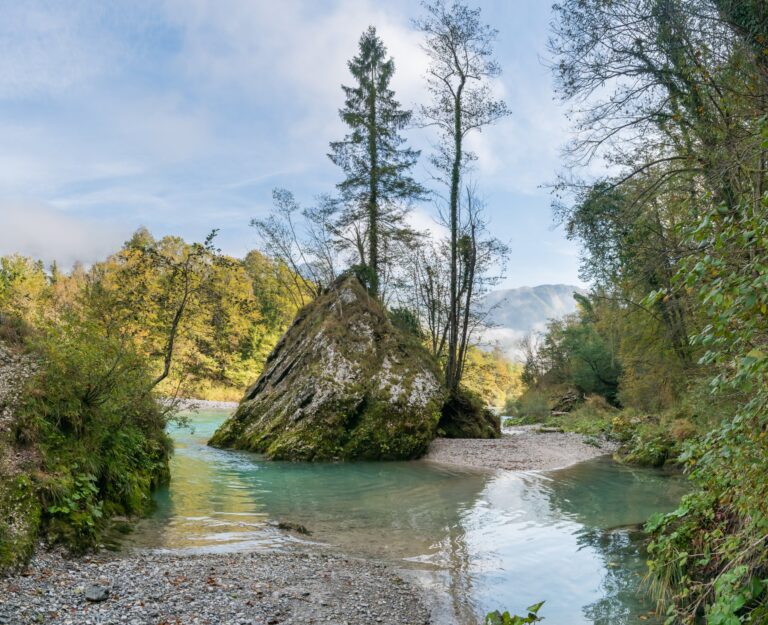
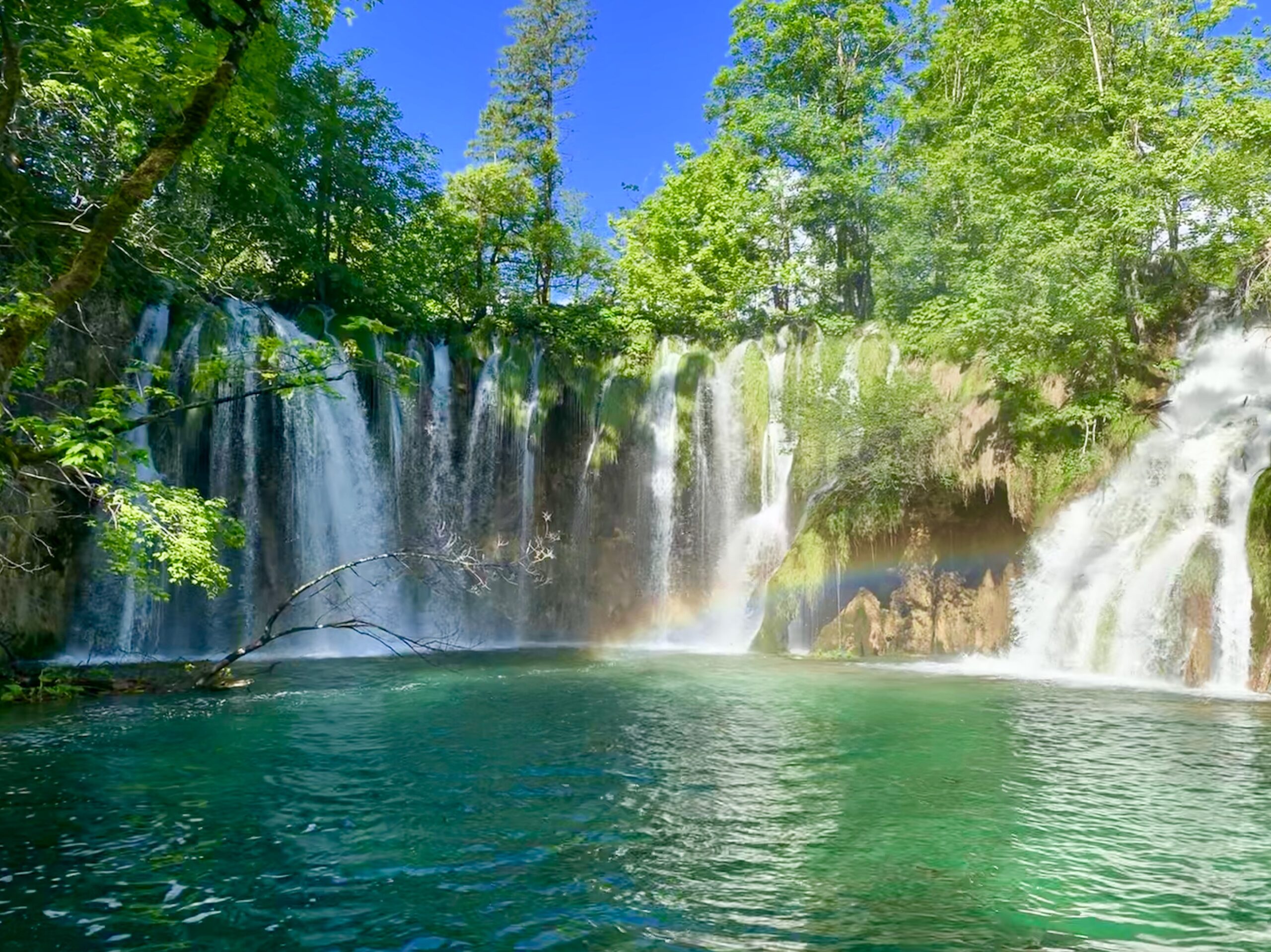
April is green, cool and cheap. Plitvice Lakes and Krka are at their most dramatic because the snowmelt is still coming through and the waterfalls are running at full volume. Wildflowers are out inland. Daytime highs on the coast sit around the low sixties Fahrenheit, and the sea is around 60 degrees, which is too cold for most people.
The catch in April is the ferry schedule. Catamarans between the islands run on winter timetables until roughly the start of May, and many island restaurants and hotels have not opened yet. If your trip is Zagreb, the parks, Istria and one or two mainland coastal cities, April is genuinely great. If your trip is island hopping, it is too early.
May is the month everything changes. By mid May the ferry timetables shift to summer frequency, island businesses open, and daytime temperatures reach the low seventies. The sea warms to around 65 to 68 degrees by late May, which is swimmable for the willing. The last ten days of May are, in our opinion, one of the two best windows in the Croatian calendar.
Early Summer: June
June is our favorite month in Croatia and it is not close. The sea has warmed to around 72 degrees. Daytime highs sit in the high seventies to low eighties. Everything is open, every ferry is running, and the crowds have not arrived in force until roughly the third week. Accommodation prices are meaningfully below July levels.
The daylight is also at its maximum, which matters more than people expect. Sunset in late June on the Dalmatian coast is close to 8:30pm, so you can spend a full day on a boat and still have a long, slow dinner in the light.
If you are booking flights for a June trip, book early. Our notes on flight timing are in best time to book flights.
Peak: July and August
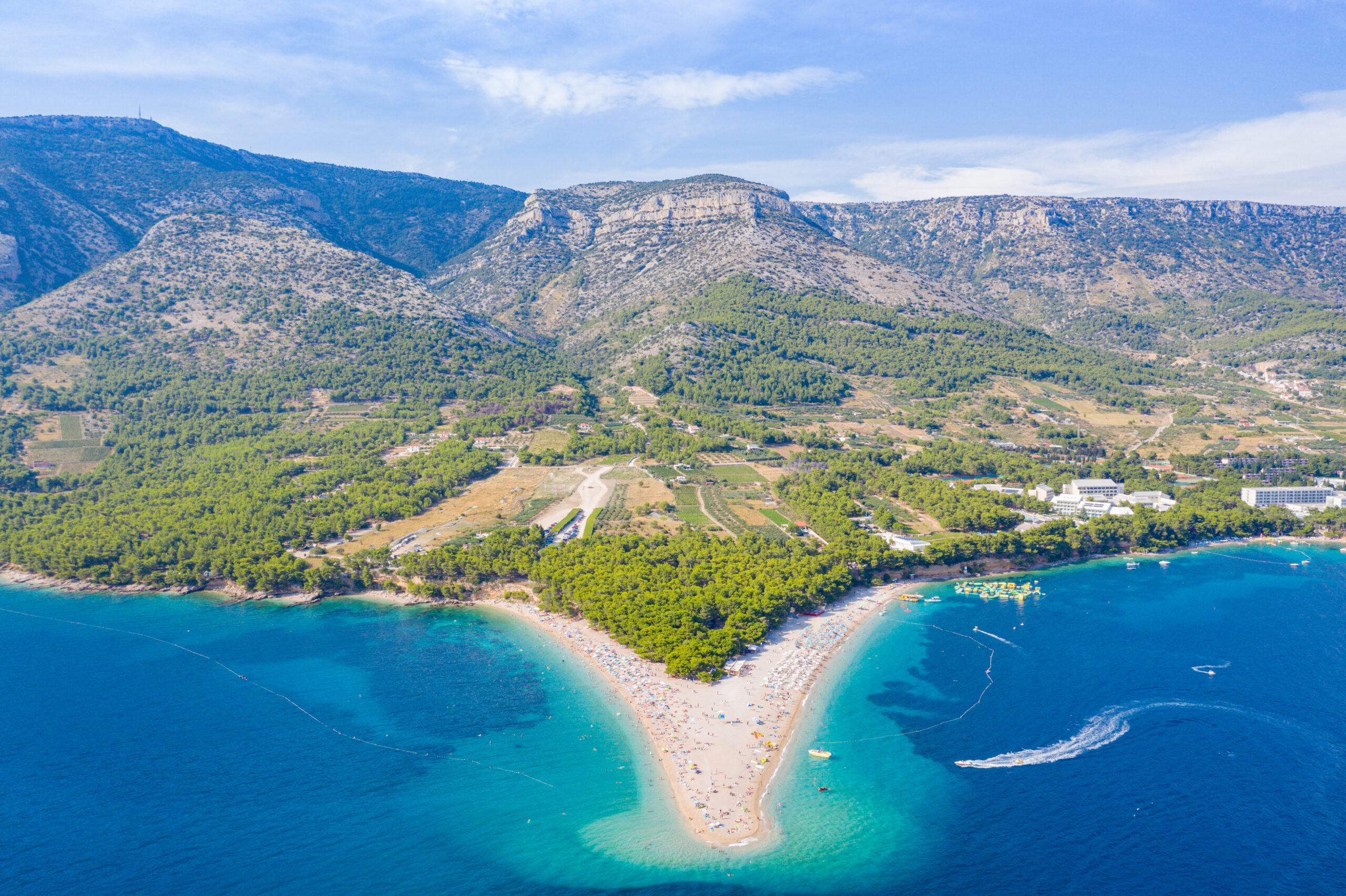
Let us be fair to peak season first. The water is at its warmest, around 77 to 80 degrees, which makes swimming effortless rather than a decision. Every boat trip, every wine tour, every restaurant is running. Hvar is genuinely fun in a way it simply is not in May. Festivals run all summer.
Now the reality. Daytime highs regularly exceed 90 degrees and the old towns are stone, which holds heat well into the evening. Dubrovnik and Split take multiple cruise ships a day and the old towns become extremely congested between roughly 10am and 4pm. Accommodation costs run 60 to 100 percent above shoulder season, and the good places sell out months ahead. Ferries and catamarans sell out too, which surprises people. Parking on the islands becomes a genuine problem.
If you can only travel in July or August because of school schedules, it is still worth going. Just adjust your plan: base yourself somewhere less cruise-heavy like Korcula, Zadar or Rovinj, see the old towns before 9am or after 6pm, book ferries and restaurants in advance, and plan your days around water rather than walking.
The Best Value Window: September
If June is our favorite month, September is the one we recommend most often, because it delivers nearly the same experience for less money.
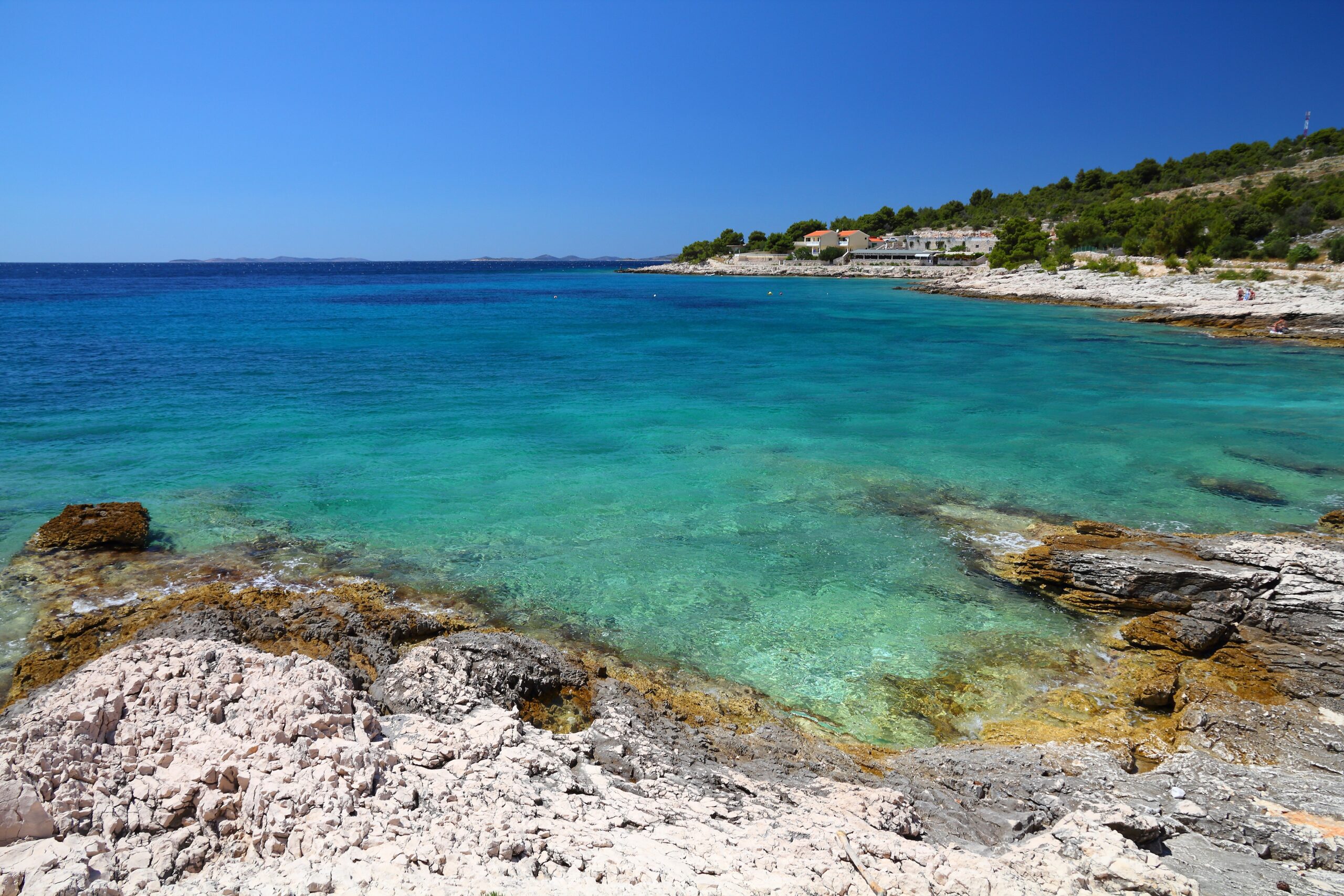
The sea is at its warmest of the entire year in early September, around 78 degrees, because the Adriatic takes all summer to heat up and holds it. Air temperatures drop back into the low eighties. Cruise traffic thins after the first week. Accommodation prices step down noticeably in the second week and again at the end of the month. Ferry schedules stay on summer frequency through most of the month.
The trade offs are shorter days and the first real chance of rain. By late September sunset is around 7pm and you may lose an afternoon to weather. We think that is a very fair price.
Autumn: October and November
Early October still works, especially in Istria, where the truffle season starts and the vineyards are turning. The sea is around 70 degrees and still swimmable for a quick dip. But the catamaran timetables revert to winter service around the middle of the month, island businesses close, and by November much of the coast is genuinely shut.
October is a good month for a Zagreb, Plitvice, Istria trip by car. It is a poor month for islands.
Winter: December to March
Coastal Croatia in winter is closed. That is the honest answer. Many island hotels and restaurants shut entirely, ferries run a skeleton schedule, and the bura wind can cancel sailings for days.
Cities, though, are a different story. Zagreb in December is excellent, and its Advent market has been repeatedly voted the best in Europe. Plitvice under snow is spectacular and nearly empty, though the upper trails close. Prices are at their lowest and flights are cheap.
Just do not plan a winter trip built around the coast and the islands. That is the mistake.
Weather at a Glance
| Month | Coastal high | Sea temp | Crowds | Ferries |
|---|---|---|---|---|
| April | 63F | 60F | Low | Winter schedule |
| May | 72F | 66F | Low to moderate | Summer from mid-month |
| June | 79F | 72F | Moderate | Full |
| July | 88F | 77F | Very high | Full, book ahead |
| August | 90F | 80F | Highest | Full, book ahead |
| September | 82F | 78F | Moderate | Full |
| October | 72F | 70F | Low | Winter from mid-month |
| Nov to Mar | 50 to 58F | 55 to 60F | Very low | Skeleton |
Inland Zagreb runs roughly 5 to 10 degrees cooler than the coast in summer and colder in winter, with real snow.
Events Worth Timing a Trip Around
Croatia’s calendar has a handful of events that are genuinely worth building a trip around rather than just stumbling into.
The Dubrovnik Summer Festival runs from mid July to late August and stages theater, opera and classical concerts on the city walls and in the courtyards of the old town. It is the single best argument for visiting Dubrovnik in peak season, because the setting does something no purpose built venue can.
The Split Summer Festival runs a similar program through July and August inside Diocletian’s Palace. Tickets are far easier to get than Dubrovnik’s.
Rijeka Carnival in February is the biggest winter event in the country and one of the largest carnivals in Europe, with a parade that runs for hours. It is a completely different Croatia from the summer version and it is a good reason to visit the north coast off season.
The Moreska sword dance on Korcula is performed weekly from June through September and on the town’s feast day in late July.
Advent in Zagreb runs from late November through early January and is the best reason to visit Croatia in winter. The whole Green Horseshoe fills with stalls, ice skating and outdoor bars.
Truffle season in Istria peaks from September through November, and the white truffle festivals around Livade and Buzet are a serious food destination.
Choosing Your Month by Trip Type
Island hopping and beaches: June or September. Both work; September has warmer water, June has longer days.
National parks and waterfalls: late April and May for maximum water volume, or October for autumn color and cool hiking temperatures.
Cities and culture only: any month. Zagreb, Split and Zadar all function year round, and winter is cheapest.
Sailing or a boat charter: June or September, for the same reasons as island hopping, plus calmer seas than the shoulder months.
Lowest possible budget: November through March if you stay in cities. Our full budget breakdown by season is in how much does a trip to Croatia cost.
Families with school-age kids: the last week of June or the first week of September, if your school calendar allows even a little flexibility. Those two weeks sit right on the edge of peak and save real money.
Practical Booking Notes
Book accommodation for June through September at least three to four months out, and closer to six for August in Dubrovnik, Hvar or Split. Croatia’s coastal supply is limited and it fills.
Book catamarans as soon as the schedule is released, usually in spring, if you are traveling in July or August. Foot passenger catamarans sell out. Car ferries rarely do, but the queues can be long.
Rent cars early for July and August. Croatian rental fleets are small relative to demand and last minute prices get ugly.
Check ferry schedules for your exact dates before booking anything, because the summer and winter timetables differ enormously and the changeover dates move slightly each year.
Where to Book
- Hotels and apartments: Booking.com for Croatia is what we use, especially for the free cancellation windows when you are booking far ahead.
- Tours, boats and day trips: Viator’s Croatia listings cover island day boats, park transfers and wine tours.
- Travel insurance: weather cancellations are a genuine risk on the Adriatic, which is part of why we cover it in best travel insurance for Europe.
Our Honest Take
If someone told us they were going to Croatia and asked for one piece of advice, it would be this: move your trip two weeks later than you were planning. Almost everyone instinctively books mid July, and almost everyone would have a better trip in the first week of September for less money.
The one exception is if the point of the trip is the island party scene, in which case peak really is peak and there is no substitute. For everything else, the shoulder is not a compromise in Croatia. It is the better version.
Keep planning: start with how to plan a trip to Croatia for the itinerary framework, price it out with how much does a trip to Croatia cost, and read our Split and Zagreb guides for the two ends of the country.