Disclosure: This post contains affiliate links. If you book through our links, we may earn a small commission at no extra cost to you. Thanks for supporting Faceted Travel!
In This Guide
We are going to say something that might surprise you: Thessaloniki is our favorite city in Greece. Not Athens, not Santorini. Thessaloniki. Greece’s second city does not get the tourist attention it deserves, and the people who live there will tell you, with a mixture of pride and relief, that they prefer it that way.
This is a city where Byzantine churches sit next to Ottoman mosques, where Roman ruins emerge from underneath modern streets, and where you can eat some of the most extraordinary food in the entire country without fighting crowds to get a table. We have been to Thessaloniki three times now and we keep finding new reasons to go back. Here is what you need to know.
What Makes Thessaloniki Special
Thessaloniki is Greece’s most layered city. Two thousand years of continuous habitation have left a density of history that even Athens struggles to match. The Romans built their triumphal arch here when Galerius made the city an imperial capital. Byzantium left some of the finest mosaics and frescoes in the Christian world. The Ottomans added mosques, hammams, and the legacy of a cosmopolitan Jewish community that thrived here for five centuries until the Second World War.
On top of all that history sits a modern, energetic Greek city with an outsized food culture (Thessalonians are fanatical about their cuisine), a massive university that keeps the city young and vibrant, and a waterfront promenade that is genuinely lovely to walk on a warm evening.
When to Visit Thessaloniki
Thessaloniki is a year-round destination because, unlike the Greek islands, it has a real urban life that continues through winter. That said, spring (April and May) and autumn (September and October) offer the best combination of pleasant weather and relatively manageable crowds.
Summer in Thessaloniki can be hot, with July and August regularly reaching 35 degrees Celsius or more. If you visit in summer, start your sightseeing early and retreat to air-conditioned cafes in the midday heat.
For timing your broader Greece trip, see our best time to visit Greece guide.
Getting to Thessaloniki
Thessaloniki Makedonia Airport (SKG) has direct connections to Athens and to many European cities, particularly in summer. Budget carriers like Ryanair and easyJet serve it from the UK and Germany.
By train from Athens, the journey takes about four hours and passes through some beautiful countryside. By bus (KTEL) takes around five to six hours. Thessaloniki is also a logical base for exploring northern Greece, including the monasteries of Meteora (about two to three hours by car or train) and the Halkidiki peninsula.
Where to Stay in Thessaloniki
The city center around Aristotelous Square and the waterfront is where we prefer to stay. Everywhere you want to be is walkable, the restaurant and bar scene is right outside your door, and the morning view over the Thermaic Gulf from a waterfront hotel is a wonderful way to start the day.
The Upper Town (Ano Poli) is the old Ottoman neighborhood of timber-framed houses that climbs the hillside above the city. Staying here gives you a quieter, more residential experience and stunning views over the city and bay, but you will do a lot of walking (uphill) to get back from dinner. It suits travelers who prioritize atmosphere over convenience.
Book accommodation through Booking.com for the widest choice and flexible cancellation.
Top Things to Do in Thessaloniki
Walk the Waterfront (Nea Paralia)
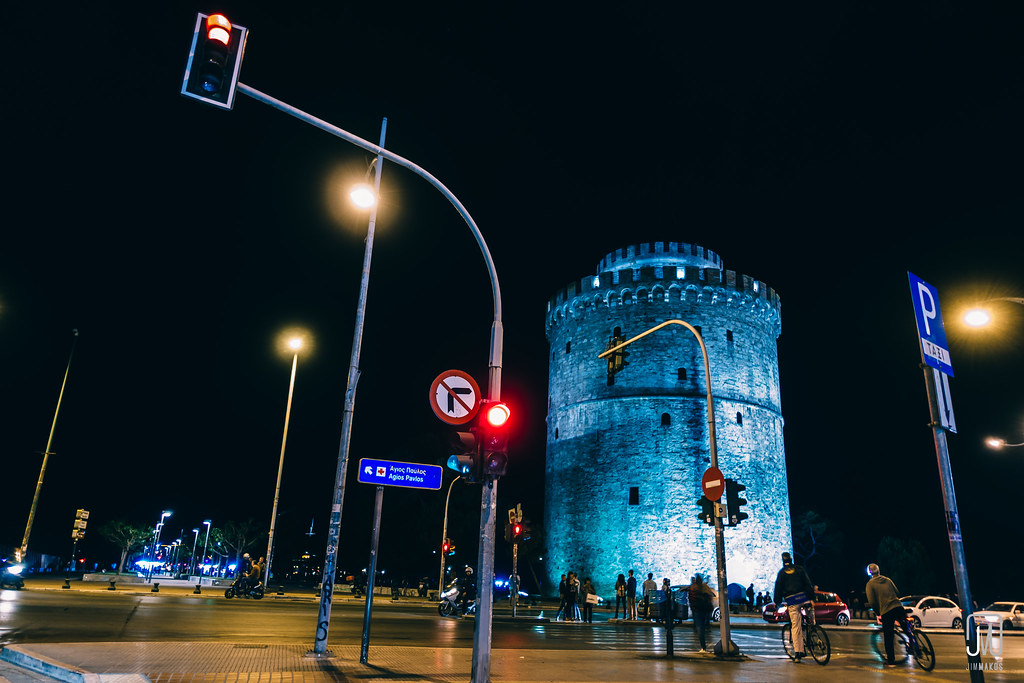
The renovated waterfront promenade stretches for about three kilometers along the Thermaic Gulf, anchored at one end by the iconic White Tower. This is where Thessalonians come to walk, cycle, eat, and drink at all hours of the day and evening. Join them. Walk the full length of the waterfront at sunset, with Mount Olympus visible across the bay on a clear day. It is a genuinely memorable experience.
Climb the White Tower
The symbol of Thessaloniki, the White Tower was built by the Ottomans in the 15th century as a fortification and later used as a prison. Today it is a museum of the city’s history, with exhibits on each floor and a rooftop terrace that offers the best panoramic view of the city and the bay. Go late in the afternoon when the light is best.
Explore the Byzantine Churches
Thessaloniki has an extraordinary collection of early Christian and Byzantine churches that together are listed as a UNESCO World Heritage Site. The Rotunda, originally built as a Roman mausoleum and later converted to a church, has mosaics dating to the 4th century. Hagia Sophia (a different building than the famous one in Istanbul, but nearly as impressive on a smaller scale) dates to the 8th century. The Church of Saint Demetrios, Thessaloniki’s patron saint, is the largest church in Greece and contains crypt excavations and 5th-century mosaics that will make your breath catch.
You could spend three full days visiting churches in Thessaloniki and still not see all of them. We recommend picking five or six of the highlights rather than trying to see everything.
Visit the Archaeological Museum
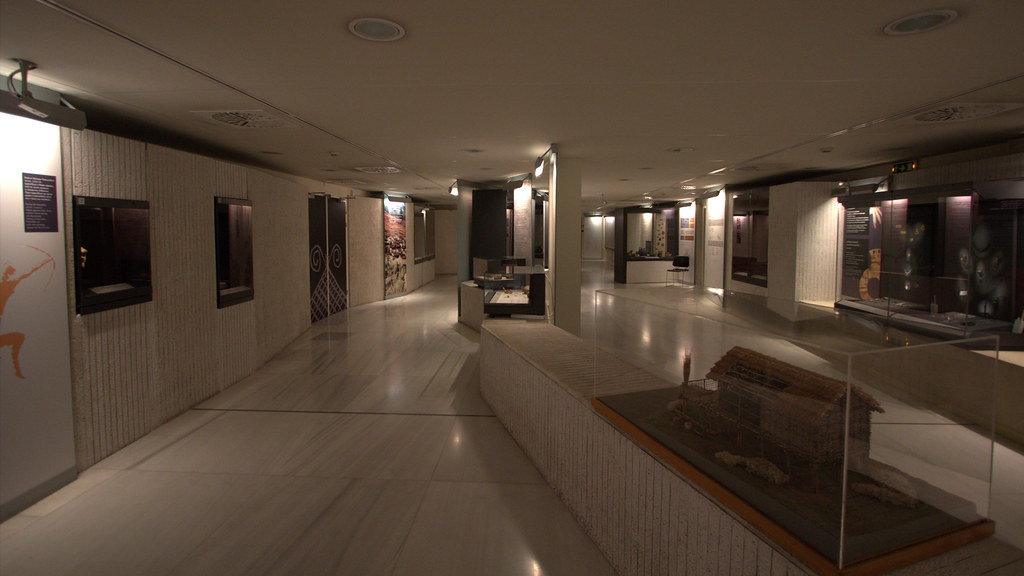
One of the best museums in Greece, Thessaloniki’s Archaeological Museum holds an extraordinary collection from the prehistoric to the Byzantine period. The star attractions are the Macedonian royal treasures found in the royal tombs at Vergina, including the golden burial chest (larnax) believed to contain the remains of Philip II of Macedon, father of Alexander the Great. Allow two to three hours and do not rush this one.
Eat Your Way Through the Markets
The Modiano and Kapani markets, side by side in the center of the city, are covered markets that have been feeding Thessaloniki for over a hundred years. This is where you find the city’s extraordinary range of olives (Thessalonians are serious about their olives), cheeses, dried fruits, spices, fresh fish, and all the raw ingredients of the local cuisine. Even if you are not cooking, walking through is an education in how Thessalonians eat.
Day Trip to Meteora
One of the advantages of being based in Thessaloniki is proximity to Meteora, the extraordinary cluster of Byzantine monasteries perched on top of sheer rock pillars in central Greece. A day trip is doable by car (about two and a half hours each way) or by organized tour, though we recommend spending a night there if you possibly can. The evening and morning light on the rock formations is unlike anything else in Greece.
What to Eat in Thessaloniki
This is the section that Thessalonians have been waiting for, because food is taken extremely seriously here.
Bougatsa is the essential Thessaloniki breakfast: a flaky pastry filled with semolina custard, dusted with powdered sugar and cinnamon. Thessalonians are emphatic that the bougatsa here is better than anywhere else in Greece. We do not disagree. Find a traditional bougatsa shop (look for places that have been open since before you were born) and order it with a strong Greek coffee.
Gyros in Thessaloniki comes with a distinctive sauce of garlicky yogurt and generous amounts of french fries stuffed inside the pita. It is deeply satisfying. The argument over which specific shop makes the best gyros in the city is an ongoing civic debate.
Pastourma and soutzoukakia are northern Greek meat preparations, the former a heavily spiced cured beef and the latter small spiced meatballs in tomato sauce. Both reflect the influence of Constantinople and the refugees who came to Thessaloniki in the 1920s.
For seafood, head to the fish tavernas near the Ladadika district or along the waterfront at Nea Krini (about 10 minutes by taxi from the center). Order whatever the boats brought in that morning.
Do not miss the local wines, particularly those from the Xinomavro grape grown in the Naoussa region, about an hour west of the city. Ask your waiter for a recommendation.
Book a food tour or walking experience through Viator to get properly oriented in the city’s food culture.
Where to Book Your Thessaloniki Trip
For accommodation, Booking.com offers the best range of options in and around the city center. For day trips to Meteora, Vergina, and Halkidiki, Viator has well-organized tours with knowledgeable guides.
Practical Tips for Visiting Thessaloniki
Get lost in the Upper Town. The Ano Poli neighborhood above the city walls is a labyrinth of old Ottoman streets, small cafes, and traditional houses that most tourists never bother with. It is one of the most atmospheric urban walks in Greece.
Pace your museum visits. The concentration of museums and churches can be overwhelming. Pick two or three priorities per day and leave room for the spontaneous finds.
Book the better restaurants for dinner. Thessaloniki has a genuinely excellent restaurant scene. A few of the best require reservations, particularly on weekends. Your accommodation can help.
Taxi or Uber is the easiest way to get around, particularly between the waterfront and the Upper Town. The city also has a small metro system that connects the main train station to the eastern suburbs.
How Many Days Do You Need in Thessaloniki?
We recommend three to four days in Thessaloniki to do it justice. That gives you time for a full day in the city center hitting the main sights (White Tower, waterfront, Rotunda), a second day for the Byzantine churches and the Archaeological Museum, a third day for the Upper Town and the Ladadika district, and a potential day trip to Meteora, Vergina, or the Halkidiki beaches.
If you only have two days, prioritize the waterfront, the White Tower, Hagia Sophia, the Archaeological Museum, the Modiano and Kapani markets, and dinner somewhere that takes its food seriously. Two days will give you a real taste of the city even if it will leave you wanting to come back.
One day is technically possible if you are passing through, but you will feel rushed and you will miss the thing that makes Thessaloniki special, which is its unhurried rhythm. A morning of churches, an afternoon in the market and Old Town, and a long evening dinner is a better use of one day than trying to check everything off a list.
Thessaloniki as Part of a Greece Trip
Thessaloniki works beautifully as a starting or ending point for a northern Greece circuit. From here you can visit Meteora, the royal tombs at Vergina (a UNESCO site in their own right), the Halkidiki peninsula for beaches, and the Mount Athos peninsula (for male visitors, with a special permit). You could build a very rewarding week without ever heading south to the islands.
Alternatively, fly into Thessaloniki, spend three to four days there, then fly or take the train to Athens and continue your Greek adventure. Our How to Plan a Trip to Greece guide helps you structure the logistics.
For a quick comparison: Athens wins on ancient history and international connections; Thessaloniki wins on food, Byzantine culture, and a more authentic everyday Greek city feel.
Final Thoughts on Thessaloniki
Thessaloniki rewards the traveler who is willing to step off the well-worn Greece itinerary and spend a few days in a city that has been doing its own thing for two thousand years. The food alone is worth the journey, but add the Byzantine churches, the Roman ruins, the extraordinary museum, and the waterfront sunsets, and you have a destination that will stay with you long after you leave.
We love Thessaloniki more with every visit. We think you will too.
Related: our guides to Meteora, Athens, and How to Plan a Trip to Greece.