Disclosure: This post contains affiliate links. If you book through our links, we may earn a small commission at no extra cost to you. Thanks for supporting Faceted Travel!
In This Guide
The first time we stepped off the ferry in Corfu, we were not prepared for how green it would be. After years of visiting sun-bleached Greek islands, Corfu felt almost impossibly lush, its hills blanketed in ancient olive groves, its Venetian Old Town gleaming in the morning light. This is an island that earned UNESCO World Heritage status for its architecture, and you feel that history at every turn.
We spent ten days exploring Corfu on one of our trips, and we still feel like we barely scratched the surface. From hidden beaches to hilltop villages to some of the best seafood we have ever eaten, Corfu is one of those places that keeps giving. Here is everything we know to help you plan your trip.
Why Corfu Should Be on Your Greece Itinerary
Corfu (Kerkyra in Greek) sits at the northwest edge of Greece, just off the Albanian and Italian coasts, and its history reflects that crossroads position. The Venetians controlled it for four centuries, leaving behind a distinctive architecture you will not find anywhere else in Greece: cobblestone lanes, pastel townhouses with shuttered windows, and fortresses that once guarded the Mediterranean.
Beyond the history, Corfu has natural beauty that rivals anything in the Greek islands. The northwest coast in particular, with its dramatic cliffs and turquoise coves, rivals the Amalfi Coast for sheer drama. And unlike many Greek islands, Corfu has enough fresh water to support all those olive trees, giving the island a softness and shade that feels like a gift in summer.
When to Visit Corfu
The best time to visit Corfu is in May, June, or September. The weather is warm and sunny, the beaches are far less crowded than July and August, and the famous meltemi winds that can kick up across the Aegean are less of a factor here than on the more exposed islands. We visited in late May and found nearly perfect conditions: 25 to 28 degrees Celsius, calm seas, and plenty of room to breathe on the beaches.
July and August are peak season. The island gets very busy, especially in Corfu Town and along the northeast coast, and prices for accommodation jump significantly. If you are visiting then, book well ahead and try to get to the beaches early in the morning.
For a deeper look at timing across Greece, see our guide on best time to visit Greece.
Getting to Corfu
Corfu has an international airport (CFU) that receives direct flights from most major European cities, particularly in summer. From within Greece, you can fly from Athens (about 50 minutes) or take a ferry.
The ferry is our preferred approach when combining Corfu with a broader Greek trip. From Igoumenitsa on the mainland, the crossing takes about 90 minutes. From Patras, there are overnight ferries to Corfu. If you are island hopping, there are also connections to Paxos and, with planning, onward to Lefkada and Kefalonia.
Where to Stay in Corfu
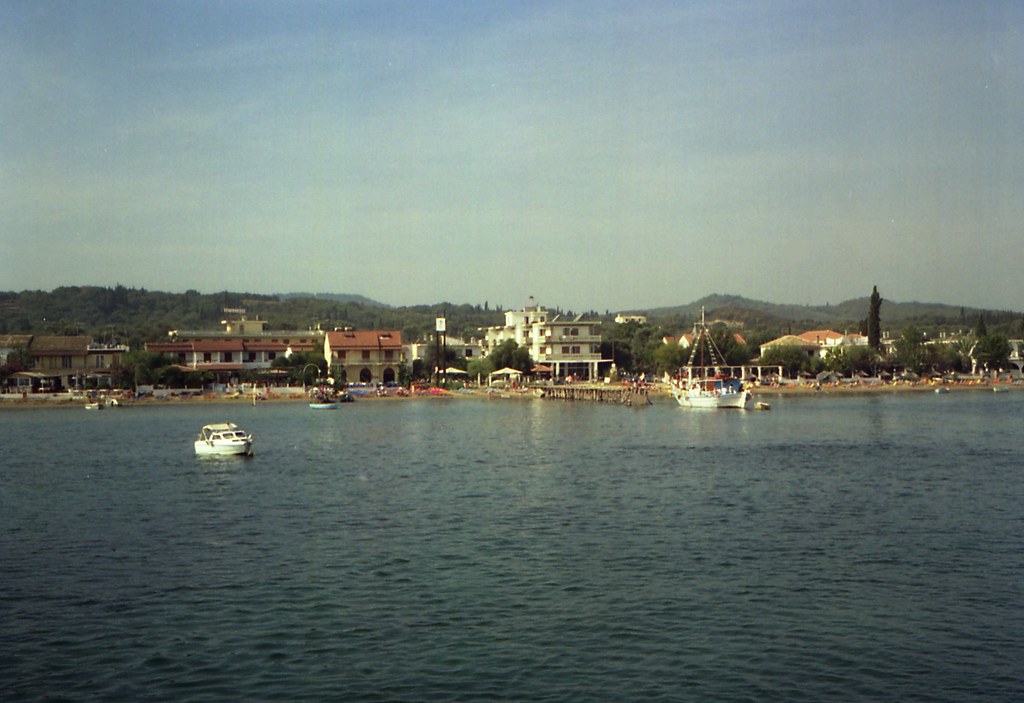
Corfu Town is our top pick for most travelers. Staying inside or just outside the Venetian Old Town puts you within walking distance of the best restaurants, the main sights, and evening life that actually feels local rather than purely touristic. Look for boutique guesthouses in converted Venetian buildings. It is genuinely magical to sleep somewhere that has stood for three hundred years.
Paleokastritsa on the northwest coast is ideal if your priority is beaches and scenery over town life. The setting, with its cliffs and turquoise bays, is extraordinary, and there are several very good hotels and smaller family-run places right on the water.
Sidari and Kassiopi in the north attract a mix of families and younger travelers. These are good if you want a livelier beach scene with more restaurants and bars within easy walking distance.
We always book our Corfu accommodation through Booking.com for the widest selection and free cancellation on most properties.
Top Things to Do in Corfu
Explore Corfu Town (Kerkyra)
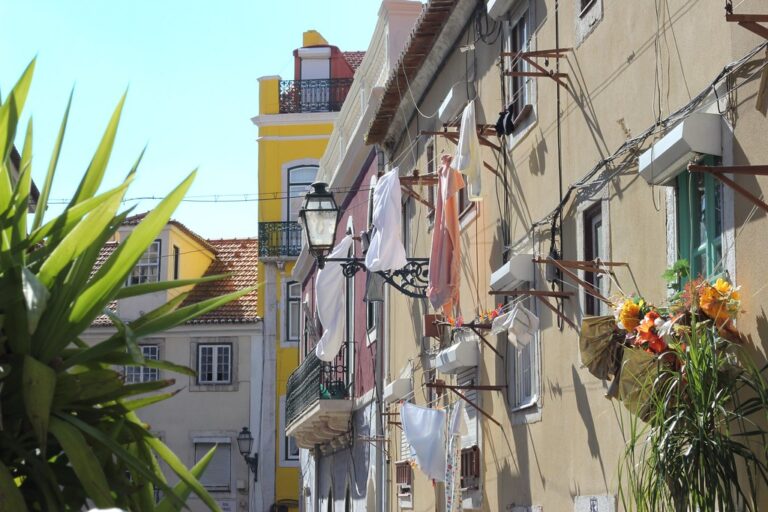
The Old Town is the heart of any visit to Corfu and one of the most beautiful urban spaces in all of Greece. Wander the Liston, an elegant arcaded promenade modeled after Paris’s Rue de Rivoli, built during Napoleon’s brief control of the island. Walk the narrow lanes of the Campiello quarter, where laundry flutters between buildings and cats sleep on doorsteps. Visit the Old and New Fortresses that bookend the town.
The Archaeological Museum is worth an hour of your time for its collection of ancient artifacts from the island, including the famous Gorgon pediment from the Temple of Artemis. Allow a full day for Corfu Town and try to be in the Old Town at sunset, when the light on the Venetian facades turns gold.
Visit the Palace of St. Michael and St. George
Built during the British protectorate period in the early 19th century, this grand neoclassical palace now houses the Museum of Asian Art, which sounds incongruous until you realize it holds one of the finest collections of Asian art in Europe. The gardens in front of the palace are lovely for an evening stroll.
Swim at Paleokastritsa
This is the postcard of Corfu: a series of small coves tucked between dramatic limestone cliffs on the northwest coast, the water a color somewhere between turquoise and cobalt. The main beach gets busy, but the smaller coves, reached by the little water taxis that run from the main beach, are far more peaceful. Go early in the morning before the tour buses arrive.
Above Paleokastritsa, a medieval monastery sits on a headland with views that will stop you in your tracks. It is still an active monastery, so dress modestly (shoulders and knees covered) and visit in the morning before noon.
Drive the Northwest Coast
One of our favorite memories from Corfu is renting a small car and driving the northwest coast road from Paleokastritsa up toward Sidari and Roda. The road winds through olive groves and small villages, with occasional pull-offs where you can look down over nearly deserted beaches. Stop at Angelokastro, a ruined Byzantine castle perched on a headland above the sea with views all the way to Albania on a clear day. This is not something you can experience on a tour bus.
Hike to Pantokrator
At 906 meters, Mount Pantokrator is the highest point on Corfu, and the hike (or drive, if you prefer) up to the summit rewards you with views over the entire island and across to the Albanian mountains and the coast of Italy. There is a monastery at the top and, on a clear day, the panorama is extraordinary. The surrounding area is wonderful walking country, with olive groves and meadows that feel a world away from the beach scene below.
Day Trip to Paxos and Antipaxos
If you want to see what a Greek island looked like before tourism really arrived, take the boat to Paxos. This tiny island, just an hour from Corfu, has a few fishing villages, absurdly beautiful beaches (especially on neighboring Antipaxos, whose water is some of the clearest we have ever seen), and a pace of life that feels genuinely unhurried. Day trips run from Corfu Town and from several of the northern coast ports.
Where to Eat in Corfu
Corfiot cuisine has its own character, shaped by the long Venetian and British periods. You will find dishes and flavors here that you will not encounter on other Greek islands.
Sofrito is the defining Corfiot dish: thin slices of veal slow-cooked in a sauce of white wine, garlic, and parsley. Order it whenever you see it. Bourdeto is a spicy fish stew with potatoes that is intensely warming. Pastitsada is a pasta dish with rooster or beef in a rich spiced sauce, a direct inheritance from the Venetian period.
In Corfu Town, the restaurants in the Campiello quarter tend to be more authentic and better value than the places along the Liston. We loved a small family taverna on one of the back lanes where the owners were fishing their own fish and the menu changed daily. Ask your accommodation for their recommendation rather than following the tourist maps.
For sweets, try the local kumquat liqueur (Corfu is one of the only places in Europe where kumquats grow) and the mandolato, a nougat-like confection sold in sweet shops throughout town.
Book a culinary experience or food tour through Viator to dig deeper into the local food culture.
Where to Book Your Corfu Trip
For accommodation, we use Booking.com for the best selection of hotels, apartments, and villas. For tours, boat trips to Paxos, and cooking classes, Viator has plenty of well-reviewed options.
Practical Tips for Visiting Corfu
Renting a car is the best way to explore beyond Corfu Town and the main beach areas. The north coast in particular is hard to reach by public bus. Rental cars are widely available at the airport and in Corfu Town.
Scooters and ATVs are popular but the roads can be narrow and winding. If you are not experienced with this kind of driving, stick to a car.
The Old Town is walkable but can get very hot in midday summer. Start your sightseeing in the morning, take a long lunch break, and come back out in the late afternoon when the light is better anyway.
Cash is useful for smaller tavernas and village shops. ATMs are plentiful in Corfu Town.
Language: Basic Greek phrases are appreciated, but English is widely spoken throughout the island.
Combining Corfu with the Rest of Greece
Corfu pairs beautifully with a broader Greece trip. If you are flying into Athens, consider building a trip that includes a few days in Athens, a ferry or flight to Corfu, and then continuing your Greek island exploration. Our How to Plan a Trip to Greece guide walks through how to structure a trip that gets the most out of the country.
For the classic Greek islands experience alongside Corfu, Santorini and Mykonos are both easy to reach and together make for a varied and memorable itinerary.
Final Thoughts on Corfu
Corfu earned its place as one of Greece’s most beloved islands for good reason. The combination of extraordinary architecture, lush green scenery, beautiful beaches, and a food culture all its own makes it stand apart from the more familiar Cycladic islands. We left feeling like we had discovered a different side of Greece entirely, and we are already planning to go back.
Start with Corfu Town, give yourself time to wander without a plan, and let the island unfold at its own pace. That is the best travel advice we can give for Corfu.
Planning a broader Greek trip? Check out our guides to Mykonos, Santorini, and How to Plan a Trip to Greece for more inspiration.