Disclosure: This post contains affiliate links. If you book through our links, we may earn a small commission at no extra cost to you. Thanks for supporting Faceted Travel!
Table of Contents
- Why Oslo Deserves More Than a Layover
- When to Visit Oslo
- How Many Days Do You Need in Oslo?
- The Best Things to Do in Oslo
- Where to Eat and Drink in Oslo
- Getting Around Oslo
- Where to Stay in Oslo
- Oslo as a Base for the Rest of Norway
- What Oslo Costs
- Practical Tips We Learned the Hard Way
- Where to Book
- Is Oslo Worth It?
We almost skipped Oslo. Everybody told us it was the city you fly into on your way to the fjords, and we believed them right up until the ferry dropped us on the Bygdøy peninsula and we spent four hours staring at a thousand-year-old Viking ship without noticing the time pass. Oslo is not a layover. It is a compact, walkable, wildly good-looking capital where the forest starts twenty minutes from the opera house and the harbor is clean enough that locals swim in it on their lunch break.
We have now been to Oslo twice, once in June when the sun barely set and once in a chilly, blue-lit September, and both trips changed how we think about Norwegian cities. Here is everything we wish we had known the first time.
Why Oslo Deserves More Than a Layover
Oslo is small for a capital. The core is roughly a mile and a half across, which means you can walk from the Royal Palace to the Opera House to the fortress without ever needing a taxi. That density is the whole appeal. In one afternoon you can go from a world-class art museum to a rooftop sauna to a fjord-side seafood shack.
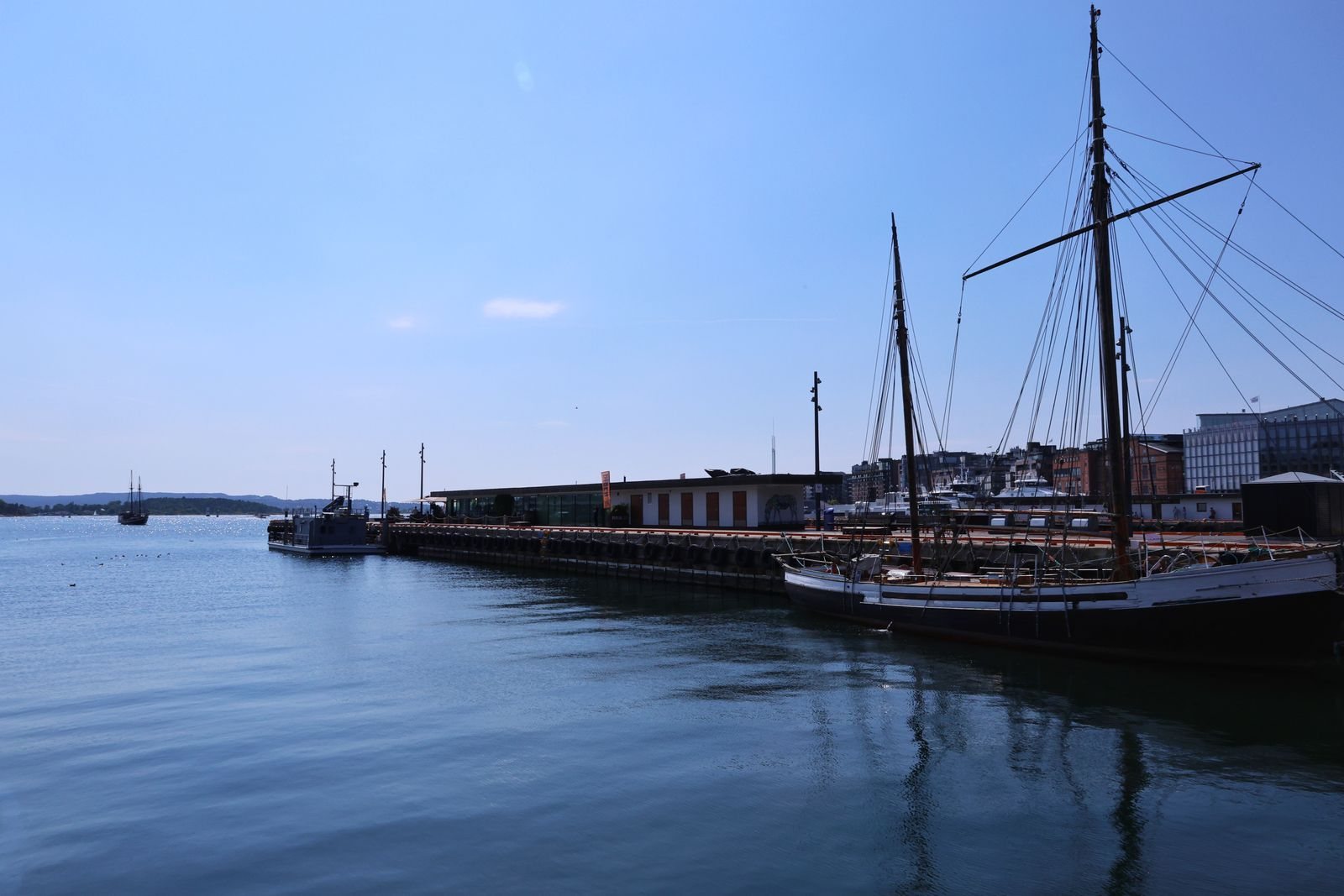
The city also spent the last fifteen years rebuilding its waterfront, and the result is one of the most impressive urban transformations in Europe. What used to be shipping containers is now the Barcode district, the new National Museum, the new Munch museum, and a harbor promenade you can walk end to end.
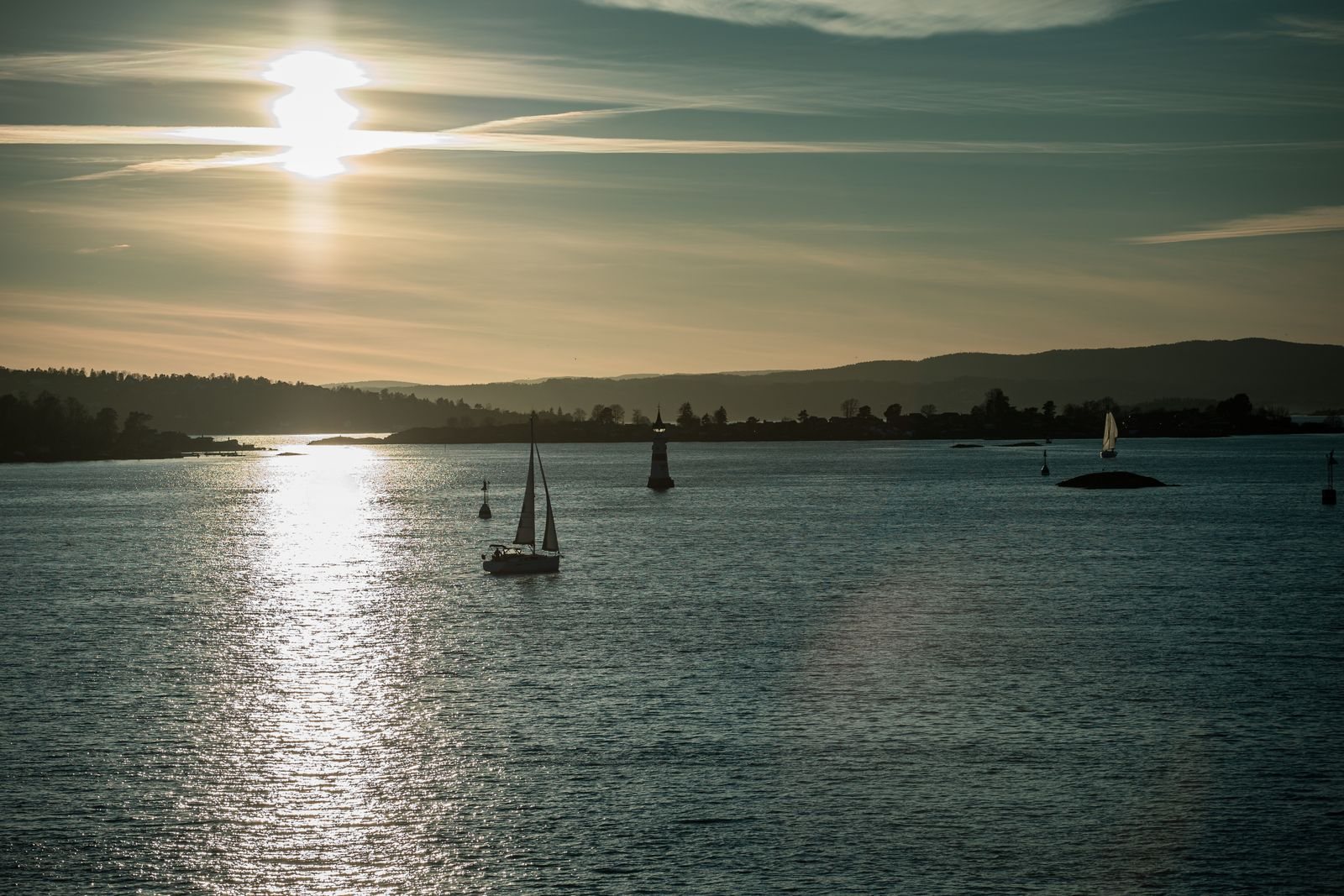
And then there is the nature. Oslo sits at the head of a fjord with 40 islands in it, and the city limits include a forest, Nordmarka, with hundreds of miles of trails. Almost no other capital gives you that.
When to Visit Oslo
Summer, roughly late May through August, is Oslo at its best. The days stretch to nearly midnight, the harbor swimming spots fill up, and every restaurant pushes tables outside. This is also peak pricing, so book early.
September and early October bring gorgeous fall color in Nordmarka and much thinner crowds. We loved this window. Bring layers and expect rain.
Winter is dark and quiet, but it is also when Oslo feels most Norwegian: candles in every window, cross country ski trails lit until 10pm inside the city, and hot chocolate that costs more than you would like. If you are timing a bigger Norway trip, we broke down the seasons in detail in our guide to the best time to visit Norway.
How Many Days Do You Need in Oslo?
Two full days covers the highlights comfortably. Three days lets you add an island trip or a proper forest hike without rushing. We would not go shorter than two.
Here is roughly how we would structure three days:
Day one: the waterfront. Opera House roof, the harbor promenade, the new Munch museum, Aker Brygge for dinner.
Day two: Bygdøy peninsula museums in the morning, Vigeland Sculpture Park in the afternoon, Grünerløkka for dinner and drinks.
Day three: ferry to one of the fjord islands, or a half day hike in Nordmarka, then the National Museum in the afternoon.
The Best Things to Do in Oslo
Walk on the Roof of the Opera House
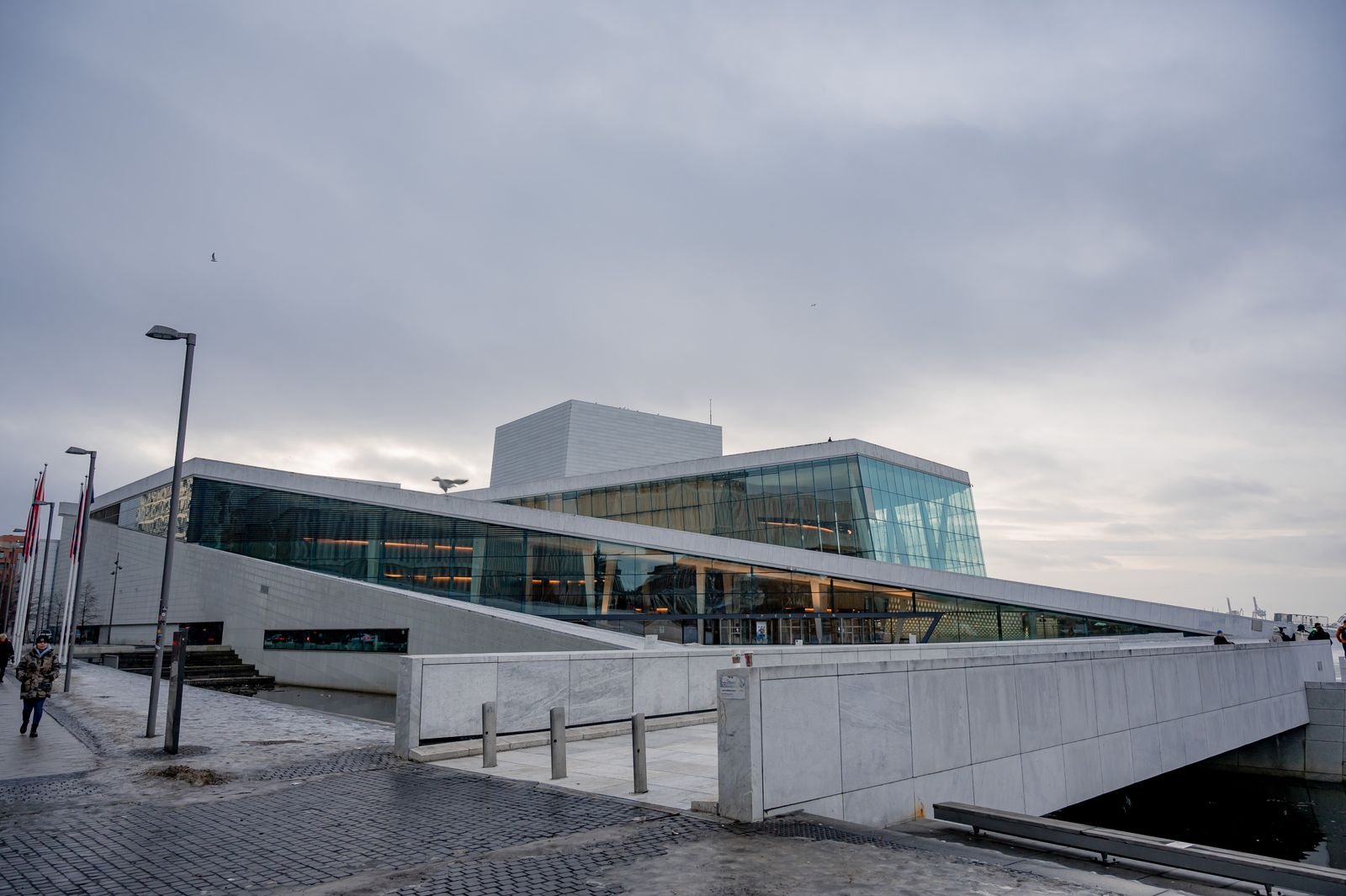
The Oslo Opera House is designed to be climbed. The white marble roof slopes right down into the fjord, so you walk up it like a hillside and end up with a 360 degree view of the harbor, the Barcode towers, and the water. It is free, it is open all the time, and it is the single best introduction to the city. Go at golden hour.
The Munch Museum
Edvard Munch left the city of Oslo roughly 26,000 works when he died, and the new 13-story museum on the waterfront finally has room to show them properly. Yes, there are versions of The Scream here, displayed on a rotating schedule so no single one gets too much light. But the quieter rooms are what stayed with us: the late self-portraits, the landscapes, the sheer volume of a life’s work in one building.
Give it two hours minimum. The top floor bar has one of the best views in Oslo.
The Viking Ship Museum and Bygdøy
The Bygdøy peninsula is a short ferry ride from the city hall pier and holds a remarkable cluster of museums. The Viking Ship Museum is the headliner, with ships pulled from burial mounds and preserved almost impossibly well. Check current opening status before you go, since the museum has been undergoing a major rebuild and reopening in phases.
Nearby you also have the Fram Museum, built around the actual polar exploration ship that went farther north and farther south than any wooden vessel, and the Norwegian Museum of Cultural History with its 13th century stave church moved timber by timber from Gol. We did all three in one long, very satisfying day.
Vigeland Sculpture Park
Over 200 bronze and granite sculptures by Gustav Vigeland, all of naked human figures at every stage of life, spread across a park that locals treat as a normal neighborhood green space. It is free, it is open 24 hours, and it is genuinely strange in the best way. The Monolith at the top of the hill, carved from a single block of granite with 121 intertwined figures, is worth the walk up.
Swim or Sauna in the Fjord
This is the thing that surprised us most. Oslo’s harbor is clean, and the city built public swimming areas right into it. In summer, Sørenga and Tjuvholmen fill with people jumping into the fjord in the middle of downtown. Year round, floating wood-fired saunas dot the waterfront, and you can book a session, sweat, and then drop straight into cold saltwater with the opera house in view.
We did a sauna in September with the air at about 50 degrees. It was the best hour of the trip.
Akershus Fortress
A medieval castle and fortress sitting on the harbor, free to walk around, with grassy ramparts and cannons pointed at the water. It is a nice, quiet counterweight to all the new glass architecture across the bay. The grounds are the draw more than the interiors.
Take a Ferry to the Islands
Oslo’s public transit ferries run out to a handful of small islands in the inner fjord, and they are covered by a normal transit ticket. Hovedøya has monastery ruins and beaches. Gressholmen is quieter and good for a picnic. It costs the same as a bus ride and feels like a day trip.
Where to Eat and Drink in Oslo
Oslo is expensive. There is no getting around it. But the food scene has gotten seriously good, and there are ways to eat well without spending a fortune.
Mathallen Oslo is a food hall in the Vulkan district with dozens of vendors, and it is the easiest way to try Norwegian cheese, cured meats, and seafood in one stop without committing to a full restaurant bill.
Grünerløkka is the neighborhood we kept coming back to for dinner. It is the old working class district turned into Oslo’s coolest area, full of independent coffee roasters, natural wine bars, and reasonably priced places to eat.
Aker Brygge and Tjuvholmen are the waterfront dining strips. More expensive and more touristy, but the setting at sunset over the fjord is hard to argue with.
For a budget move: grocery stores. Norwegians do this constantly. Grab smoked salmon, brown cheese, flatbread, and berries from a Rema 1000 or Kiwi and eat on the opera house roof. We did this twice and it was one of our favorite meals.
Getting Around Oslo
The public transit system, Ruter, covers trams, buses, the metro, and the local ferries on one ticket. Buy a 24-hour or 7-day pass in the Ruter app and stop thinking about it. A single ticket covers 60 minutes with unlimited transfers.
The airport train from Oslo Gardermoen takes about 20 minutes on the express or about 25 on the slower regional train, which is noticeably cheaper for a few extra minutes. We always take the regional train.
Honestly though, you will walk most places. The center is small and flat and the sidewalks are excellent.
Where to Stay in Oslo
Sentrum (city center) puts you within walking distance of nearly everything, including the train station and the waterfront. Best choice for a first visit or a short stay.
Grünerløkka is where we stayed the second time. Twenty minutes on foot from the center, far better restaurants, more neighborhood feel, and slightly lower prices.
Aker Brygge and Tjuvholmen are the splurge waterfront options with fjord views.
Near Oslo S station is the practical pick if you are connecting onward to Bergen by train, which is a spectacular ride and worth building into your itinerary.
Oslo as a Base for the Rest of Norway
Most people fly into Oslo and immediately head west, and honestly that is a solid plan as long as you give Oslo its two days first. The Bergen Railway from Oslo to Bergen is one of the great train journeys in the world, roughly seven hours across a high mountain plateau, and it costs a fraction of what a comparable scenic rail trip costs elsewhere.
From Bergen you are positioned for the fjords, and from there you can push north to the Lofoten Islands or all the way up to Tromsø for northern lights season. Oslo is the natural front door to all of it.
What Oslo Costs
Norway is one of the more expensive countries in Europe, and Oslo is the most expensive part of it. Expect to pay a premium on restaurant meals, and expect alcohol in particular to be steep because of taxes.
Where you save: museums are reasonably priced, public transit is cheap, the Oslo Pass bundles transit and most major museums if you plan to visit three or more in a day, and grocery stores are a legitimate strategy. Accommodation is where your budget goes, so book early. Our breakdown of how much a trip to Europe costs has more on setting a realistic daily number.
Practical Tips We Learned the Hard Way
Norway is effectively cashless. We did not use a single krone in cash across two trips. Bring a card with no foreign transaction fees and you are fine.
Tap water is excellent, so carry a bottle rather than buying water.
Summer daylight is genuinely disorienting. It was bright at 11pm in June, and we slept badly the first two nights. Bring a sleep mask.
Weather changes fast, even in July. A light rain shell earns its space in the bag every single time.
Book fjord-bound trains and any Bergen Railway seat well in advance in summer. They sell out, and the walk-up price is much higher.
Travel insurance matters more than usual here, mostly because Norway trips tend to involve boats, trains, hikes, and expensive prepaid bookings. We wrote up how we choose a policy in our guide to travel insurance for Europe.
Where to Book
Hotels: We book Oslo stays through Booking.com, which has the deepest inventory in the city center and Grünerløkka and, importantly, the most free-cancellation options. In a city this expensive, locking in a refundable rate early and rebooking if something better appears is the right move.
Tours and activities: For fjord cruises, sauna sessions, walking tours, and day trips out of the city, we use Viator. Booking the fjord sightseeing cruise and any guided food tours ahead of time is worth it in summer, when the good slots go fast.
Flights: Oslo Gardermoen is well served from most major European hubs and has direct routes from several US cities in summer. Our notes on the best time to book flights apply here, and the short version is that Norway routes reward booking earlier than you think.
Is Oslo Worth It?
Yes, and we say that as people who arrived skeptical. Oslo is not trying to be Copenhagen or Stockholm. It is quieter, greener, more oriented toward the water and the forest, and far more relaxed than a capital city has any right to be. Give it two days. Walk the opera house roof at sunset. Get in the fjord. Then take the train west.
Planning more of Norway? Start with our Bergen travel guide for the fjord gateway, our Lofoten Islands guide for the most photogenic corner of the country, and our guide to the best time to visit Europe if you are still deciding when to go.