Disclosure: This post contains affiliate links. If you book through our links, we may earn a small commission at no extra cost to you. Thanks for supporting Faceted Travel!
Table of Contents
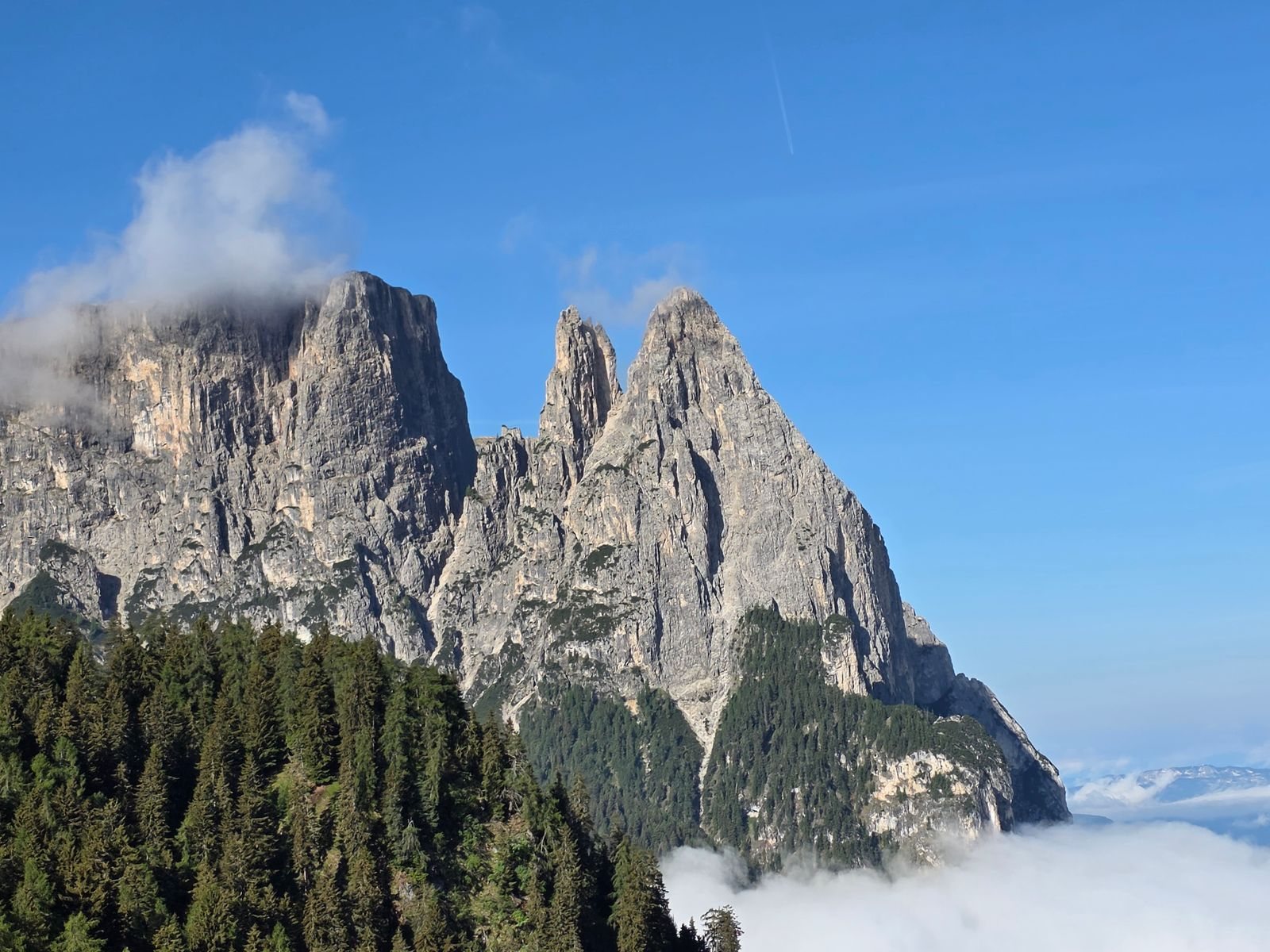
We thought we knew what Italian scenery looked like: rolling Tuscan hills, turquoise coastlines, lake towns in pastel. Then we drove into the Dolomites and saw pale limestone spires glowing pink at sunset above emerald meadows, and we realized Italy had been hiding its most dramatic landscape from us the whole time. It did not look like Italy. It looked like another planet, and we could not stop staring.
The Dolomites are a mountain range in northeastern Italy so distinctive that UNESCO named them a World Heritage Site. This is Italy with a German accent, where the pasta comes with dumplings, the villages have two names, and jagged peaks called the “Pale Mountains” turn rose-gold at dawn and dusk in a phenomenon locals call the enrosadira. Here is our guide to one of the most beautiful places we have ever set foot.
Where Are the Dolomites?
The Dolomites sprawl across three provinces in northern Italy, mainly South Tyrol (Alto Adige), Trentino, and the Veneto, north of Venice and east of Lake Garda. This region only became part of Italy after World War I, which is why so much of it still feels Austrian: German is spoken alongside Italian, towns like Bolzano double as Bozen, and the food leans hearty and alpine.
That location makes the Dolomites easier to reach than you might expect. They sit roughly two hours north of Venice and about two hours from Verona, so they slot beautifully onto a northern Italy trip. We paired our visit with the lakes, and if you are doing the same, our Lake Garda, Italy travel guide covers the perfect warm-up stop on the way up.
Where to Base Yourself
The Dolomites are big, and where you stay shapes your whole trip. These are the bases we would consider.
Cortina d’Ampezzo
The glamorous one. Cortina is the region’s famous resort town, a host of the Winter Olympics, ringed by some of the most iconic peaks in the range. It is polished and pricey, with great restaurants and easy access to showstoppers like Lago di Braies and the Tre Cime. If you want comfort and a lively town base, Cortina delivers.
Val Gardena (Ortisei, Selva, Santa Cristina)
Our personal favorite. Val Gardena is a stunning valley in South Tyrol with three connected villages, a web of cable cars, flower-filled meadows, and direct access to the Alpe di Siusi and the Seceda ridgeline. Ortisei is postcard-pretty and walkable, and the whole valley is a hiking and skiing paradise.
Alta Badia and Val di Funes
For quieter, storybook scenery, Val di Funes is home to the most photographed church in the Alps, the little chapel of St. Johann set against a wall of jagged peaks. Alta Badia is a series of high, sunny villages that are heaven for hikers and food lovers alike.
The Best Things to Do in the Dolomites
See Lago di Braies
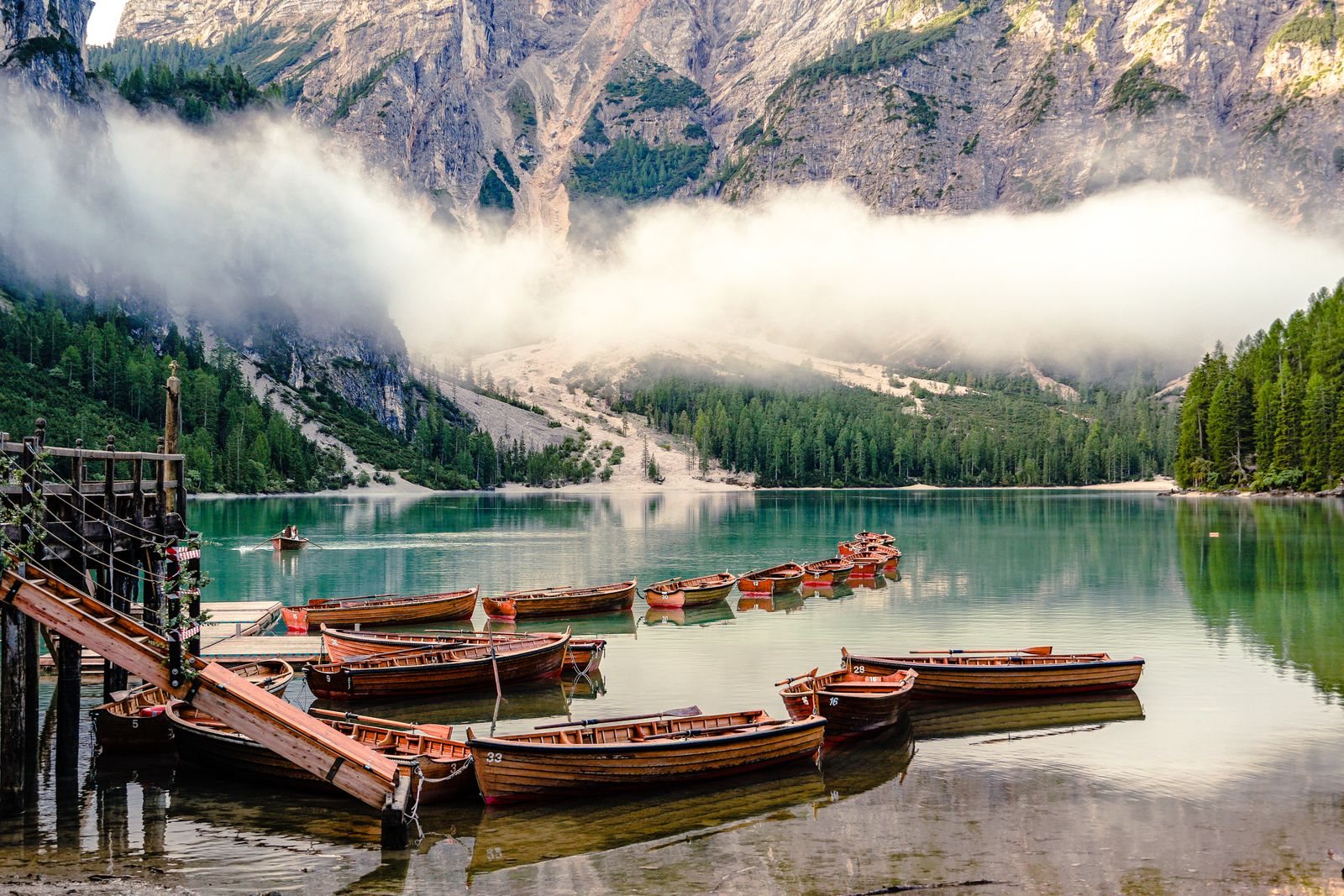
The Pragser Wildsee, or Lago di Braies, is the emerald jewel of the Dolomites: a mirror-still lake cradled by cliffs, with a wooden boathouse and rowboats for rent. It is the most famous view in the range for good reason. Go at sunrise if you can, both for the light and to beat the crowds and the summer entry restrictions.
Ride a Cable Car to Seceda
If you do one thing in Val Gardena, ride the cable cars up to Seceda. You step out onto a tilted green ridge with the Odle peaks knifing into the sky behind you, and the view is so surreal it barely looks real. Even confirmed non-hikers can reach it, since the lifts do the climbing for you.
Walk on the Alpe di Siusi
The Alpe di Siusi (Seiser Alm) is the largest high-altitude alpine meadow in Europe, a rolling green plateau dotted with wooden huts and framed by dramatic peaks. Easy, mostly flat trails make it perfect for a gentle day with world-class scenery, and the light here at dawn is magic.
Hike the Tre Cime di Lavaredo
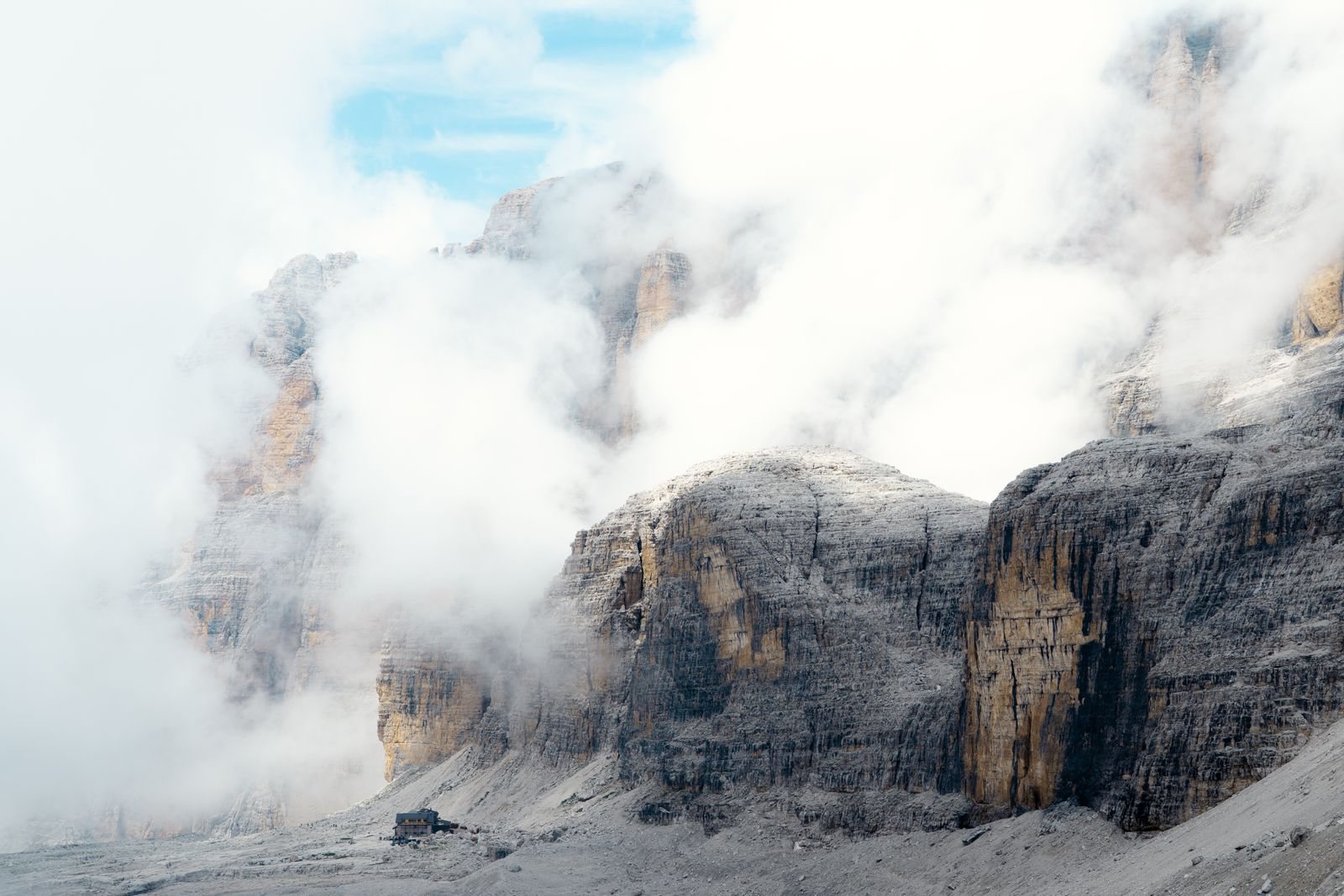
The Tre Cime di Lavaredo, three colossal stone towers, are the symbol of the Dolomites. The loop trail around their base is one of the great day hikes in the Alps, about ten kilometers of relatively moderate walking with mountain huts serving strudel along the way. This one earns its reputation.
Drive the Great Passes
Even if you never lace up boots, the Dolomites reward drivers. The high mountain passes, like the Sella Pass, Gardena Pass, and Passo Giau, thread through the most spectacular scenery in the range, with pullouts at every bend. The Great Dolomite Road between Bolzano and Cortina is one of the finest drives in Europe.
What to Eat in the Dolomites
Dining here is a delicious surprise, a blend of Italian and Austrian traditions you will not find elsewhere. Look for canederli (bread dumplings), speck (the region’s smoked cured ham), schlutzkrapfen (spinach-filled ravioli), and hearty barley soups, followed by warm strudel or kaiserschmarrn, a fluffy shredded pancake. Much of this is served in cozy mountain huts called rifugi, where you hike or ride up, eat like royalty on a sunny terrace, and take in a view no restaurant in a city could match.
South Tyrol is also a serious wine region, producing crisp whites and elegant reds, and the whole area is dotted with family-run wineries and apple orchards down in the valleys.
Winter in the Dolomites
We visited in summer, but the Dolomites are equally famous as a winter wonderland. The region is home to Dolomiti Superski, one of the largest connected ski areas in the world, linking twelve valleys on a single pass. Even beyond skiing, winter brings snowshoeing, sledding, cozy Christmas markets in Bolzano and Bressanone, and those same pink peaks now capped in snow. It is a whole different, equally gorgeous trip.
Where to Stay
Accommodation in the Dolomites ranges from grand alpine hotels and spa resorts to family-run guesthouses and traditional farm stays called masi, where you sleep on a working mountain farm and eat what it produces. For a first trip in summer or winter, basing in a valley village like Ortisei, Selva, or Corvara gives you cable-car access, restaurants, and easy day trips in every direction.
Book early. The Dolomites have a short, intense high season in both summer and winter, and the best-located places (especially anything with a mountain view or ski-in access) fill months ahead.
Getting to and Around the Dolomites
The most convenient airports are Venice and Verona, each about two hours away by car, with Innsbruck in Austria and Milan Bergamo also within reach. From Venice or Verona it is a scenic drive north into the mountains.
Here is our honest advice: rent a car. Public buses do connect the main valleys and are surprisingly good, and you can absolutely visit car-free by basing in one valley and using lifts and buses. But the Dolomites are spread out, and the freedom to chase sunrise at Lago di Braies or drive a high pass at golden hour is worth a lot here. If you do drive, note that some famous spots use summer access limits and paid parking to manage crowds, so arrive early. For tying the logistics into a bigger trip, our how to plan a trip to Italy guide walks through trains, cars, and routing.
A Few Practical Tips
The Dolomites are outdoorsy, so a little preparation goes a long way. Mountain weather changes fast, so pack layers, a rain shell, and real hiking shoes even in summer, and check the forecast before a big hike. Cable cars and many rifugi run on a seasonal schedule and close in the shoulder months, so confirm opening dates before you build a day around them. Cash is handy in the huts, though most take cards now. Cell service can drop in the high valleys, so download offline maps in advance.
For a next-level thrill, look into the via ferrata, protected climbing routes with fixed cables and iron rungs that let non-technical climbers reach dizzying heights with a guide and the right harness. The Dolomites are the birthplace of via ferrata, many of them built during World War I, and doing one with a certified guide is an unforgettable way to experience these peaks. If that is a stretch, the cable cars deliver similar views with none of the exposure.
Where to Book
Here is how we plan and book a Dolomites trip.
- Hotels, guesthouses, and farm stays: We book through Booking.com for the widest choice across the valleys, from spa hotels to traditional masi, with free cancellation on most. Filter by the valley you have chosen and sort by guest rating.
- Guided hikes, via ferrata, and tours: For guided hikes, sunrise photo tours to Lago di Braies, cable-car excursions, and winter adventures, we use Viator. A guided sunrise trip took the stress out of the logistics.
- Budget planning: See our real-numbers guide to how much a trip to Italy costs to budget the mountains alongside the cities.
Best Time to Visit the Dolomites
Summer (mid-June through September) is prime time for hiking, with lifts running, huts open, wildflower meadows in bloom, and long daylight. Late June and September give you the scenery with thinner crowds, our sweet spot. Winter (December through March) is for skiing and snow, when the region transforms into an alpine playground. The shoulder months of April, May, October, and November are the quiet in-between, when many lifts and mountain huts close and higher trails may still hold snow, so plan carefully. For more on timing, see our guide to the best time to visit Italy.
How Many Days Do You Need?
You could get a taste of the Dolomites in two days, riding one cable car and seeing Lago di Braies, but this is a place that rewards time. We recommend four to five days: enough to base in a valley, ride the big lifts, walk the Alpe di Siusi, hike the Tre Cime, drive a pass or two, and still have a slow afternoon on a rifugio terrace. Give the mountains room to work on you.
Final Thoughts
The Dolomites completely rewired what we thought Italy could be. One country somehow holds both the sun-warmed coast of the Amalfi and these pale, otherworldly spires glowing pink above green meadows and dumpling-filled mountain huts. It is dramatic, distinct, and unlike anywhere else we have traveled, and it left us already plotting a return trip in the snow. If you think you have seen Italy, go north. The best surprise of our whole trip was waiting up here.
Building a northern Italy itinerary? Pair the Dolomites with our Lake Garda, Italy travel guide for the lakes on the way up, our Venice, Italy travel guide for the gateway city, and our complete how to plan a trip to Italy guide to tie it all together. Buon viaggio!