Disclosure: This post contains affiliate links. If you book through our links, we may earn a small commission at no extra cost to you. Thanks for supporting Faceted Travel!
Table of Contents
- Step 1: Decide When to Go
- Step 2: Choose Your Regions
- Step 3: Figure Out How Many Days
- Step 4: Sample Itineraries
- Step 5: Book Your Flights
- Step 6: Master Getting Around
- Step 7: Choose Where to Stay
- Step 8: Set a Realistic Budget
- Step 9: Eat Like a Local
- Step 10: Handle the Practical Details
- Where to Book
- Final Thoughts
Planning a trip to Italy can feel a little overwhelming, and we get it, because our first attempt was a mess of open browser tabs, conflicting advice, and a wildly overpacked itinerary. We have since been back more times than we can count, and we have learned that a great Italy trip comes down to a handful of smart decisions made in the right order.
This is the guide we wish we had when we started: a clear, step-by-step walkthrough of how to plan a trip to Italy, from picking your dates and regions to booking trains, budgeting, and eating your way across the country without regret. Whether it is your first time or your fifth, follow these steps and you will build an itinerary that actually works.
Step 1: Decide When to Go
Timing shapes everything about an Italy trip, from crowds and prices to what you can comfortably do. In broad strokes, the shoulder seasons of late spring (May and early June) and early fall (September and October) are the sweet spot, with warm weather, long days, and thinner crowds than the summer peak.
Summer (July and August) is hot, busy, and expensive, and many Italians take their own holidays in August, so some city businesses close. Winter is quiet and atmospheric, ideal for cities and Christmas markets, though coastal and lake towns largely shut down. We dig into all of this in our full guide to the best time to visit Italy, which breaks it down region by region. Pick your window first, because it influences every choice that follows.
Step 2: Choose Your Regions
The single biggest mistake first-time visitors make is trying to see all of Italy in one trip. It is a long, geographically diverse country, and racing from the Alps to Sicily in ten days will leave you exhausted and having actually seen very little. Instead, pick a focused route based on what excites you most.
For First-Timers: The Classic Triangle
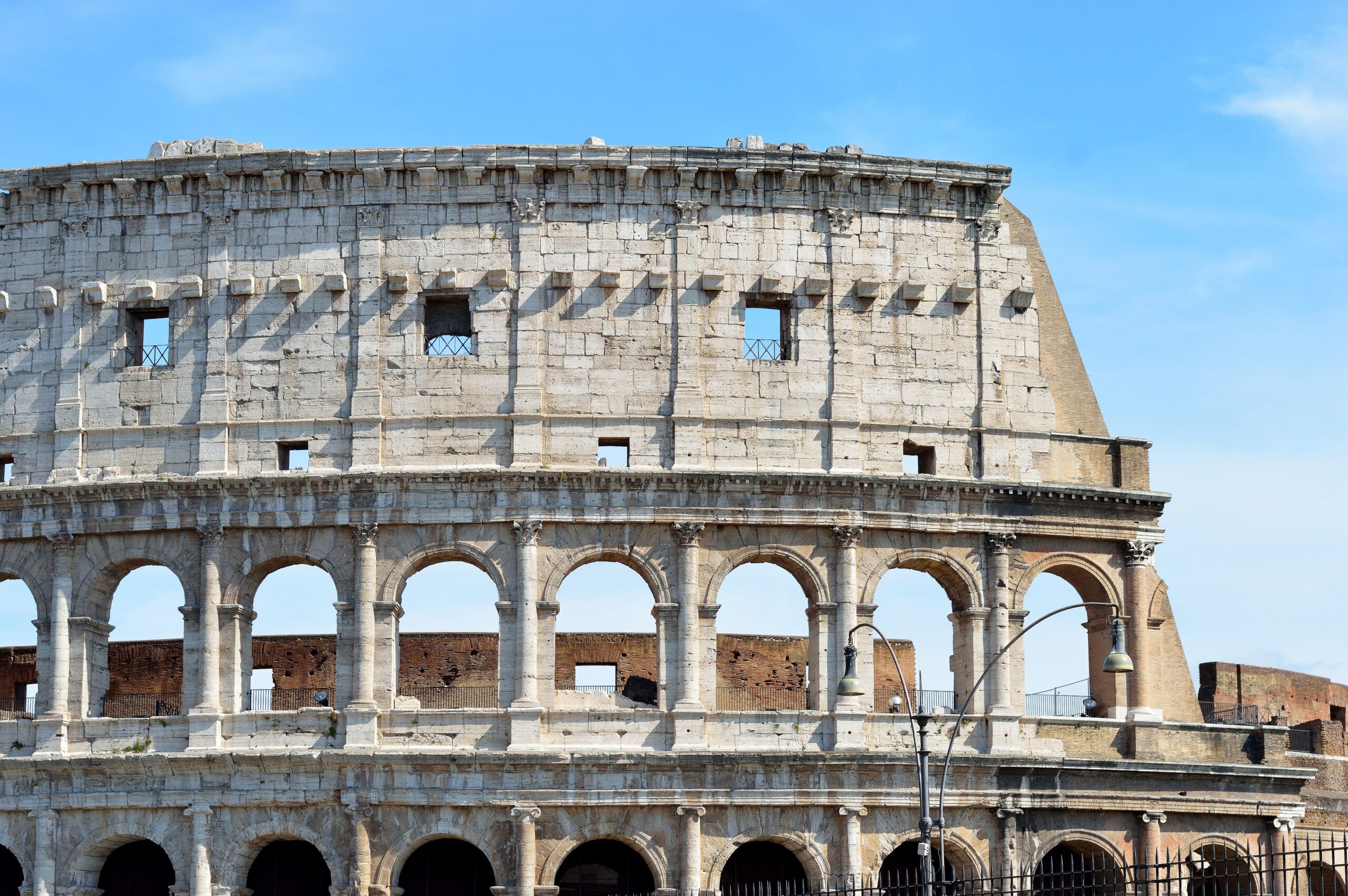
If this is your first trip, we recommend the tried-and-true triangle of Rome, Florence, and Venice, all linked by fast trains. Start with the ancient wonders and buzzing energy in our Rome travel guide, move on to Renaissance art and Tuscan food in our Florence, Italy travel guide, and finish among the canals with our Venice, Italy travel guide. These three give you the greatest hits with minimal transit, and they are the perfect foundation.
For the Coast and the South
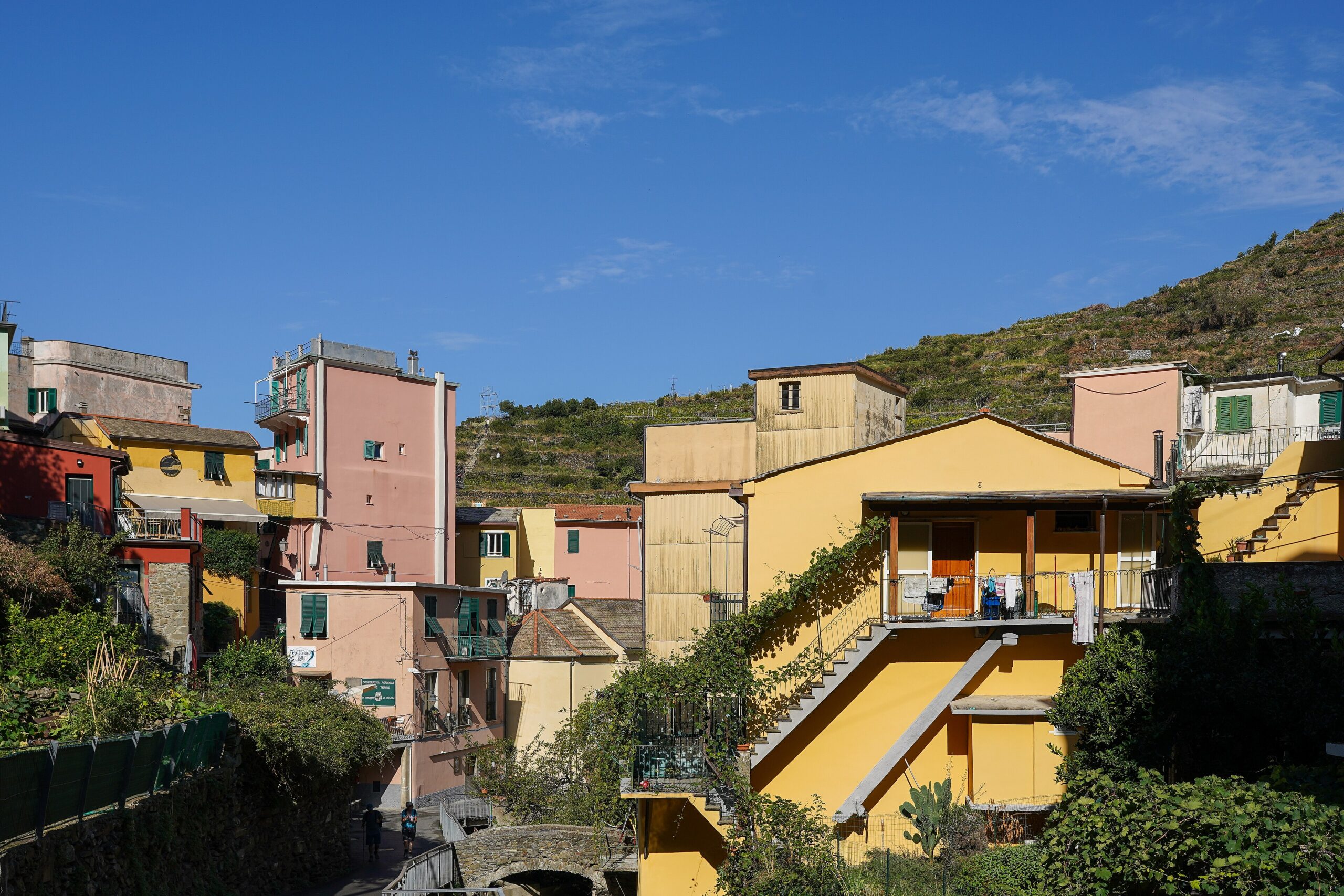
Craving sea views and lemon groves? Base yourself on the Amalfi Coast and southern Italy. Our Amalfi Coast travel guide is the place to start, and you can build in the cliffside village of Positano, the charming base town of Sorrento, the glamorous island of Capri, and gritty, wonderful Naples, the birthplace of pizza. Farther north, the pastel fishing villages in our Cinque Terre, Italy travel guide deliver more spectacular coastline.
For Lakes and the North
If mountains and glassy water call to you, focus on the north. Our Lake Como, Italy travel guide and Lake Garda, Italy travel guide cover Italy’s two most beautiful lakes, and the romantic, underrated city in our Verona, Italy travel guide makes a perfect northern base between them.
Step 3: Figure Out How Many Days
Once you know your regions, match them to your available time. As a rough rule, we budget three to four days per major city and at least three days for a coastal or lake area to make the travel worth it.
A tight 7-day trip is best spent on just two bases, say Rome and Florence, or the Amalfi Coast paired with Naples. A 10-day trip comfortably fits the classic Rome, Florence, and Venice triangle with a day trip or two mixed in. Two weeks lets you combine a classic-cities leg with a coastal or lakes finale. Resist the urge to add “just one more city.” Fewer places, savored slowly, always beats a checklist sprint.
Step 4: Sample Itineraries
To make this concrete, here are two routes we have personally done and loved.
The 10-Day Classic: Three nights in Rome, a fast train to Florence for three nights (with a day trip into the Tuscan hills or to Cinque Terre), then a train to Venice for two nights, with the final day for a slow morning and departure. It is efficient, train-connected, and hits the icons.
The 2-Week North and Coast: Three nights in Venice, two in Verona with a day on Lake Garda, three in Florence, then south to Rome for three nights, finishing with three nights on the Amalfi Coast based in Sorrento. This one shows off Italy’s incredible range, from canals to vineyards to cliffs.
Step 5: Book Your Flights
For most travelers, flying into one city and out of another (an “open-jaw” ticket) saves a lot of backtracking. Flying into Rome or Milan and out of Venice, for example, lets your itinerary flow in one direction. Rome (Fiumicino) and Milan (Malpensa) are the main long-haul gateways, with Venice, Naples, and others well connected within Europe.
Book international flights a few months out for the best fares, and use the strategies in our guide on how to find cheap flights and our breakdown of the best time to book flights. If you are working on a points strategy, a solid travel rewards card can cover a chunk of the airfare, as we explain in our roundup of the best travel credit cards.
Step 6: Master Getting Around
Italy has one of the best train networks in Europe, and it is almost always the smartest way to travel between cities. The high-speed trains (Trenitalia’s Frecce and the private Italo) connect the major hubs at up to 300 km/h, whisking you from Rome to Florence in about ninety minutes and Florence to Venice in around two hours. Book high-speed tickets in advance for the cheapest fares, and validate regional tickets before boarding to avoid fines.
Within cities, walking and public transit are your best friends, since the historic centers are compact and often closed to cars. Speaking of which, do not plan to drive in the cities. Italian historic centers enforce ZTL (limited traffic zones) that ticket unauthorized cars automatically, and parking is a nightmare. Rent a car only for rural regions like Tuscany, the countryside, or exploring a lake at your own pace, and pick it up at a station on your way out of town, not in the center.
Step 7: Choose Where to Stay
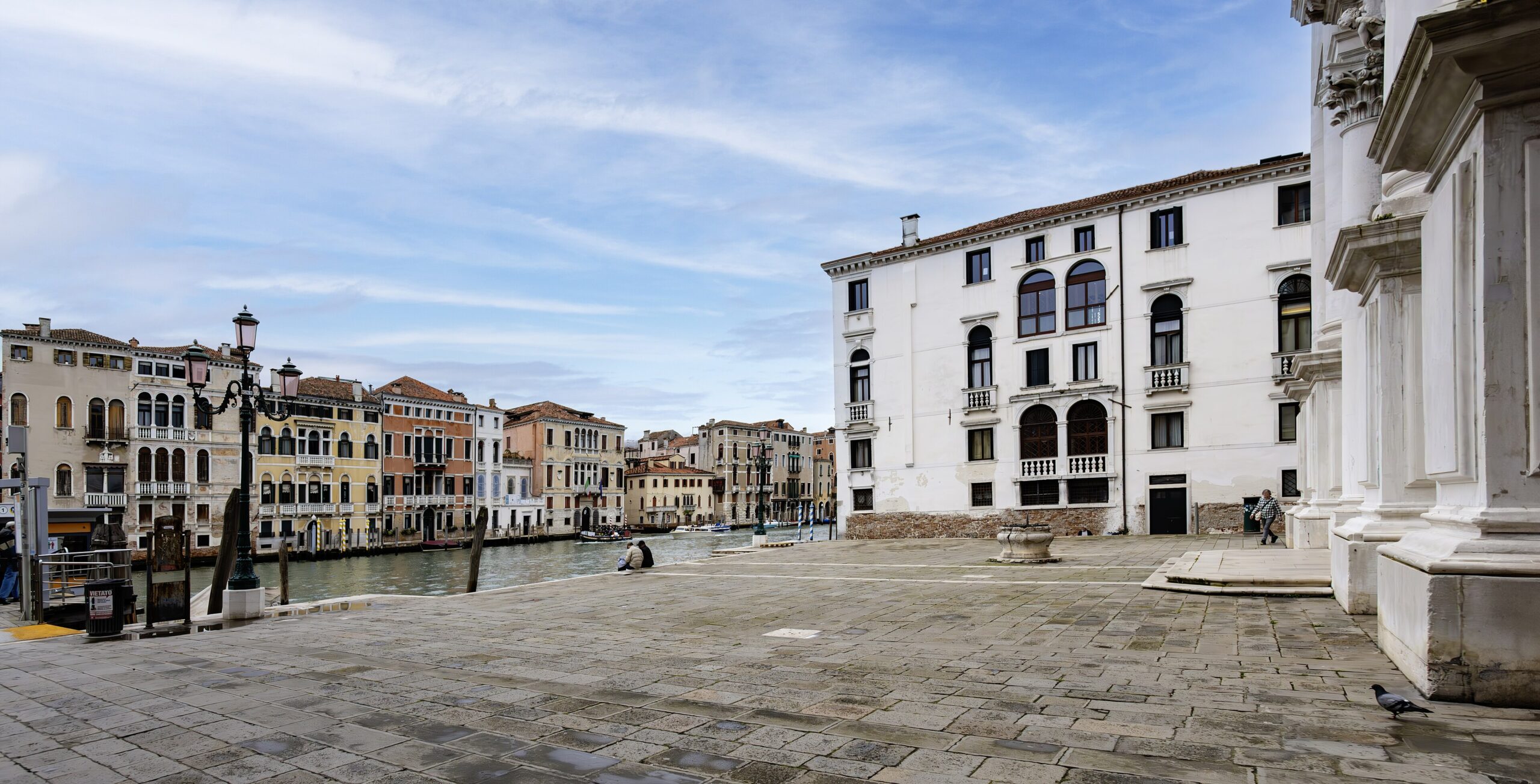
In each destination, we prioritize staying in or right beside the historic center, even if it costs a bit more. In cities like Rome, Florence, and Venice, being walkable to the sights means you can enjoy the magic early and late, after the day-trippers clear out, which is when these places are at their most beautiful.
Italy offers everything from grand hotels to family-run guesthouses (a pensione), agriturismo farm stays in the countryside, and apartments that give you a kitchen and more space. Book early for peak season and for anything with a view, since the best-located rooms sell out first.
Step 8: Set a Realistic Budget
Italy can be done on a range of budgets, but it helps to know the real numbers before you go. Between flights, trains, hotels, meals, and attractions, costs add up quickly in peak season, especially in Venice and on the Amalfi Coast. We break down actual daily and trip totals in our guide to how much a trip to Italy costs, which will help you build a budget you can actually stick to.
A few money-savers we swear by: eat your big meal at lunch when set menus are cheaper, drink house wine and stand at the bar for your morning espresso, buy train tickets early, and travel in shoulder season. We also never skip travel insurance for an international trip, and our guide to the best travel insurance for Europe explains why and how to choose a policy.
Step 9: Eat Like a Local
Food is not a side quest in Italy, it is the main event, and eating well is mostly about eating regionally. Order what the area is known for: cacio e pepe and carbonara in Rome, bistecca alla fiorentina in Florence, cicchetti and seafood in Venice, pizza in Naples, pesto in the Cinque Terre, and risotto with Amarone up around Verona.
A few simple habits will make every meal better. Espresso is a quick standing ritual at the bar, not a lingering to-go cup. A cappuccino is a morning-only drink in Italian eyes. Lunch and dinner run later than you may be used to, with dinner rarely before 7:30 or 8 p.m. And that gelato is best from a shop using natural colors and covered tubs, not the neon mountains aimed at tourists.
Step 10: Handle the Practical Details
A little preparation goes a long way. Italy uses the euro, and while cards are widely accepted, carry some cash for small cafes, markets, and that near-universal coperto (a small per-person cover charge at restaurants, which is normal and not a scam). Tipping is modest, since a service expectation is often built in; rounding up is plenty.
Pack for a lot of walking on uneven cobblestones, and bring modest clothing that covers shoulders and knees for visiting churches, including St. Peter’s and the Vatican, where dress codes are enforced. Download offline maps and a train app before you go, learn a few polite Italian phrases (they are genuinely appreciated), and keep an eye on your belongings in crowded tourist zones and on public transit, where pickpocketing is the main petty-crime risk. For a full rundown of what to bring, see our packing list for Europe.
Where to Book
Here is exactly how we book our Italy trips.
- Hotels and apartments: We use Booking.com for the biggest selection across Italy and flexible free cancellation. Filter for the historic center in each city and sort by guest rating.
- Tours, skip-the-line tickets, and day trips: For Colosseum and Vatican tickets, food and wine tours, and coastal boat trips, we book through Viator. Skip-the-line access at the major sights is worth every penny in peak season.
- Budget and timing: Start with our real-numbers guide to how much a trip to Italy costs and our best time to visit Italy breakdown.
Final Thoughts
Planning a trip to Italy really does come down to these steps: pick your season, choose a focused region or two, match them to your days, book smart flights and trains, and leave room to slow down and eat well. Do that and you skip the rookie mistakes we made and go straight to the good part, which is falling completely in love with this country. Italy has a way of pulling you back, so do not stress about seeing it all this time. There is always a next trip, and there always should be.
Ready to build your route? Dive into our Rome travel guide, our Florence, Italy travel guide, and our Amalfi Coast travel guide to start turning this plan into an itinerary. Buon viaggio!