Disclosure: This post contains affiliate links. If you book through our links, we may earn a small commission at no extra cost to you. Thanks for supporting Faceted Travel!
Table of Contents
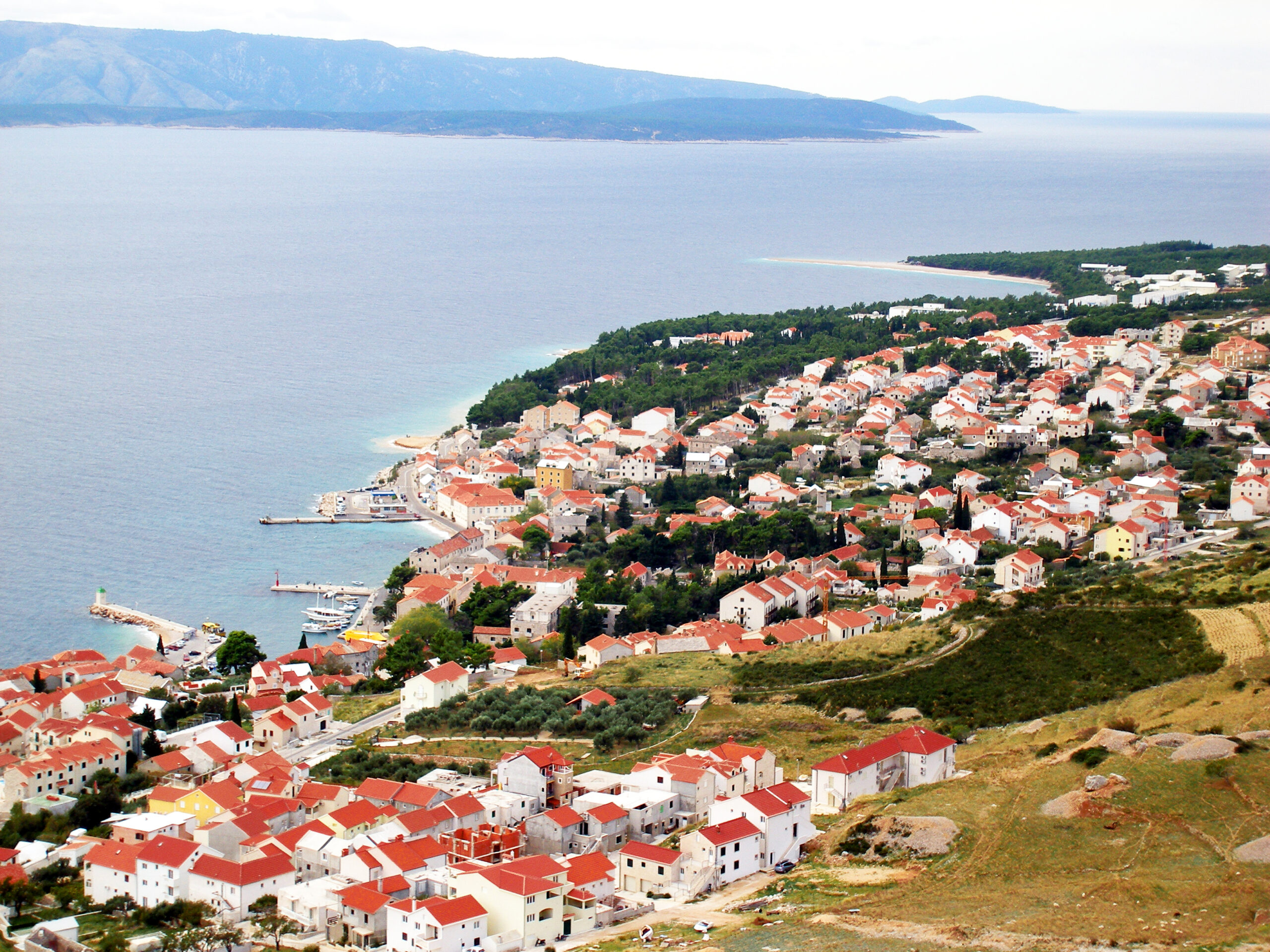
You have already seen Brac. If you have looked at a single photograph of Croatia, you have seen the white pebble spit at Bol curling out into water so clear it looks retouched. That is Zlatni Rat, and it is on Brac, and roughly nobody who posts it can tell you anything else about the island.
That is the interesting part. Brac is fifty minutes from Split on a ferry that runs a dozen times a day, it has the most photographed beach in the country, and it is still somehow the Dalmatian island that visitors skip on their way to Hvar. We spent four days there and came away thinking it is the best value island on this coast, with a strange, empty, beautiful interior that almost nobody bothers to drive into.
Where Brac Is and What It Actually Feels Like
Brac is the largest island in central Dalmatia and the third largest in Croatia, sitting directly south of Split with Hvar behind it. It is high and dry, built almost entirely of pale limestone, and the interior rises to Vidova Gora at 778 meters, the highest point on any Adriatic island.
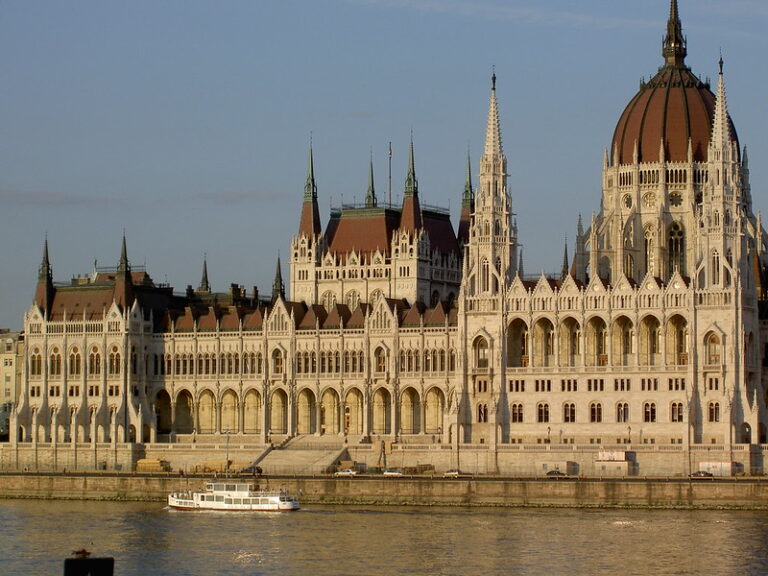
The stone is the island’s real story. Brac limestone built Diocletian’s Palace in Split, it faced the parliament building in Budapest, and there is a persistent local claim that some of it went into the White House, which the quarry guides will tell you with a completely straight face and which historians treat with more caution. Either way, the island has been exporting itself for two thousand years, and you can see the quarries scarring the hills above Pucisca.
What Brac feels like on the ground is quieter and more agricultural than Hvar. There are olive groves, sheep, dry stone walls running to the horizon, and a lot of villages that emptied out in the twentieth century and never refilled. It has resort tourism, but it is concentrated in two or three places, and outside them you can drive for twenty minutes without passing a car.
Getting to Brac
Car ferry from Split to Supetar is the main route and the easy one. It runs roughly hourly in season, takes fifty minutes, takes vehicles, and lands you on the north coast. This is the ferry you want if you are bringing a car.
Catamaran from Split to Bol runs in season, is passenger only, and drops you directly at the beach town on the south coast, which saves you the cross island transfer.
Catamaran from Bol to Hvar and Korcula exists in summer and is the reason Brac slots so neatly into a longer route. We built a full chain around it in our Croatia island hopping itinerary.
The one thing to understand before you book: Supetar and Bol are on opposite sides of the island, about forty minutes apart by road. If you land at Supetar and your hotel is in Bol, that is a bus or a taxi, not a walk. Buses connect the ferry arrivals but they do not wait forever.
There is also a small airport on the plateau above Bol with a handful of seasonal flights, mostly charter.
Zlatni Rat, and How to Do It Properly
Zlatni Rat, the Golden Horn, is a spit of white pebbles about five hundred meters long that projects straight out from the shore near Bol. Its tip genuinely shifts direction with the current and the wind, so the shape in the photo you saw is not the shape you will find.
Here is what the photos do not tell you. It is pebbles, not sand, so bring water shoes. It shelves steeply into deep water almost immediately. The pine grove behind it is the only shade and it fills by ten in the morning. And in July and August it is genuinely crowded, because everyone on the island and a good number of day trippers from Split are all standing on the same five hundred meters.
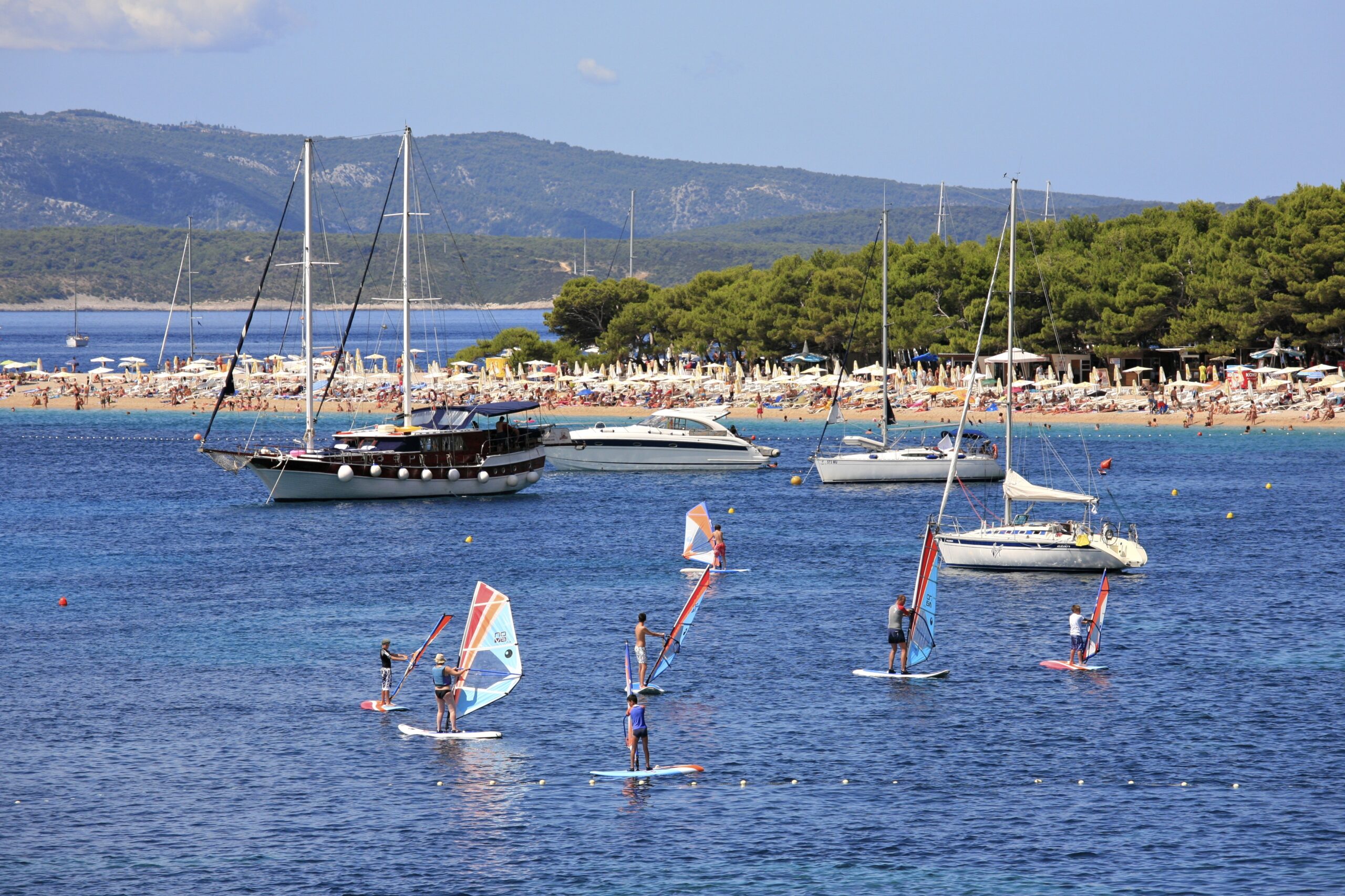
Go early or go late. We swam there at seven in the morning with maybe fifteen other people and it was one of the best swims of the trip. By eleven it was a different place entirely.
The west side of the spit is the windward side and it is where the windsurfers and kitesurfers set up, because the afternoon maestral wind funnels through the channel between Brac and Hvar with remarkable reliability. Bol is one of the best windsurfing spots in the Mediterranean for exactly this reason, and the schools on the beach will put a beginner on a board the same day.
Bol: Where to Base Yourself
Bol is the right base for most people. It is a small stone harbor town on the south coast, fifteen minutes on foot from Zlatni Rat along a shaded seaside promenade, with a decent range of restaurants, a Dominican monastery on a headland at the eastern end, and enough life in the evening without any of Hvar Town’s noise.
Supetar is bigger, has the main ferry connection, and is cheaper, but it faces north toward Split, so it gets less sun on the water and it is nowhere near the famous beach.
Pucisca is our sentimental favorite. It is a deep, narrow inlet on the north coast with a working stonemasonry school where students still cut Brac limestone by hand with the same tools their great grandfathers used. It is not a beach base, but it is a lovely half day, and the harbor is one of the prettiest on the island.
Milna on the west end is a quiet yachting harbor in a protected bay, good if you want to be near Split but away from everything.
The Interior, Which Is the Part People Miss
Drive or ride inland and Brac changes completely.
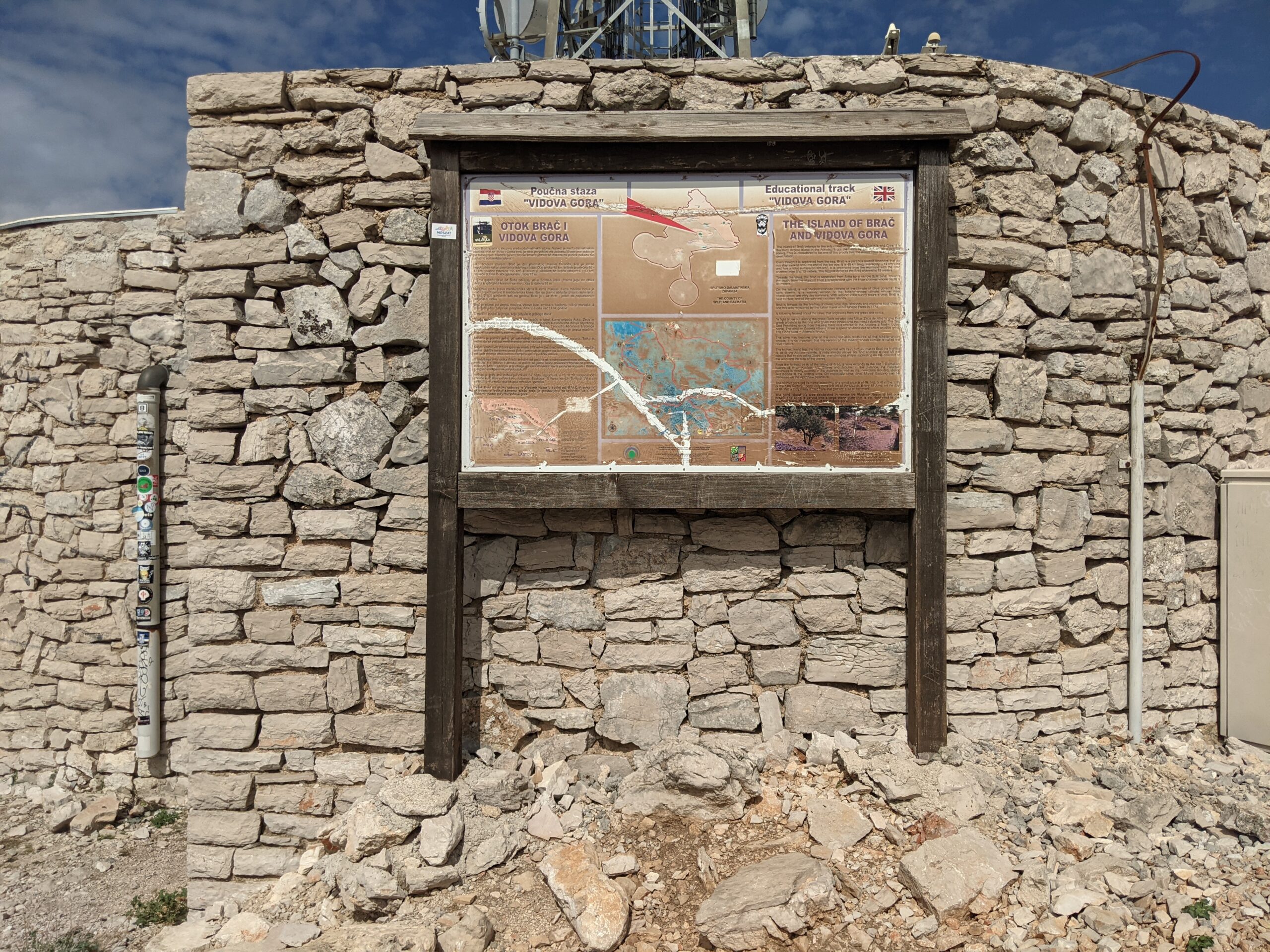
Vidova Gora is the highest point in the Adriatic islands and the road up is paved the whole way. From the top you look straight down onto Zlatni Rat from above, with Hvar filling the horizon behind it and Vis visible on a clear day. This is the single best view on the island and there is usually a small konoba at the top serving lamb. Go for late afternoon light.
Skrip is the oldest settlement on Brac, a tiny fortified village with a museum in a Roman era tower, and it is the kind of place where you will see more cats than people.
The Blaca Hermitage is the strangest thing on the island. Fifteenth century monks fleeing the Ottomans built a monastery into a cliff face in a remote gorge on the south coast, and it grew into a self sufficient community with a printing press and, eventually, an astronomical observatory. Getting there requires a boat plus a hike, or a long drive plus a walk of about thirty minutes downhill, and it is very much worth the effort. The last monk died in 1963 and it has been a museum since.
Beaches Beyond Zlatni Rat
Brac has around fifty beaches and coves, and the fact that everyone piles onto one of them is very convenient for the rest of us.
Murvica, a few kilometers west of Bol, is a long quiet pebble stretch backed by vineyards with a fraction of the crowd. The trail up from the village toward the Dragon’s Cave, a bizarre fifteenth century relief carved into a cliff by the same monks who built Blaca, starts near here.
Lovrecina on the north coast is the closest thing to a sand beach on the island, a shallow crescent in a green bay with the ruins of a fifth century basilica sitting right behind it. It is family friendly in a way most of Dalmatia is not.
Bijaca and the coves east of Sumartin are basically empty, reachable on rough tracks, and worth it if you have a car and a sense of adventure.
Martinica, near Sutivan on the northwest coast, is a series of small rock and pebble inlets with clear deep water and a low key beach bar, popular with locals and almost invisible to visitors.
What to Eat
Brac is lamb country. The island’s sheep graze on wild herbs and salt scrub, and vitalac, lamb offal wrapped in caul fat and grilled on a spit, is a protected traditional dish here and much better than the description makes it sound.
Look for peka, meat or octopus cooked under a bell shaped iron lid buried in embers. Most konobas need six hours notice, so order it the day before. And the island’s olive oil is exceptional, particularly from the Skrip and Selca areas.
Where to Book
- Hotels and apartments: Booking.com for Bol has the strongest selection near Zlatni Rat, and apartments in Bol book out for July and August well in advance.
- Boat trips, windsurfing and tours: Viator’s Brac listings cover Blaca Hermitage boat trips, Zlatni Rat excursions from Split and the Blue Cave day trips that leave from the south coast.
- Travel insurance: the catamaran connections here are weather dependent and a cancelled boat can strand you a day, which is one reason we always carry a policy. Our reasoning is in best travel insurance for Europe.
When to Visit Brac
June and September are the best weeks of the year here. The sea is warm, the catamarans are running their full seasonal schedule, Zlatni Rat is busy but walkable, and prices sit well below the August peak.
July and August bring the crowds and the heat, and the island’s water supply and roads both feel it. If those are your dates, book Bol accommodation early and plan your beach time around the early morning.
May and October are lovely for hiking Vidova Gora and driving the interior, but the sea is cold and the Bol catamaran schedule thins. From November to March Brac is very quiet, the ferry to Supetar still runs year round, and most of the tourist infrastructure in Bol closes.
The full seasonal picture for the country is in best time to visit Croatia.
Our Honest Take
Brac is the island we would send a first time visitor to if they only had a few days and did not want to feel like they were queuing for their holiday. It has the postcard beach, it has a genuinely interesting interior, it is cheap to reach, and it is the easiest island in Dalmatia to get to from Split.
It is not the place for nightlife, and if your idea of an island holiday is a sandy beach and a swim up bar, this stony, herb scented, sheep farming place is going to confuse you. But if you will drive an hour up a limestone mountain for a view, and eat lamb in a stone room with four tables, Brac is going to be your favorite island on this coast.
More Croatia planning: shape the whole trip with our Croatia island hopping itinerary, budget it using how much does a trip to Croatia cost, and compare it against the neighbors in our Hvar guide and Korcula guide.