Disclosure: This post contains affiliate links. If you book through our links, we may earn a small commission at no extra cost to you. Thanks for supporting Faceted Travel!
Table of Contents
- Greece vs Croatia: The Quick Answer
- Beaches: Greece Wins on Variety
- Islands and Island Hopping
- History and Culture
- Nature and National Parks: Croatia Surprises
- Food and Wine
- Cost: Roughly Similar, With Big Swings
- Crowds
- Getting Around
- Best Time to Visit
- Entry Requirements and Currency
- Who Should Choose Greece?
- Who Should Choose Croatia?
- Sample Itineraries
- Our Verdict
- Where to Book
- Final Thoughts
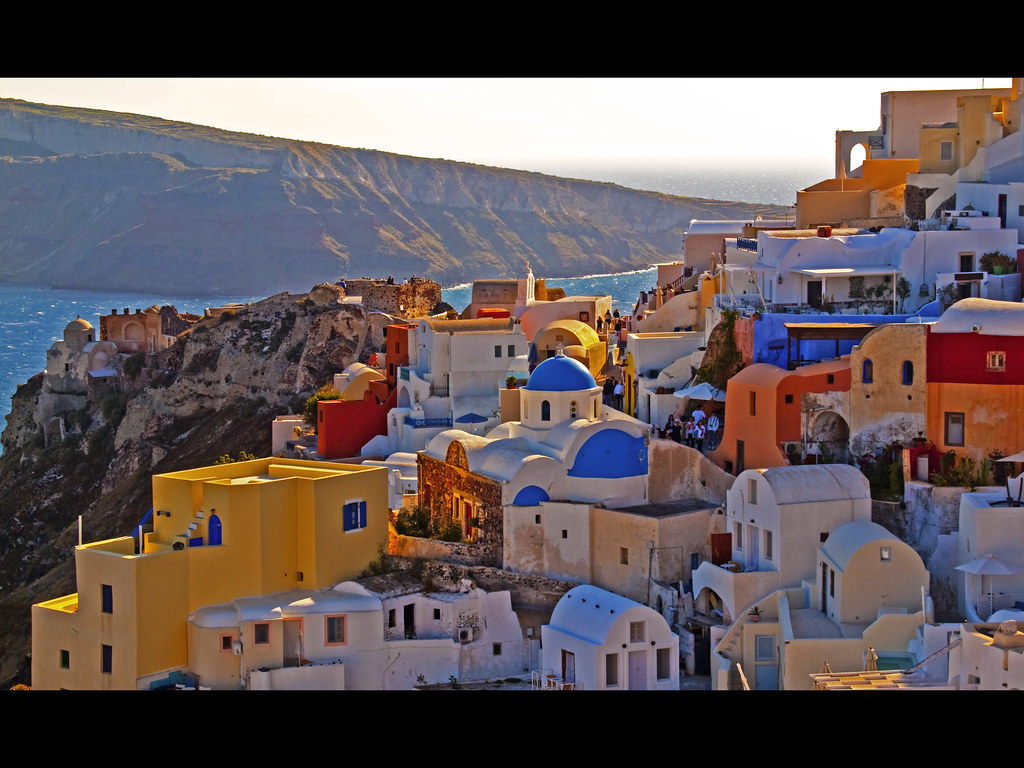
Whitewashed villages or walled medieval towns? Ferry hopping through the Cyclades or sailing between Dalmatian islands? Greece vs Croatia is one of the toughest choices in European travel, because both countries deliver exactly what most of us picture when we dream about a summer by the sea.
We have spent real time in both, from Athens, Santorini, Naxos and Crete to Dubrovnik, Split, Hvar and the lakes of Plitvice. So instead of a vague “they’re both great,” here is our honest side-by-side breakdown: beaches, islands, history, food, costs, crowds, getting around and who each country suits best. By the end you should know which one belongs on your calendar this year.
Greece vs Croatia: The Quick Answer
- Choose Greece if you want ancient history, a huge variety of islands, the classic whitewashed Cycladic look, sandy beaches and a longer beach season.
- Choose Croatia if you want walled medieval towns, lush national parks, a compact and easy-to-drive coastline, sailing trips and a trip that combines well with Central Europe.
- Do both only if you have three weeks or more. They are not next door to each other, so most people are better off picking one and going deep.
Beaches: Greece Wins on Variety
This is where the two countries differ more than people expect.
Greece has an almost ridiculous variety of beaches. You can find long sandy stretches on Naxos and Crete, dramatic volcanic red and black sand on Santorini, the lunar white rock of Sarakiniko on Milos and green, pine-backed coves on Corfu. Many of the best beaches are sandy, shallow and wonderful for swimming, and nearly every one seems to come with a taverna serving grilled fish a few steps from the water.
Croatia has some of the clearest water we have ever swum in, but most of its beaches are pebble or rock, often with concrete sunbathing platforms built right into the shoreline. Water shoes are a smart packing choice. There are standouts, like the famous Zlatni Rat on Brac and the sandy bays on Lopud and Mljet, but sand is the exception rather than the rule. Where Croatia shines is swimming straight off the rocks into water so transparent you can see the bottom several meters down.
Winner: Greece, especially if soft sand matters to you. Croatia wins for sheer water clarity.
Islands and Island Hopping
Both countries are island paradises, but the experience feels different.
Greece has more than 200 inhabited islands spread across several groups: the Cyclades (Santorini, Mykonos, Naxos, Paros, Milos), the Dodecanese (Rhodes), the Ionian (Corfu) and Crete, which is big enough to be a trip on its own. Ferries run to almost everywhere, and every island has its own personality. The downside is distance: some ferry legs take four to eight hours, and the islands you want to combine are not always connected directly.
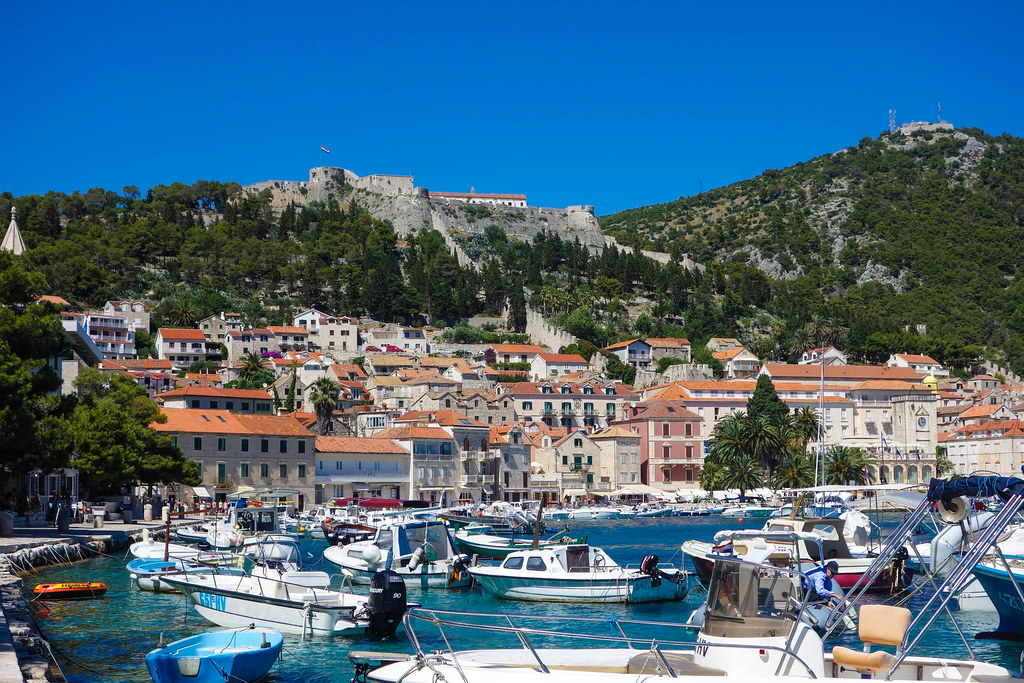
Croatia concentrates its best islands along the Dalmatian coast between Split and Dubrovnik. Hvar, Brac, Korcula, Vis and Mljet are all within a few hours of each other by catamaran, which makes island hopping easy and fast. It is also one of the best places in Europe for a week-long sailing trip, whether you charter a boat or join a small-group cruise. Our Croatia island hopping itinerary lays out a route that works well.
Winner: Greece for variety and iconic scenery, Croatia for ease and sailing.
History and Culture
Greece is the cradle of Western civilization, and you feel it everywhere. The Acropolis in Athens, the oracle at Delphi, Olympia, the Minoan palace of Knossos on Crete and the cliff-top monasteries of Meteora are all bucket-list sites. If ancient history excites you, Greece has no real competition in Europe outside of Italy. Start with our Athens travel guide and our Meteora guide.
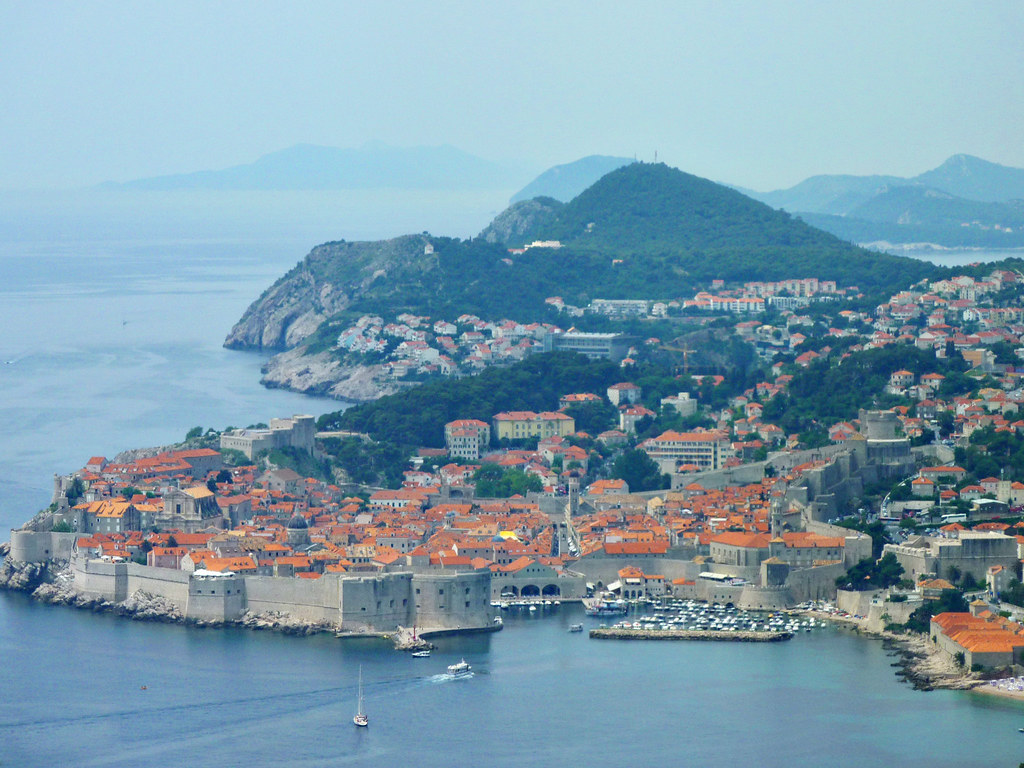
Croatia has a different kind of history, and it is wonderful in its own right. Diocletian’s Palace in Split is a Roman emperor’s retirement home that people still live and shop inside. Dubrovnik’s city walls are among the best-preserved medieval fortifications in the world. Smaller towns like Trogir, Korcula and Rovinj are full of Venetian stone streets and bell towers. It feels like wandering through a living museum rather than visiting ruins.
Winner: Greece for ancient headliners, Croatia for beautifully preserved old towns.
Nature and National Parks: Croatia Surprises
Greece has gorgeous landscapes, from the gorges of Crete to the rock pillars of Meteora, but Croatia is the one that consistently surprises visitors with its nature.
Plitvice Lakes National Park is a chain of sixteen terraced lakes connected by waterfalls and wooden boardwalks, and the colors look almost fake in person. Krka National Park near Sibenik adds more waterfalls and easy walking trails. Add the Velebit mountains, the forested island of Mljet and the Istrian hill towns, and you have a country that is as green as it is blue. See our Plitvice Lakes guide for tips on beating the crowds.
Winner: Croatia.
Food and Wine
We would happily eat our way through either country again.
Greek food is one of the great pleasures of travel: grilled octopus, moussaka, souvlaki, horiatiki salad with slabs of feta, fresh fish priced by the kilo and endless small plates to share. Crete in particular has some of the best food we have eaten anywhere, built around olive oil, wild greens, cheese and raki.
Croatian food changes as you move along the coast. In Dalmatia it is all about grilled fish, black squid ink risotto, peka (meat or octopus slow-cooked under an iron bell) and seafood pasta. In Istria you will find truffles, homemade pasta and olive oil that wins international awards. Croatian wine is underrated, especially Plavac Mali from the Peljesac peninsula and Malvazija from Istria.
Winner: Tie. Greece for variety and classic comfort food, Croatia for seafood and truffles.
Cost: Roughly Similar, With Big Swings
Neither country is the bargain it once was, and prices depend heavily on where and when you go. Here is a rough daily budget for two people traveling mid-range in summer:
| Expense | Greece | Croatia |
|---|---|---|
| Double room, mid-range | $120 to $250+ | $130 to $250+ |
| Dinner for two with wine | $50 to $90 | $60 to $100 |
| Espresso or coffee | $2.50 to $4 | $2.50 to $4 |
| Island ferry per person | $20 to $90 | $15 to $50 |
| Typical daily total | $250 to $450 | $260 to $450 |
Santorini and Mykonos in August are among the priciest places in the Mediterranean, but mainland Greece, Crete and smaller islands can be quite reasonable. Croatia is more consistent, but Dubrovnik and Hvar in peak season are expensive, and Croatia moved to the euro in 2023, which nudged prices up. For the full breakdowns, read our guides to how much a trip to Greece costs and how much a trip to Croatia costs.
Winner: Greece, narrowly, because it has more affordable corners to escape to.
Crowds
Both countries are extremely popular in summer, and both have hot spots that can feel overwhelming.
In Greece, the pressure points are Santorini at sunset, Mykonos in August and the Acropolis at midday. The good news is that Greece is so big that crowds thin out quickly once you leave the famous names. Naxos, Milos, Paros and the Peloponnese all feel far more relaxed.
In Croatia, Dubrovnik’s old town can get very busy when cruise ships are in port, and Plitvice can feel like a queue in July and August. Because the country is smaller, there are fewer places to hide, although islands like Vis, Lastovo and Mljet still feel sleepy.
Winner: Greece, simply because there is more room to spread out.
Getting Around
Croatia is one of the easiest countries in Europe for a road trip. The coastal highway and motorways are excellent, distances are short, and you can drive from Zagreb to Split in about four hours. Catamarans link the main islands quickly, and buses are reliable.
Greece relies more on ferries and domestic flights. Island hopping requires some planning around schedules, especially outside peak season when routes shrink. Renting a car on larger islands like Crete, Naxos and Corfu is the best way to explore, and the mainland roads are good.
Winner: Croatia for simple logistics.
Best Time to Visit
Greece has a longer season. The islands are warm from May through October, and Crete and Rhodes stay pleasant well into November. Croatia’s coastal season runs roughly from late May to late September, and many island businesses close from mid-October.
For both, June and September are the sweet spots: warm sea, long days, lower prices and fewer crowds than July and August. Our month-by-month guides to the best time to visit Greece and the best time to visit Croatia go into the details.
Winner: Greece, thanks to its longer shoulder seasons.
Entry Requirements and Currency
Both Greece and Croatia are members of the European Union and the Schengen Area, and both use the euro. US citizens can visit either country visa-free for up to 90 days within any 180-day period in the Schengen Area. Check the latest official requirements before traveling, as Europe’s entry rules have been changing with the rollout of new border systems.
Who Should Choose Greece?
- History lovers with the Acropolis, Delphi and Knossos on their list.
- Beach lovers who want soft sand and shallow water.
- Island collectors who want variety, from party islands to sleepy fishing villages.
- Honeymooners chasing that iconic Santorini sunset.
- Shoulder-season travelers looking at May or October.
Who Should Choose Croatia?
- Road trippers who want short drives and great roads.
- Sailors and boaters dreaming of a week on the water.
- Nature lovers who want waterfalls and national parks alongside the coast.
- Old town lovers who enjoy wandering stone streets and city walls.
- Travelers combining countries, since Croatia pairs easily with Slovenia, Montenegro and Bosnia.
Sample Itineraries
One Week in Greece
- Athens for two days: the Acropolis, Plaka and a food tour.
- Ferry to Naxos for three days of beaches and mountain villages.
- Finish with two days on Santorini for the caldera views.
Our Santorini travel guide and Naxos travel guide will help you fill in the details.
One Week in Croatia
- Split for two days, based near Diocletian’s Palace.
- Catamaran to Hvar for two days of beaches and sunsets.
- Continue to Korcula for a night, then on to Dubrovnik for two days on the walls and in the old town.
Our Dubrovnik travel guide and Split travel guide cover where to stay and what to book ahead.
Our Verdict
If you forced us to pick one for a first-time visitor, we would lean slightly toward Greece. The combination of ancient history, sandy beaches, incredible food and sheer island variety is hard to match, and the longer season gives you more flexibility on dates.
But Croatia is the better choice for a certain kind of traveler, and we fall into that category on some trips. If you love road trips, sailing, medieval old towns and national parks, Croatia packs more variety into a smaller area and is easier to plan. It also combines beautifully with Montenegro and Bosnia on a bigger Balkans loop.
There is no wrong answer here. Pick Greece for the classics and the beaches, pick Croatia for the old towns and the sailing, and plan to see the other one next year.
Where to Book
We use Booking.com for almost every stay in both countries, from cave suites in Santorini to apartments inside the old town walls in Dubrovnik. Search Greece stays on Booking.com or search Croatia stays on Booking.com.
For tours, ferries and day trips, Viator has everything from skip-the-line Acropolis tickets and Santorini catamaran cruises to Plitvice day trips and Blue Cave boat tours from Split, many with free cancellation. Browse Greece tours on Viator or browse Croatia tours on Viator.
Final Thoughts
Greece vs Croatia really comes down to what kind of summer you want. Greece is sandy beaches, ancient ruins and a lifetime of islands to explore. Croatia is crystal-clear water, stone old towns, waterfalls and easy sailing between islands. Both will give you the Mediterranean trip you have been dreaming of, and both are worth coming back to.
Still comparing? See how the Balkans stack up in Croatia vs Montenegro and Albania vs Greece, or start planning with our guides on how to plan a trip to Greece and how to plan a trip to Croatia.